
Pseuderanthemum
Pseuderanthemum
How to Identify Pseuderanthemum
Care & Growing Guide
Seasonal Blooming & Hardiness
Seasonal Blooming Calendar:
- Peak Bloom: Summer (typically June through September).
- Planting Time: Sow seeds directly outdoors in early spring after the last frost, or transplant nursery starts in late spring.
Bloom Timeline
About Pseuderanthemum
Pseuderanthemum, a highly diverse genus within the Acanthaceae family, encompasses a variety of stunning tropical shrubs and subshrubs native to the dense rainforests of Polynesia, Melanesia, and parts of Asia. Unlike many tropicals, they are predominantly cultivated globally for their spectacular, highly ornamental foliage rather than just their flowers, making them incredibly popular as vibrant landscape accents in frost-free regions and as striking indoor container plants elsewhere.
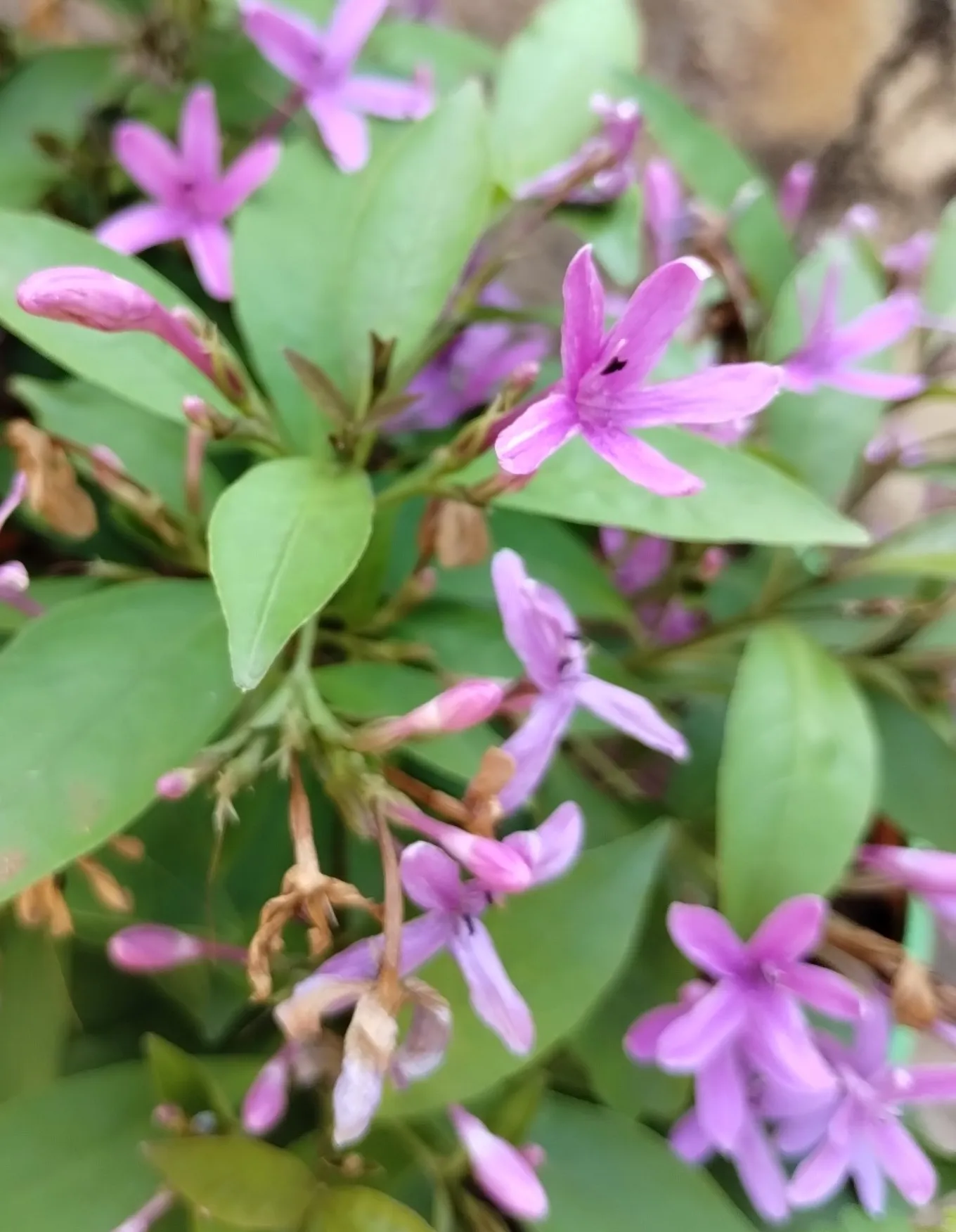
Identification relies heavily on their striking leaves, which vary drastically depending on the specific species or cultivar. For example, Pseuderanthemum atropurpureum features deep, almost metallic purple-black foliage, while Pseuderanthemum reticulatum boasts bright green leaves heavily mottled and intricately veined with vibrant yellow. The flowers, though secondary to the leaves, are beautiful in their own right. They are small, delicate, and tubular, blooming in loose terminal spikes. The petals are typically pristine white or pale pink, heavily dotted, splashed, and concentrated with dark magenta or purple spots near the throat.
The floral formula is % ⚥ K(5) C(5) A2 G(2). This denotes a bilaterally symmetrical, bisexual flower. It features 5 fused sepals, 5 fused petals forming a distinct tubular corolla, 2 fertile stamens (and often 2 sterile, vestigial staminodes), and a superior ovary composed of 2 fused carpels. This tubular structure is perfectly adapted for specific long-tongued insect pollinators.
Growing Pseuderanthemum successfully requires mimicking a tropical understory environment. They thrive in bright, indirect light or dappled shade; placing them in direct, harsh afternoon sunlight will quickly fade or severely scorch their beautiful, sensitive leaves. They demand a warm, highly humid environment, consistent moisture without becoming waterlogged, and rich, well-draining soil. They are completely frost-sensitive, hardy only in tropical USDA zones 10-11.
Culturally, they are used widely in high-end tropical landscaping to provide year-round dramatic color and structure where traditional flowers might be sparse, often serving as stunning informal hedges or border plants.
Importantly for indoor gardeners, Pseuderanthemum species are completely NON-TOXIC. They are entirely safe for households with dogs, cats, and curious children.
They are often confused with Eranthemum or Graptophyllum (the Caricature Plant), which belong to the exact same family and share similar tubular flowers and heavily patterned foliage. However, Pseuderanthemum's distinct magenta-spotted white flowers easily set it apart. Compare this foliage plant with the bright Poinsettia or explore the Flower Identifier.
For more botanical profiles and flower identification features, see our guides on Moss Rose (Portulaca) and Rangoon creeper.
Floral Formula & Features
Bilaterally symmetrical, bisexual. 5 fused sepals, 5 fused petals forming a tubular corolla, 2 fertile stamens (sometimes with 2 staminodes), 2 fused carpels forming a superior ovary.
- Scientific Name & Classification: Pseuderanthemum spp. (Acanthaceae). A diverse genus prized for striking tropical foliage.
- Identification Markers: Dramatic foliage ranging from metallic purple-black to bright green veined with yellow. Flowers are small, white, tubular, and heavily spotted with magenta.
- Floral Formula (% ⚥ K(5) C(5) A2 G(2)): Bilaterally symmetrical. Tubular corolla of 5 fused petals, featuring only 2 fertile stamens.
- Growing Requirements: Bright indirect light or dappled shade. High humidity, consistent moisture, and rich soil. Frost-sensitive (USDA zones 10-11).
- Cultural Significance: Heavily utilized in tropical and subtropical landscaping to provide consistent, year-round color without relying on blooms.
- Safety & Toxicity: NON-TOXIC. Completely safe for households with dogs, cats, and young children.
- Common Look-alikes: Closely related to the Caricature Plant (Graptophyllum), but distinguished by its delicate, magenta-spotted white tubular flowers.
- Internal Links: Compare its ornamental foliage with the vibrant bracts of the Poinsettia or check our Flower Identifier.
Names in Different Languages
Botanical Classification: Pseuderanthemum belongs to the Acanthaceae family. Learn how to identify its floral symmetry, stamen arrangement, and structural formulas in our Botanical Family Classification Guide.
Toxicity & Safety
Frequently Asked Questions
What is Floral Formula?
A floral formula is a symbolic representation of a flower's structure using letters, numbers, and special symbols. It provides a concise way to describe the arrangement and number of floral parts.
This formula describes the flower's symmetry, sepals, petals, stamens, and carpels in a standardized format.
Formula Sequence
- Bract: Br or Ebr
- Bracteole: Brl or Ebrl
- Symmetry: % (Radial) or ⊕ (Bilateral)
- Sex: ♀ (Female), ♂ (Male), or ⚥ (Bisexual)
- Calyx/Sepal: K<number> (Free or Fused)
- Corolla/Petal: C<number> (Free or Fused)
- Androecium: A<number> (Free or Fused)
- Gynaecium: G<number> (Superior or Inferior Ovary)
Symbol Meanings
- Numbers: Indicate quantity of parts
- Parentheses (): Parts are fused together
- Plus (+): Parts in different whorls
- Underline: Superior ovary position
- Overline: Inferior ovary position
- ∞: Numerous parts (too many to count)
Understanding floral formulas helps botanists quickly identify and classify flowers based on their structural characteristics.
Similar Flowers
Discover flowers that share botanical characteristics
Same Family
4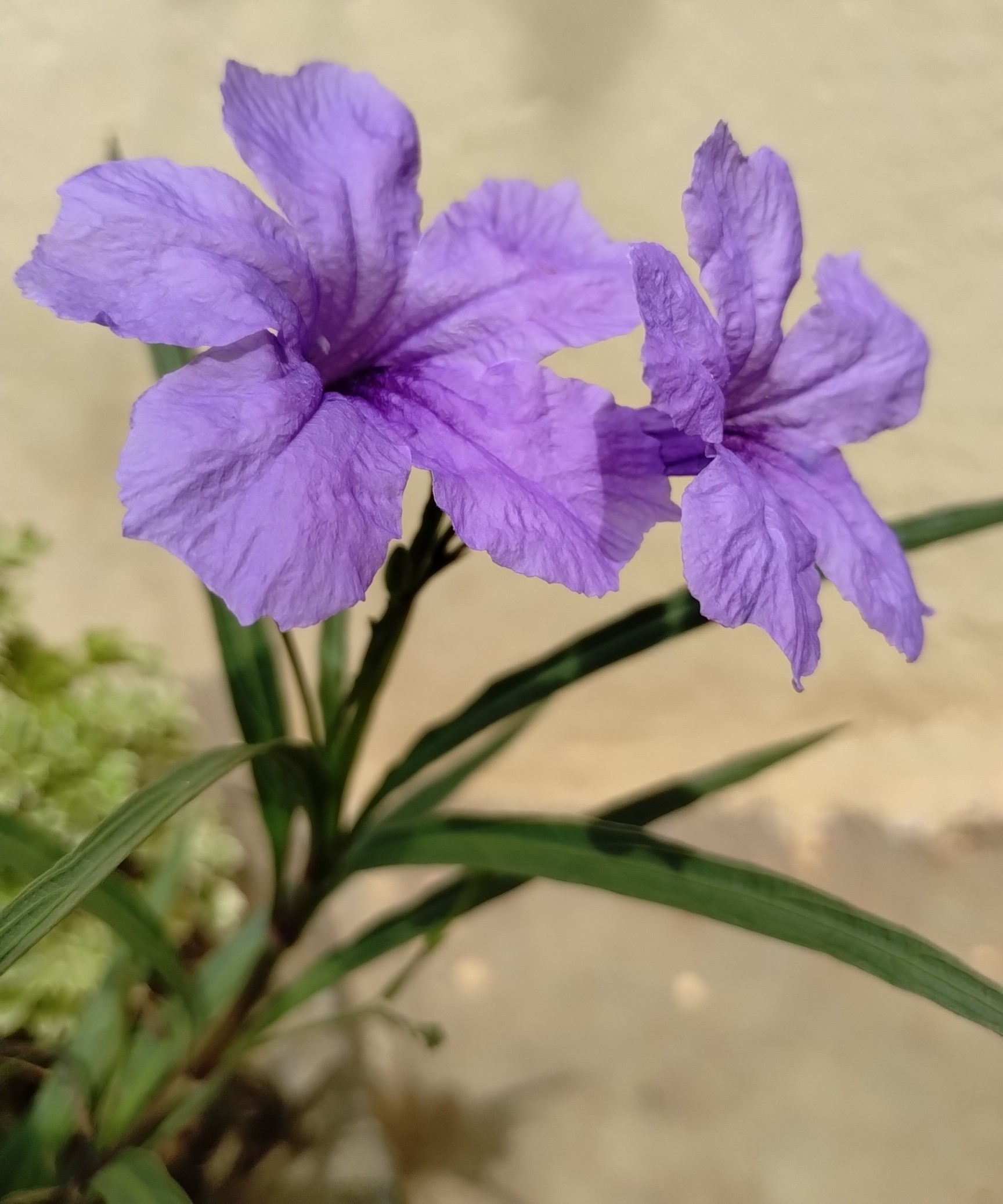
Mexican Petunia
Ruellia simplex
The Mexican Petunia, botanically classified as Ruellia simplex (and historically referred to as Ruellia brittoniana), is an exceptionally vigorous, upright herbaceous perennial belonging to the Acanthaceae (acanthus) family. Native to the warm, moisture-rich woodlands, riverbanks, and wet meadows...
Crossandra Firecracker
Crossandra infundibuliformis
The Firecracker Flower, scientifically known as Crossandra infundibuliformis and popularly called Aboli or Kanakambaram in India, is a beautiful tropical evergreen shrub belonging to the Acanthaceae family. Native to the shady forest understories of southern India and Sri Lanka, particularly the...
December
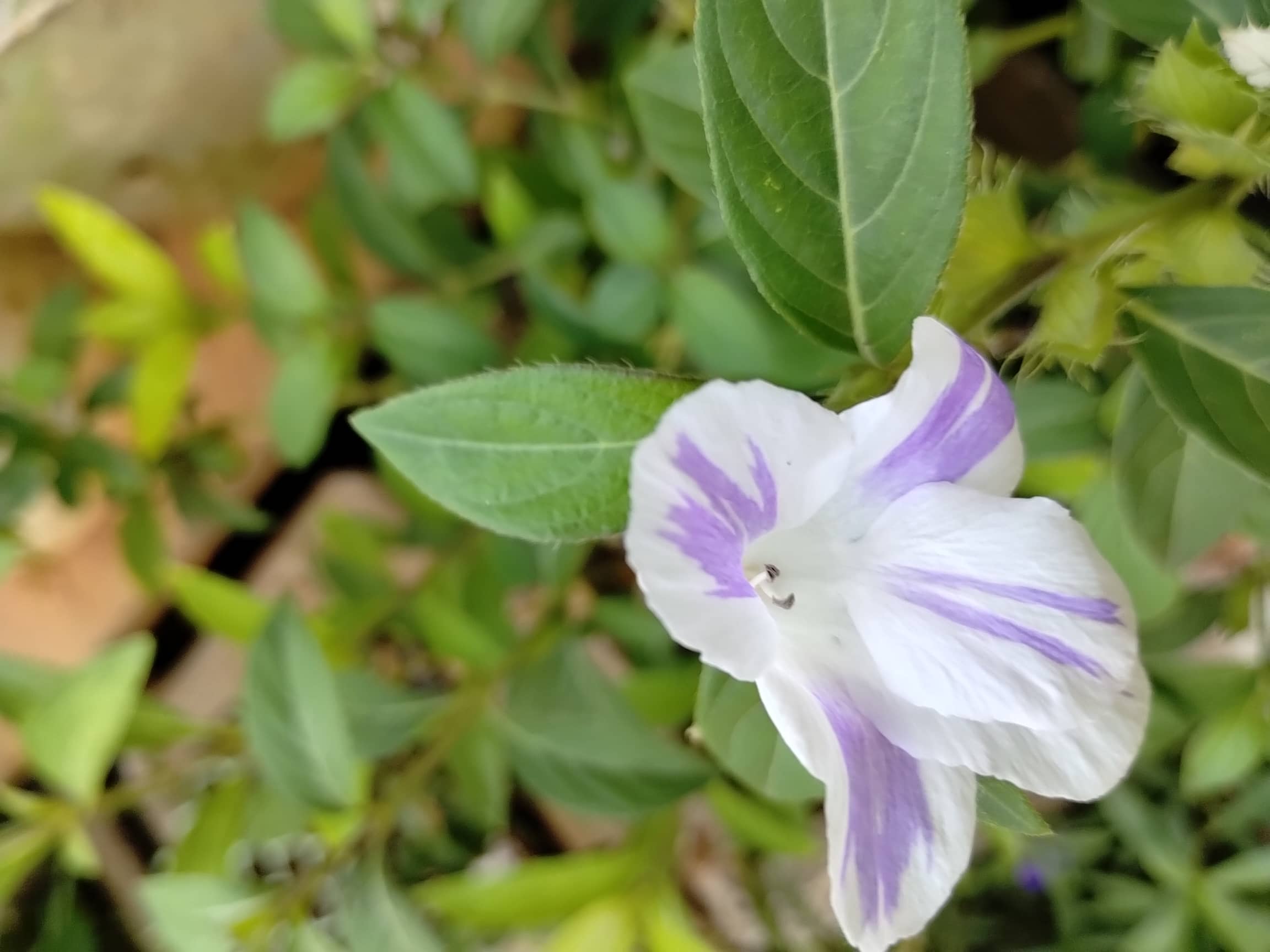
Barleria Cristata, Barleria prionitis
The December Flower, botanically classified under the genus Barleria within the family Acanthaceae (the acanthus family), is a highly attractive, fast-growing evergreen tropical shrub. Native to the sunny forest edges, dry riverbanks, and open scrublands of tropical Asia—spanning India, Myanmar,...
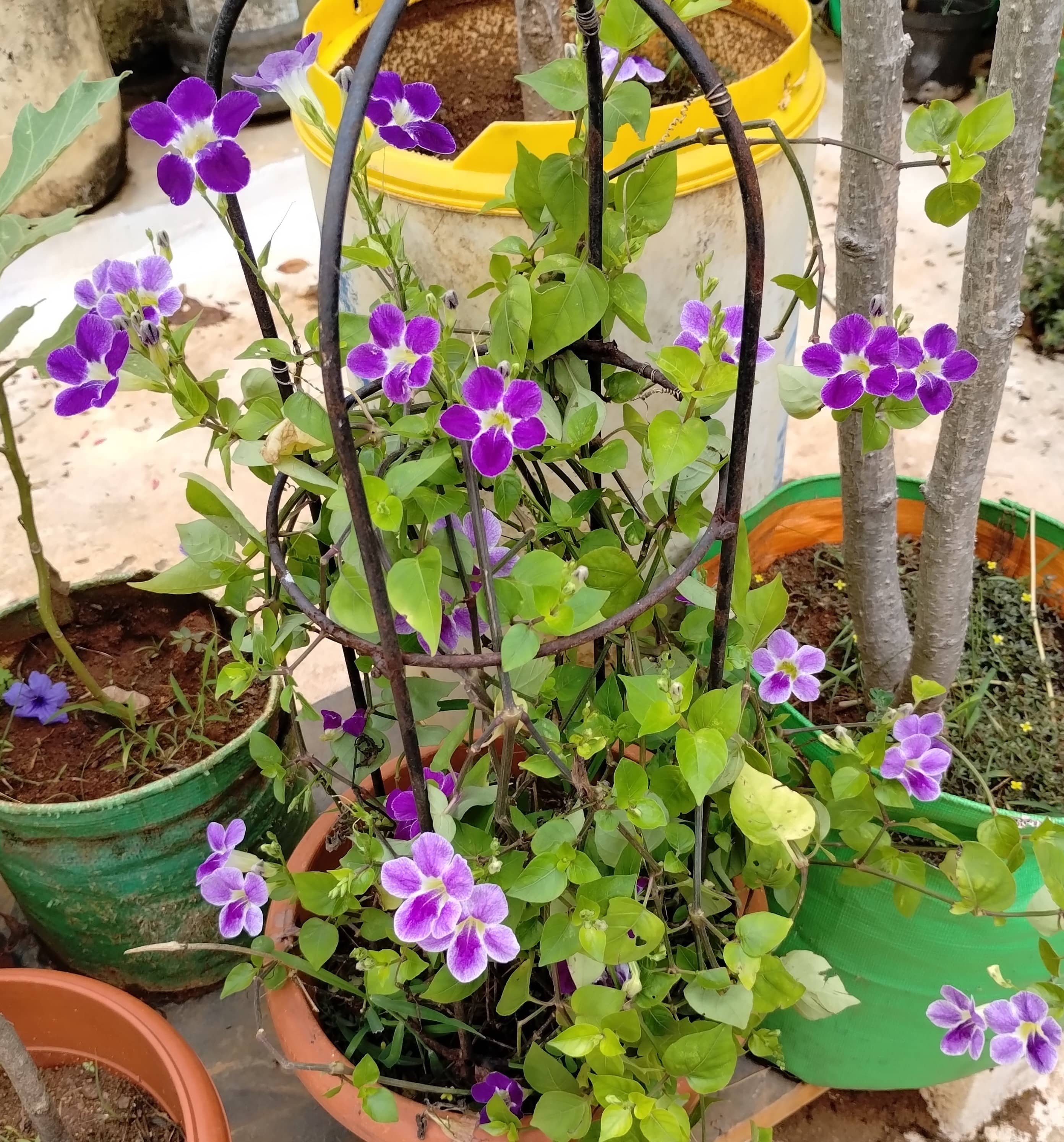
Thunbergia (King's Mantle)
Thunbergia erecta
Thunbergia erecta, popularly known as the "King's Mantle" or "Bush Clock Vine," is a sophisticated and regal tropical shrub that brings a touch of aristocratic elegance to any garden. A member of the Acanthaceae family, this evergreen species is native to the coastal regions of western Africa, fr...
Similar Characteristics
4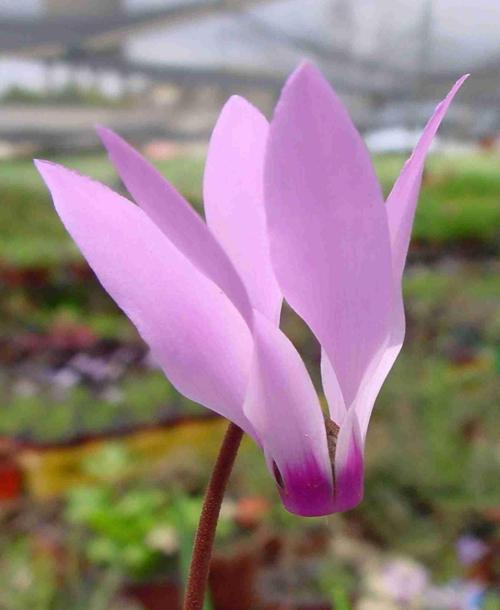
Cyclamen
Cyclamen persicum
Cyclamen (Cyclamen persicum), often referred to as the Persian Cyclamen or Sowbread, is a captivating tuberous perennial that has enchanted gardeners for centuries with its unique, upswept blossoms and elegantly patterned foliage. Native to the rocky hillsides and woodlands of the Mediterranean r...
December
Barleria Cristata, Barleria prionitis
The December Flower, botanically classified under the genus Barleria within the family Acanthaceae (the acanthus family), is a highly attractive, fast-growing evergreen tropical shrub. Native to the sunny forest edges, dry riverbanks, and open scrublands of tropical Asia—spanning India, Myanmar,...
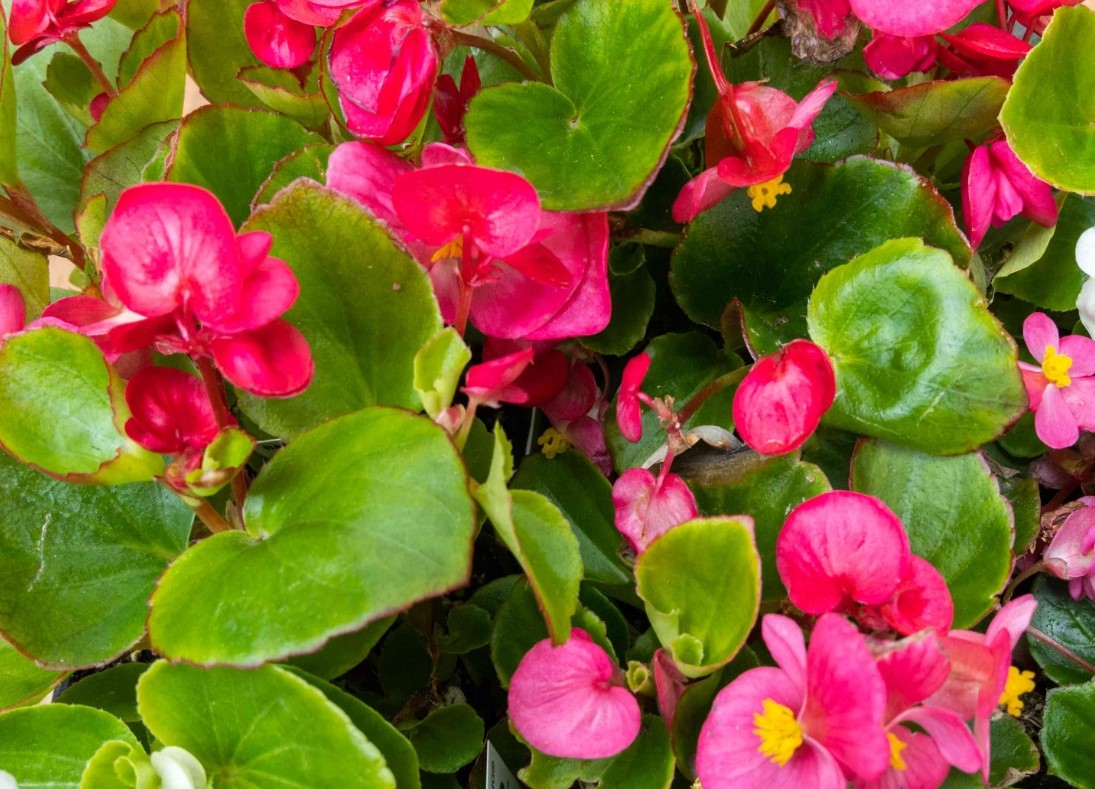
Begonia
Begonia
The Begonia, belonging to the remarkably diverse Begoniaceae family, is one of the most popular and versatile genera in the horticultural world, prized equally for its spectacular blossoms and dramatic, ornamental foliage. Comprising over 2,000 distinct species and thousands of cultivated varieti...
Thunbergia (King's Mantle)
Thunbergia erecta
Thunbergia erecta, popularly known as the "King's Mantle" or "Bush Clock Vine," is a sophisticated and regal tropical shrub that brings a touch of aristocratic elegance to any garden. A member of the Acanthaceae family, this evergreen species is native to the coastal regions of western Africa, fr...