
Daffodil
Narcissus spp.
Daffodils (Narcissus spp.), also known as Nargis or Jonquils, are cheerful, bright yellow spring-blooming flowers that signal the arrival of warm weat...
Scan & Verify This Plant Specimen
Snap or upload a photo to verify botanical authenticity and test toxicity for cats, dogs, and birds.
Drop Daffodil photo here to verify
or click to browse • Supports JPG, PNG, WEBP • Paste with Ctrl+V
Symptoms to Watch For
Current risk level for cats based on ingestion severity.
Information provided by BioLens Veterinary Database. In case of emergency, always consult a professional.
If your pet ate this plant:
Professional First Aid Summary:
Contact a vet immediately, especially if the bulb was ingested.
In-Depth Botanical Safety Analysis
Scientific evaluation and toxicological breakdown of Daffodil
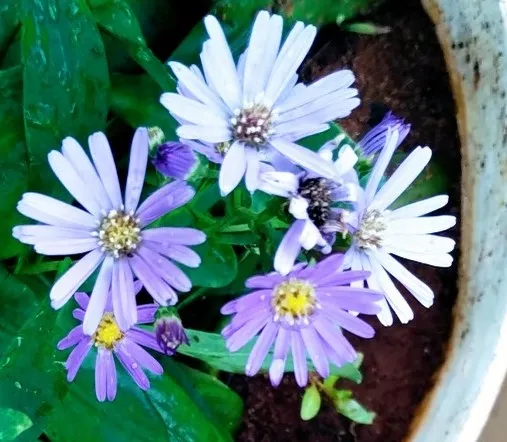
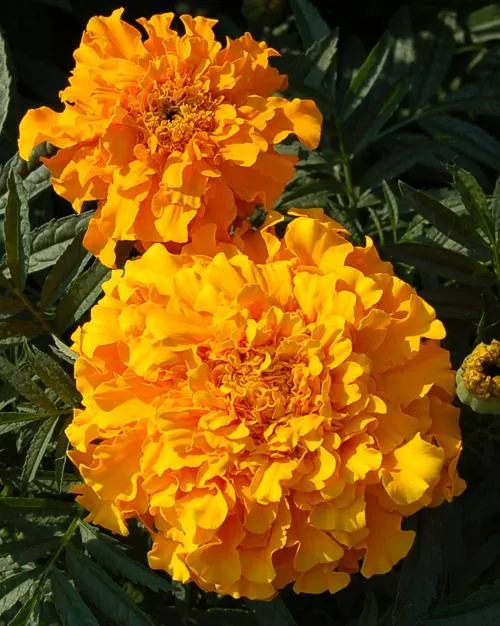
Daffodils (Narcissus spp.), also known as Nargis or Jonquils, are cheerful, bright yellow spring-blooming flowers that signal the arrival of warm weather. However, they are highly toxic to cats and dogs. The entire plant contains toxic alkaloids, but the bulbs contain the highest, most concentrated levels of lycorine, a potent crystalline toxin, and sharp, needle-like calcium oxalate crystals (raphides). Chewing on any part of a Daffodil triggers severe oral pain, hypersalivation, persistent vomiting, and hemorrhagic diarrhea. If a pet consumes the bulb, it can lead to acute drops in blood pressure, muscle tremors, respiratory distress, and serious cardiac arrhythmias. The outer layers of the bulb can also cause severe skin irritation upon contact. Prompt veterinary care is vital if ingestion is suspected. To preserve a pet-safe garden, consider beautiful alternatives like the Marigold or Aster, and read more about garden safety in our Pet Guard Hub. For full botanical identification details, view our Botanical Profile for Daffodil.
To explore more information on pet safety and garden safety, browse our profiles on Fire Lily and Castor Bean.
Toxic Parts
Recommended Pet-Safe Alternatives
Global Names & Multilingual Search
Specific Safety FAQs for Daffodil
Is Daffodil toxic to cats?
Yes, Daffodils (Narcissus) are highly toxic to cats. Ingestion of the leaves or flowers causes severe vomiting, while chewing the bulb can trigger dangerous neurological symptoms.
Is Daffodil toxic to dogs?
Yes, Daffodils are highly toxic to dogs. Ingesting the bulbs can result in severe drooling, rapid blood pressure drop, cardiac arrhythmias, and tremors.
Why are Daffodil bulbs the most toxic part?
Daffodil bulbs contain highly concentrated levels of crystalline alkaloids, primarily lycorine, which is a powerful emetic and neurotoxin, as well as sharp calcium oxalate crystals.
What is the first aid for Daffodil poisoning in pets?
Daffodil ingestion is a high-risk emergency. Flush your pet's mouth with water, and seek immediate professional veterinary care for supportive therapy and gastrointestinal monitoring.
20 Dangerous Garden Plants: Cat Toxicity & Safety Guide
Felines are highly sensitive to houseplants and flowers. Learn which 20 common species cause severe or fatal reactions in cats, including lilies, and discover safe, cat-friendly garden alternatives.