
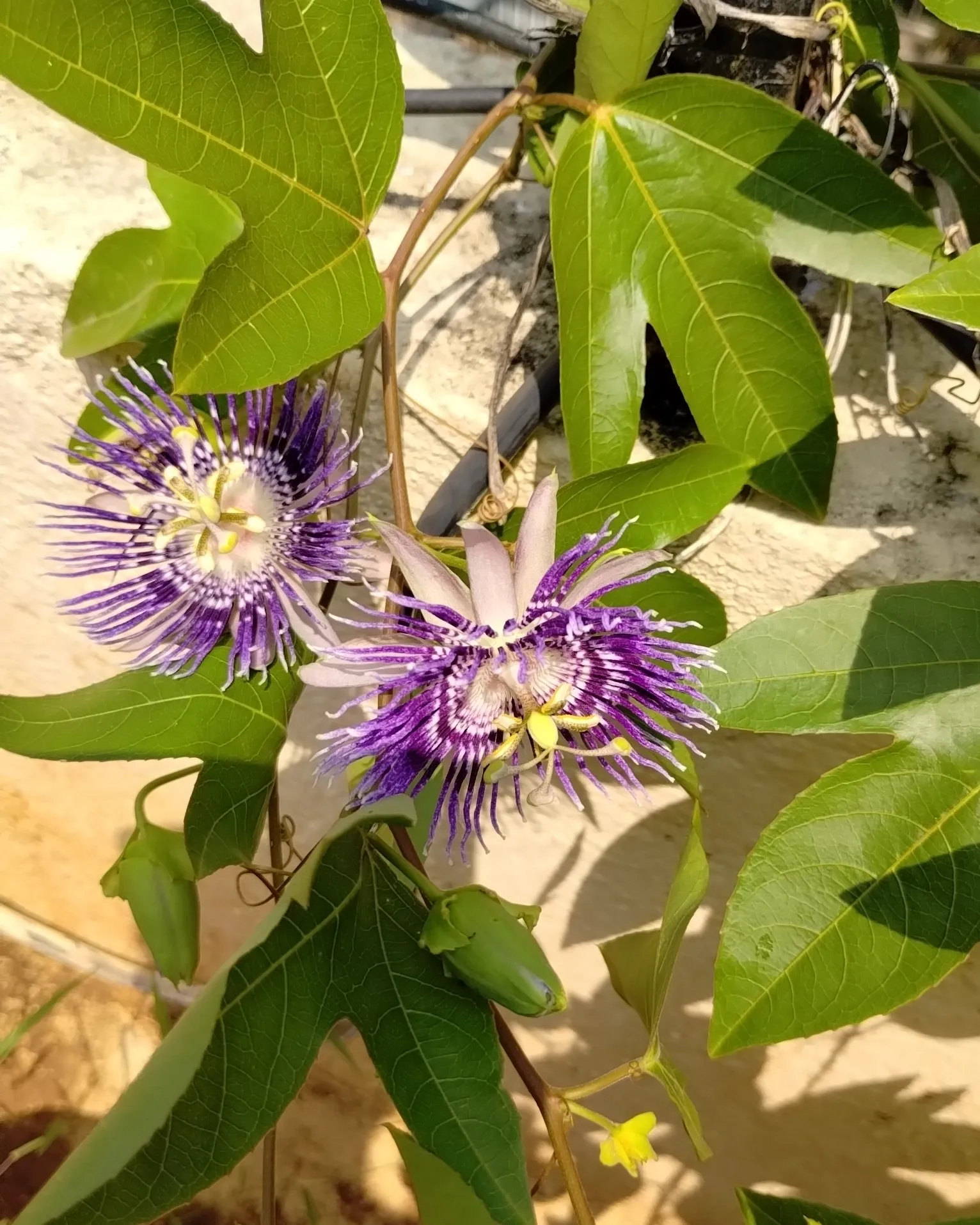
Passion Flower
Passiflora
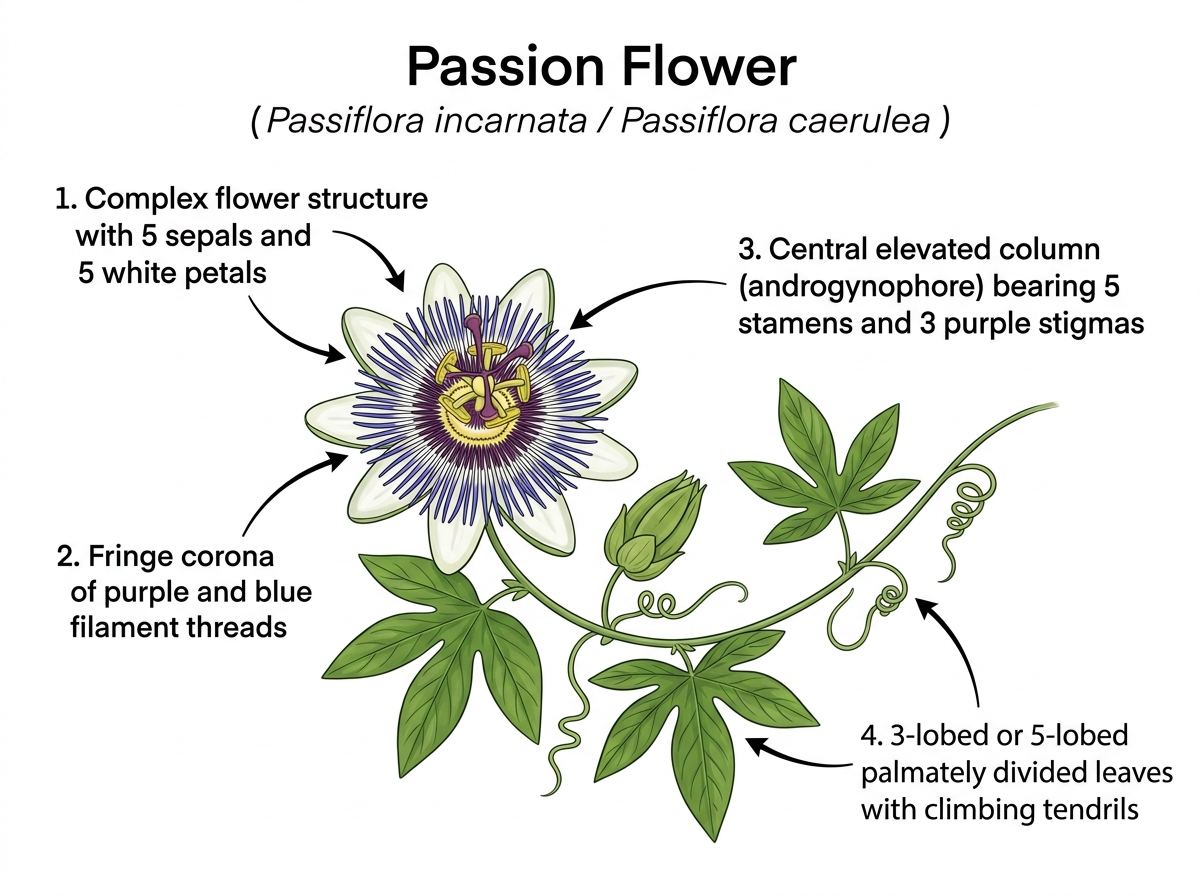
How to Identify Passion Flower
NON-TOXIC. 100% safe for cats and dogs. Leaves are widely used in herbal medicine and calming supplements for anxiety relief.
Care & Growing Guide
Seasonal Blooming & Hardiness
Seasonal Blooming Calendar:
- Peak Bloom: Spring to early summer (typically April through June).
- Planting Time: Sow seeds directly outdoors in early spring after the last frost, or transplant nursery starts in late spring.
Bloom Timeline
About Passion Flower
Passiflora, known universally as the Passion Flower, is a genus of roughly 550 species that contains some of the most intricate and biologically fascinating blossoms on Earth. Primarily native to the tropical and subtropical regions of the Americas, these vigorous climbing vines belong to the Passifloraceae family. The name 'Passion Flower' was bestowed by 16th-century Spanish missionaries, who perceived the complex structural elements of the bloom as symbolic representations of the Passion of Jesus Christ. Today, they are prized worldwide not only for their religious symbolism but for their unparalleled exotic beauty and their role as essential hosts for various butterfly species.
The architecture of a Passion Flower is a marvel of evolutionary specialization. Each bloom consists of ten tepals (five sepals and five petals) that serve as a backdrop for the flower's most striking feature: the corona. This 'crown' of numerous, thread-like filaments radiates from the center in vivid shades of purple, blue, or white, creating a fringed halo effect. Rising above the corona is the androgynophore, a unique central stalk that carries five stamens and three prominent stigmas. This arrangement ensures that large pollinators, such as carpenter bees and hummingbirds, must brush against the reproductive organs to reach the nectar hidden at the base of the tube.
As climbing vines, Passion Flowers are equipped with delicate yet strong tendrils that emerge from the leaf axils, allowing them to scale trellises, fences, and trees with remarkable speed. The foliage is equally diverse, with leaves that can be heart-shaped, lobed, or deeply palmate, depending on the species. In many varieties, such as Passiflora incarnata (the Maypop), the leaves are a deep, matte green and provide a lush canopy that provides shelter for wildlife. The vines also produce distinctive fruits—passion fruits—which range from small, berry-like capsules to large, commercially valuable fruits known for their tart, tropical flavor.
In the garden, Passion Flowers are relatively easy to cultivate if provided with their primary requirements: warmth and sunlight. They thrive in full sun and well-drained, moderately fertile soil. While many species are strictly tropical, some, like P. incarnata, are surprisingly cold-hardy, capable of surviving winter freezes by dying back to the ground and resprouting vigorously in the spring. They are excellent choices for vertical gardening, where their fast growth and exotic blooms can quickly transform a plain wall or arbor into a tropical paradise. However, gardeners should provide a sturdy support structure, as a mature vine can become quite heavy when in full leaf.
Beyond their ornamental appeal, Passion Flowers have a long history of use in traditional medicine. Extracts from the leaves and roots are frequently used in herbal remedies to promote relaxation and improve sleep, thanks to the presence of calming alkaloids and flavonoids. They are also ecological powerhouses, serving as the primary food source for the larvae of several butterfly species, including the Gulf Fritillary. This combination of medicinal utility, ecological importance, and sheer aesthetic wonder makes the Passion Flower a truly exceptional member of the botanical world, symbolizing both the complexity of nature and the timeless human fascination with exotic flora.
For pet-owning families, Passion Flower is an exceptionally safe and highly recommended landscape choice. Passiflora incarnata is classified as completely NON-TOXIC to cats, dogs, and horses by major global veterinary safety databases, including the ASPCA. While some ornamental species can contain trace cyanogenic compounds in their leaves, the popular Purple Passion Flower is completely safe, with its calming leaves often dried for pet anxiety teas. To discover more safe, high-integrity climbing vines and pet-friendly landscape designs, please check out our general Pet Guard library.
Passion Flower is occasionally confused with wild Clematis or climbing Morning Glory. It is easily distinguished because Passiflora features the completely unique fringed corona of filaments and a long central stalk (androgynophore), which are entirely absent in other climbing vines. It grows beautifully on sunny lattices alongside other non-toxic vining companions such as Morning Glory or Butterfly Pea. Explore more vertical gardening options in our Flower Identifier.
Floral Formula & Features
Ebracteate, actinomorphic, bisexual, 5 free sepals, 5 free petals, 5 stamens on an androgynophore column, 3 fused carpels with superior ovary
- Scientific Name & Classification: Passiflora spp. (Passifloraceae). Includes over 550 species of mostly tendril-bearing climbing vines native to the Americas.
- Identification Markers: Characterized by an intricate fringed corona of thread-like filaments, five stamens, and three stigmas rising on a central column (androgynophore).
- Floral Formula (EBr ⊕ ⚥ K5 C5 A5 G(3)): Radially symmetrical, bisexual flowers with 5 sepals, 5 petals, 5 stamens, and 3 fused carpels on an androgynophore.
- Growing Requirements: Requires full sun (6-8 hours) and well-drained loamy soil. Hardiness varies: P. incarnata is cold-hardy to Zone 6, while tropicals need Zone 10.
- Cultural Significance: Named by Spanish missionaries to represent the Passion of Christ. Famed in India as Krishna Kamal, representing the Hindu epic Mahabharata.
- Safety & Toxicity: NON-TOXIC. 100% safe for cats and dogs. Leaves are widely used in herbal medicine and calming supplements for anxiety relief.
- Common Look-alikes: Confused with Clematis, Morning Glory, or wild Bindweed due to climbing growth, but distinguished by its completely unique corona and central stalk.
- Internal Links: Transforms vertical fences beautifully when planted alongside climbing Morning Glory or Butterfly Pea; find more in our Flower Identifier.
- Internal Links: Compare key differences in our Passion Flower vs Clematis comparison, or try our instant Flower Identifier.
Names in Different Languages
Botanical Classification: Passion Flower belongs to the Passifloraceae family. Learn how to identify its floral symmetry, stamen arrangement, and structural formulas in our Botanical Family Classification Guide.
Toxicity & Safety
Frequently Asked Questions
What is Floral Formula?
A floral formula is a symbolic representation of a flower's structure using letters, numbers, and special symbols. It provides a concise way to describe the arrangement and number of floral parts.
This formula describes the flower's symmetry, sepals, petals, stamens, and carpels in a standardized format.
Formula Sequence
- Bract: Br or Ebr
- Bracteole: Brl or Ebrl
- Symmetry: % (Radial) or ⊕ (Bilateral)
- Sex: ♀ (Female), ♂ (Male), or ⚥ (Bisexual)
- Calyx/Sepal: K<number> (Free or Fused)
- Corolla/Petal: C<number> (Free or Fused)
- Androecium: A<number> (Free or Fused)
- Gynaecium: G<number> (Superior or Inferior Ovary)
Symbol Meanings
- Numbers: Indicate quantity of parts
- Parentheses (): Parts are fused together
- Plus (+): Parts in different whorls
- Underline: Superior ovary position
- Overline: Inferior ovary position
- ∞: Numerous parts (too many to count)
Understanding floral formulas helps botanists quickly identify and classify flowers based on their structural characteristics.
Similar Flowers
Discover flowers that share botanical characteristics
Similar Characteristics
4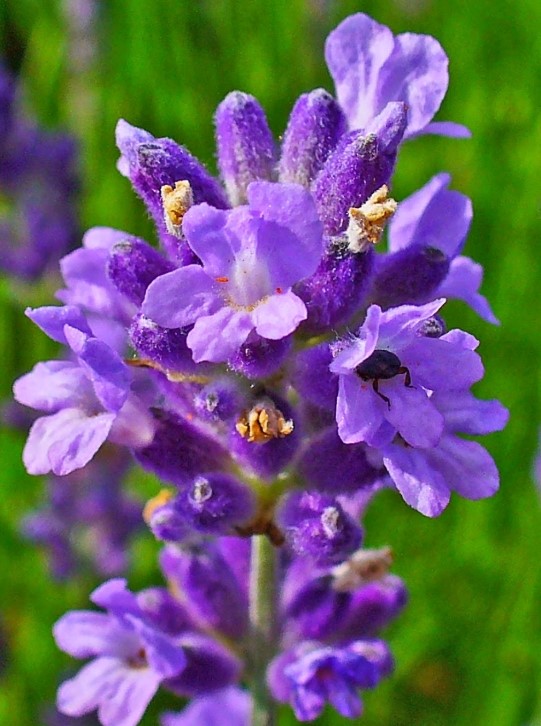
Lavender
Lavandula angustifolia
Lavender, botanically designated under the genus Lavandula and most widely represented by Lavandula angustifolia (English Lavender), is an exceptionally famous, highly aromatic evergreen perennial shrub belonging to the Lamiaceae (mint) family. Native to the sun-baked, rocky limestone hillsides a...
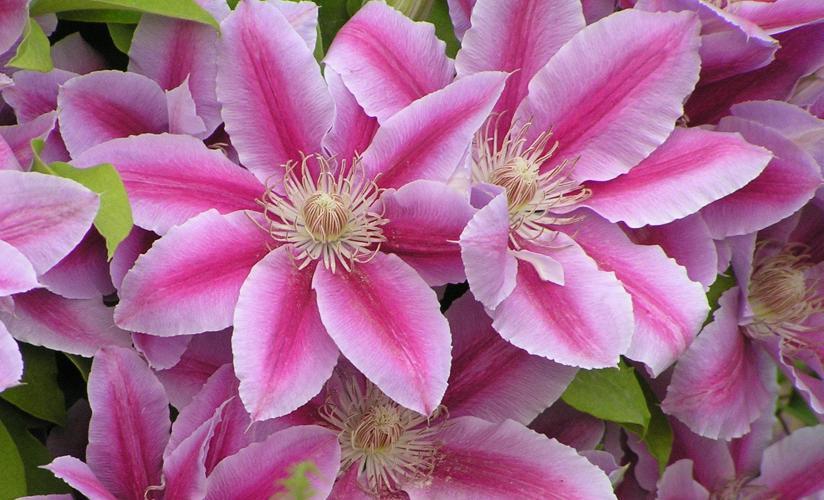
Clematis
Clematis
The Clematis, belonging to the genus Clematis within the family Ranunculaceae (the buttercup family), is a spectacular genus of perennial climbing vines widely hailed as the 'Queen of the Climbers.' Native to the temperate woodlands, rocky hillsides, and river hedgerows across the Northern Hemisp...
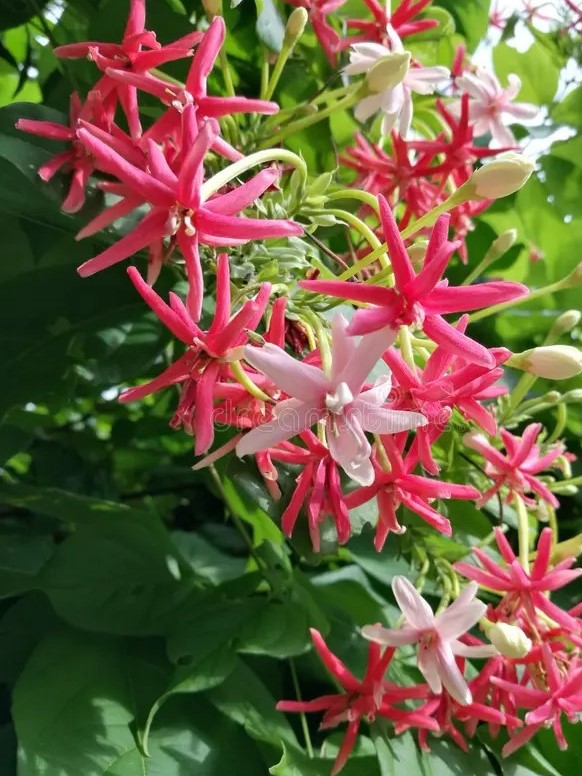
Rangoon creeper
Combretum indicum
Rangoon Creeper, botanically classified as Combretum indicum (historically known as Quisqualis indica), is an enchanting, woody climbing vine belonging to the Combretaceae (combretum) family. Native to the warm, moist tropical forests and riverbanks of South Asia, Southeast Asia, and the Pacific...
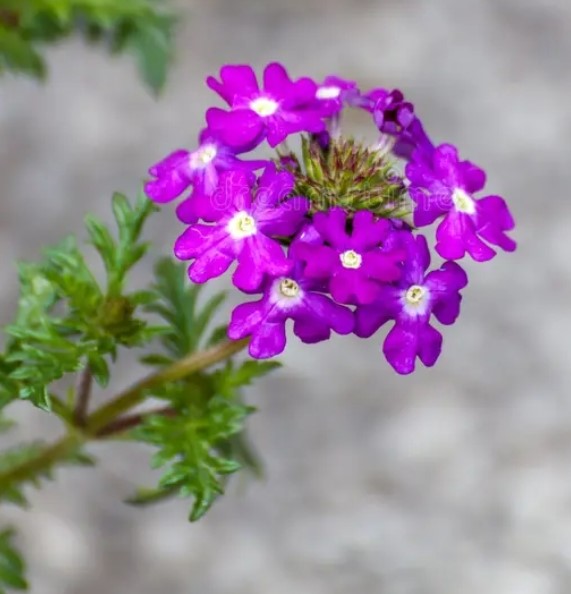
Verbena
Verbena
The Verbena, botanically classified under the genus Verbena and belonging to the family Verbenaceae (the verbena or vervain family), is an exceptionally tough, colorful, and resilient perennial (often cultivated as a warm-season annual in cooler temperate zones). Native primarily to the sunny gra...