
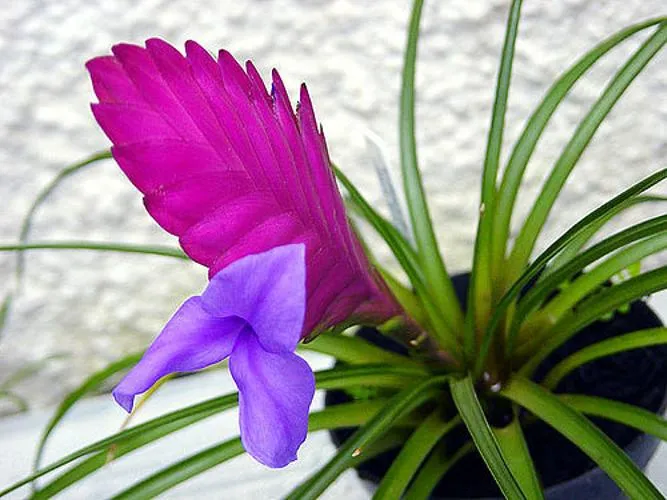
Ball Moss
Tillandsia recurvata
How to Identify Ball Moss
NON-TOXIC. 100% safe for cats, dogs, and horses, making it an excellent, soil-free choice for pet-safe indoor terrariums.
Care & Growing Guide
Seasonal Blooming & Hardiness
Seasonal Blooming Calendar:
- Peak Bloom: Spring to early summer (typically April through June).
- Planting Time: Sow seeds directly outdoors in early spring after the last frost, or transplant nursery starts in late spring.
Bloom Timeline
About Ball Moss
Ball Moss, botanically known as Tillandsia recurvata, is a highly adapted, rootless epiphytic perennial belonging to the Bromeliaceae (pineapple) family. Native to the warm, humid regions of the southern United States (particularly Texas, Florida, and Louisiana), Mexico, Central America, and northern South America, it thrives on tree branches, rock cliffs, and even telephone wires. Despite its common name, it is not a true moss but an air plant closely related to Spanish moss and pineapples.
Forming distinctive, highly spherical, gray-green clumps that measure 4 to 8 inches in diameter, Tillandsia recurvata is composed of multiple compact, curving rosettes. The leaves are slender, stiff, cylindrical, and covered with specialized, microscopically tiny leaf scales called trichomes. These trichomes give the plant its characteristic dusty, silver-gray appearance and serve as its primary means of absorbing water and nutrients directly from the surrounding air, dew, and rainfall, as the plant lacks functional roots.
The reproductive morphology of this tiny air plant is represented by the botanical floral formula ⊕ ⚥ K3 C3 A6 G(3). This formula indicates that the flowers are radially symmetrical (actinomorphic) and bisexual. The calyx is composed of 3 free, green sepals, while the corolla features 3 small, free petals in a charming violet-blue or lavender-purple color. The androecium contains 6 fertile stamens in two distinct whorls of 3, surrounding a 3-carpellate superior ovary that matures into narrow dry seed capsules.
Horticulturally, Ball Moss is an exceptionally low-maintenance atmospheric plant that requires absolutely no soil to grow. It performs best in bright, indirect, filtered light with moderate to high humidity, though it is surprisingly drought-tolerant and can survive prolonged dry spells by going dormant. Water is absorbed from mist or heavy rain, which easily slides off its spherical form. It is highly cold-hardy for a tropical bromeliad, capable of withstanding brief drops down to 20°F in USDA hardiness zones 8 through 11.
The genus name Tillandsia honors the celebrated 17th-century Swedish botanist and physician Elias Tillandz, while the specific epithet recurvata refers to the plant's curved, backward-bending leaves. Famed on the Indian subcontinent as Harita (हरिता) and in Sanskrit as Tilaksri (तिलकश्री), it is widely admired as a symbol of pure atmospheric self-sufficiency, adapting to survive in seemingly impossible, soil-free mountain environments.
For pet owners, Ball Moss is an exceptionally safe and highly premium selection. Tillandsia recurvata is classified as completely NON-TOXIC to cats, dogs, and horses by major global veterinary safety databases, including the ASPCA. If a pet plays with or chews on a stray clump that has fallen from a tree, there is absolutely no risk of chemical poisoning. Its stiff, fibrous texture is highly pet-friendly. To explore more safe, soil-free air plants and family-safe green additions, visit our general Pet Guard catalog.
Ball Moss is occasionally confused with true tree Mosses, Spanish Moss, or Lichen. It is easily distinguished because Tillandsia recurvata forms highly symmetrical, ball-shaped rosettes with distinct violet flowers in spring, whereas true mosses are flat carpet-forming plants, and Spanish moss hangs in long, weeping strands. It makes a beautiful, modern terrarium accent beside low-growing Wild Pansy or colorful Balsam. To learn more about epiphytes, check out our Flower Identifier.
Floral Formula & Features
Radially symmetrical, bisexual, 3 free sepals, 3 free petals (violet), 6 stamens in two whorls of 3, 3 fused carpels with superior ovary
- Scientific Name & Classification: Tillandsia recurvata (Bromeliaceae). Known widely as Ball Moss, Bunch Moss, and Small Ballmoss.
- Identification Markers: Spherical, silver-gray clumps composed of slender, recurving rosettes. Small, lavender-purple flowers blooming on thin stalks in spring.
- Floral Formula (⊕ ⚥ K3 C3 A6 G(3)): Actinomorphic, bisexual flowers with 3 free sepals, 3 free violet petals, 6 stamens, and a superior ovary.
- Growing Requirements: Bright indirect light with high humidity; requires absolutely no soil, absorbing moisture directly from the air and misting (Zones 8-11).
- Cultural Significance: Genus honors botanist Elias Tillandz. Resilient epiphyte that can colonize telephone wires and barren rock cliffs.
- Safety & Toxicity: NON-TOXIC. 100% safe for cats, dogs, and horses, making it an excellent, soil-free choice for pet-safe indoor terrariums.
- Common Look-alikes: Confused with Spanish Moss, but distinguished by forming distinct spherical clumps rather than long, draping gray strands.
- Internal Links: Creates a beautiful soil-free display on wood mounts alongside trailing Wild Pansy or moisture-loving Balsam; find more in our Flower Identifier.
Names in Different Languages
Toxicity & Safety
Frequently Asked Questions
What is Floral Formula?
A floral formula is a symbolic representation of a flower's structure using letters, numbers, and special symbols. It provides a concise way to describe the arrangement and number of floral parts.
This formula describes the flower's symmetry, sepals, petals, stamens, and carpels in a standardized format.
Formula Sequence
- Bract: Br or Ebr
- Bracteole: Brl or Ebrl
- Symmetry: % (Radial) or ⊕ (Bilateral)
- Sex: ♀ (Female), ♂ (Male), or ⚥ (Bisexual)
- Calyx/Sepal: K<number> (Free or Fused)
- Corolla/Petal: C<number> (Free or Fused)
- Androecium: A<number> (Free or Fused)
- Gynaecium: G<number> (Superior or Inferior Ovary)
Symbol Meanings
- Numbers: Indicate quantity of parts
- Parentheses (): Parts are fused together
- Plus (+): Parts in different whorls
- Underline: Superior ovary position
- Overline: Inferior ovary position
- ∞: Numerous parts (too many to count)
Understanding floral formulas helps botanists quickly identify and classify flowers based on their structural characteristics.
Similar Flowers
Discover flowers that share botanical characteristics
Similar Characteristics
4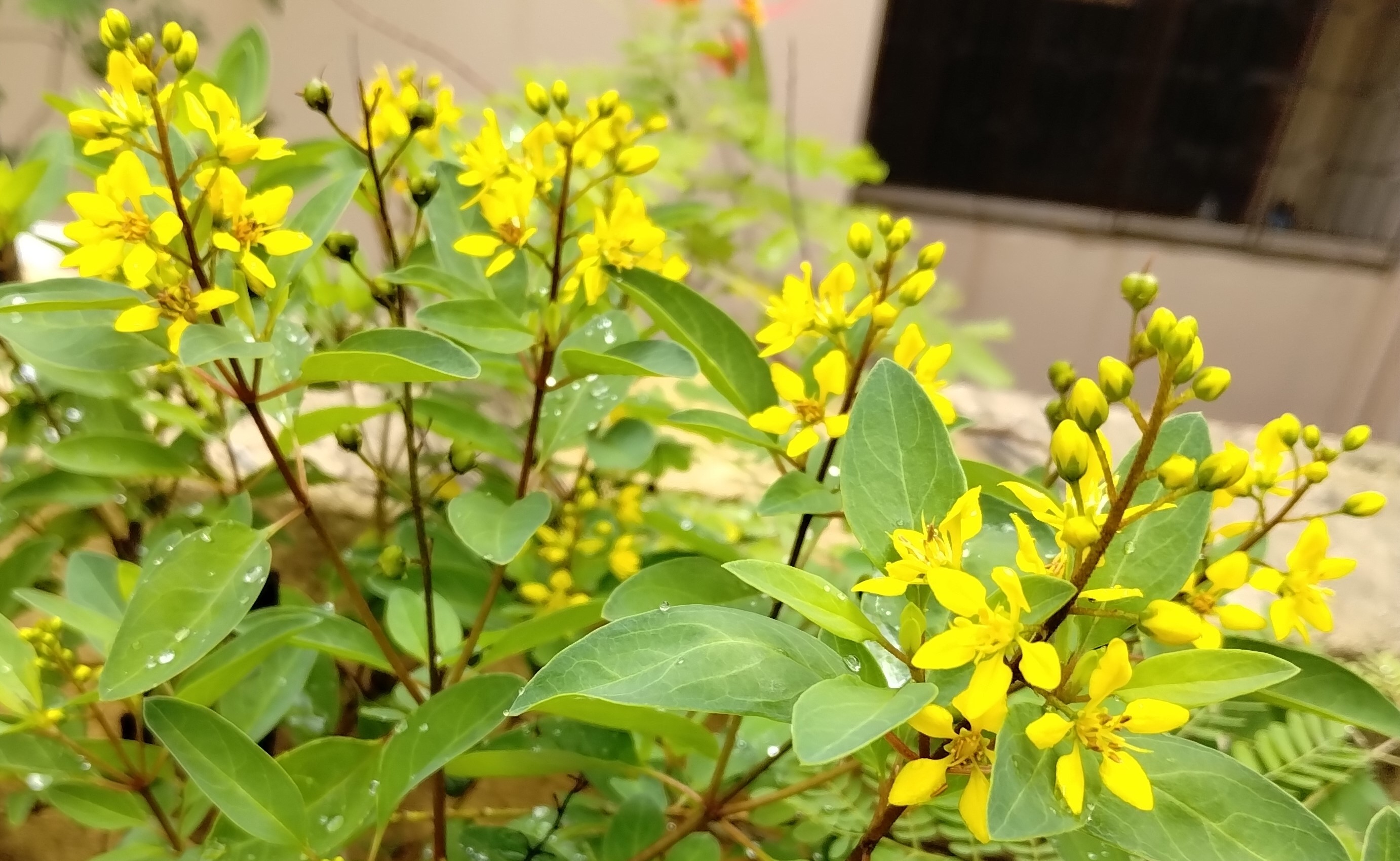
Golden Thryallis
Galphimia gracilis
The Golden Thryallis, botanically designated as *Galphimia gracilis* (previously confused with *Thryallis glauca*, commonly known as Gold Shower, Rain-of-Gold, or Slender Goldshower), is an exceptionally cheerful, fast-growing tropical evergreen shrub. Belonging to the family Malpighiaceae (the a...
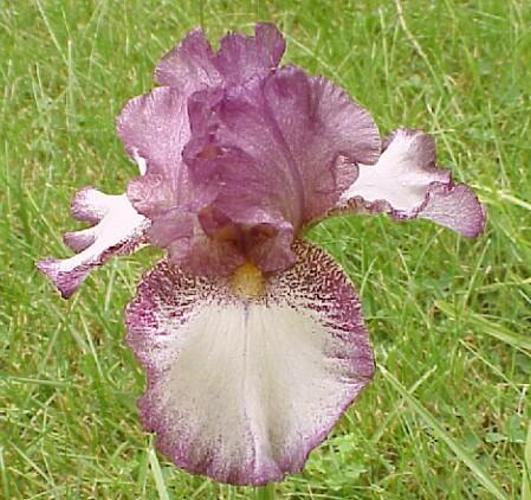
Bearded Iris
Iris germanica
The Bearded Iris, botanically designated under the genus *Iris* (particularly *Iris germanica*), is an exceptionally elegant, highly popular hardy perennial. Belonging to the family Iridaceae (the iris family, tribe Irideae), this spectacular garden favorite is native to the dry, sunny slopes and...
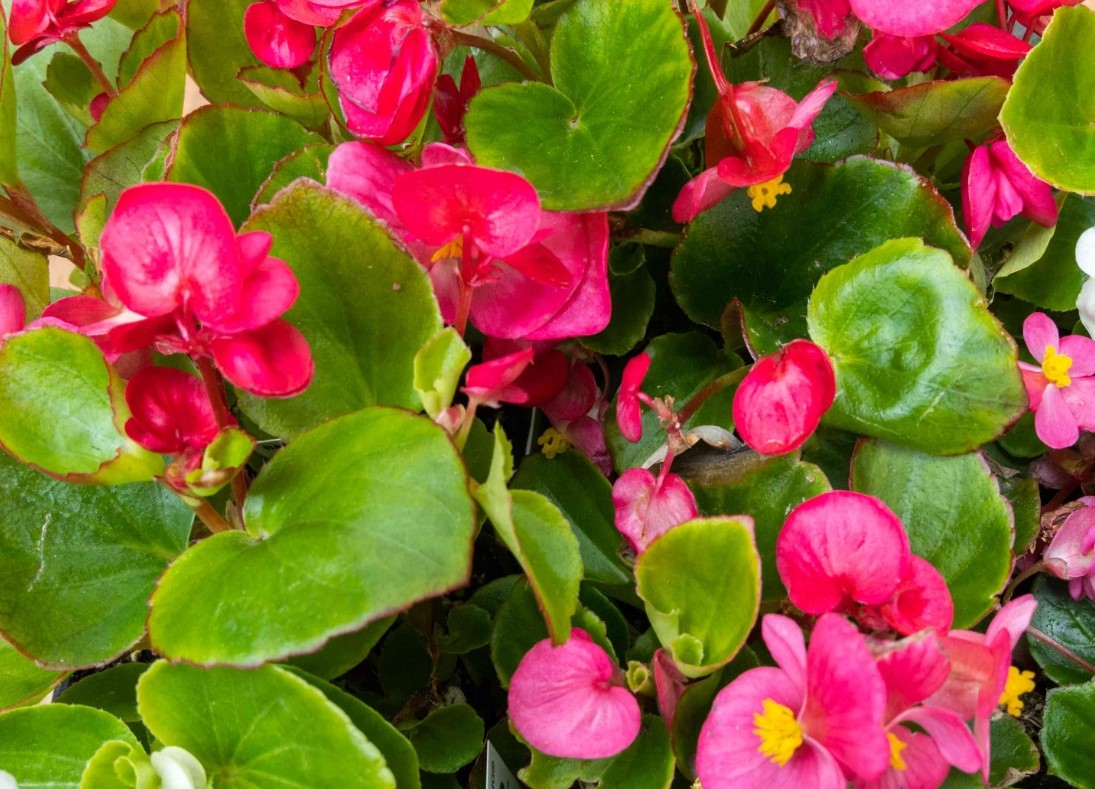
Begonia
Begonia
The Begonia, belonging to the remarkably diverse Begoniaceae family, is one of the most popular and versatile genera in the horticultural world, prized equally for its spectacular blossoms and dramatic, ornamental foliage. Comprising over 2,000 distinct species and thousands of cultivated varieti...
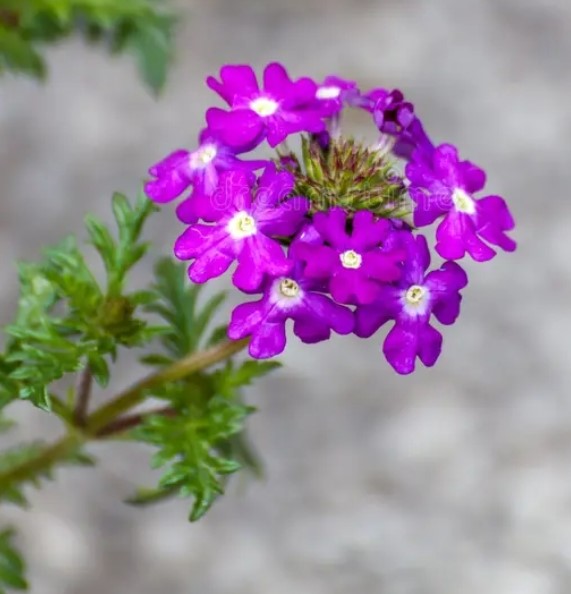
Verbena
Verbena
The Verbena, botanically classified under the genus Verbena and belonging to the family Verbenaceae (the verbena or vervain family), is an exceptionally tough, colorful, and resilient perennial (often cultivated as a warm-season annual in cooler temperate zones). Native primarily to the sunny gra...