
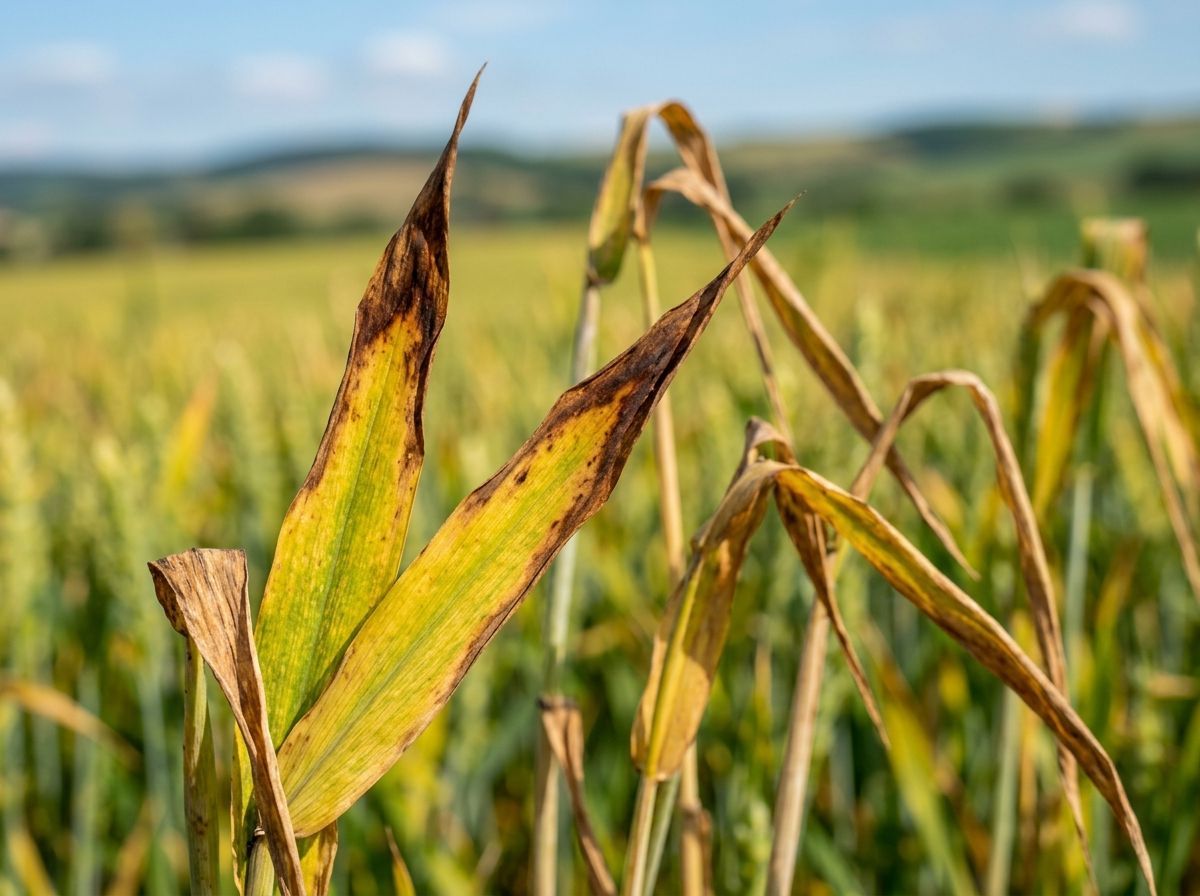
Potassium Deficiency
Potassium Deficientia
How to Identify Potassium Deficiency on Wheat

Visible Symptoms
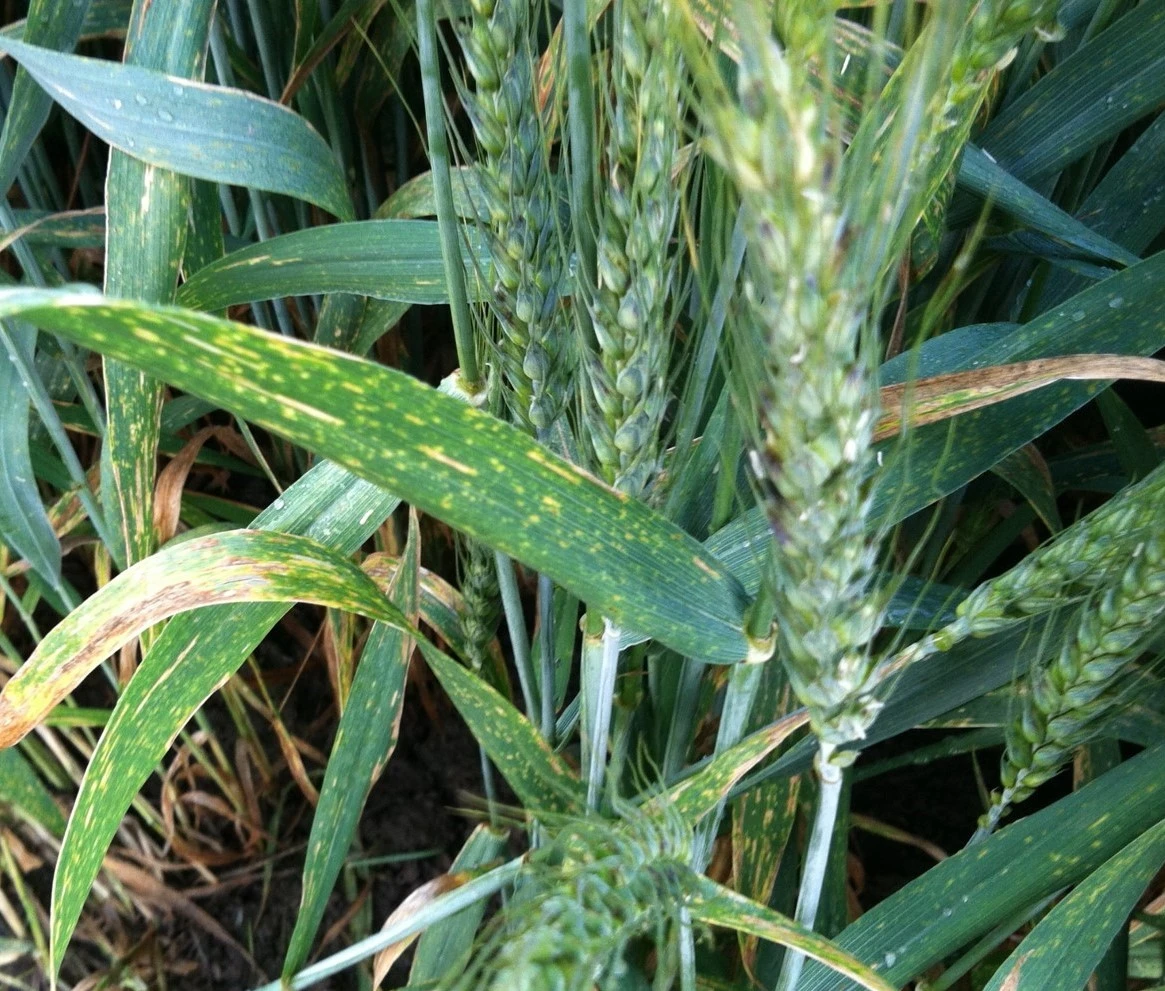
Chlorosis and marginal leaf scorch (firing) on older leaves, where the leaf tips and edges turn yellow and then necrotic brown while the center of the leaf remains green. Stems are thin and brittle, and plants exhibit a limp, wilted posture even in moist soils.
About Potassium Deficiency
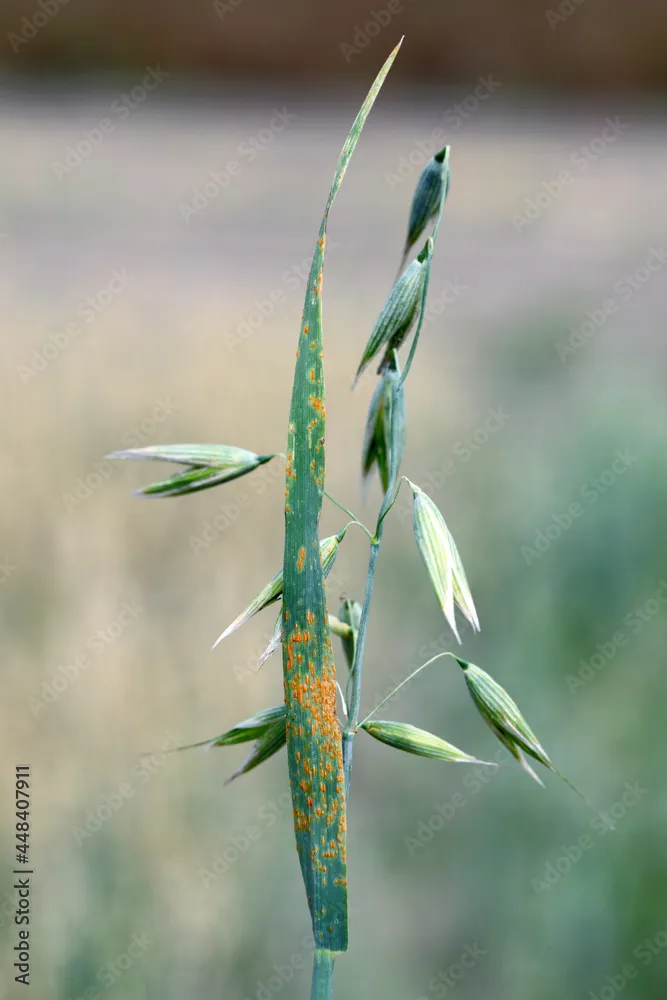
Potassium deficiency disrupts stomatal water regulation, enzyme activation, and cellulose synthesis in wheat cell walls. Deficient wheat plants develop weak, thin-walled straw that cannot support heavy grain spikes, leading to widespread crop lodging under late-season winds and thunderstorms. Potassium-starved wheat also exhibits reduced tolerance to frost and foliar rust infections.
Nutrient Role & Deficiency Cause
Potassium deficiency disrupts stomatal water regulation, enzyme activation, and cellulose synthesis in wheat cell walls. Deficient wheat plants develop weak, thin-walled straw that cannot support heavy grain spikes, leading to widespread crop lodging under late-season winds and thunderstorms. Potassium-starved wheat also exhibits reduced tolerance to frost and foliar rust infections.
Seasonal Outbreak Calendar
Outbreak risk and activity timeline for Potassium Deficiency based on seasonal climate patterns:
Treatment & Correction Guide
Natural & Organic Methods
Chemical & Professional Control
Frequently Asked Questions
How does potassium prevent lodging (stems bending and falling over) in wheat?
Potassium stimulates the deposition of cellulose and lignin in the sclerenchyma tissues of the bottom 2 internodes. This creates thick, rigid, elastic stem walls that can flex and rebound under heavy grain heads and spring winds without buckling.
Why does potassium deficiency make wheat highly vulnerable to Brown Rust and Powdery Mildew?
In potassium-deficient leaves, protein synthesis is impaired, leading to an abnormal accumulation of free soluble sugars and amino acids in epidermal cells. Pathogenic fungi (Puccinia triticina and Blumeria graminis) thrive on these free nutrients and easily penetrate the weakened, thin cell walls.
How does foliar potassium nitrate (13:0:45) mitigate terminal heat stress in wheat?
Late in the season (March–April in South Asia), sudden heat waves cause early forced ripening. Foliar spraying 13:0:45 at booting and anthesis maintains stomatal regulation, keeps flag leaves physiologically cool through controlled transpiration, and extends grain filling duration.
What causes the distinctive marginal leaf scorch ('firing') on wheat leaves?
Potassium is mobile within the plant. When root uptake fails, potassium is mobilized from the oldest lower leaves to developing tillers. Without potassium to regulate osmotic water retention, leaf margins dehydrate, accumulate toxic amines (putrescine), and burn to a crisp brown border.
How much potassium does a high-yielding wheat crop extract from the soil?
A 5 ton/ha (20 quintal/acre) wheat crop extracts approximately 100 to 125 kg of K2O from the soil. Around 75–80% of this potassium resides in the wheat straw (bhoosa/stover); removing all straw without returning potassium fertilizer rapidly depletes soil reserves.
Recommended diagnostics based on crop family and symptoms:
Remedy Disclaimer & Safety Notice
This disease guide is for educational screening purposes only. Pathogen behavior, severity, and host susceptibility can vary dramatically based on seed variety, weather conditions, and regional microclimates. Chemical pesticides and organic treatments are subject to strict regional environmental regulations and registration mandates. Please verify all chemical registrations and review manufacturer safety labels carefully with local certified agronomists or agricultural extension service offices before applying.