
Potassium Deficiency
Potassium Deficientia
How to Identify Potassium Deficiency on Tomato

Visible Symptoms
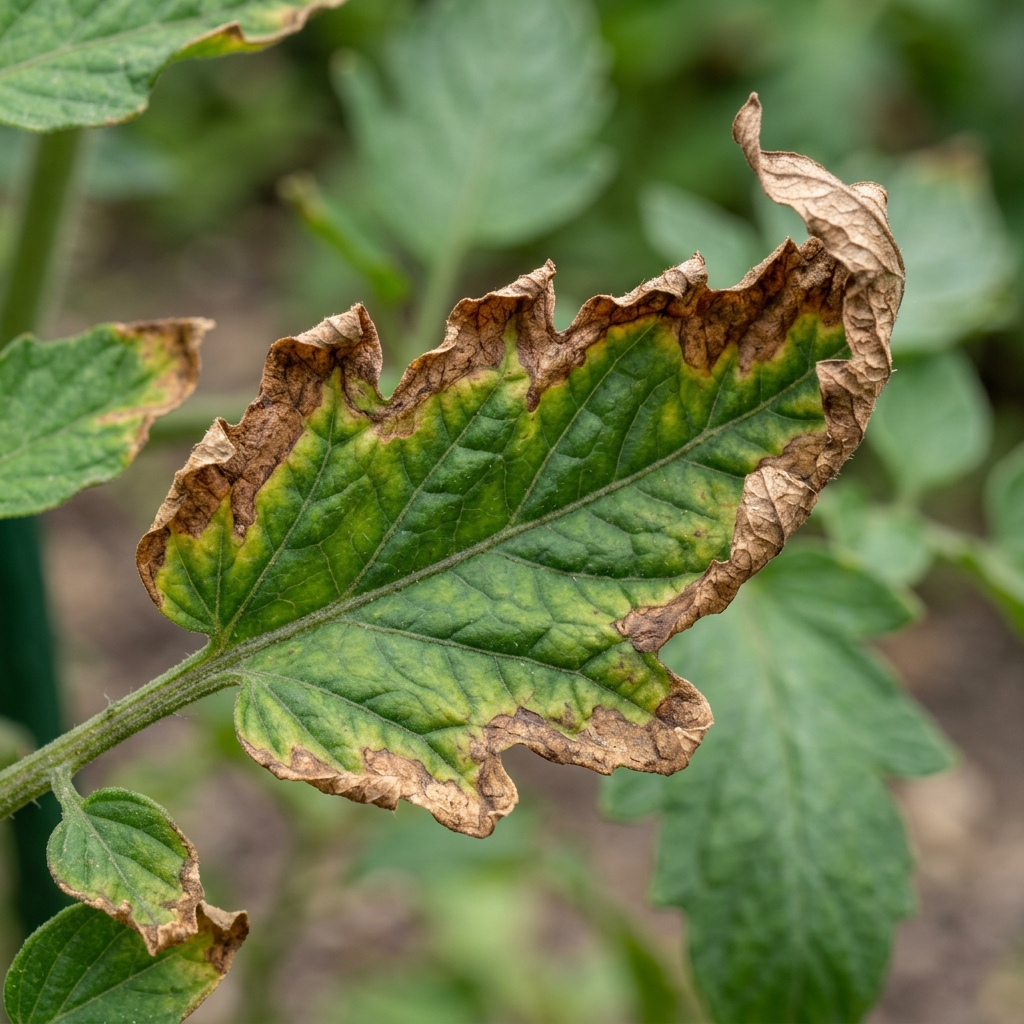
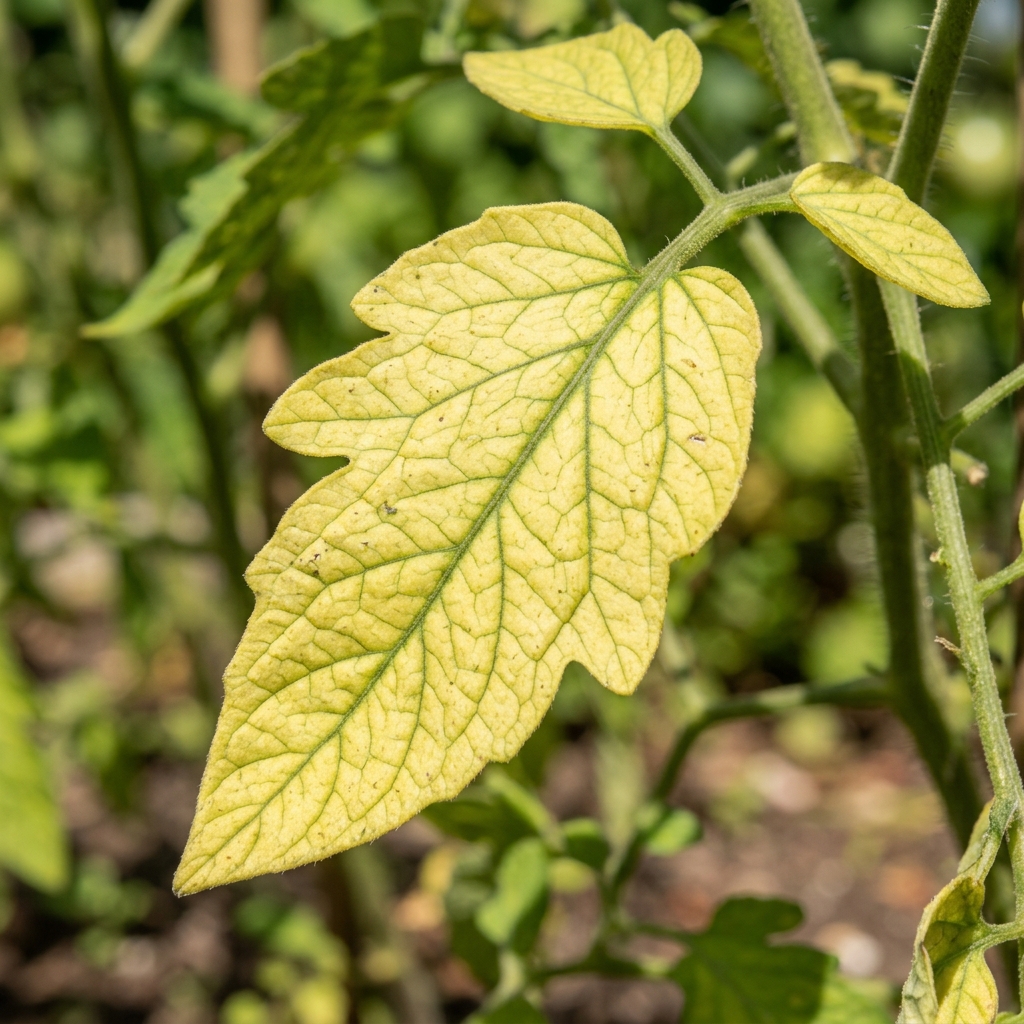
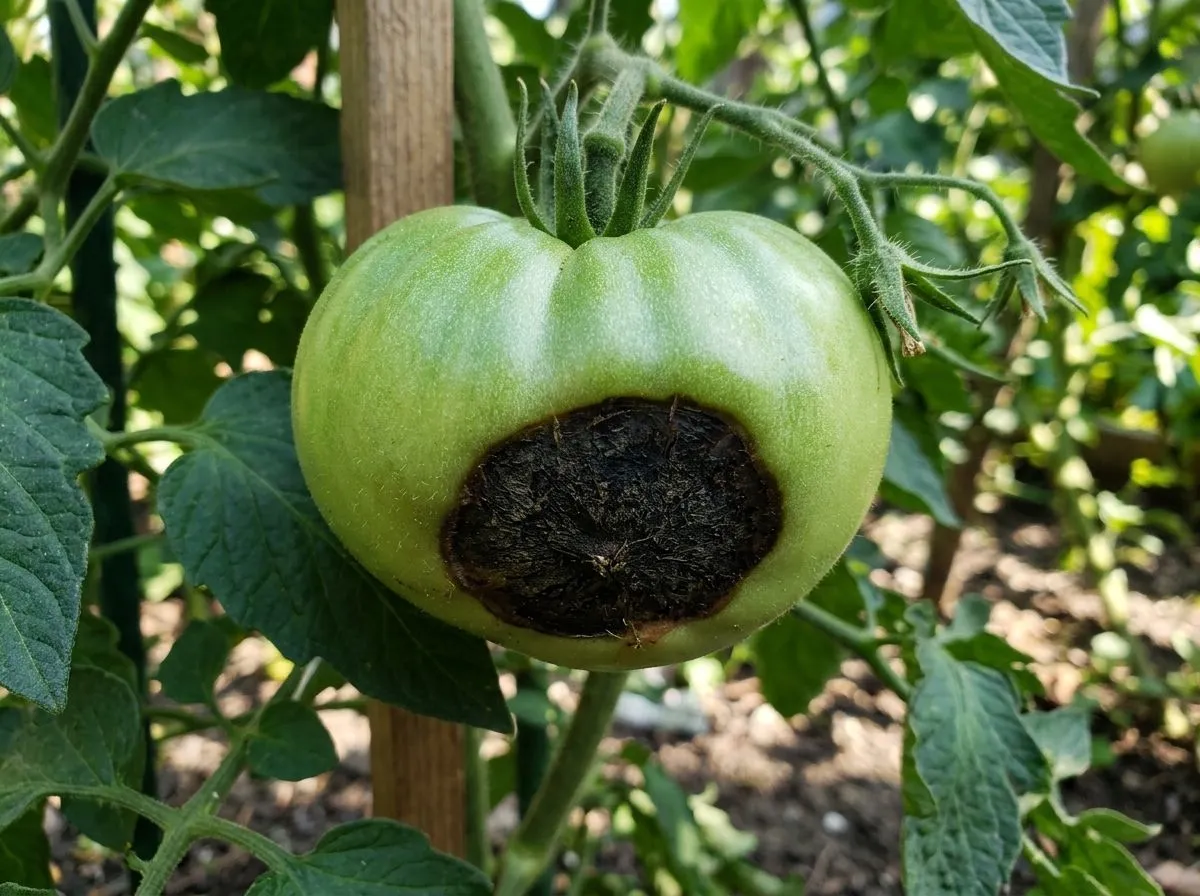
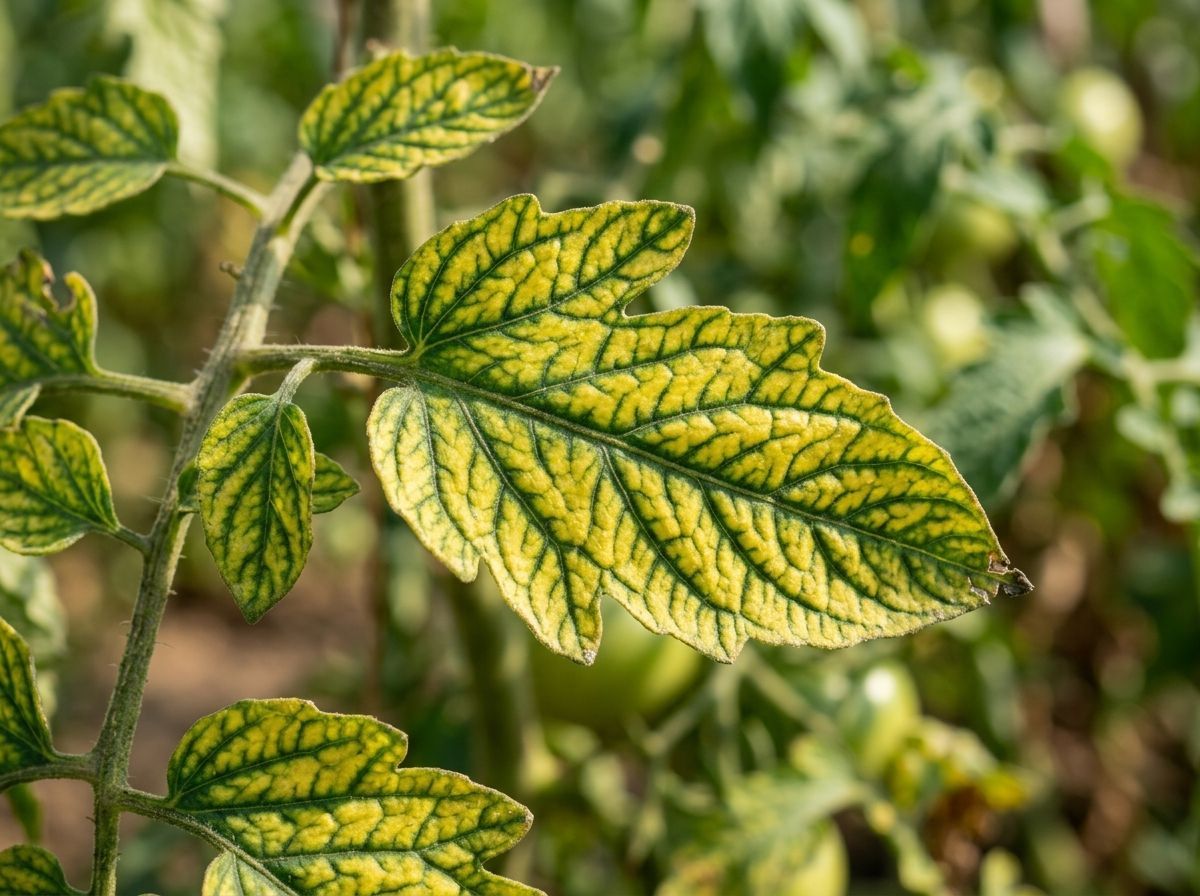
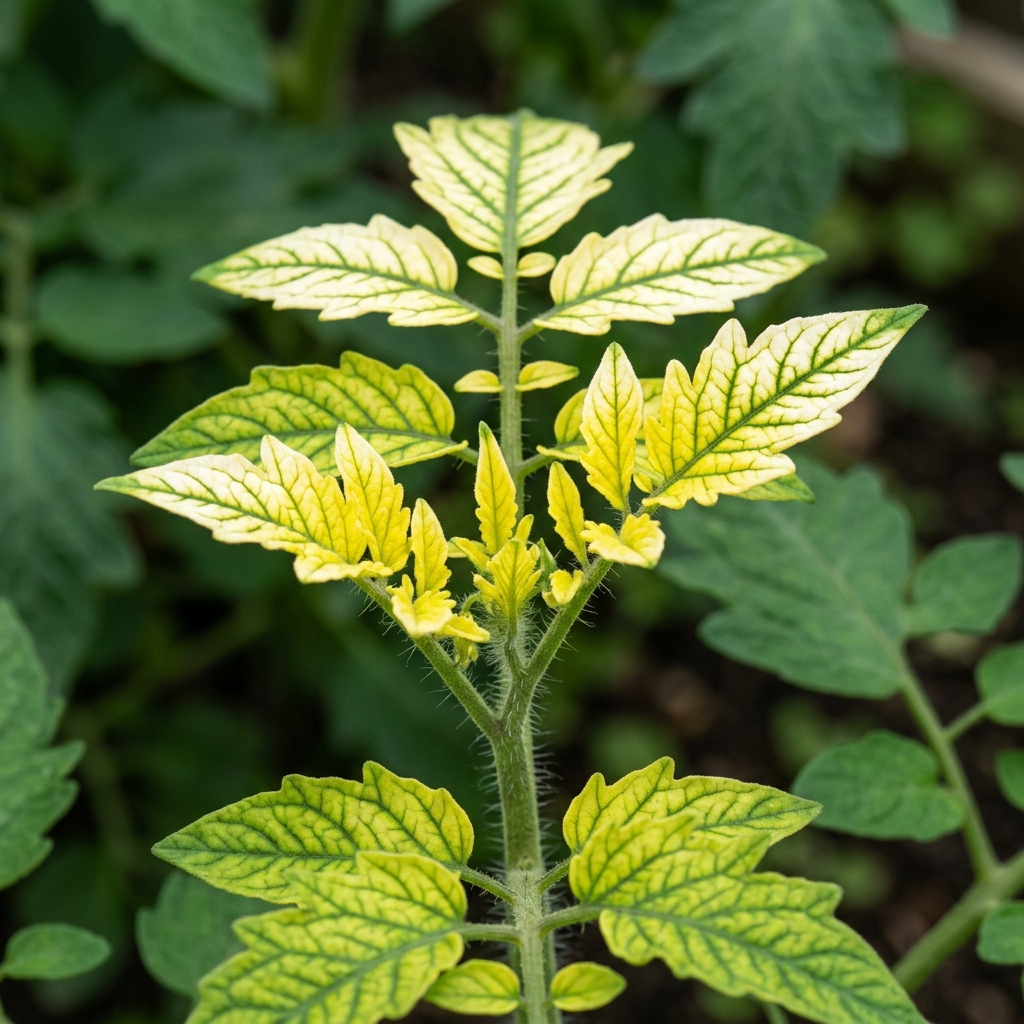
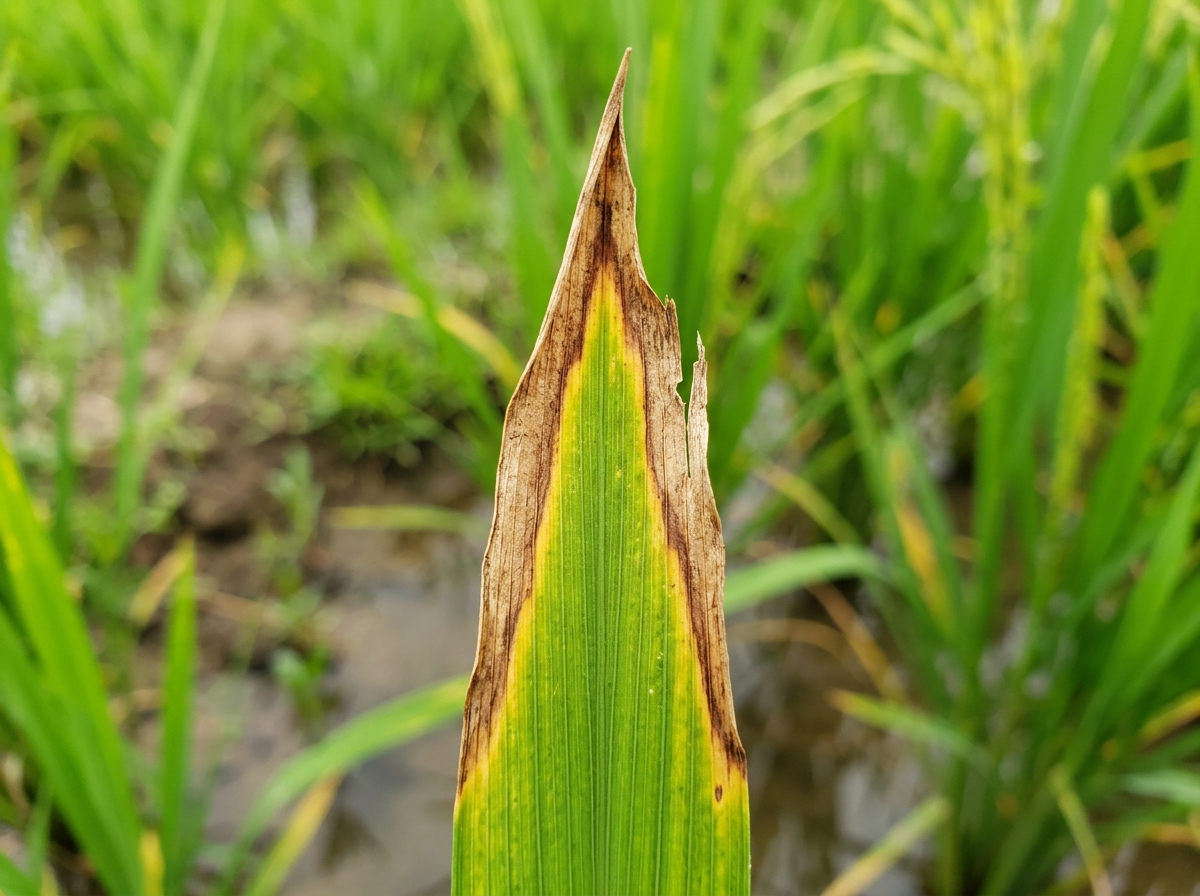
Older leaf margins turn yellow, then brown and papery, resulting in a distinct scorched border. Fruits develop uneven, blotchy ripening ('greenback' or yellow shoulder) and remain soft.
About Potassium Deficiency
Potassium deficiency in tomatoes impairs starch and sugar synthesis, resulting in poor fruit quality, uneven ripening, and reduced shelf-life. Tomatoes have high potassium demands during fruiting.
Nutrient Role & Deficiency Cause
Potassium deficiency in tomatoes impairs starch and sugar synthesis, resulting in poor fruit quality, uneven ripening, and reduced shelf-life. Tomatoes have high potassium demands during fruiting.
Seasonal Outbreak Calendar
Outbreak risk and activity timeline for Potassium Deficiency based on seasonal climate patterns:
Treatment & Correction Guide
Natural & Organic Methods
Chemical & Professional Control
Frequently Asked Questions
Why do the edges of tomato leaves turn brown and crispy?
Marginal leaf scorch is the signature symptom of potassium deficiency. Potassium regulates water balance and stomatal opening; when deficient, leaf margins dehydrate, turn chlorotic yellow, and quickly burn to a papery brown.
What causes green shoulders on ripe tomatoes?
Potassium deficiency impairs lycopene (red pigment) synthesis during fruit ripening, particularly when tomatoes are exposed to direct sunlight and high temperatures, resulting in hard yellow or green tops on ripe red tomatoes.
What is the best foliar spray for tomato potassium deficiency?
Water-soluble Potassium Nitrate (13-0-45) at 5–8 g/L or Monopotassium Phosphate (0-52-34) at 4–5 g/L. Foliar potassium is absorbed rapidly through the tomato leaf cuticle, showing benefits within 3–5 days.
Can I use wood ash to treat potassium deficiency in tomatoes?
Yes, wood ash contains 5–7% potassium carbonate. However, it is very alkaline and raises soil pH. Use it only if your soil pH is below 6.8, applying 50–80 kg/acre, and avoid contact with wet tomato leaves.
When is potassium demand highest in tomato plants?
Potassium uptake peaks during fruit swelling and color break. A tomato plant takes up more potassium than nitrogen during this period to fill fruit sugars, maintain firmness, and develop uniform red pigmentation.
Recommended diagnostics based on crop family and symptoms:
Remedy Disclaimer & Safety Notice
This disease guide is for educational screening purposes only. Pathogen behavior, severity, and host susceptibility can vary dramatically based on seed variety, weather conditions, and regional microclimates. Chemical pesticides and organic treatments are subject to strict regional environmental regulations and registration mandates. Please verify all chemical registrations and review manufacturer safety labels carefully with local certified agronomists or agricultural extension service offices before applying.