
Calcium Deficiency
Calcium Deficientia
How to Identify Calcium Deficiency on Tomato

Visible Symptoms
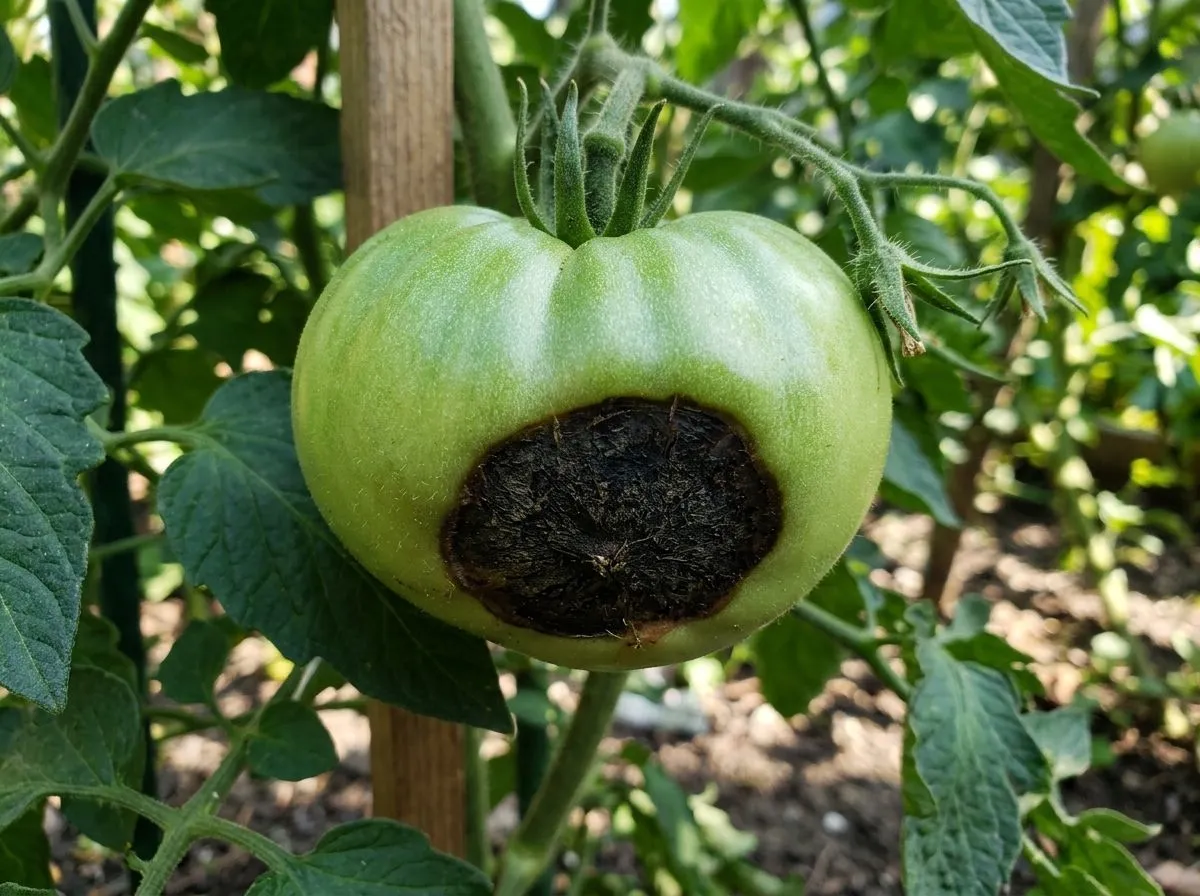
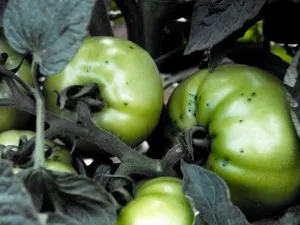
A water-soaked area appears at the blossom end (bottom) of the tomato fruit. This spot gradually enlarges, flattens, and turns into a dark brown or black, dry, leathery sunken scar. Affected fruits ripen prematurely and are unmarketable.
About Calcium Deficiency
Calcium deficiency in tomatoes is the primary cause of Blossom End Rot (BER). It occurs when calcium transport fails during rapid fruit cell wall development, often triggered by irregular watering rather than soil calcium absence.
Nutrient Role & Deficiency Cause
Calcium deficiency in tomatoes is the primary cause of Blossom End Rot (BER). It occurs when calcium transport fails during rapid fruit cell wall development, often triggered by irregular watering rather than soil calcium absence.
Seasonal Outbreak Calendar
Outbreak risk and activity timeline for Calcium Deficiency based on seasonal climate patterns:
Treatment & Correction Guide
Natural & Organic Methods
Chemical & Professional Control
Frequently Asked Questions
Can tomatoes with blossom-end rot be saved?
Individual fruits already showing black sunken scars cannot be healed and should be removed so the plant redirects energy to new blooms. However, correcting soil moisture and applying calcium prevents end rot on all subsequent fruit sets.
Why did my tomatoes get blossom-end rot when soil tests show high calcium?
Calcium moves into fruit strictly via water flow driven by transpiration. If soil dries out even briefly during rapid fruit cell division, calcium transport to the blossom end stops, causing cell walls to collapse regardless of how much calcium is in the soil.
How much Calcium Nitrate should I apply for blossom-end rot?
Through drip fertigation, apply 2.5–3 kg/acre weekly. For foliar emergency sprays, dissolve 4–5 g of Calcium Nitrate (or 3–4 g Calcium Chloride) per Liter of water and spray flower and fruit clusters directly.
Should I use lime or gypsum for tomato calcium deficiency?
Use Agricultural Lime (calcium carbonate) if your soil pH is acidic (below 6.2). Use Gypsum (calcium sulfate) if your soil pH is already optimal (6.2–6.8) or alkaline, because gypsum delivers calcium without raising soil pH.
Can high potassium cause calcium deficiency in tomatoes?
Yes. Cations compete for root absorption. Excess potassium (K+) or ammonium nitrogen (NH4+) competitively inhibits calcium (Ca2+) root uptake, especially during early fruit set.
Recommended diagnostics based on crop family and symptoms:
Remedy Disclaimer & Safety Notice
This disease guide is for educational screening purposes only. Pathogen behavior, severity, and host susceptibility can vary dramatically based on seed variety, weather conditions, and regional microclimates. Chemical pesticides and organic treatments are subject to strict regional environmental regulations and registration mandates. Please verify all chemical registrations and review manufacturer safety labels carefully with local certified agronomists or agricultural extension service offices before applying.