
Potassium Deficiency
Potassium Deficientia
How to Identify Potassium Deficiency on Rice (Paddy)

Visible Symptoms
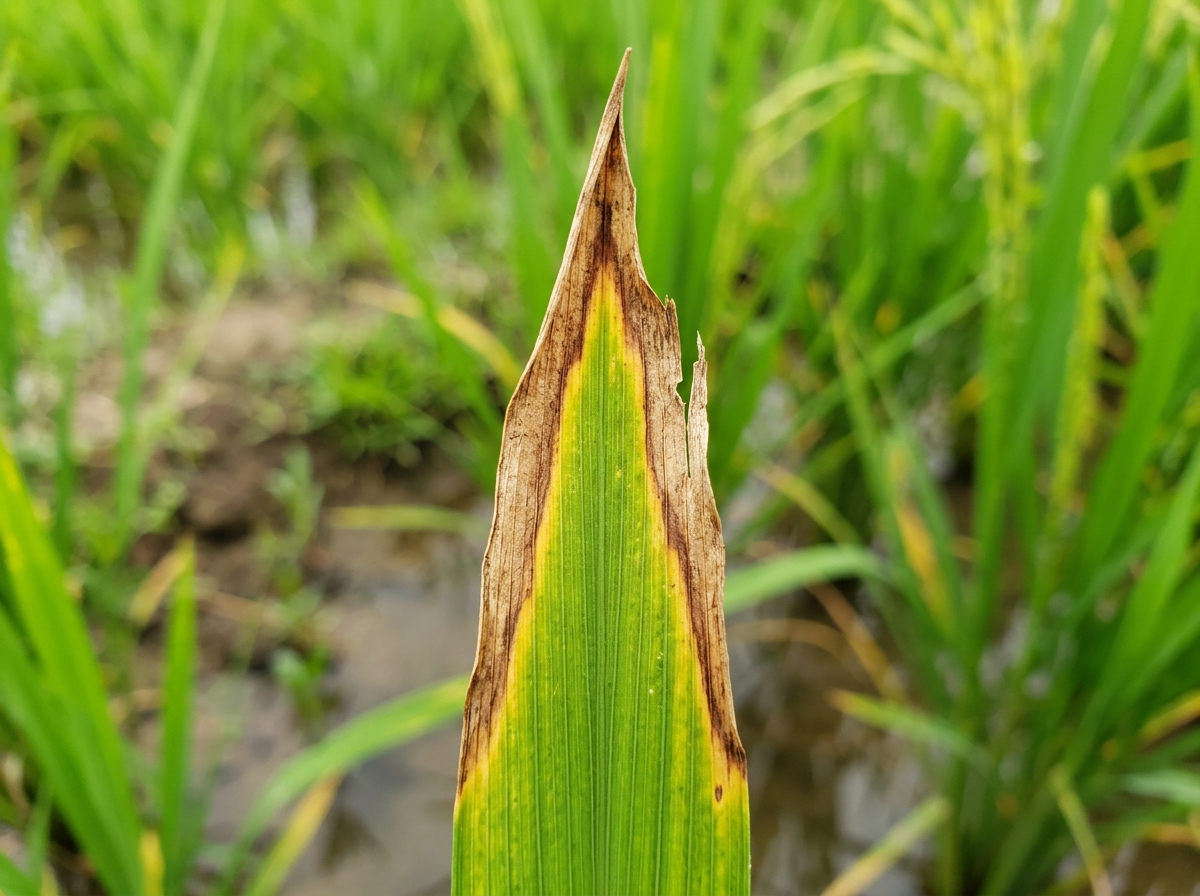
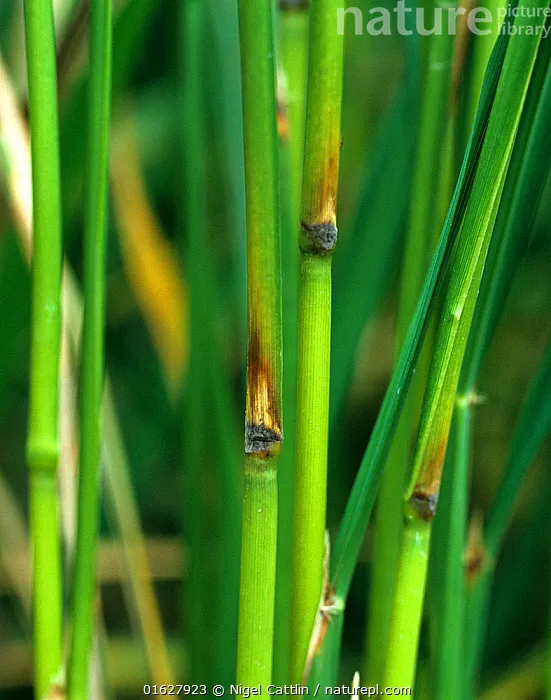
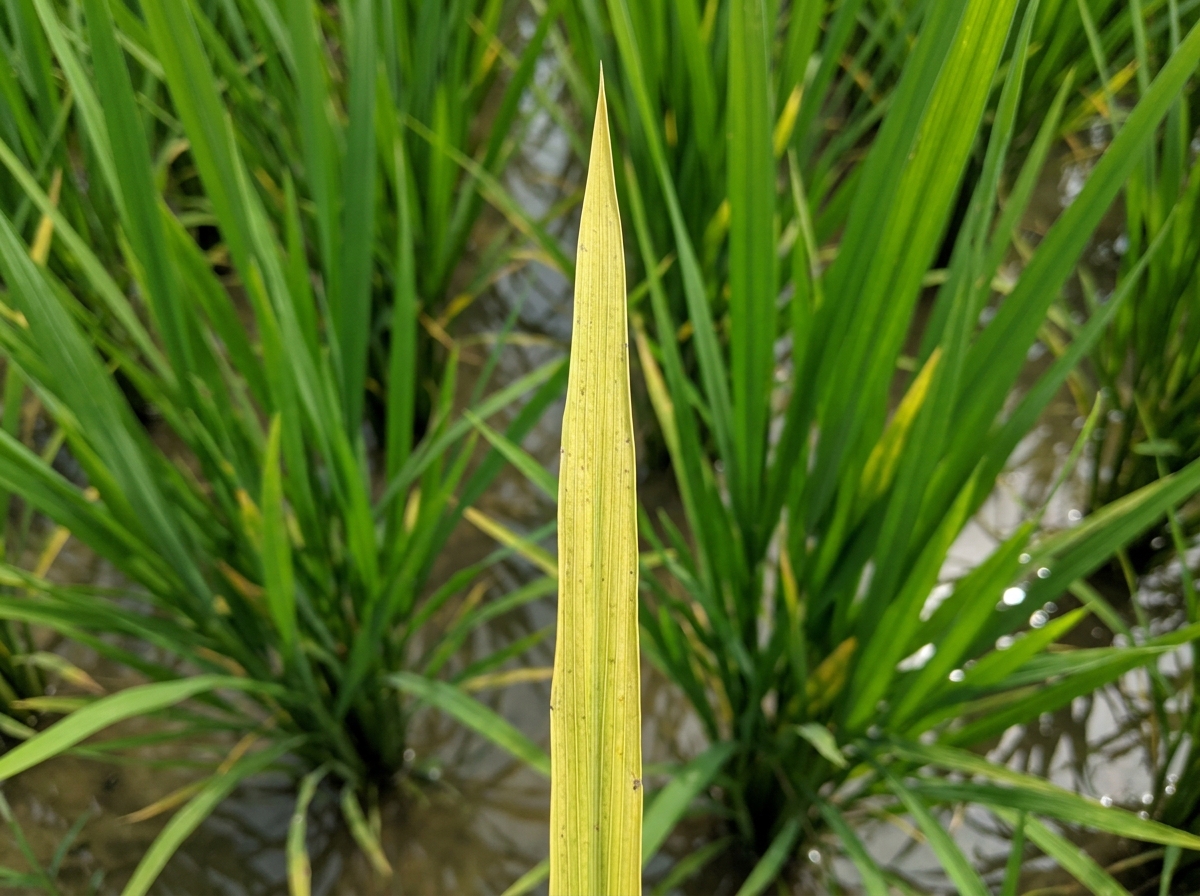
Yellowing of older leaf margins starting from the tips and progressing downwards. The yellowed edges eventually turn brown and dry up (leaf scorch). Dark brown necrotic spots may appear across leaf blades.
About Potassium Deficiency
Potassium deficiency severely impairs stomatal water regulation, enzyme activation, and stalk thickness in lowland rice. Deficient rice plants develop thin-walled hollow stems susceptible to lodging, and show significantly higher susceptibility to Brown Spot (Bipolaris) and Rice Blast infections.
Nutrient Role & Deficiency Cause
Potassium deficiency severely impairs stomatal water regulation, enzyme activation, and stalk thickness in lowland rice. Deficient rice plants develop thin-walled hollow stems susceptible to lodging, and show significantly higher susceptibility to Brown Spot (Bipolaris) and Rice Blast infections.
Seasonal Outbreak Calendar
Outbreak risk and activity timeline for Potassium Deficiency based on seasonal climate patterns:
Treatment & Correction Guide
Natural & Organic Methods
Chemical & Professional Control
Frequently Asked Questions
How can I tell potassium deficiency apart from fungal Brown Spot (Bipolaris oryzae) in paddy fields?
Potassium deficiency creates uniform marginal scorch starting at the leaf tip, and brown speckling is concentrated strictly along older lower leaves. Fungal Brown Spot produces round-to-oval lesions with distinctive grey/yellow halos distributed randomly across both young and old leaves.
Why is splitting MOP fertilizer into two doses better than applying all potassium at transplanting?
In flooded soils, especially sandy loam soils, potassium (K+) leaches downward below the root zone. Applying 50% basal and 50% at Panicle Initiation ensures maximum potassium availability when the crop is rapidly building the stem and filling grain, preventing late-season leaf firing.
How does potassium prevent rice crop lodging (plants falling flat in the mud)?*
Potassium promotes thick, lignified sclerenchyma cell walls in lower stem internodes and enhances silica uptake, enabling the culms to stay erect under heavy panicle loads and rainstorms.
How much potassium is removed by harvesting paddy straw?
Over 80% of total plant potassium remains in the straw at harvest (around 15–20 kg K2O per ton of straw). If straw is burned or removed completely from the farm, the soil is rapidly stripped of potassium unless replenished with MOP or recycled straw.
Why does potassium deficiency cause chalky and empty grains in rice?
Potassium activates starch synthase, the key enzyme converting leaf sucrose into grain starch. When K is deficient, carbohydrate translocation into developing spikelets ceases, leaving grains partially filled, chalky, or completely empty (chaffy panicles).
Recommended diagnostics based on crop family and symptoms:
Remedy Disclaimer & Safety Notice
This disease guide is for educational screening purposes only. Pathogen behavior, severity, and host susceptibility can vary dramatically based on seed variety, weather conditions, and regional microclimates. Chemical pesticides and organic treatments are subject to strict regional environmental regulations and registration mandates. Please verify all chemical registrations and review manufacturer safety labels carefully with local certified agronomists or agricultural extension service offices before applying.