
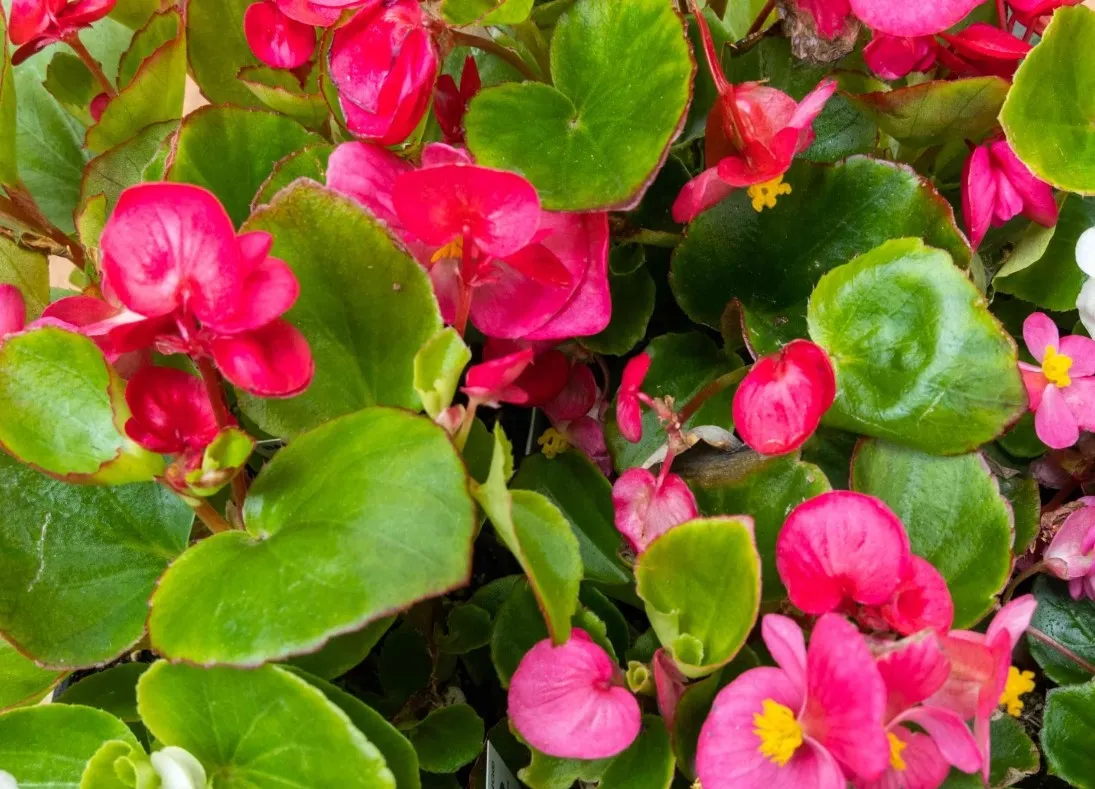
Begonia
Begonia
How to Identify Begonia
Care & Growing Guide
Seasonal Blooming & Hardiness
Seasonal Blooming Calendar:
- Peak Bloom: Summer (typically June through September).
- Planting Time: Sow seeds directly outdoors in early spring after the last frost, or transplant nursery starts in late spring.
Bloom Timeline
About Begonia
The Begonia, belonging to the remarkably diverse Begoniaceae family, is one of the most popular and versatile genera in the horticultural world, prized equally for its spectacular blossoms and dramatic, ornamental foliage. Comprising over 2,000 distinct species and thousands of cultivated varieties, this genus is native to the warm, moist, shaded understories of tropical and subtropical regions across South America, Central America, Africa, and Southeast Asia. From small, low-growing houseplants to upright, woody cane varieties, begonias have adapted beautifully to indoor and outdoor environments globally.
Begonias are immediately recognizable by their distinctive asymmetric or lopsided leaves, which often feature a skewed, heart-shaped or wing-like base. The foliage comes in an extraordinary array of patterns and metallic textures—particularly in Rex Begonias—ranging from rich forest greens, deep burgundies, and hot pinks to shimmering silver bands and polka-dot patterns (as seen in Angel Wing Begonias). Their flowers are equally varied and beautiful, appearing in shades of red, pink, white, orange, and golden yellow. The blooms range from simple, single petals to large, elaborate, ruffled doubles resembling roses.
The reproductive blueprint of the genus is represented by the dual floral formulas % ♂ P2-4 A∞ G0 and % ♀ P2-5 A0 G(2-3), indicating that begonias are monoecious with separate male and female flowers occurring on the same plant. Male flowers are bilaterally symmetrical, featuring 2 to 4 showy, petaloid tepals and a prominent central cluster of numerous bright yellow stamens. Female flowers feature 2 to 5 tepals, no stamens, and a syncarpous gynoecium of 2 to 3 fused carpels forming a single inferior ovary, which is highly characterized by 3 distinct, paper-thin, winged projections.
Cultivating begonias successfully depends on matching their specific class—tuberous, fibrous-rooted, or rhizomatous. Generally, they thrive in bright, filtered, indirect light, as direct, harsh sunlight can quickly burn their delicate, succulent leaves and stems. They require organic-rich, porous, slightly acidic potting soils with exceptional drainage. Although they enjoy consistent, moderate moisture and high relative humidity, they are highly sensitive to soggy soils and overwatering, which can lead to stem rot and powdery mildew.
Named by Charles Plumier in honor of Michel Bégon, a 17th-century French patron of science and governor of the Caribbean island of Haiti, begonias have rich cultural and culinary history. The succulent leaves and stems of many species contain oxalic acid, giving them a pleasant, tart, sour flavor, and they are harvested in some tropical countries as an emergency salad green or culinary herb. In the language of flowers, begonias carry a complex meaning, symbolizing cautious warning, deep thoughts, and the preservation of peaceful, harmonious balance.
Pet owners must take significant care when incorporating begonias into their living spaces. All species of Begonia are classified as TOXIC to cats and dogs by major veterinary health organizations. The primary toxic agents are soluble calcium oxalate crystals, which are concentrated heavily in the underground tubers and succulent stems. If chewed or ingested, these needle-like crystals cause intense oral irritation, burning of the tongue and lips, excessive drooling, vomiting, and difficulty swallowing. To ensure a safe, beautiful environment for your pets, please consult our Pet Guard safety listings.
Begonias are sometimes confused with Impatiens or certain Peperomia species due to their succulent stems and shaded habitat. They are easily distinguished by their completely asymmetric leaf bases, their separate male and female blooms on the same stem, and the distinctive winged ovaries of the female flowers. They serve as exceptional container plants alongside other shade-lovers; we suggest pairing them with Anthurium or Balsam. To learn more about identifying other shade-dwelling tropical plants, visit our Flower Identifier.
Floral Formula & Features
Bilaterally symmetrical, unisexual flowers. Male: 2-4 tepals, numerous stamens, no pistil. Female: 2-5 tepals, no stamens, 2-3 fused carpels with inferior ovary and distinctive winged ovary
- Scientific Name & Classification: Begonia (Begoniaceae). Known widely as Rex Begonia, Wax Begonia, and Angel Wing Begonia.
- Identification Markers: Highly asymmetric, lopsided leaves with metallic sheens and spots. Separate male and female flowers on the same plant, with female flowers featuring a 3-winged ovary.
- Floral Formula (♂ % P2-4 A∞ G0 | ♀ % P2-5 A0 G(2-3)): Unisexual, bilaterally symmetrical flowers with inferior, winged ovaries on female blooms.
- Growing Requirements: Bright indirect light or shade; well-drained organic acidic soil. Highly sensitive to soggy soil and cold drafty temperatures (Zones 9-11).
- Cultural Significance: Named after Caribbean governor Michel Bégon; foliage contains sour-tasting oxalic acid. Symbolizes deep thoughts and caution.
- Safety & Toxicity: TOXIC TO PETS. Soluble calcium oxalates cause intense mouth irritation, drooling, vomiting, and swallowing difficulties if chewed.
- Common Look-alikes: Confused with Impatiens or Peperomias, but distinguished by lopsided leaves and three-winged female ovaries.
- Internal Links: Pairs magnificently in hanging shade baskets alongside Balsam or indoor tropical Anthurium; find more foliage varieties in our Flower Identifier.
Names in Different Languages
Toxicity & Safety
Always keep toxic plants out of reach of children and pets. Consult a veterinarian or medical professional immediately if ingestion is suspected.
Pet Safety Guide: For detailed toxicity symptoms, first-aid measures, and safe garden alternatives, see our full Pet Guard Profile for Begonia.
Frequently Asked Questions
What is Floral Formula?
A floral formula is a symbolic representation of a flower's structure using letters, numbers, and special symbols. It provides a concise way to describe the arrangement and number of floral parts.
This formula describes the flower's symmetry, sepals, petals, stamens, and carpels in a standardized format.
Formula Sequence
- Bract: Br or Ebr
- Bracteole: Brl or Ebrl
- Symmetry: % (Radial) or ⊕ (Bilateral)
- Sex: ♀ (Female), ♂ (Male), or ⚥ (Bisexual)
- Calyx/Sepal: K<number> (Free or Fused)
- Corolla/Petal: C<number> (Free or Fused)
- Androecium: A<number> (Free or Fused)
- Gynaecium: G<number> (Superior or Inferior Ovary)
Symbol Meanings
- Numbers: Indicate quantity of parts
- Parentheses (): Parts are fused together
- Plus (+): Parts in different whorls
- Underline: Superior ovary position
- Overline: Inferior ovary position
- ∞: Numerous parts (too many to count)
Understanding floral formulas helps botanists quickly identify and classify flowers based on their structural characteristics.
Similar Flowers
Discover flowers that share botanical characteristics
Similar Characteristics
4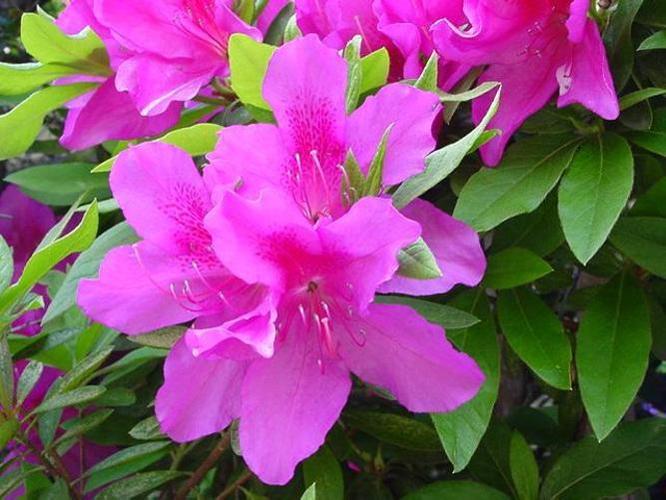
Azalea
Rhododendron (subgenus Tsutsusi)
The Azalea, botanically classified as Rhododendron (specifically under the subgenera Tsutsusi and Pentanthera) and belonging to the family Ericaceae (the heath family), is an exceptionally spectacular, heavy-blooming woody perennial shrub. Native primarily to the cool, damp woodlands, mountain sl...
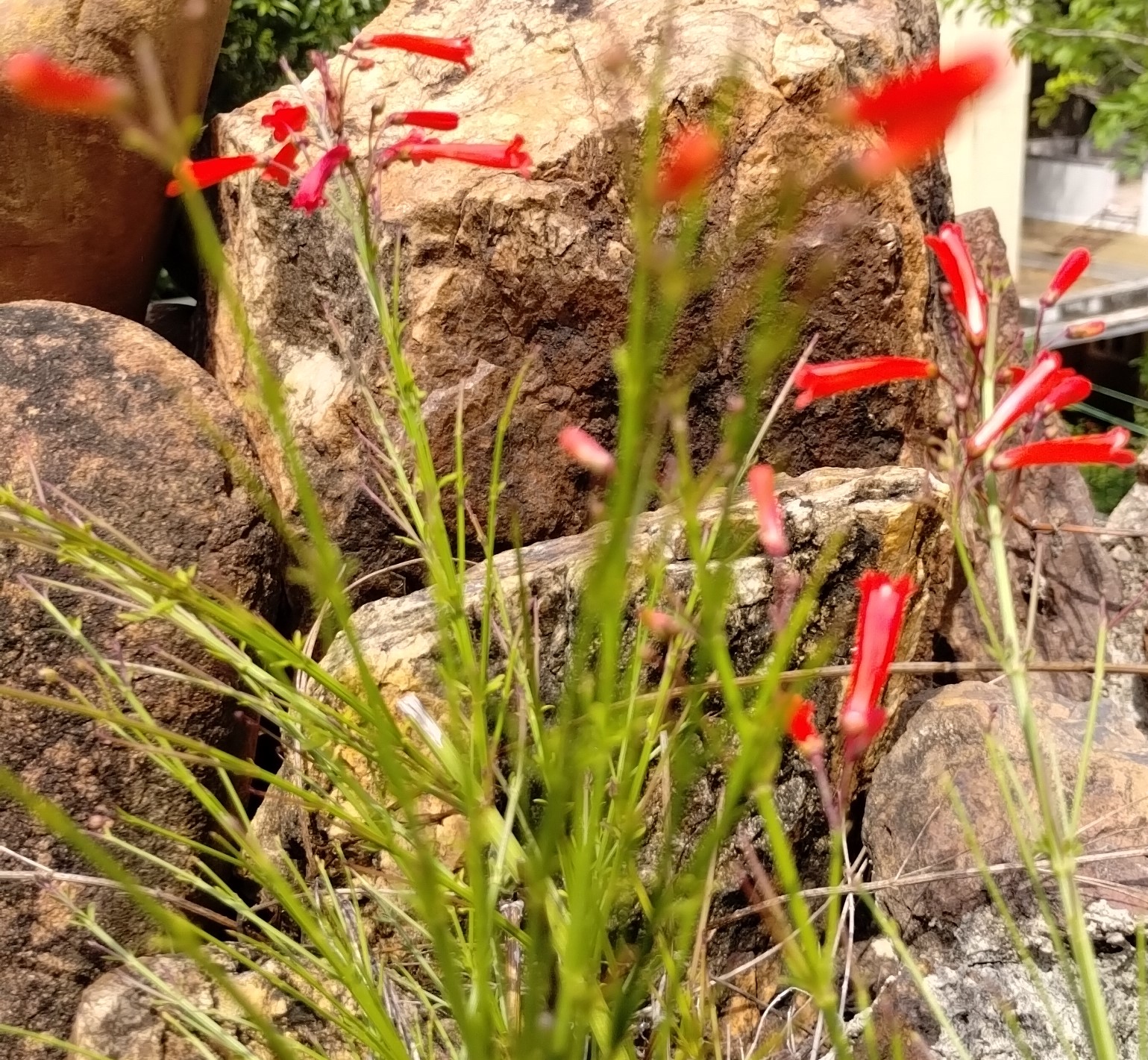
Russelia (Coral Fountain)
Russelia equisetiformis
Russelia, botanically designated as Russelia equisetiformis and popularly celebrated as the Coral Fountain or Firecracker Plant, is a spectacular, weeping tropical subshrub belonging to the Plantaginaceae (plantain) family. Native to the warm, sun-drenched woodlands and dry limestone rocky cliffs...
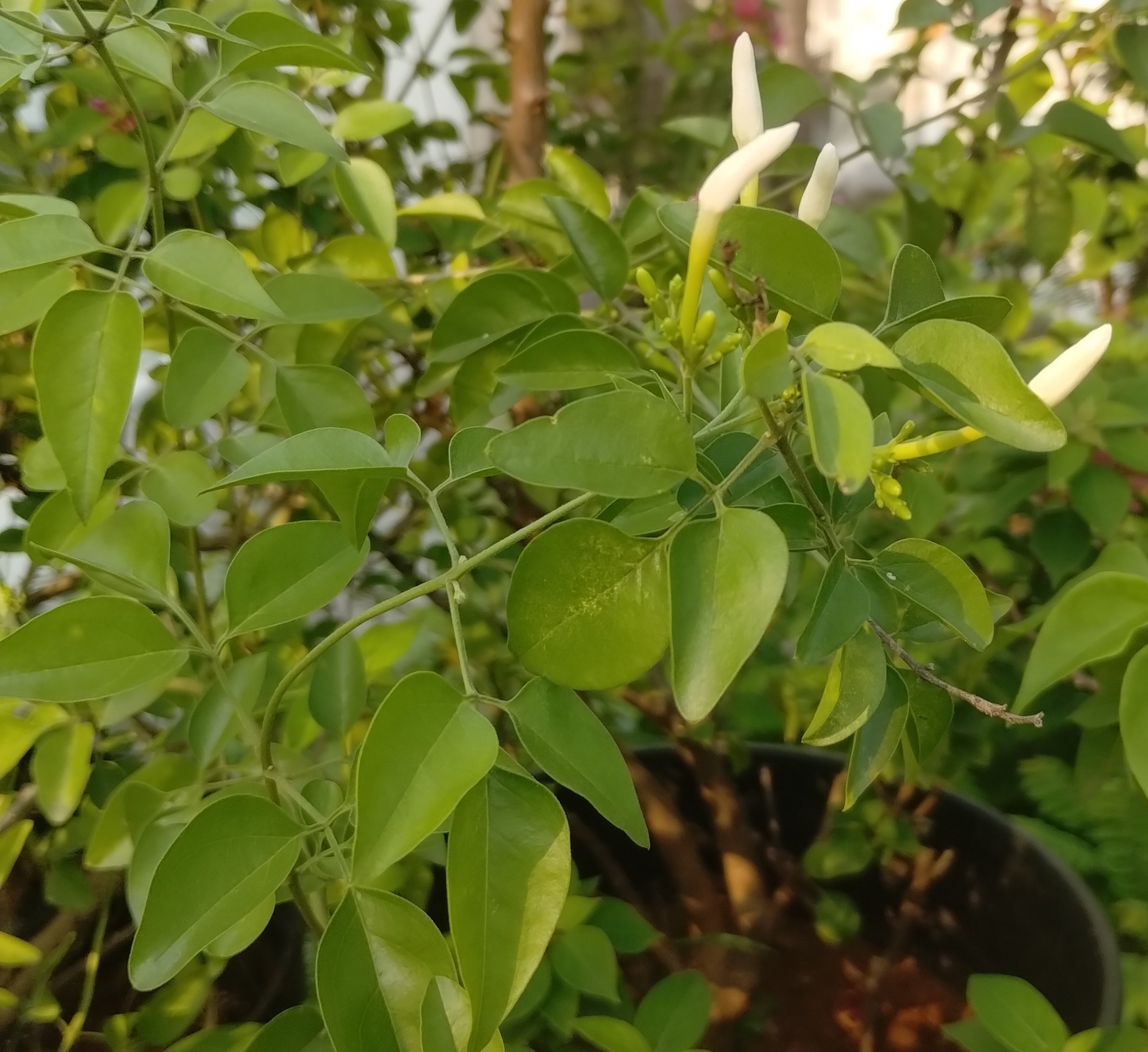
River Jasmine (Fluminense)
Jasminum fluminense
Jasminum fluminense, commonly known as the River Jasmine or Brazilian Jasmine—and widely known across South Asia as Nitya Malli or Nithya Malligai (meaning 'ever-blooming jasmine')—is a vigorous and aromatic evergreen climber that embodies the lush, tropical essence of South America. Native to th...
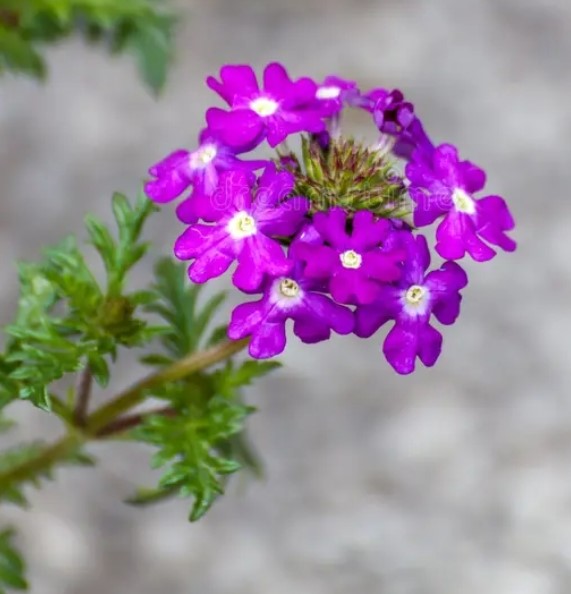
Verbena
Verbena
The Verbena, botanically classified under the genus Verbena and belonging to the family Verbenaceae (the verbena or vervain family), is an exceptionally tough, colorful, and resilient perennial (often cultivated as a warm-season annual in cooler temperate zones). Native primarily to the sunny gra...