
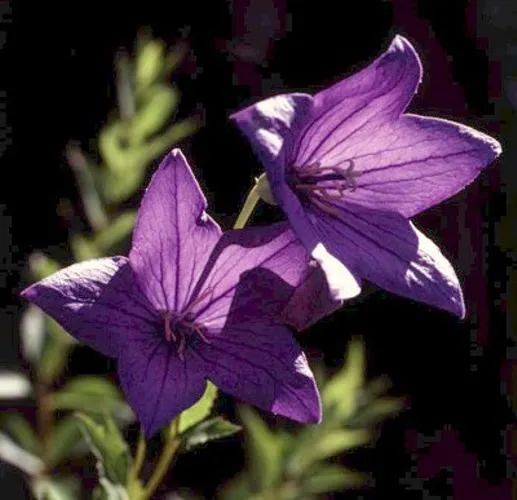
Balloon
Platycodon grandiflorus
How to Identify Balloon
NON-TOXIC. Safe for dogs, cats, and horses, making them a whimsical and secure addition for curious pets and kids.
Care & Growing Guide
Seasonal Blooming & Hardiness
Seasonal Blooming Calendar:
- Peak Bloom: Late winter to early spring.
- Planting Time: Sow seeds directly outdoors in early spring after the last frost, or transplant nursery starts in late spring.
Bloom Timeline
About Balloon
The Balloon Flower, scientifically known as Platycodon grandiflorus and commonly called the Chinese Bellflower or Japanese Bellflower, is an exceptionally charming herbaceous perennial belonging to the Campanulaceae (bellflower) family. Native to the grassy slopes, meadows, and forest margins of East Asia—including China, Japan, Korea, and Eastern Russia—this cold-hardy plant has been a beloved favorite in traditional gardens for centuries. It is celebrated for its unique, whimsical flower buds that inflate like small, air-filled balloons before popping open into spectacular, star-shaped blossoms.
Growing in neat, upright clumps that reach 1 to 4 feet tall and 1 to 2 feet wide, this plant features smooth, bluish-green, ovate leaves with serrated margins that grow in whorls along the sturdy stems. The flowers measure 2 to 3 inches across and are shaped like flat, broad bells with 5 pointed lobes. While rich violet-blue is the classic and most popular color, cultivars in pristine white, soft pink, and deep purple are also widely grown. The flower buds are the highlight of the plant's seasonal cycle, swelling into perfect, five-sided inflated pouches before opening.
The architectural blueprint of this plant is defined by the floral formula ⊕ ⚥ K(5) C(5) A5 G(5). This indicates that the flower is radially symmetrical (actinomorphic) and bisexual. It features a calyx of 5 fused sepals and a corolla of 5 fused petals forming the iconic balloon-shaped bud and flared star-like bell. The androecium consists of 5 free stamens, while the gynoecium is composed of 5 fused carpels forming a single superior ovary with axile placentation and 5 distinct radiating stigma lobes.
Balloon Flowers are exceptionally hardy and low-maintenance, thriving in USDA zones 3 through 9, making them capable of withstanding severe winter freezes. They prefer full sun to partial shade—benefiting from light afternoon shade in hot southern climates. They do best in deep, rich, moist but well-draining loamy soils. Once established, they are moderately drought-tolerant due to their thick, fleshy taproots, but they highly resent being transplanted or divided because these deep roots are easily damaged.
The genus name Platycodon is derived from the Greek words for 'broad' and 'bell,' while the species name grandiflorus means 'large-flowered.' In Korean culture, it is known as Doraji and its roots are a staple culinary ingredient in dishes like Doraji-namul, as well as a cornerstone of traditional herbal medicine for treating coughs and respiratory ailments. In Japanese culture, it is known as Kikyō, symbolizing endless love, honesty, and obedience, and is one of the traditional seven flowers of autumn. It is known as 桔梗 (Jiégěng) in Chinese.
From a safety standpoint, the Balloon Flower is a highly recommended selection for pet-safe landscaping. It is classified as completely NON-TOXIC to cats, dogs, and horses. Families can safely plant these whimsical balloons in front-of-border beds, container gardens, or sensory children's gardens without any risk of toxicity if chewed on by curious pets. For a complete and optimized directory of pet-safe perennials, check our Pet Guard safety catalog.
Balloon Flowers are often confused with other bellflowers in the Campanulaceae family, such as Canterbury Bells (Campanula medium). They are easily distinguished by their unique balloon-like flower buds, their flat star-shaped blossoms, and their shorter, clump-forming habit rather than tall, hairy biennial spikes. They make stunning additions to cottage borders; we recommend pairing them with Canterbury Bells or Sweet Pea. To see more members of the Campanulaceae family, visit our Flower Identifier.
Floral Formula & Features
Radially symmetrical, bisexual, 5 fused sepals, 5 fused petals, 5 free stamens, 5 fused carpels with inferior ovary
- Scientific Name & Classification: Platycodon grandiflorus (Campanulaceae). Commonly known as Chinese Bellflower, Japanese Bellflower, and Balloon Flower.
- Identification Markers: Whimsical inflated five-sided flower buds resembling miniature balloons. Upright clumps of bluish-green serrated opposite leaves.
- Floral Formula (⊕ ⚥ K(5) C(5) A5 G(5)): Radially symmetrical, bisexual flower. Fused bell-shaped 5-lobed corolla, 5 stamens, and 5 fused carpels.
- Growing Requirements: Full sun to partial shade; prefers moist, fertile, deep loamy soils. Extremely cold-hardy (Zones 3-9); dislikes root disturbance.
- Cultural Significance: Known as 'Doraji' in Korea; roots are culinary staple and popular medicinal chest remedy. Symbolizes endless love and honesty.
- Safety & Toxicity: NON-TOXIC. Safe for dogs, cats, and horses, making them a whimsical and secure addition for curious pets and kids.
- Common Look-alikes: Often confused with Canterbury Bells or other Campanula bellflowers, but distinguished by inflated buds, flat star-like opening, and shorter clumping habit.
- Internal Links: Integrates elegantly in mixed garden borders paired with Canterbury Bells or Sweet Pea; find more Campanulaceae in our Flower Identifier.
Names in Different Languages
Botanical Classification: Balloon belongs to the Campanulaceae family. Learn how to identify its floral symmetry, stamen arrangement, and structural formulas in our Botanical Family Classification Guide.
Toxicity & Safety
Frequently Asked Questions
What is Floral Formula?
A floral formula is a symbolic representation of a flower's structure using letters, numbers, and special symbols. It provides a concise way to describe the arrangement and number of floral parts.
This formula describes the flower's symmetry, sepals, petals, stamens, and carpels in a standardized format.
Formula Sequence
- Bract: Br or Ebr
- Bracteole: Brl or Ebrl
- Symmetry: % (Radial) or ⊕ (Bilateral)
- Sex: ♀ (Female), ♂ (Male), or ⚥ (Bisexual)
- Calyx/Sepal: K<number> (Free or Fused)
- Corolla/Petal: C<number> (Free or Fused)
- Androecium: A<number> (Free or Fused)
- Gynaecium: G<number> (Superior or Inferior Ovary)
Symbol Meanings
- Numbers: Indicate quantity of parts
- Parentheses (): Parts are fused together
- Plus (+): Parts in different whorls
- Underline: Superior ovary position
- Overline: Inferior ovary position
- ∞: Numerous parts (too many to count)
Understanding floral formulas helps botanists quickly identify and classify flowers based on their structural characteristics.
Similar Flowers
Discover flowers that share botanical characteristics
Same Family
3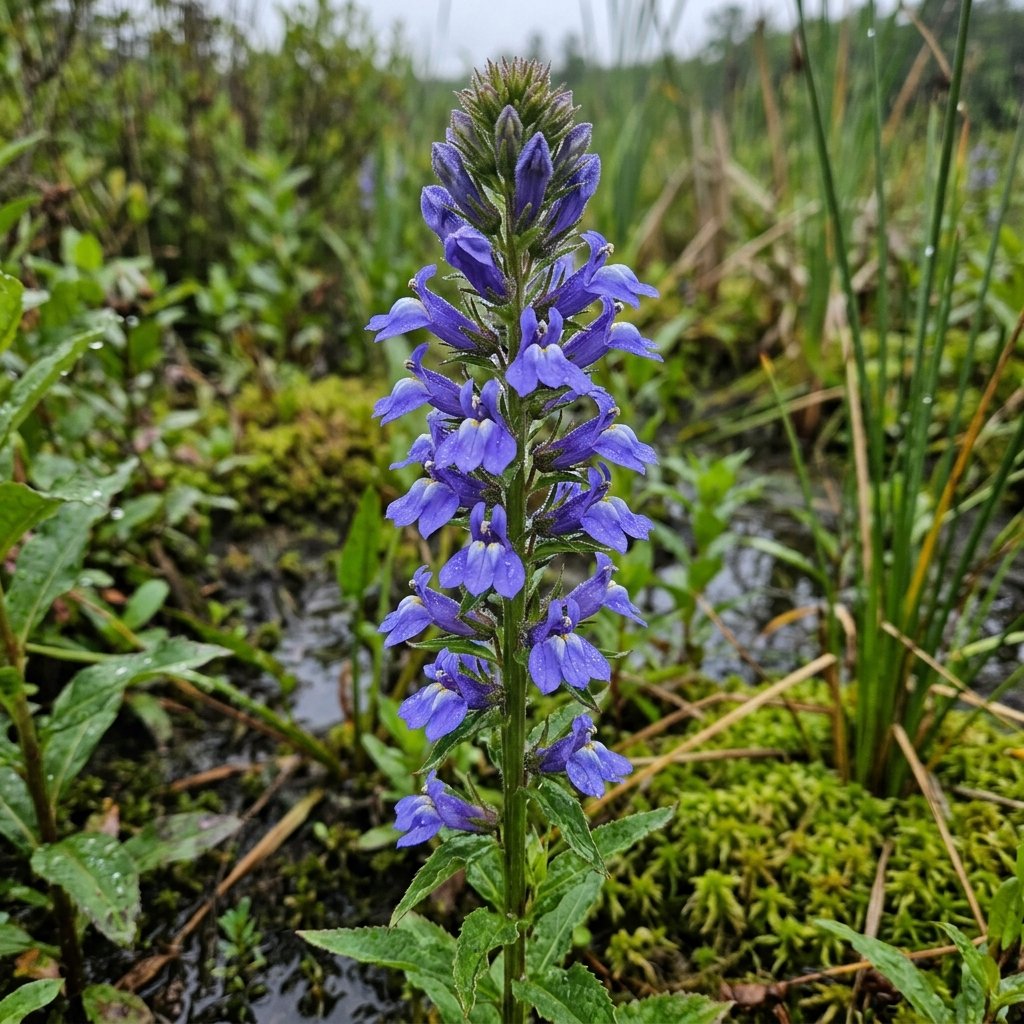
Great Blue Lobelia
Lobelia siphilitica
Great Blue Lobelia (*Lobelia siphilitica*) is a stunning native wildflower of eastern North America, producing tall spikes of vivid blue-violet to true blue flowers from late summer through fall in moist meadows, stream banks, and woodland edges. The blue-flowered counterpart to the scarlet Cardi...
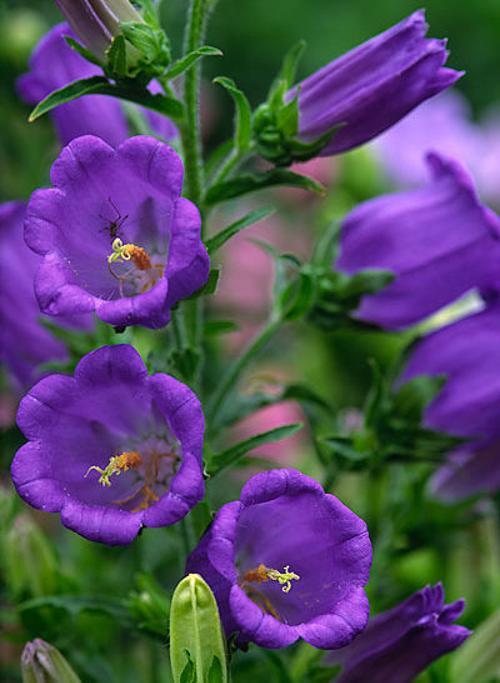
Canterbury bells
Campanula medium
Campanula medium, commonly known as Canterbury Bells, is a quintessential cottage garden biennial that brings a sense of Victorian elegance and whimsical charm to any landscape. Belonging to the Campanulaceae family, this species is native to the sun-drenched hills of Southern Europe, particularl...
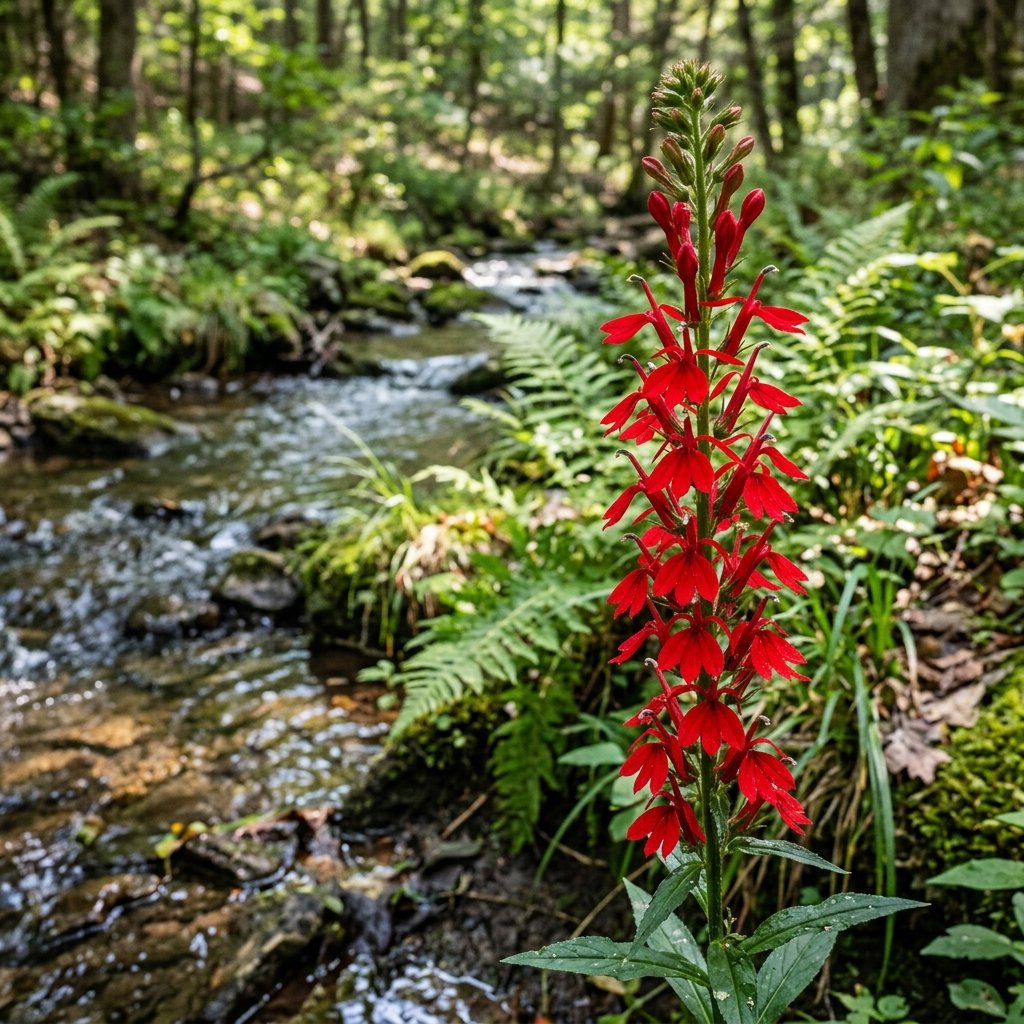
Cardinal Flower
Lobelia cardinalis
Cardinal Flower (*Lobelia cardinalis*) produces one of the most intensely saturated, brilliant scarlet-red flower spikes in all of North American horticulture, a vivid column of color that dominates moist meadows, stream banks, and woodland edges from July through September. Native throughout muc...