
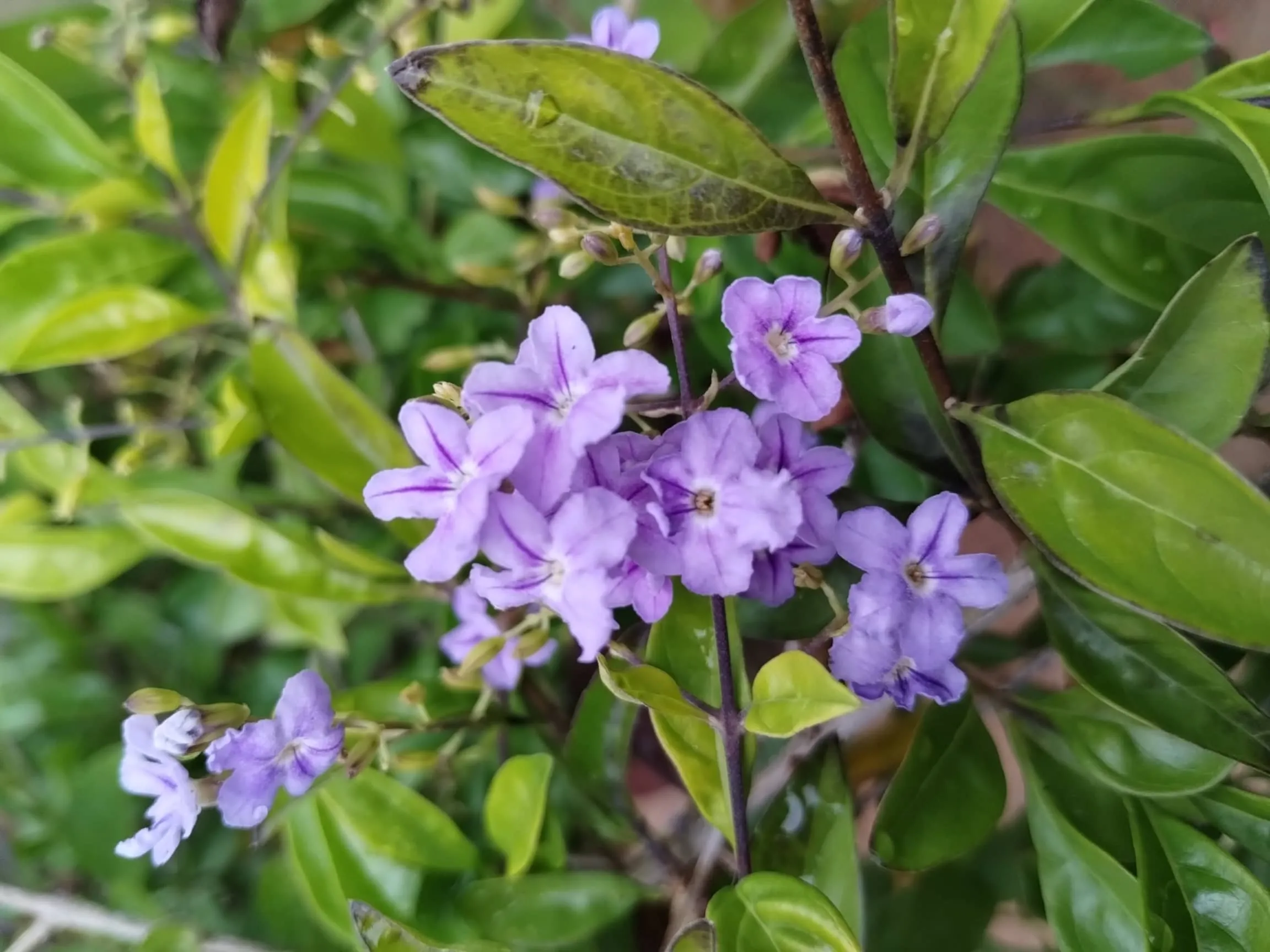
Golden Dewdrop (Duranta)
Duranta erecta
How to Identify Golden Dewdrop (Duranta)
Care & Growing Guide
Seasonal Blooming & Hardiness
Seasonal Blooming Calendar:
- Peak Bloom: Summer (typically June through September).
- Planting Time: Sow seeds directly outdoors in early spring after the last frost, or transplant nursery starts in late spring.
Bloom Timeline
About Golden Dewdrop (Duranta)
Duranta erecta, commonly known as Golden Dewdrop, Pigeon Berry, or Skyflower, is a sprawling, fast-growing evergreen shrub belonging to the Verbenaceae family. Native to the Americas from Mexico and the Caribbean down to South America, it has been widely introduced across tropical and subtropical regions globally. It is heavily cultivated for its dual ornamental appeal: brilliant, cascading blossoms followed closely by striking, golden-yellow fruit that drape beautifully over walls and trellises.
The plant features graceful, drooping, axillary racemes (clusters) of small, tubular flowers. The five-lobed petals are typically a vivid light blue, lavender, or purple, often delicately edged in white and featuring two prominent dark purple stripes. The ovate, bright green leaves are sometimes slightly toothed, and mature stems may develop sharp axillary spines. After flowering, it produces dense, heavy clusters of bright yellow or orange spherical berries—the namesake 'golden dewdrops'—which often remain on the plant simultaneously with new blooms.
The floral formula for Duranta erecta is Br % ⚥ K(5) C(5) A4 G(2). This denotes a bracteate, bilaterally symmetrical, and bisexual flower. It features a calyx of 5 fused sepals, a tubular corolla of 5 fused petals, 4 stamens, and a superior ovary comprised of 2 fused carpels. This tubular structure makes it highly attractive to deep-probing pollinators like butterflies and hummingbirds.
Duranta thrives in full sun to partial shade, requiring at least 6 hours of direct sunlight for the best floral and fruit displays. It prefers rich, well-draining soil and regular watering, but mature plants exhibit excellent drought and salt tolerance. It is hardy in USDA zones 8-11 and can grow vigorously to 10-18 feet tall if left unpruned, making it a popular choice for privacy hedges.
While highly prized in landscaping, Duranta comes with a severe warning. It is HIGHLY TOXIC to humans, dogs, and cats. The leaves and especially the golden berries contain toxic saponins. Ingestion can cause severe gastrointestinal illness, fever, drowsiness, and convulsions. Paradoxically, the berries are a favorite food source for many bird species, which eat them without any ill effects and subsequently disperse the seeds.
It is often confused with standard Verbena or Plumbago. Plumbago has similar cascading blue flowers but lacks the golden berries, possesses sticky flower bases, and does not grow into a thorny, woody shrub. Contrast this with the safe, pet-friendly Aster or explore more tropicals in our Flower Identifier.
Floral Formula & Features
Bracteate, bilaterally symmetrical, bisexual, 5 fused sepals, 5 fused petals, 4 stamens, 2 fused carpels with superior ovary
- Scientific Name & Classification: Duranta erecta (Verbenaceae). Also known as Skyflower and Pigeon Berry.
- Identification Markers: Drooping clusters of light blue/purple tubular flowers. Produces heavy clusters of distinct golden-yellow spherical berries.
- Floral Formula (Br % ⚥ K(5) C(5) A4 G(2)): Bilaterally symmetrical, bisexual, 5 fused sepals, 5 fused petals, 4 stamens, 2 fused carpels.
- Growing Requirements: Full sun for best blooms. Fast-growing, adaptable to most soils, drought and salt tolerant once established. USDA zones 8-11.
- Cultural Significance: A staple in tropical landscaping for privacy hedges and butterfly gardens due to its year-round color.
- Safety & Toxicity: HIGHLY TOXIC. The leaves and golden berries contain saponins that are poisonous to humans, dogs, and cats, though safe for wild birds.
- Common Look-alikes: Often confused with Plumbago, which has similar blue flowers but never produces golden berries.
- Internal Links: Compare with the toxic but beautiful Hydrangea or check the Flower Identifier.
Names in Different Languages
Toxicity & Safety
Always keep toxic plants out of reach of children and pets. Consult a veterinarian or medical professional immediately if ingestion is suspected.
Frequently Asked Questions
What is Floral Formula?
A floral formula is a symbolic representation of a flower's structure using letters, numbers, and special symbols. It provides a concise way to describe the arrangement and number of floral parts.
This formula describes the flower's symmetry, sepals, petals, stamens, and carpels in a standardized format.
Formula Sequence
- Bract: Br or Ebr
- Bracteole: Brl or Ebrl
- Symmetry: % (Radial) or ⊕ (Bilateral)
- Sex: ♀ (Female), ♂ (Male), or ⚥ (Bisexual)
- Calyx/Sepal: K<number> (Free or Fused)
- Corolla/Petal: C<number> (Free or Fused)
- Androecium: A<number> (Free or Fused)
- Gynaecium: G<number> (Superior or Inferior Ovary)
Symbol Meanings
- Numbers: Indicate quantity of parts
- Parentheses (): Parts are fused together
- Plus (+): Parts in different whorls
- Underline: Superior ovary position
- Overline: Inferior ovary position
- ∞: Numerous parts (too many to count)
Understanding floral formulas helps botanists quickly identify and classify flowers based on their structural characteristics.
Similar Flowers
Discover flowers that share botanical characteristics
Same Family
2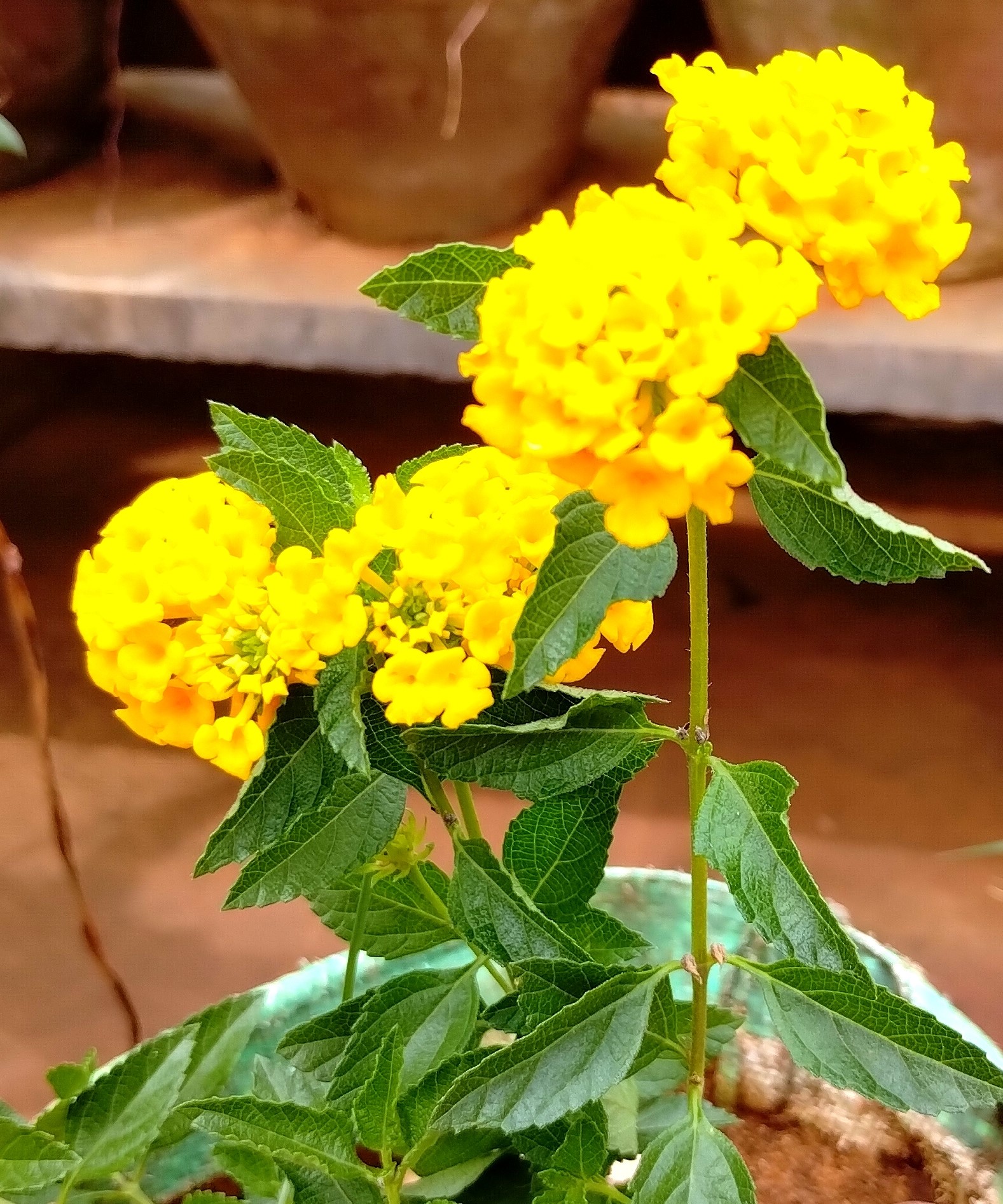
Lantana Camara
Lantana camara
Lantana camara, a celebrated member of the Verbenaceae (verbena) family, is a robust, highly adaptable flowering evergreen shrub native to the American tropics (Central and South America). Introduced across the globe as a vibrant ornamental, it has naturalized in over 60 countries. Renowned for i...
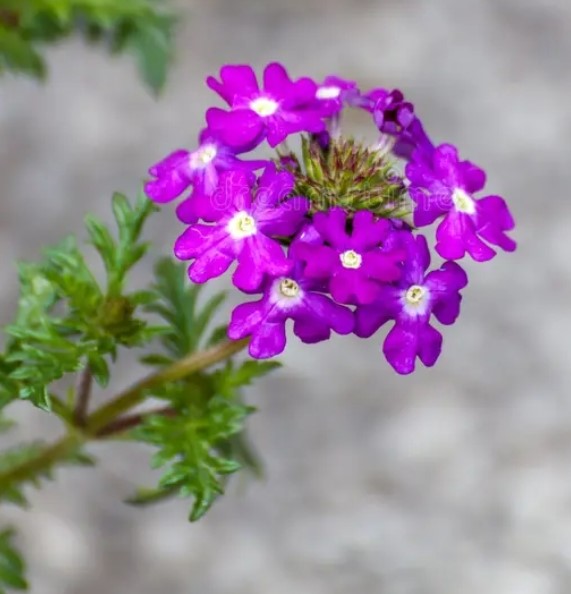
Verbena
Verbena
The Verbena, botanically classified under the genus Verbena and belonging to the family Verbenaceae (the verbena or vervain family), is an exceptionally tough, colorful, and resilient perennial (often cultivated as a warm-season annual in cooler temperate zones). Native primarily to the sunny gra...
Similar Colors
2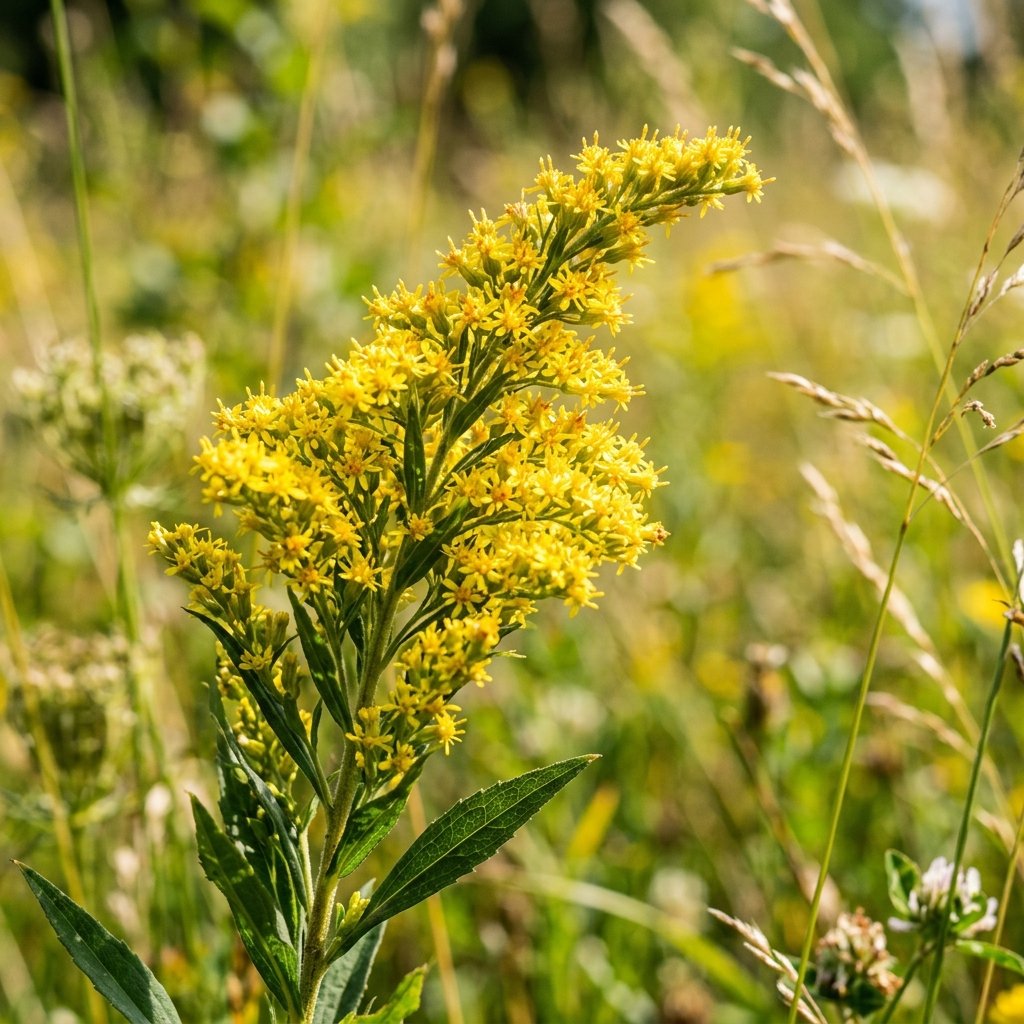
Goldenrod
Solidago canadensis
Goldenrod (*Solidago* spp.) is one of the most ecologically important and visually spectacular native wildflowers of North America, producing brilliant cascading plumes of tiny golden-yellow flowers from late summer through autumn. With over 100 species native to the Americas (most concentrated i...
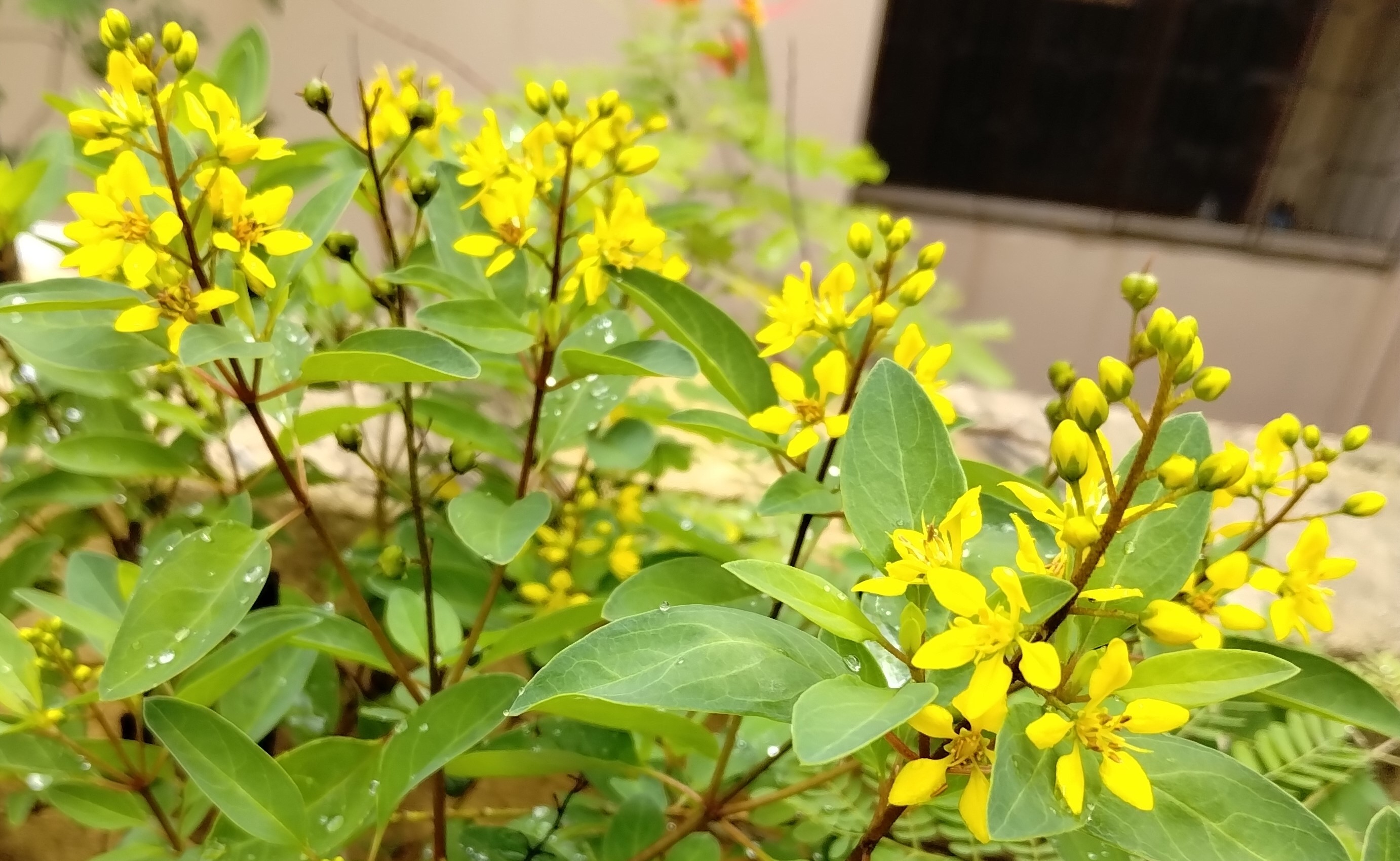
Golden Thryallis
Galphimia gracilis
The Golden Thryallis, botanically designated as *Galphimia gracilis* (previously confused with *Thryallis glauca*, commonly known as Gold Shower, Rain-of-Gold, or Slender Goldshower), is an exceptionally cheerful, fast-growing tropical evergreen shrub. Belonging to the family Malpighiaceae (the a...
Similar Characteristics
4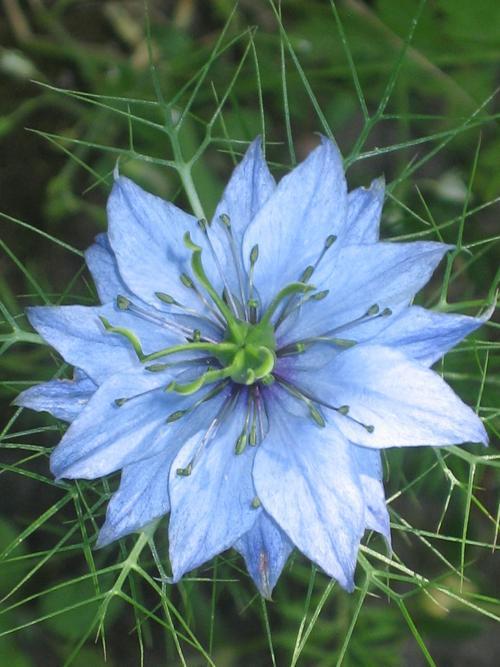
Love in a mist
Nigella damascena
The Love-in-a-mist, botanically designated as Nigella damascena and belonging to the family Ranunculaceae (the buttercup family), is a beloved, old-fashioned hardy annual flower. Native to the sunny hills, open meadows, and coastal fields of southern Europe, North Africa, and southwestern Asia—es...
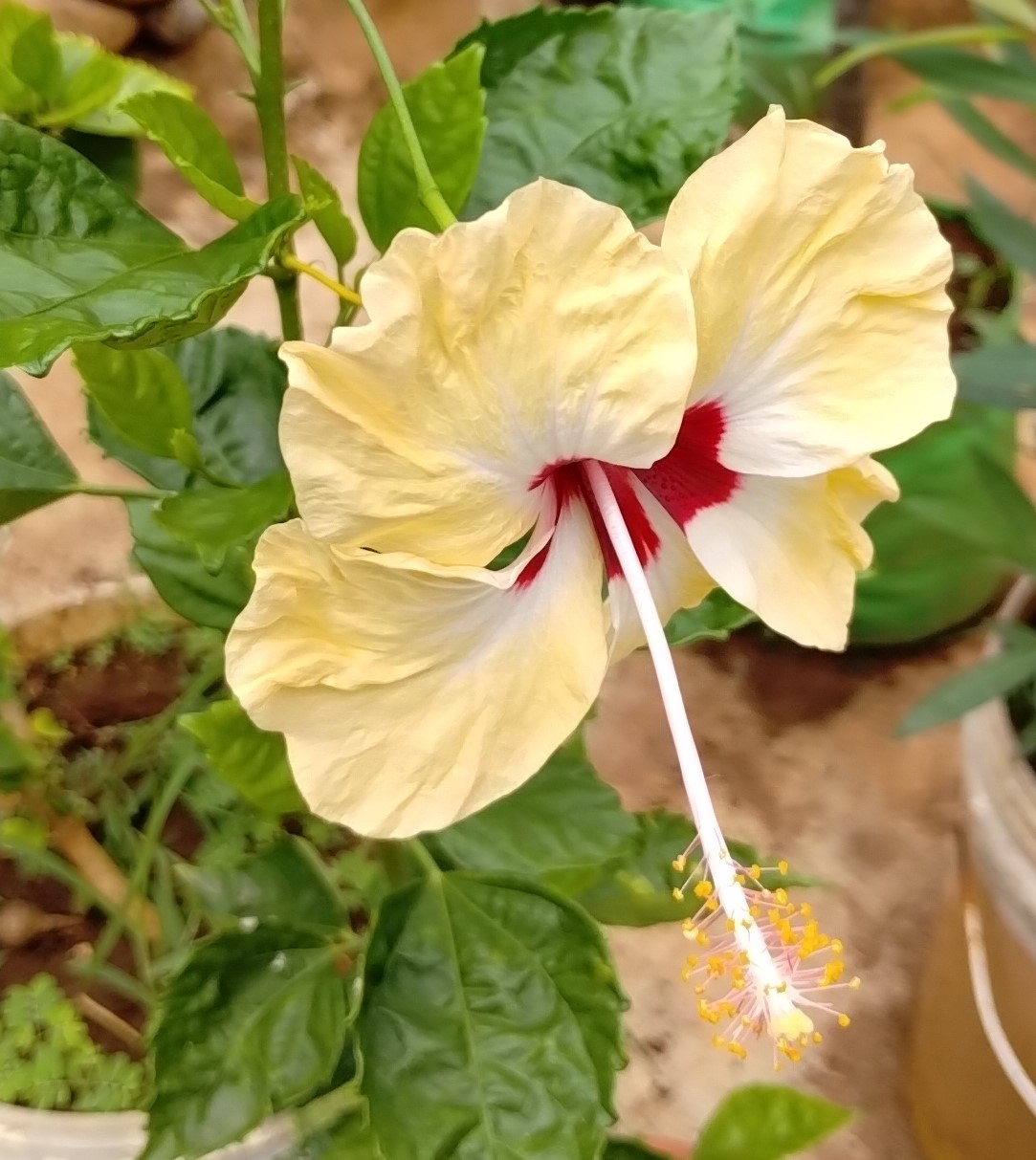
Hibiscus
Hibiscus rosa-sinensis
The Hibiscus, botanically classified as Hibiscus rosa-sinensis and popularly known as the Chinese Hibiscus, China Rose, or Shoe Flower, is a spectacular evergreen flowering shrub belonging to the Malvaceae (mallow) family. Believed to have originated in the warm, humid tropical regions of East As...
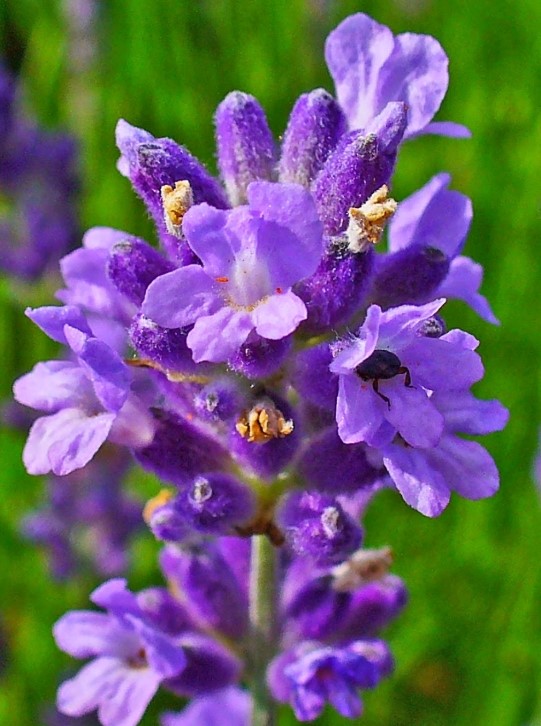
Lavender
Lavandula angustifolia
Lavender, botanically designated under the genus Lavandula and most widely represented by Lavandula angustifolia (English Lavender), is an exceptionally famous, highly aromatic evergreen perennial shrub belonging to the Lamiaceae (mint) family. Native to the sun-baked, rocky limestone hillsides a...
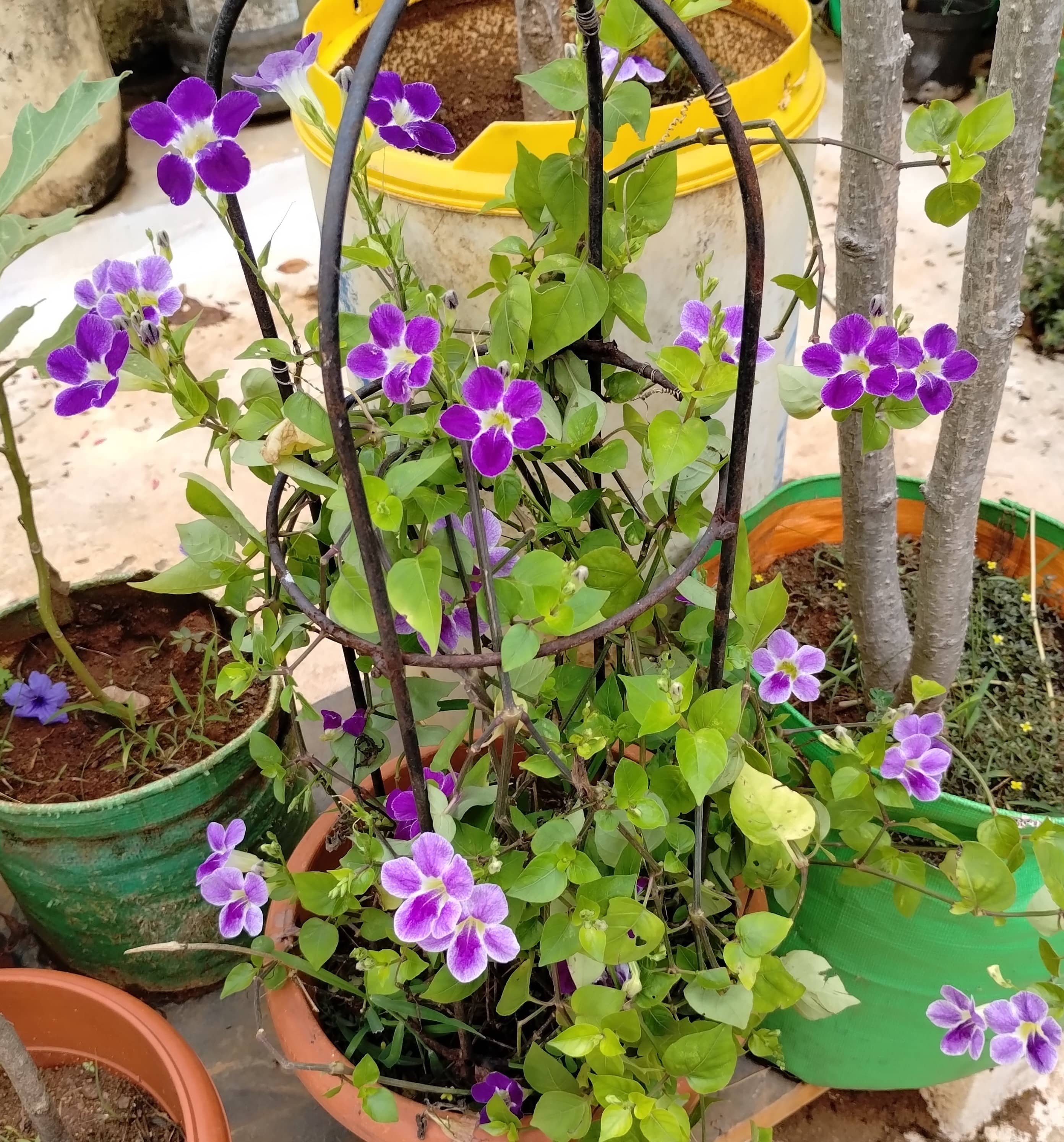
Thunbergia (King's Mantle)
Thunbergia erecta
Thunbergia erecta, popularly known as the "King's Mantle" or "Bush Clock Vine," is a sophisticated and regal tropical shrub that brings a touch of aristocratic elegance to any garden. A member of the Acanthaceae family, this evergreen species is native to the coastal regions of western Africa, fr...