
📚 Regional Mango Names Guide
Did you know that Alphonso is called Badami in Karnataka and Hapus in Maharashtra? Explore our complete state-by-state guide mapping 30+ regional names across India.
Also known as: Panchadara Kalasu, Panchadara Colossa, Kalisam, Jug of Sugar, Sugar Pot
Typical diseases and disorders affecting this variety:
Detect these early using our Plant Guard AI.
Read our detailed Mango Diseases & Safety Guide.
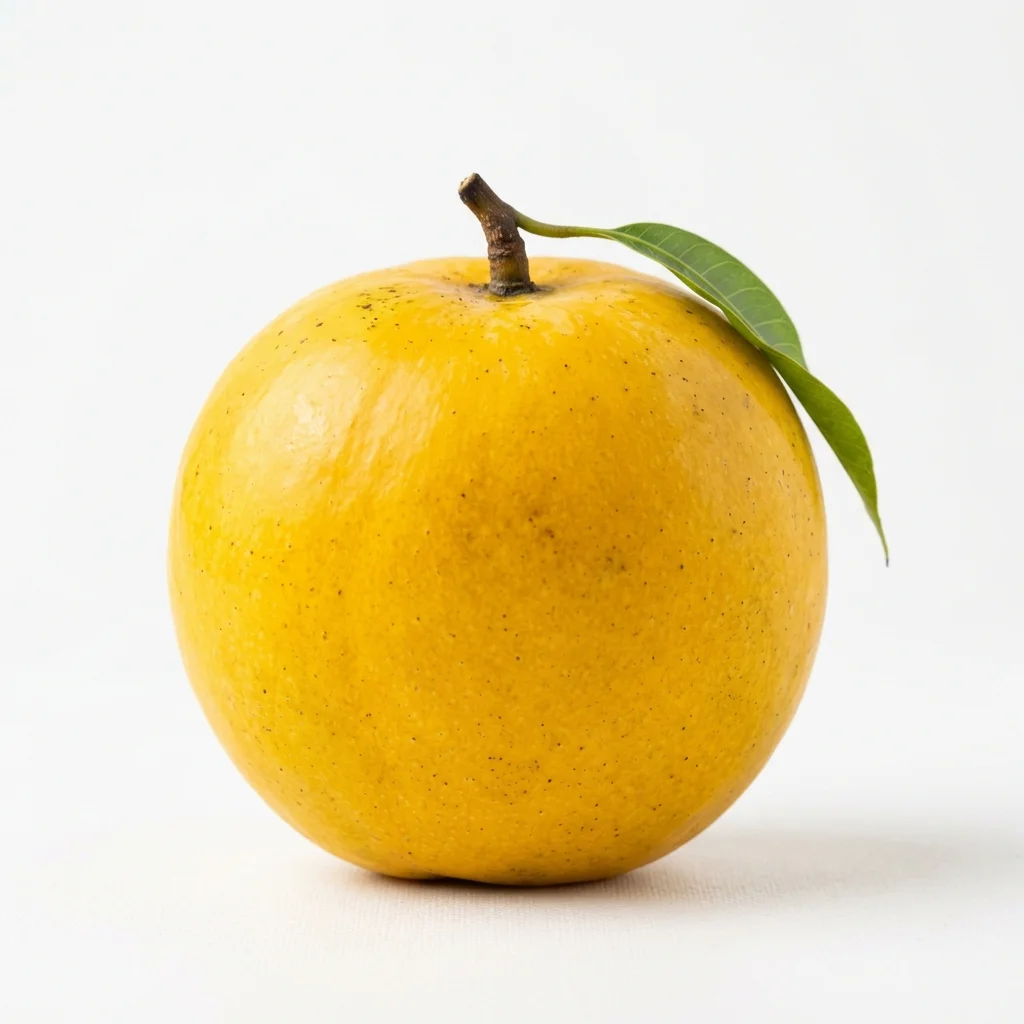
Panchadara Kalasa, which literally translates to 'Sugar Pot' in Telugu, is a legendary premium juice mango variety native to the East Godavari district of Andhra Pradesh. Highly celebrated across the Telugu states, this regional treasure is famous for its distinct pot-like shape and incredibly sweet, soft flesh that is traditionally squeezed and sucked directly from the fruit.
Physically, the Panchadara Kalasa features a unique round, vessel-like form, typically weighing between 300 and 500 grams. Its skin is thick, tough, and dusty green to greenish-yellow even when fully ripe. Inside, it hides a vibrant golden-yellow pulp that is completely fiberless and highly juicy. TSS levels are exceptionally high, often exceeding 20° to 22° Brix, offering a powerful, pure sugarcane sweetness.
The season is late, starting in June and peaking throughout the month before tapering off by mid-July. Due to its soft and highly juicy texture, it has a moderate post-harvest shelf life of 4 to 6 days. While its tough skin provides decent early transport protection, the soft interior must be handled with care to prevent bruising.
To identify Panchadara Kalasa, look for its clay-pot silhouette and greenish-yellow skin. When purchasing, judge ripeness by its soft, yielding texture and powerful sweet fragrance near the stem. For more southern variety guides or disease identification, explore our Mango Identifier Hub, or view related profiles on Rasalu, Imam Pasand, and Banganapalli.
Decadently sweet, tasting like liquid cotton candy or pure sugar syrup with a refreshing balanced acidity
Extremely fragrant, rich, and sweet with notes of peach and fresh coconut
Very soft, melting, highly juicy, and entirely fiberless
None
How to tell if it's a genuine Panchadara Kalasa:
Did you know that Alphonso is called Badami in Karnataka and Hapus in Maharashtra? Explore our complete state-by-state guide mapping 30+ regional names across India.
A cherished native heirloom of coastal Andhra Pradesh. It has been cultivated in the fertile Godavari delta for generations, where it is loved as a back-garden treasure.
It represents the traditional South Indian 'juice mango' culture, where summer afternoons are spent squeezing and enjoying these natural sugar pots with family.
Quick reference for identifying common healthy vs. problematic conditions:
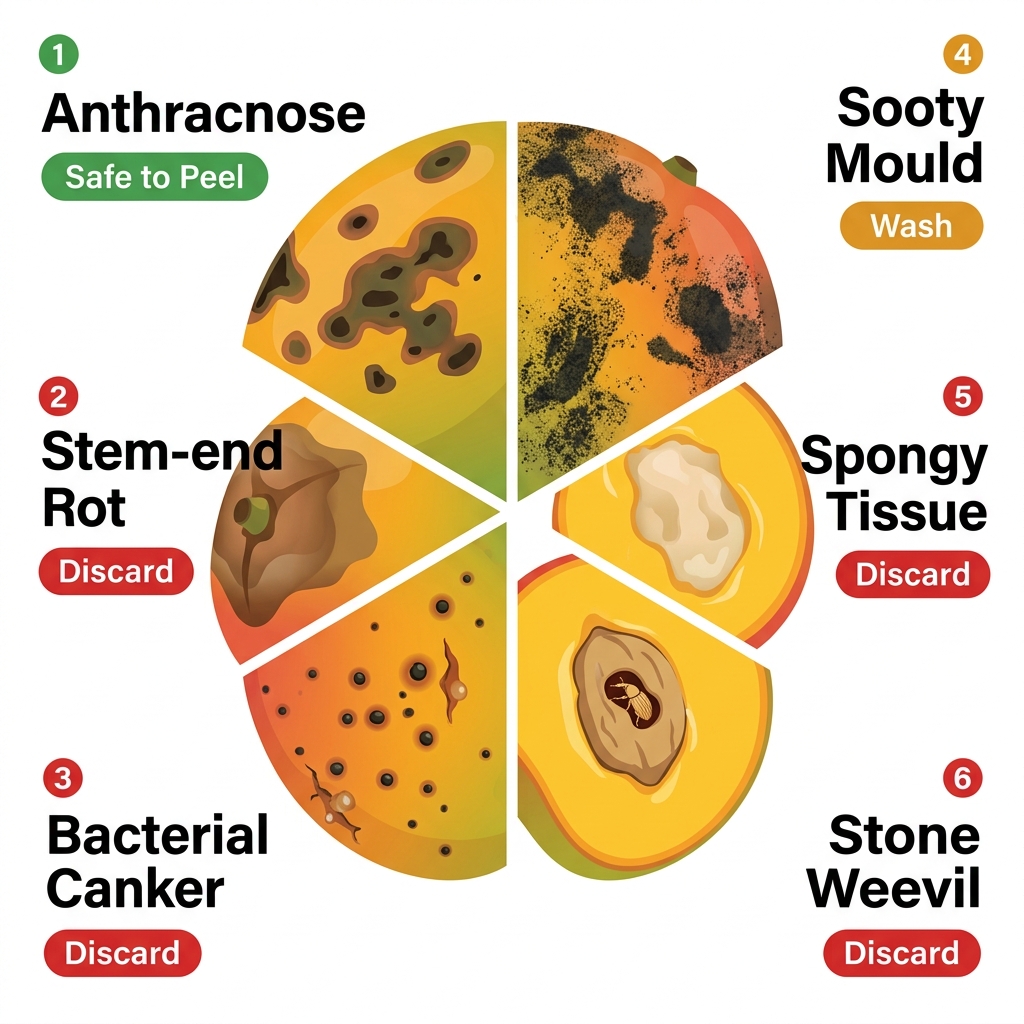
Pro Tip: Surface spots like Anthracnose are often harmless to the fruit inside, while Bacterial Canker or Stem-end Rot usually require discarding the fruit.
Ensure your Panchadara Kalasa mango is naturally ripened. Use Food Guard to detect Calcium Carbide and other chemical ripeners.