
Langra vs Chausa
Langra vs Chausa: Which Northern Indian mango is sweeter? Compare shapes, colors, harvest seasons, and check the buying guide.
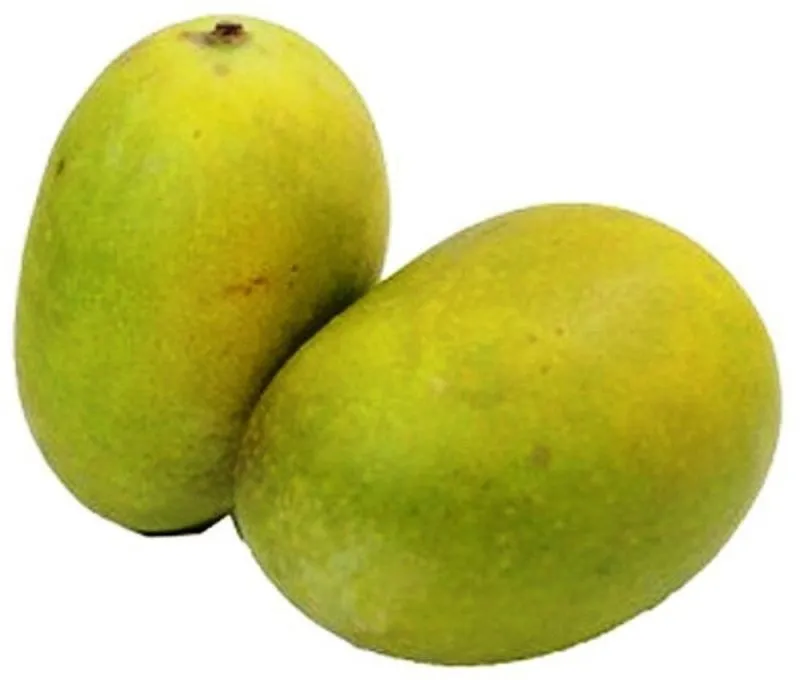
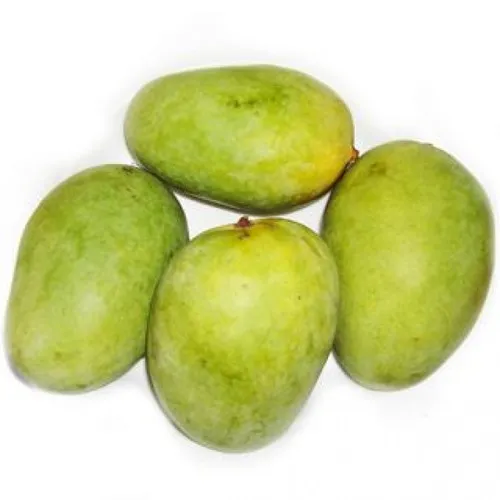
Key Differences: Langra vs Chausa
Langra and Chausa are late-season favorites in North India and Pakistan. Langra is harvested in June and retains its green-yellow skin color, offering a sweet-tart flavor with a soft, juicy texture. Chausa, famously named by Emperor Sher Shah Suri, is harvested later (July to August), turns a bright golden-yellow when ripe, and is widely considered one of the sweetest mangoes in the world, with a rich honeyed taste and highly juicy, fibrous-soft pulp.
Botanical & Cultivar Comparison Table
| Feature | Langra | Chausa |
|---|---|---|
| Shape | Roundish-oval | Oblong, slightly curved |
| Ripe Color | Greenish-yellow | Bright golden-yellow |
| Taste Profile | Sweet-tart, highly aromatic | Intensely sweet, honey-like |
| Texture | Soft, melting, minimal fiber | Very soft, juicy, slight fiber |
| Size Category | Large | Medium |
| Weight (Single Fruit) | 300g - 400g | 200g - 350g |
| Harvest Season | Mid (June to July) J F M A M J J A S O N D | Late (July to August) J F M A M J J A S O N D |
| Average Price | Affordable (Rs 150 - 300 per kg) | Affordable (Rs 120 - 250 per kg) |
| State of Origin | Varanasi, Uttar Pradesh | Sandila (Hardoi), Uttar Pradesh |
| GI Tag Protected | Yes | No |
| Best Use Case | Fresh eating, table fruit | Juices, milkshakes, direct sucking |
| Adulteration Risk | Medium (Chemical ripening for early-season green batches) | Medium-High (Ethylene ripening common in late season) |
| Vulnerable Pests/Diseases | Vulnerable to Bacterial Canker and fruit fly | Vulnerable to Anthracnose and Stem Borer |
🛡️ Chemical Ripening & Adulteration Guide
Artificial ripening using Calcium Carbide and Ethylene is common in commercial mango trades. Use our Food Guard tool to check for chemical traces, verify natural ripening signs, and protect your family's health.
Which is Better For...?
Chausa is an excellent late-season gift because its golden skin looks beautiful in gift baskets.
Both are exceptional for juice, but Chausa yields a thicker, sweeter nectar.
Langra is preferred by those who like complex sweet-sour balance; Chausa is preferred by pure sweet lovers.
Chausa has a massive export market in the Middle East and Europe due to its late availability when other varieties are gone.
How to Spot the Differences (Visual Spotting Guide)
Examine these visual markers and close-up identification features to tell them apart:
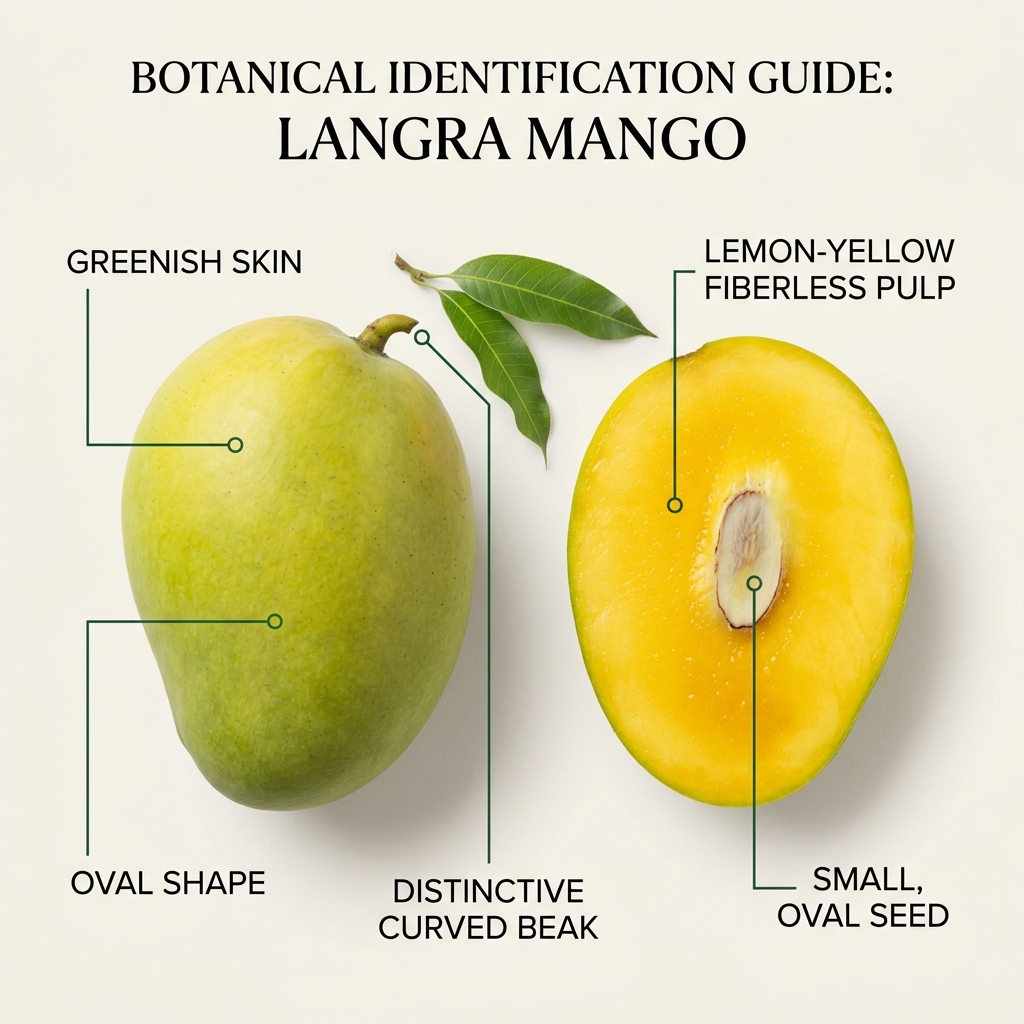 Langra Guide
- Green skin: Ripe skin remains green-yellow, soft to the touch.
- Roundish-oval profile: Plump, roundish, medium fruit.
- Tangy aroma: Strong, aromatic scent with a slight citrusy edge.
- Varanasi origin: Grown widely in Uttar Pradesh and Bihar.
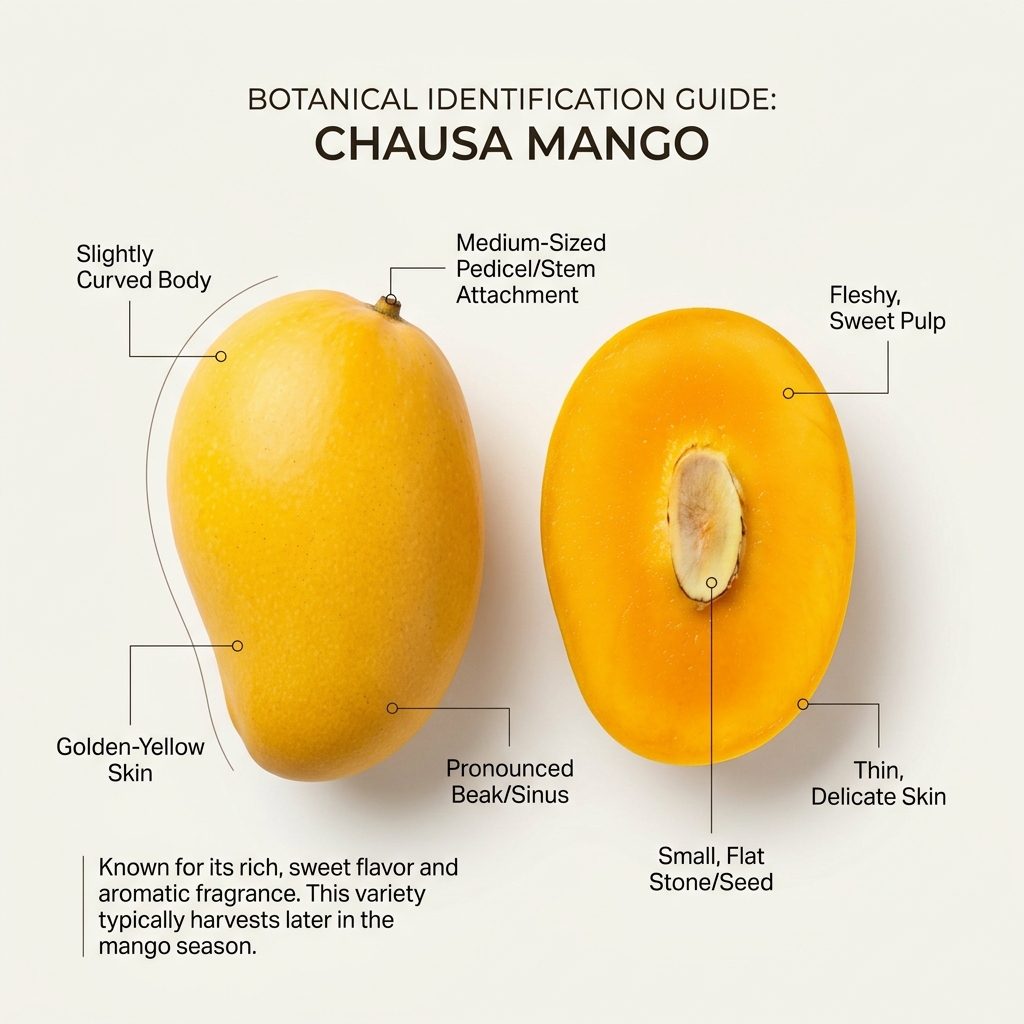 Chausa Guide
- Bright golden-yellow: Turns a rich, sunny golden color when fully ripe.
- Oblong shape: Slightly curved and elongated shape.
- Intensely sweet juice: Pulp is very juicy, fibrous, and yields a honey-like juice.
- Late season: Available in July and August (one of the last varieties of summer).
Detailed Attribute Breakdown
👅 Flavor Comparison
Chausa has one of the highest sugar contents of any mango, tasting almost like honey syrup. Langra has a punchy sweetness balanced by refreshing acidity.
👃 Aroma Profile
Langra is highly aromatic and sharp. Chausa has a heavy, warm, classic sweet mango fragrance.
📦 Shelf Life & Storage
Both have a relatively short shelf life once fully ripe due to their soft pulp. Langra lasts 2-3 days; Chausa lasts about 3-4 days.
🛒 Market Availability
Langra is at its best in June. Chausa is the king of late summer, peaking in July and available until mid-August.
Which Should You Choose?
- Choose Langra if you prefer a balanced, tangy-sweet flavor, want a fiberless texture, and are buying in June.
- Choose Chausa if you love intensely sweet, syrupy mangoes, enjoy sucking juice directly from the fruit, and are shopping in late July.