
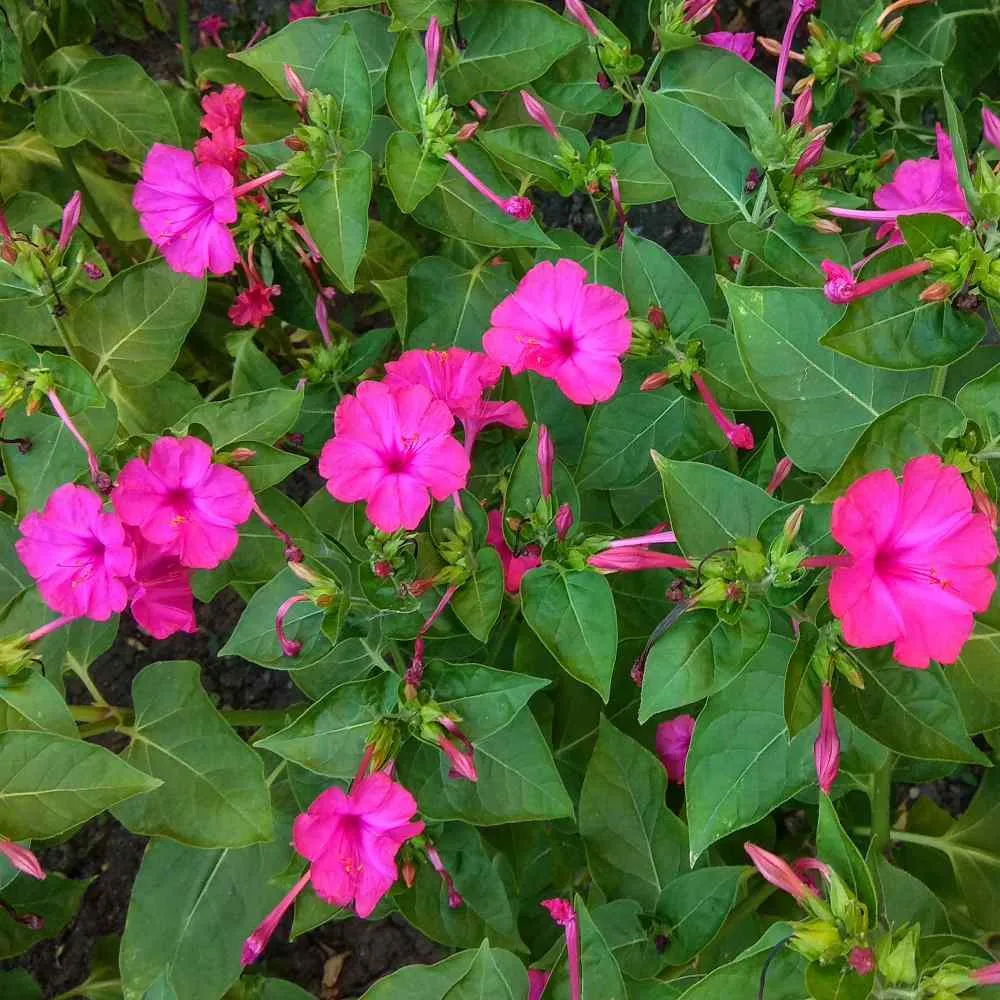
Four o'clock
Mirabilis jalapa
How to Identify Four o'clock

How to identify Four O'Clock (Mirabilis jalapa):
- Afternoon-Blooming Trumpets: Trumpet-shaped flowers (1-2 inches long) that open in late afternoon (around 4 PM) and close in the morning.
- Multi-Colored Flowers: A single plant can produce flowers of different colors (pink, yellow, white, red), and individual flowers can show stripes or bicolor patterns.
- Tuberous Roots: Thick, black, carrot-like underground tubers that store water and nutrients.
- Ovate Opposite Leaves: Smooth, green, ovate-lanceolate leaves arranged opposite each other along branching, hollow stems.
Marvel of Peru Genetics
Care & Growing Guide
Four O'Clock Care & Growing Guide:
- Light: Full sun to partial afternoon shade. Afternoon shade is ideal as it encourages the flowers to open earlier in the day.
- Soil: Average, neutral to slightly acidic garden soil. Very tolerant of poor soils.
- Watering: Water regularly to keep the soil moist. Tubers provide moderate drought tolerance once established.
- Pruning/Deadheading: Trim spent flower stalks to control self-seeding, as they can spread aggressively in warm climates.
Seasonal Blooming & Hardiness
Seasonal Blooming Calendar (US Hardiness Zones 8-11 as perennials; Zones 2-7 as annual tubers):
- Native Region: Native to the dry, tropical Andes of South America (Peru), where they grow as evergreen perennials blooming year-round.
- US Cultivation: Grown as summer annuals or tender perennials. Sow seeds directly in late spring. In Zones 2-7, tubers can be dug up in autumn and stored in dry peat moss over winter. Blooms mid-summer (July) through late autumn (November).
Bloom Timeline
About Four o'clock
The Four o'clock, scientifically named Mirabilis jalapa and known as the Marvel of Peru or Beauty of the Night, is a highly popular, bushy perennial belonging to the Nyctaginaceae (four o'clock) family. Native to the tropical regions of South America, particularly the Andes of Peru, it was introduced to Europe in the 16th century and has since naturalized in warm-temperate and subtropical zones worldwide. This plant is famous for its bushy, shrub-like growth habit and its unique nocturnal blooming schedule, making it a staple of twilight and evening sensory gardens.
Growing as a tender perennial, it forms a lush, rounded mound that stands 2 to 4 feet tall and wide, supported by thick, branching stems and large, tuberous roots. The plant features smooth, deep green, ovate leaves that grow in opposite pairs along the stems. Its trumpet-shaped flowers are about 2 inches long with a 5-lobed flared opening. Remarkably, these blooms contain no true petals; the colorful trumpet is actually a modified, petaloid calyx (sepals). The flowers come in a spectacular spectrum of magenta, red, yellow, white, and orange, often with multiple distinct colors or striped, bicolored patterns appearing simultaneously on a single plant.
The architectural structure of the flower is represented by the floral formula EBr ⊕ ☿ P(5) A5 G(1). This formula shows that the bloom is ebracteate (lacking true bracts, though surrounded by a sepal-like involucre), actinomorphic (radially symmetrical), and bisexual. It features a perianth (P) of 5 fused petaloid sepals forming the trumpet tube, 5 free stamens of unequal lengths that emerge from the tube, and a unicarpellate gynoecium with a single superior ovary containing a single ovule.
Mirabilis jalapa is exceptionally easy to grow and thrives in USDA hardiness zones 9 through 11 as a perennial, while being treated as a fast-growing annual in colder zones (zones 3 to 8). It prefers full sun to partial shade and is highly tolerant of urban heat, humidity, and drought once established, though it performs best in rich, well-draining loamy soils with regular moisture. Its key behavioral characteristic is that its blooms open in the late afternoon (around 4 PM) and remain open through the night, releasing a sweet, citrusy fragrance before closing forever the next morning.
The genus name 'Mirabilis' is Latin for 'wonderful' or 'marvelous,' celebrating the plant's stunning variety of colors, while 'jalapa' refers to the city of Xalapa in Mexico. In regional languages, it is known as गुल अब्बास (Gulabbas) or संध्या मालती (Sandhya Malti) in Hindi, and Chandrakanta in Telugu. Historically, the Aztecs cultivated this plant for both its aesthetic charm and its medicinal properties. Today, it stands as a symbol of mystery, quiet grace, and nocturnal beauty.
Pet owners must exercise significant caution with this species. Mirabilis jalapa is TOXIC to dogs, cats, and horses. The seeds and the dark, tuberous roots contain toxic resins, glycoproteins, and the alkaloid mirabilisine, which cause moderate to severe gastrointestinal distress, including vomiting, diarrhea, abdominal pain, and lethargy if ingested. The sap can also cause mild skin irritation upon contact. It is highly recommended to plant them in elevated containers or fenced garden areas out of pets' reach. For first-aid steps and alternative pet-safe options, consult our Pet Guard guide.
Four o'clocks are sometimes confused with Petunias due to their trumpet shape and bushy growth. However, they are easily distinguished by their evening-only blooming habit, their larger, smooth, non-sticky leaves (petunia foliage is hairy and sticky), and their unique, hard, wrinkled black seeds that resemble tiny hand grenades. They make excellent companion plants for night-blooming gardens; we suggest pairing them with Parijat, Tuberose, or fragrant Arabian Jasmine. Explore more in our Flower Identifier.
Floral Formula & Features
Ebracteate (no bracts), Actinomorphic (radially symmetrical), bisexual, 5 fused petaloid sepals forming trumpet (no true petals - perianth), 5 free stamens unequal lengths, 1 carpel with superior ovary
- Scientific Name & Classification: Mirabilis jalapa (Nyctaginaceae). Commonly known as Marvel of Peru and Beauty of the Night.
- Identification Markers: Upright bushy habit with tuberous roots. Tubular trumpet-shaped flowers (actually petaloid sepals) that open in late afternoon.
- Floral Formula (EBr ⊕ ☿ P(5) A5 G(1)): Radially symmetrical, bisexual flower. Fused petaloid perianth of 5 sepals, 5 free stamens, and 1 carpel with superior ovary.
- Growing Requirements: Full sun to partial shade; highly heat and drought-tolerant. Survives as perennial in Zones 9-11; annual elsewhere.
- Cultural Significance: Mirabilis means 'wonderful' in Latin; jalapa references Mexican origin. Affectionately called Sandhya Malti in Hindi.
- Safety & Toxicity: TOXIC TO PETS. Seeds and tubers contain mirabilisine, triggering severe vomiting, diarrhea, and abdominal pain if ingested.
- Common Look-alikes: Often confused with Petunias, but distinguished by non-sticky, smooth opposite leaves, evening-only opening, and hard black seeds.
- Internal Links: Ideal for evening sensory gardens paired alongside Parijat, Tuberose, or Arabian Jasmine; see more in our Flower Identifier.
Names in Different Languages
Botanical Classification: Four o'clock belongs to the Nyctaginaceae family. Learn how to identify its floral symmetry, stamen arrangement, and structural formulas in our Botanical Family Classification Guide.
Toxicity & Safety
Always keep toxic plants out of reach of children and pets. Consult a veterinarian or medical professional immediately if ingestion is suspected.
Frequently Asked Questions
What is Floral Formula?
A floral formula is a symbolic representation of a flower's structure using letters, numbers, and special symbols. It provides a concise way to describe the arrangement and number of floral parts.
This formula describes the flower's symmetry, sepals, petals, stamens, and carpels in a standardized format.
Formula Sequence
- Bract: Br or Ebr
- Bracteole: Brl or Ebrl
- Symmetry: % (Radial) or ⊕ (Bilateral)
- Sex: ♀ (Female), ♂ (Male), or ⚥ (Bisexual)
- Calyx/Sepal: K<number> (Free or Fused)
- Corolla/Petal: C<number> (Free or Fused)
- Androecium: A<number> (Free or Fused)
- Gynaecium: G<number> (Superior or Inferior Ovary)
Symbol Meanings
- Numbers: Indicate quantity of parts
- Parentheses (): Parts are fused together
- Plus (+): Parts in different whorls
- Underline: Superior ovary position
- Overline: Inferior ovary position
- ∞: Numerous parts (too many to count)
Understanding floral formulas helps botanists quickly identify and classify flowers based on their structural characteristics.
Similar Flowers
Discover flowers that share botanical characteristics
Similar Characteristics
4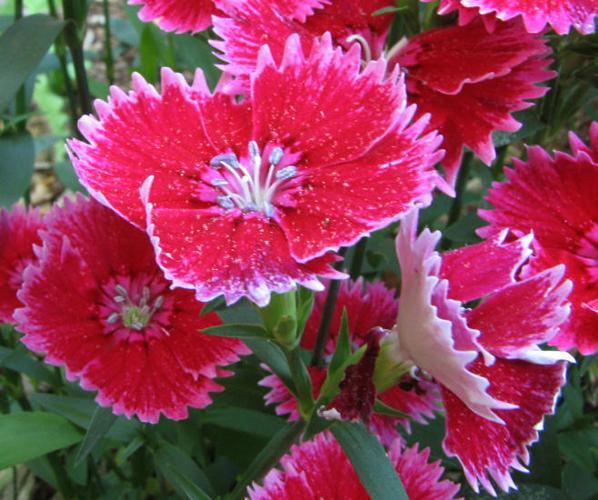
Sweet William (Dianthus barbatus)
Dianthus
Dianthus barbatus, universally cherished as Sweet William, is a charming, fragrant cottage garden biennial or short-lived perennial belonging to the Caryophyllaceae (pink or carnation) family. Native to the mountainous meadows, rocky slopes, and light woodlands of southern and southeastern Europe...
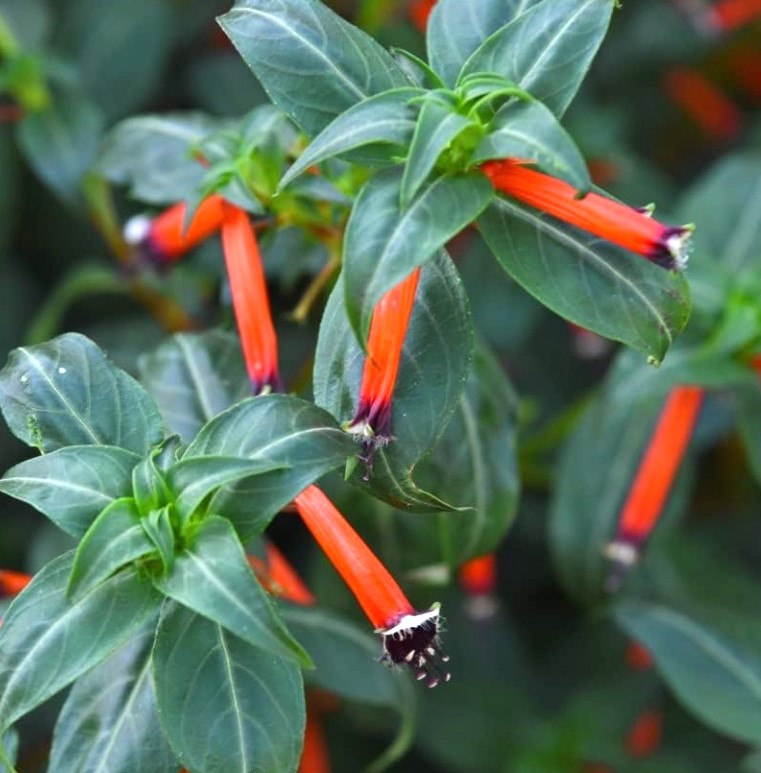
Cuphea Cigar
Cuphea ignea
The Cigar Flower, botanically known as Cuphea ignea and often referred to as the Firecracker Plant or Mexican Cigar Plant, is a charming, continuous-blooming tender evergreen subshrub belonging to the Lythraceae family. Native to the warm, rocky, sun-drenched hillsides and open valleys of Mexico...
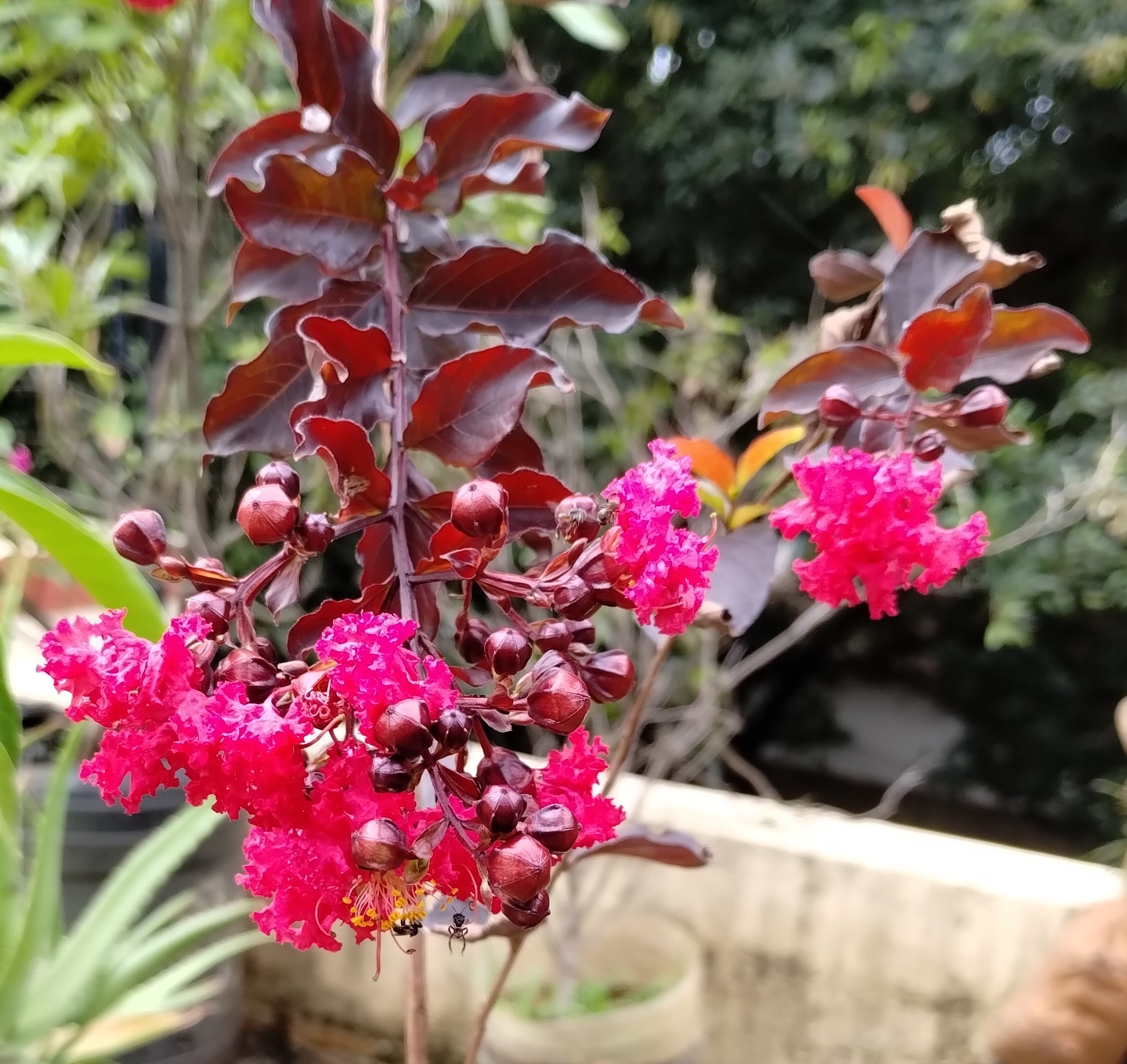
Crepe Myrtle
Lagerstroemia indica
The Crepe Myrtle, scientifically known as Lagerstroemia indica and affectionately called Furush on the Indian subcontinent, is a majestic deciduous shrub or small multi-trunked tree in the Lythraceae family. Native to a vast expanse of Asia—including India, China, Southeast Asia, Japan, and Korea...
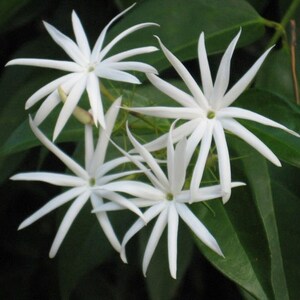
AngelWing Jasmine (Star Jasmine)
Jasminum laurifolium, Jasminum nitidum
The Angelwing Jasmine, botanically classified as Jasminum nitidum (and often associated with Jasminum laurifolium), is an exceptionally beautiful and intensely fragrant evergreen sprawling shrub. Native to the warm, tropical lowlands, coastal woodlands, and river valleys of the Indian Subcontinen...