
Cuphea Cigar
Cuphea ignea
How to Identify Cuphea Cigar
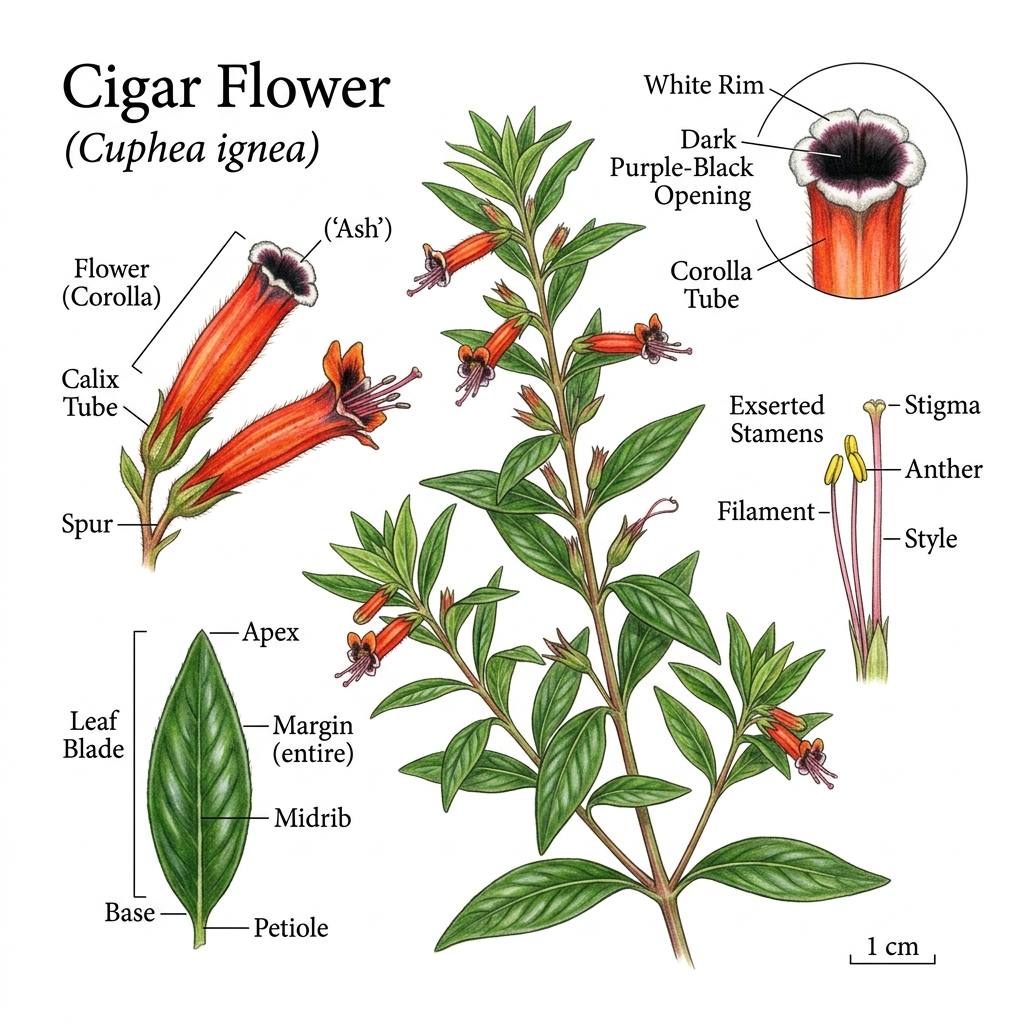
How to identify Cigar Flower (Cuphea ignea / Mexican Cigar Plant):
- Tubular Red-Orange Flowers: Narrow, cylindrical, tube-like flowers (1 inch long) colored a bright fiery orange-red.
- Ash-Like Tip: The tip of the flower tube is marked by a white rim and a dark purple-black opening, resembling a burning cigar with ash.
- Lack of Petals: The showy part of the flower is the calyx tube (sepal); true petals are absent.
- Shiny Lanceolate Leaves: Small, opposite, dark-green, lance-shaped leaves arranged along reddish, branching stems.
Hummingbird Magnet
Care & Growing Guide
Cigar Flower Care & Growing Guide:
- Light: Full sun to partial afternoon shade. Full sun maximizes flower abundance.
- Soil: Rich, moist, well-draining garden soil. Tolerates sandy or loam soils.
- Watering: Water regularly. Once established, they can tolerate brief dry periods, but bloom best with consistent moisture.
- Pruning: Pinch back stem tips during spring to encourage a bushier growth habit with more flower-producing branches.
Seasonal Blooming & Hardiness
Seasonal Blooming Calendar (US Hardiness Zones 10-11 as perennials; Zones 2-9 as summer annuals):
- Native Region: Native to tropical Mexico and the West Indies, where they grow as evergreen shrubs blooming year-round.
- US Cultivation: Grown as summer annuals in cooler zones, blooming continuously from early summer through the first autumn frost.
Bloom Timeline
About Cuphea Cigar
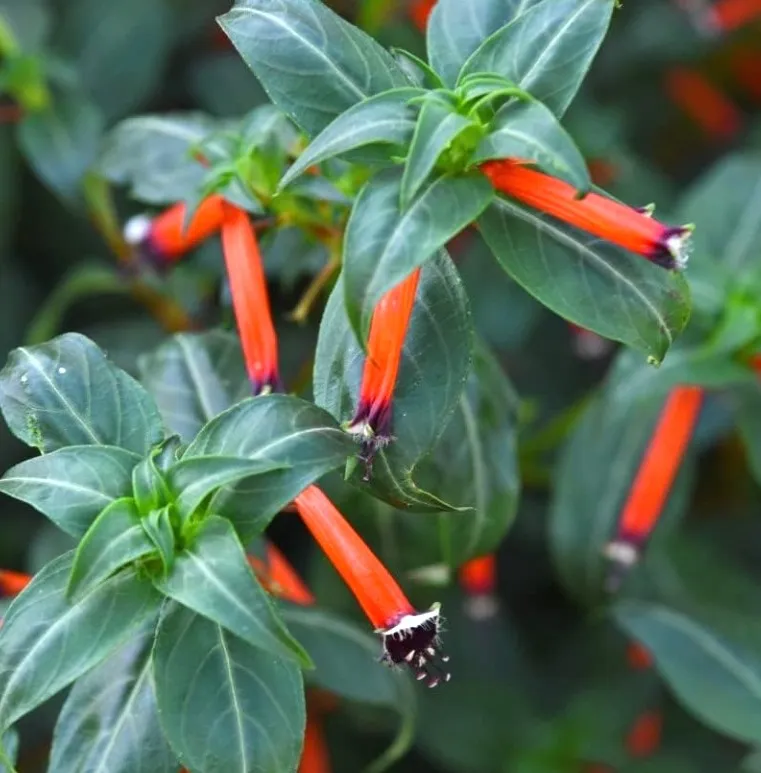
The Cigar Flower, botanically known as Cuphea ignea and often referred to as the Firecracker Plant or Mexican Cigar Plant, is a charming, continuous-blooming tender evergreen subshrub belonging to the Lythraceae family. Native to the warm, rocky, sun-drenched hillsides and open valleys of Mexico and Guatemala, this fast-growing tropical plant has earned global acclaim as an exceptionally easy-care garden plant. It is celebrated worldwide for its highly unusual, tubular flowers that bear a striking resemblance to tiny, lit cigars—offering continuous visual delight throughout the warm seasons.
Growing in a neat, compact, bushy mound that reaches 12 to 18 inches tall and wide, the Cigar Flower is densely clothed in small, lance-shaped, dark green leaves that grow in opposite pairs. Sitting abundantly along the branches are tubular flowers measuring about 0.75 to 1 inch in length. True petals are absent or extremely reduced; the showy portion is the cylindrical calyx tube, colored in a brilliant, fiery red-orange. The tip of this tube is decorated with a narrow, dark purple-black ring and a clean white lip, perfectly resembling a glowing cigar tip with ash.
The reproductive architecture of this unique genus is represented by the floral formula % ⚥ K(6) C6 A11 G(2). This formula indicates that the flower is bilaterally symmetrical (zygomorphic) and bisexual. It features a tubular calyx of 6 fused sepals forming the elongated fiery orange tube, and a corolla of 6 small, inconspicuous free petals that are often absent in cultivated forms. The androecium consists of 11 stamens of varying lengths, surrounding a syncarpous gynoecium of 2 fused carpels with a superior ovary that develops into a tiny, curved capsule.
Cuphea ignea is an incredibly tough, resilient plant that thrives in heat and humidity, growing outdoors year-round as a perennial in USDA hardiness zones 10 through 11 and acting as a prolific annual or container houseplant in cooler climates. It prefers full sun to partial shade, requiring at least 6 hours of direct daily sunlight to bloom heavily and maintain its neat, compact habit. It thrives in well-drained, average garden soils with moderate moisture, possessing excellent drought tolerance once established.
The genus name Cuphea is derived from the Greek word kyphos, meaning curved or humped, which directly references the distinctively curved shape of its seed capsules at maturity. The species name ignea translates to 'fiery' or 'glowing,' describing the intense, hot-orange color of its tubular calyx. Known as சுருட்டு பூ (Curuttu Pū) in Tamil and Sigār Phūl in Hindi, this cheerful continuous-bloomer was historically used in Central American traditional medicine, and is highly valued today as a premium hummingbird magnet.
For pet owners, the Cigar Flower is a fantastic addition to the landscape or patio. It is classified as completely NON-TOXIC to cats, dogs, and horses by leading veterinary safety organizations. Families can safely plant these whimsical little cigars in low borders, deck containers, or hanging baskets without any risk of chemical toxicity if chewed or explored by curious pets. To browse more high-performance, pet-safe bedding plants and annuals, check our Pet Guard catalog.
Cigar Flower is occasionally confused with Firecracker Fern (Russelia equisetiformis) or Garden Fuchsia due to its cascading red tubular blooms. It is easily distinguished from Firecracker Fern by its broad, lanceolate, dark green leaves (Firecracker Fern leaves are reduced to scale-like needles on weeping stems) and from Fuchsia by its compact, self-supporting upright habit and petal-less, ash-tipped blooms. It pairs beautifully with other sun-lovers; we suggest planting it with Gazania or Trumpet Vine. For more details, explore our Flower Identifier.
Floral Formula & Features
Bilaterally symmetrical, bisexual, 6 fused sepals forming tubular calyx, 6 small free petals (often inconspicuous), 11 stamens, 2 fused carpels with superior ovary typical of Lythraceae
- Scientific Name & Classification: Cuphea ignea (Lythraceae). Commonly known as Cigar Plant, Firecracker Plant, and Mexican Cigar.
- Identification Markers: Compact, rounded bushy mound with small opposite lanceolate leaves. Abundant tubular red-orange flowers with dark black-and-white tips resembling lit cigars.
- Floral Formula (% ⚥ K(6) C6 A11 G(2)): Bilaterally symmetrical, bisexual flowers featuring 6 fused sepals forming the orange tube, with petals reduced or absent.
- Growing Requirements: Full sun to partial shade; prefers fertile, moderately moist, well-draining soil. High heat and drought-tolerant; frost-sensitive (Zones 10-11).
- Cultural Significance: Name 'Cuphea' refers to curved seed humps; 'ignea' means fiery. Highly valued as a top-tier hummingbird garden plant.
- Safety & Toxicity: NON-TOXIC. Classified as 100% safe for cats, dogs, and horses, making them perfect for low borders and accessible pots.
- Common Look-alikes: Confused with Firecracker Fern, but distinguished by broad opposite leaves and upright habit rather than weeping scale-like foliage.
- Internal Links: Excellent structural accent paired with Gazania or climbing Trumpet Vine; discover other Lythraceae species in our Flower Identifier.
Names in Different Languages
Toxicity & Safety
Frequently Asked Questions
What is Floral Formula?
A floral formula is a symbolic representation of a flower's structure using letters, numbers, and special symbols. It provides a concise way to describe the arrangement and number of floral parts.
This formula describes the flower's symmetry, sepals, petals, stamens, and carpels in a standardized format.
Formula Sequence
- Bract: Br or Ebr
- Bracteole: Brl or Ebrl
- Symmetry: % (Radial) or ⊕ (Bilateral)
- Sex: ♀ (Female), ♂ (Male), or ⚥ (Bisexual)
- Calyx/Sepal: K<number> (Free or Fused)
- Corolla/Petal: C<number> (Free or Fused)
- Androecium: A<number> (Free or Fused)
- Gynaecium: G<number> (Superior or Inferior Ovary)
Symbol Meanings
- Numbers: Indicate quantity of parts
- Parentheses (): Parts are fused together
- Plus (+): Parts in different whorls
- Underline: Superior ovary position
- Overline: Inferior ovary position
- ∞: Numerous parts (too many to count)
Understanding floral formulas helps botanists quickly identify and classify flowers based on their structural characteristics.
Similar Flowers
Discover flowers that share botanical characteristics
Similar Characteristics
4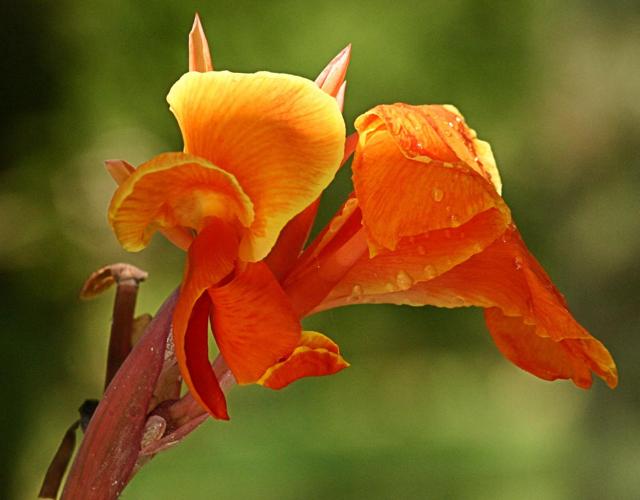
Canna lily
Canna indica
Canna indica, commonly known as the Canna Lily, is a bold and flamboyant tropical perennial that brings a dramatic, exotic flair to temperate and tropical gardens alike. Despite its common name, it is not a true lily but rather the sole genus in the Cannaceae family, closely related to gingers an...
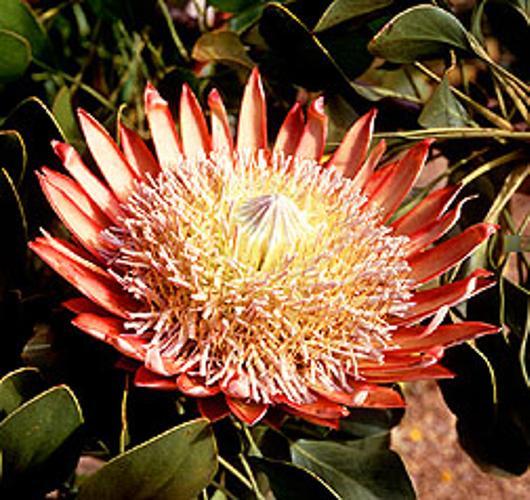
King Protea
Protea cynaroides
The King Protea, botanically known as Protea cynaroides and often called the King Sugar Bush or Cape Artichoke Flower, is a magnificent, evergreen woody shrub in the Proteaceae family. Endemic to the mountainous slopes and rocky sandstone ridges of South Africa's Western and Eastern Cape province...
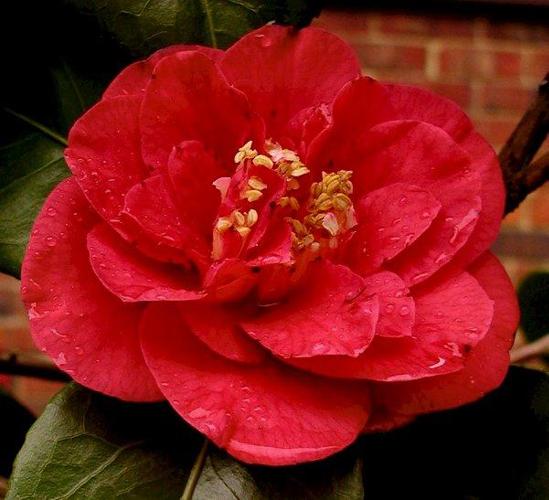
Camellia
Camellia japonica
The Camellia, botanically designated under the genus Camellia and belonging to the family Theaceae (the tea family, tribe Theeae), is an exceptionally elegant, long-lived, and slow-growing evergreen shrub or small tree. Native to the cool, humus-rich woodland understories, shaded mountain slopes,...
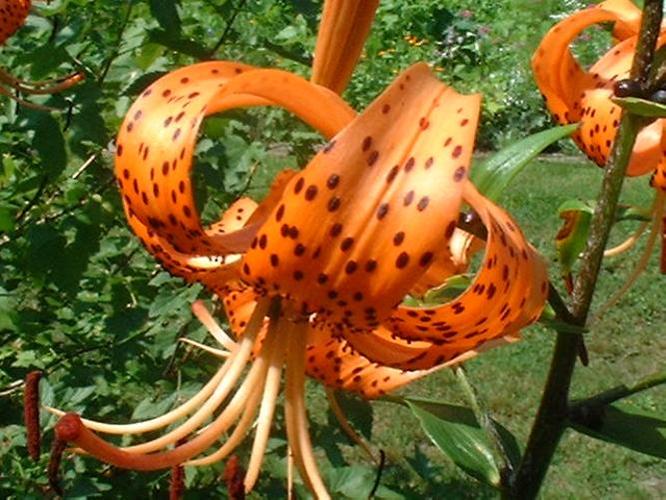
Tiger Lily
Lilium lancifolium
The Tiger Lily (Lilium lancifolium), a standout member of the Liliaceae family, is one of the most recognizable and striking lilies in the world. Native to the temperate regions of Eastern Asia, including China, Japan, and Korea, this herbaceous perennial has captivated gardeners for centuries wi...