
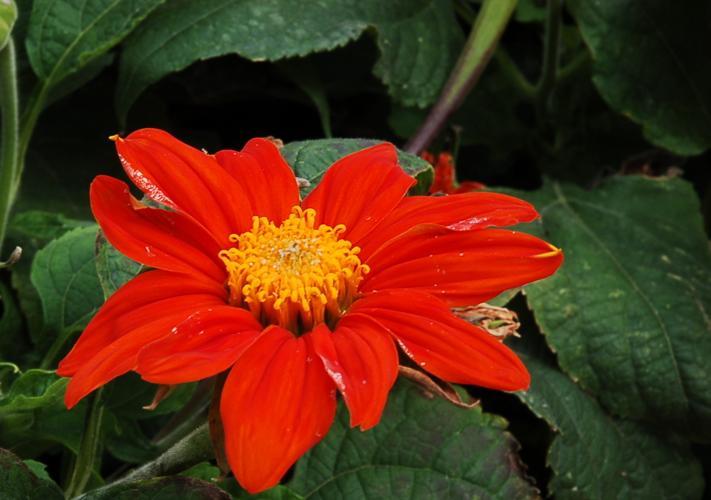
Orange Dahlia
Dahlia × hortensis
Basic Details
Floral Formula & Features
Ebracteate, radially symmetrical, bisexual, calyx modified to pappus, 5 fused petals (ray or disc florets), 5 stamens fused into tube, 2 fused carpels with inferior ovary. Composite flower head
- Named for Swedish botanist Anders Dahl. National flower of Mexico. Over 42 dahlia species, thousands of cultivars. Orange varieties include 'Firepot,' 'Orange Nugget,' 'Prince of Orange'
- Flowers 2-10 inches (5-25 cm) across depending on type. Forms: decorative, cactus, semi-cactus, ball, pompon, waterlily. Colors: bright orange, tangerine, peach, salmon, bronze-orange. Blooms July-frost
- Herbaceous perennial grown from tubers. Hollow stems, compound leaves. Dies back after frost. Tubers must be dug in cold climates (zones below 8). Store in cool, dry place over winter
- Grows 1-6 feet (30-180 cm) tall depending on variety. Dwarf types 1-2 feet, tall types 4-6 feet. Lifespan of tubers: many years with proper storage. Propagated from tubers or cuttings
- Native to Mexico and Central America, particularly mountain valleys. Cultivated worldwide as ornamental. Grows best in temperate climates with warm summers, cool nights
- Requires full sun (6-8 hours). Needs rich, well-drained soil. Regular watering (not waterlogged). Fertilize monthly during growth. Stake tall varieties. Deadhead for continuous blooms. Hardy zones 8-11, grown as annual elsewhere
- Excellent cut flowers lasting 5-7 days. Attracts butterflies and bees. Deer resistant. Popular in borders, beds, containers. Dig tubers after first frost, store indoors over winter in cold climates
- Symbolizes elegance, dignity, and inner strength. Popular in late summer/fall gardens when many flowers fade. Easy to grow. Requires tuber division every 2-3 years for best blooms
Names in Different Languages
What is Floral Formula?
A floral formula is a symbolic representation of a flower's structure using letters, numbers, and special symbols. It provides a concise way to describe the arrangement and number of floral parts.
This formula describes the flower's symmetry, sepals, petals, stamens, and carpels in a standardized format.
Formula Sequence
- Bract: Br or Ebr
- Bracteole: Brl or Ebrl
- Symmetry: % (Radial) or ⊕ (Bilateral)
- Sex: ♀ (Female), ♂ (Male), or ⚥ (Bisexual)
- Calyx/Sepal: K<number> (Free or Fused)
- Corolla/Petal: C<number> (Free or Fused)
- Androecium: A<number> (Free or Fused)
- Gynaecium: G<number> (Superior or Inferior Ovary)
Symbol Meanings
- Numbers: Indicate quantity of parts
- Parentheses (): Parts are fused together
- Plus (+): Parts in different whorls
- Underline: Superior ovary position
- Overline: Inferior ovary position
- ∞: Numerous parts (too many to count)
Understanding floral formulas helps botanists quickly identify and classify flowers based on their structural characteristics.
Similar Flowers
Discover flowers that share botanical characteristics
Same Genus
2
Same Family
4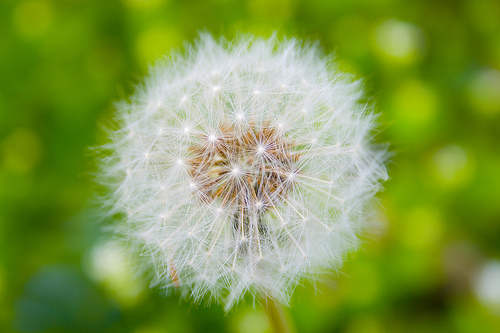
Dandelion
Taraxacum officinale
Ubiquitous perennial featuring bright golden-yellow composite flowers that trans...
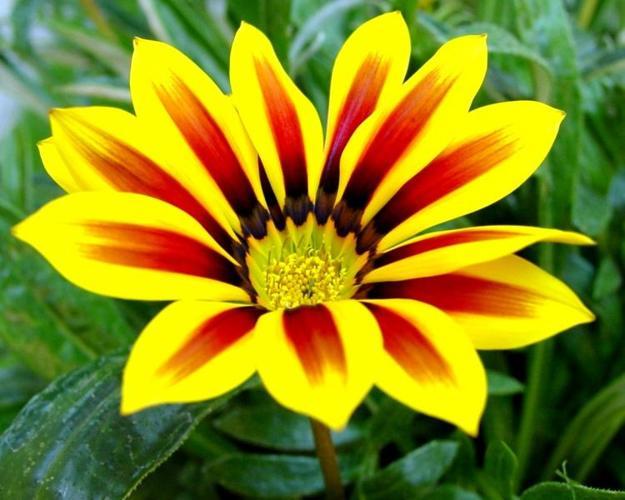
Gazania
Gazania rigens
Vibrant, daisy-like blooms known for their bright colors and ability to thrive i...
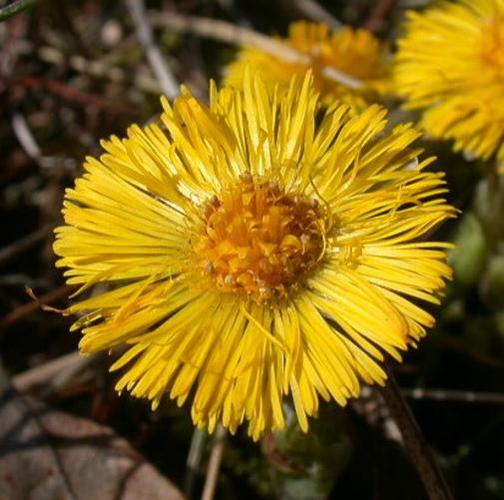
Coltsfoot
Tussilago farfara
Early spring wildflower featuring bright yellow, dandelion-like blooms that appe...
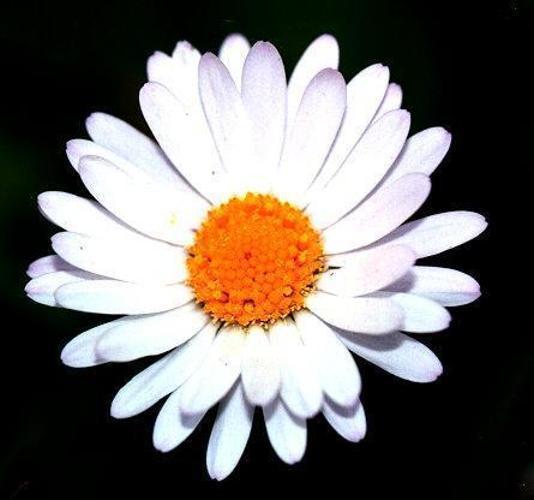
Oxeye Daisy
Leucanthemum vulgare
Classic wildflower with bright white petals radiating around golden-yellow cente...
Similar Characteristics
4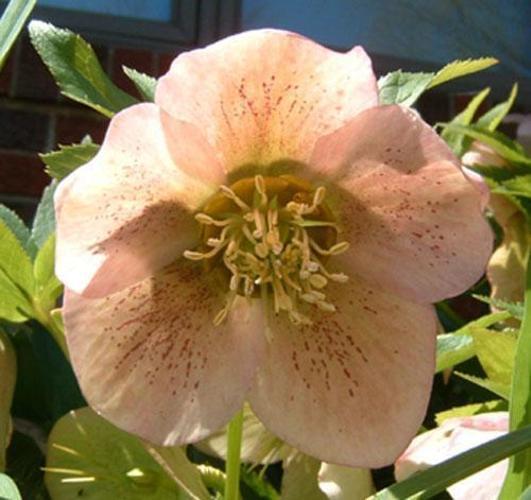
Lenten rose
Helleborus orientalis
Elegant shade-loving perennial featuring nodding, cup or saucer-shaped flowers i...
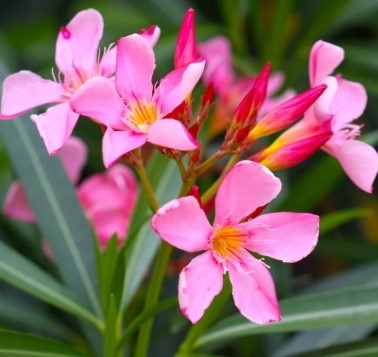
Oleander
Nerium oleander
Evergreen shrub with clusters of showy flowers in pink, white, red, yellow, or p...
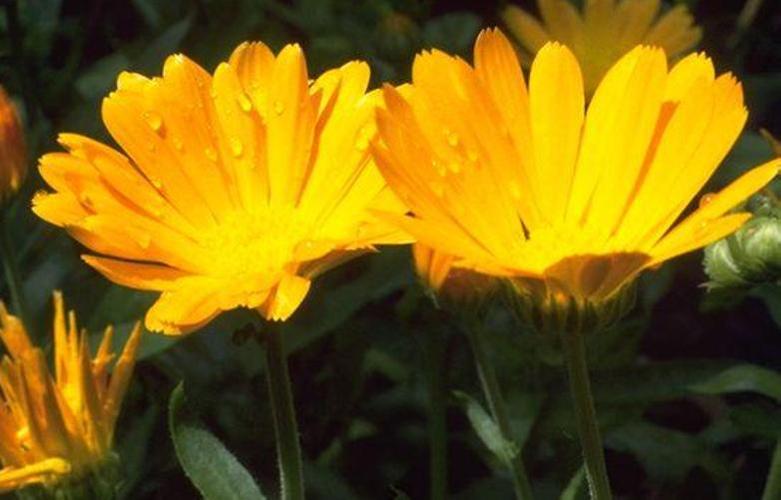
English Marigolds
Calendula officinalis
Cheerful annual featuring bright orange or yellow daisy-like flowers with a dist...
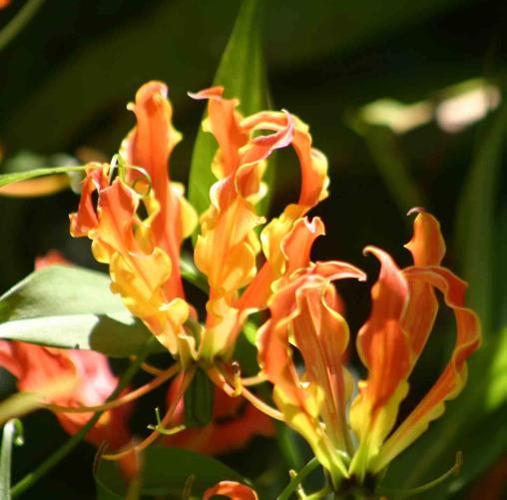
Fire Lily
Gloriosa superba
Spectacular climbing lily featuring exotic, flame-like flowers with dramatically...