
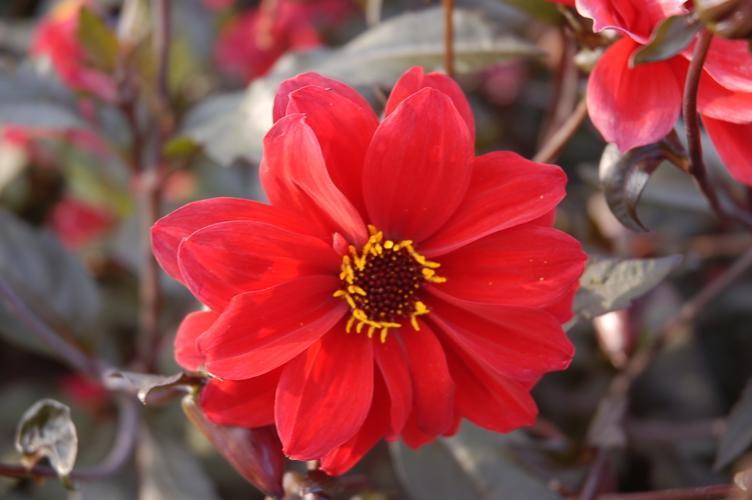
Dahlia
Dahlia
Basic Details
Floral Formula & Features
Composite flower head (capitulum). Ray florets - Bracteate, bilaterally symmetrical, female (or sterile), no sepals (modified to pappus or absent), numerous fused petals forming strap-shaped ray, no stamens, 2 fused carpels with inferior ovary. Disk florets - Bracteate, radially symmetrical, bisexual, no sepals, 5 fused petals forming tube, 5 fused stamens, 2 fused carpels with inferior ovary
- Named after Swedish botanist Anders Dahl (1751-1789), student of Linnaeus. National flower of Mexico where Aztecs cultivated dahlias for food (edible tubers) and ceremony. Introduced to Europe in 1789. 'Bishop of Llandaff' is famous cultivar with dark burgundy foliage and scarlet flowers. Over 42 species, 57,000+ registered cultivars
- Flowers 2-12 inches (5-30 cm) across depending on type. Classified into 14-19 groups by form: single, anemone, collarette, waterlily, decorative, ball, pompon, cactus, semi-cactus, and more. Colors include red, pink, purple, orange, yellow, white, and bicolors (no true blue). Composite flower heads with ray and disc florets
- Tuberous perennial (grown as annual in cold climates). Blooms midsummer through first frost (July-October). Requires lifting and storing tubers in zones colder than 8. Produces multiple stems from single tuber clump. Pinching and disbudding increase flower size and quantity
- Grows 1-6 feet (30-180 cm) tall depending on variety (border dahlias 1-2 feet, medium 2-4 feet, tall 4-6 feet). Lifespan of tubers many years with proper storage. Propagated by dividing tuber clumps (each division needs eye/growth point), stem cuttings, or seed (doesn't come true)
- Native to Mexico and Central America, particularly mountainous regions of Mexico and Guatemala at elevations 4,000-6,000 feet. Grown by Aztecs for centuries before European introduction. Now cultivated worldwide, especially popular in UK, Netherlands, and United States
- Requires full sun with 6-8 hours of direct sunlight. Prefers rich, well-drained soil with consistent moisture. Plant tubers after last frost, 4-6 inches deep. Stake tall varieties. Deadhead spent blooms to encourage more flowers. Dig tubers after first frost in cold climates, store 40-50°F (4-10°C)
- Premium cut flower lasting 5-7 days (cut in morning, recut stems daily). Popular in competitive flower shows with strict classification standards. Attracts bees, butterflies, and hummingbirds. Deer resistant. Tubers historically eaten by Aztecs (taste like water chestnuts). Requires significant care but rewards with spectacular blooms
Names in Different Languages
What is Floral Formula?
A floral formula is a symbolic representation of a flower's structure using letters, numbers, and special symbols. It provides a concise way to describe the arrangement and number of floral parts.
This formula describes the flower's symmetry, sepals, petals, stamens, and carpels in a standardized format.
Formula Sequence
- Bract: Br or Ebr
- Bracteole: Brl or Ebrl
- Symmetry: % (Radial) or ⊕ (Bilateral)
- Sex: ♀ (Female), ♂ (Male), or ⚥ (Bisexual)
- Calyx/Sepal: K<number> (Free or Fused)
- Corolla/Petal: C<number> (Free or Fused)
- Androecium: A<number> (Free or Fused)
- Gynaecium: G<number> (Superior or Inferior Ovary)
Symbol Meanings
- Numbers: Indicate quantity of parts
- Parentheses (): Parts are fused together
- Plus (+): Parts in different whorls
- Underline: Superior ovary position
- Overline: Inferior ovary position
- ∞: Numerous parts (too many to count)
Understanding floral formulas helps botanists quickly identify and classify flowers based on their structural characteristics.
Similar Flowers
Discover flowers that share botanical characteristics
Same Genus
2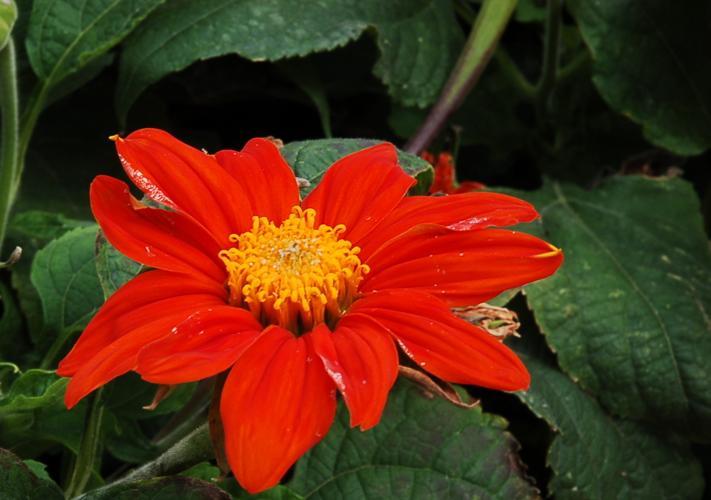
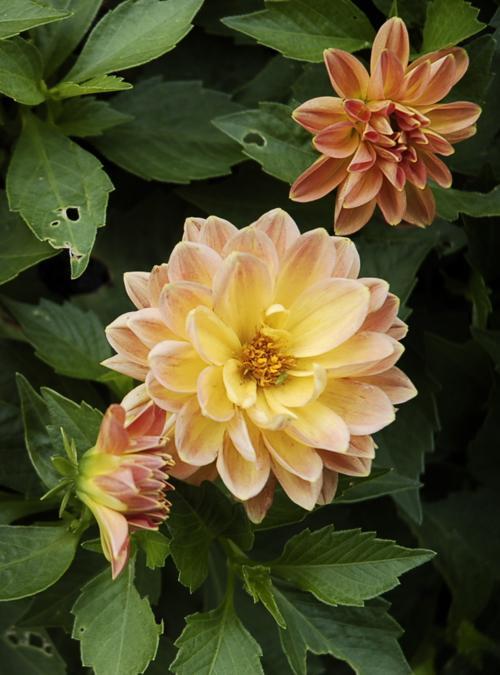
Same Family
4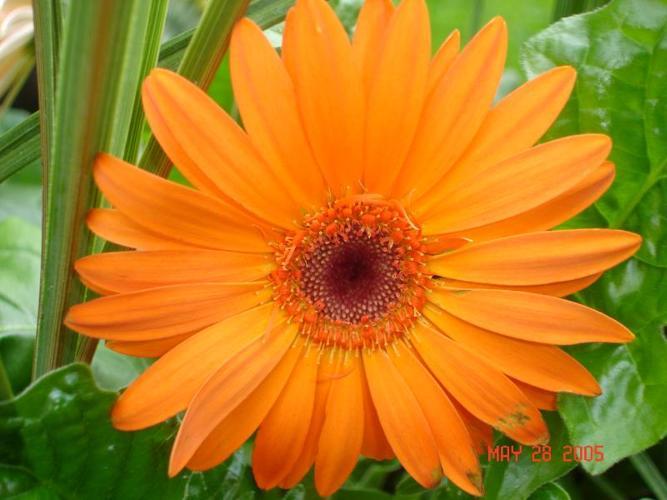
Barberton Daisy
Gerbera jamesonii
Cheerful composite flower featuring large, daisy-like blooms with vibrant ray pe...
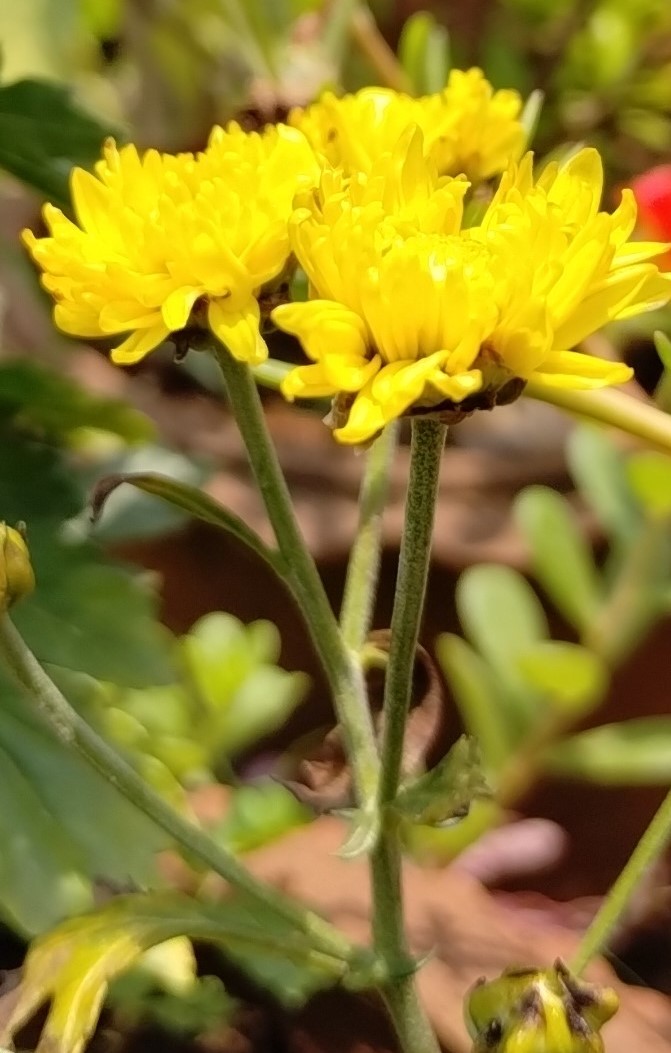
Chrysanthemum
Chrysanthemum
Beloved fall-blooming perennial celebrated for its profuse, colorful flowers tha...
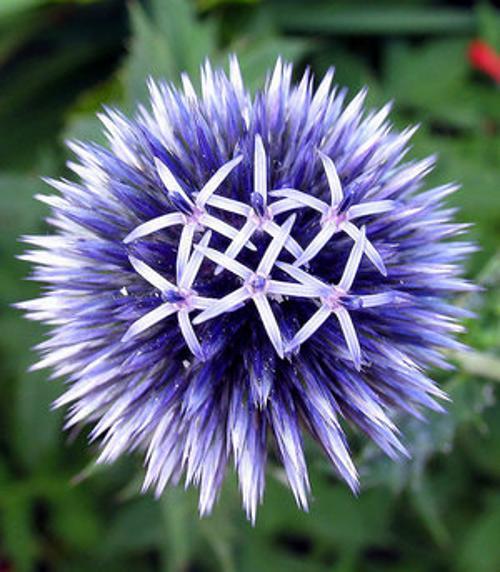
Globe Thistle
Echinops
Striking architectural perennial featuring perfectly spherical, spiky flower hea...
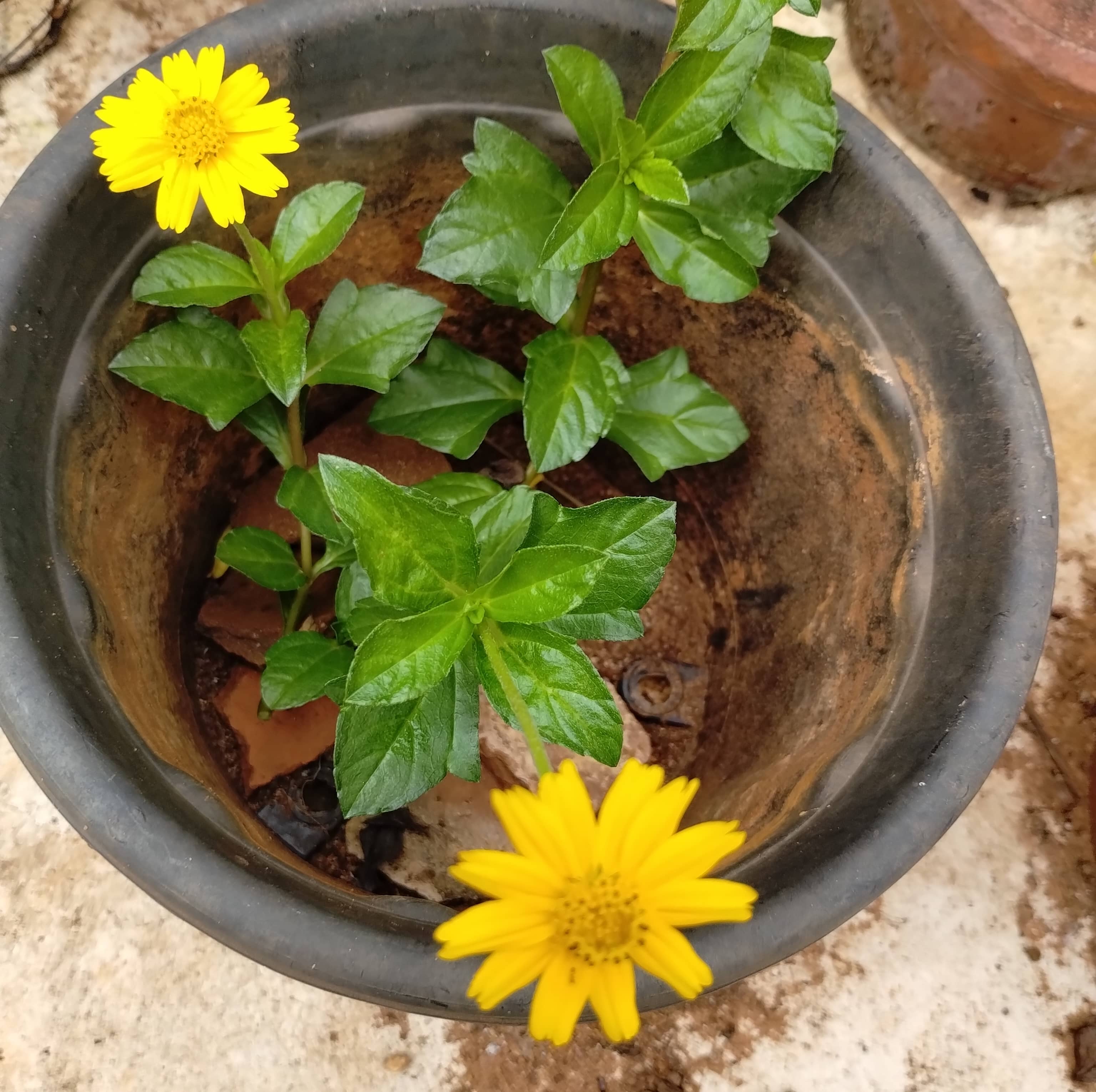
Wedelia Trilobata
Sphagneticola trilobata
Highly invasive mat-forming perennial groundcover with bright yellow daisy-like ...
Similar Characteristics
4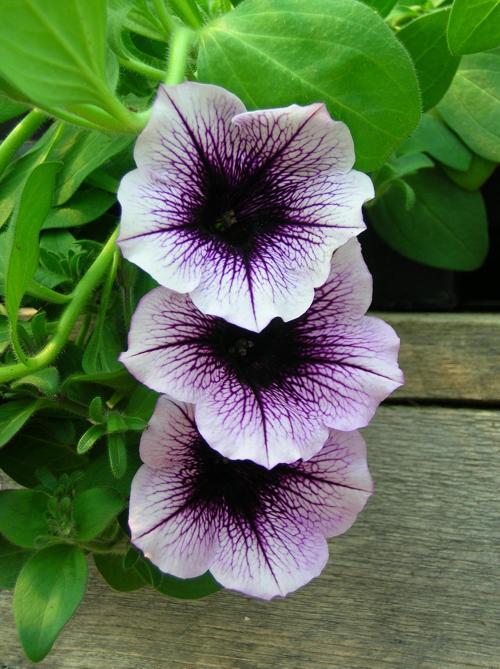
Petunia
Petunia
Popular annual with trumpet-shaped flowers in every color imaginable - purple, p...
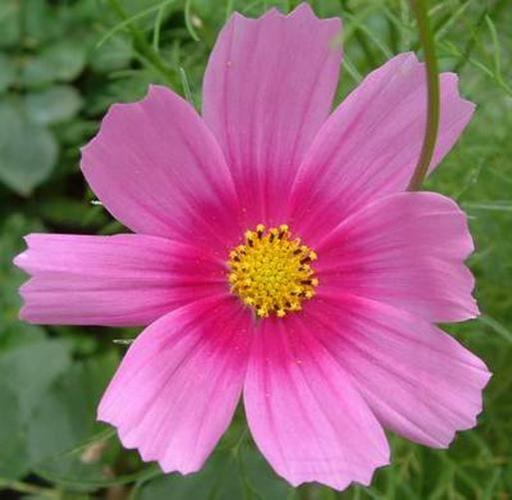
Mexican Aster
Cosmos bipinnatus
Graceful annual with airy, fern-like foliage and cheerful daisy-like flowers in ...
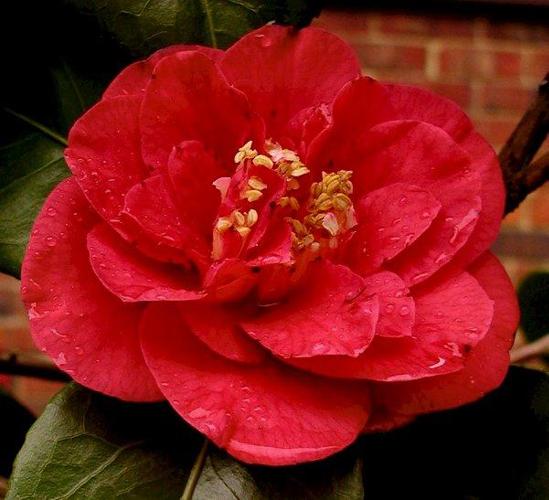
Camellia
Camellia japonica
Elegant evergreen shrub prized for exquisite rose-like blooms that appear when f...
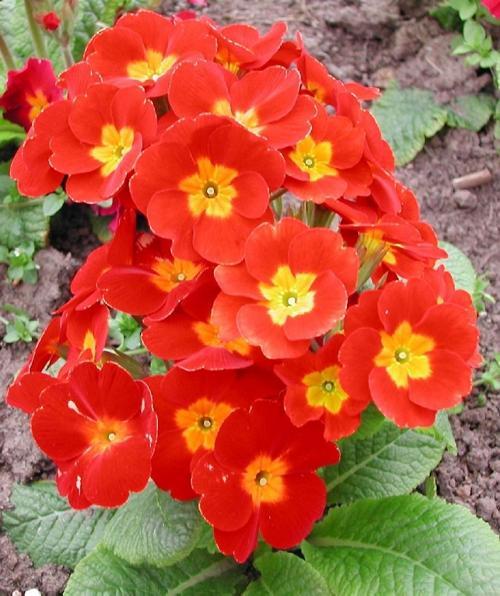
Primula (Common Primrose)
Primula vulgaris
Classic spring flower with pale yellow to cream blooms nestled in rosettes of wr...