The Chemistry in Our Food Supply
Every year, millions of consumers look to the EWG "Dirty Dozen" list to navigate the complex world of pesticide residues in their groceries. But where do these rankings actually come from, and what do they really mean for your health?
This comprehensive guide breaks down the science, the agencies, and the three-year ranking trends (2024–2026) of the most pesticide-contaminated produce. More importantly, we provide actionable, home-based testing and washing protocols to help you minimize your exposure.
Who Ranks the "Dirty Dozen"?
The rankings are compiled and published annually by the Environmental Working Group (EWG), a non-profit environmental advocacy organization. However, the EWG does not conduct its own chemical testing. Instead, it analyzes raw federal database reports from the following government agencies:
- USDA (United States Department of Agriculture): Through its annual Pesticide Data Program (PDP), the USDA tests thousands of domestic and imported produce samples. The USDA wash and peel samples before testing, meaning the residues found are those that remain after normal kitchen preparation.
- FDA (Food and Drug Administration): The FDA conducts the Pesticide Residue Monitoring Program, focusing heavily on imported agricultural products to ensure compliance with federal safety limits.
A Critical Note on Safety Margins
While the EWG list is a valuable tool for prioritizing organic purchasing, agricultural scientists and toxicologists often highlight a crucial distinction: hazard vs. risk. The EPA (Environmental Protection Agency) sets strict legal limits, known as tolerances, for pesticide residues on foods. The USDA PDP consistently reports that over 99% of tested samples have pesticide residues well below the EPA's safety tolerances.Both the EWG and health organizations emphasize that the nutritional benefits of eating a diet rich in fruits and vegetables—even conventionally grown—far outweigh the potential risks of trace pesticide residues. The guide is designed to help you prioritize where to spend your organic budget, not to scare you away from fresh produce.
3-Year Trend Analysis: How the Rankings Shifted (2024–2026)
The table below tracks the movement of the most pesticide-contaminated produce over the last three years. In 2025, the EWG updated its methodology to factor in pesticide toxicity alongside residue frequency and concentration, causing major shifts in the list:
| Rank | Produce Item | 2025 Rank | 2024 Rank | 3-Year Trend | BioLens Safety Guide |
|---|---|---|---|---|---|
| 1 | Spinach | 1 | 2 | 📈 Up (Toxicity score increased) | Spinach Guide |
| 2 | Kale, Collards & Mustard | 3 | 3 | 📈 Up (High systemic residue) | Leafy Greens Guide |
| 3 | Strawberries | 2 | 1 | 📉 Down (Lower frequency) | Strawberries Guide |
| 4 | Grapes | 4 | 4 | ➡️ Stable (High fungicide load) | Grapes Guide |
| 5 | Nectarines | 7 | 7 | 📈 Up (Heavy skin absorption) | Nectarines Guide |
| 6 | Peaches | 5 | 5 | 📉 Down | Peaches Guide |
| 7 | Cherries | 6 | 10 | 📈 Up | Cherries Guide |
| 8 | Apples | 9 | 8 | ➡️ Stable (Wax traps residues) | Apples Guide |
| 9 | Blackberries | 10 | NR* | 📈 Up (Entered top 12) | Berries Guide |
| 10 | Pears | 8 | 6 | 📉 Down (High fungicide dips) | Pears Guide |
| 11 | Potatoes | 12 | NR* | 📈 Up (Entered top 12) | Potatoes Guide |
| 12 | Blueberries | 11 | 11 | 📉 Down | Blueberries Guide |
NR = Not Ranked in the Top 12 that year. Note: Bell & Hot Peppers and Green Beans dropped out of the official top 12 in 2025/2026, but remain highlighted by the EWG as "Plus" items due to high toxicity levels.
Individual Food Item Deep Dives & Home Safety Tips
Here is a detailed breakdown of the 12 items on the 2026 list, the specific chemical concerns for each, and the best home-based washing and testing methods to keep your family safe:
1. Spinach
# Trend: 📈 Held the #1 spot in 2025 and 2026, rising from #2 in 2024.
Chemical Concern: High levels of permethrin, a neurotoxic insecticide banned in Europe, and DDT breakdown products (long-term environmental residues).
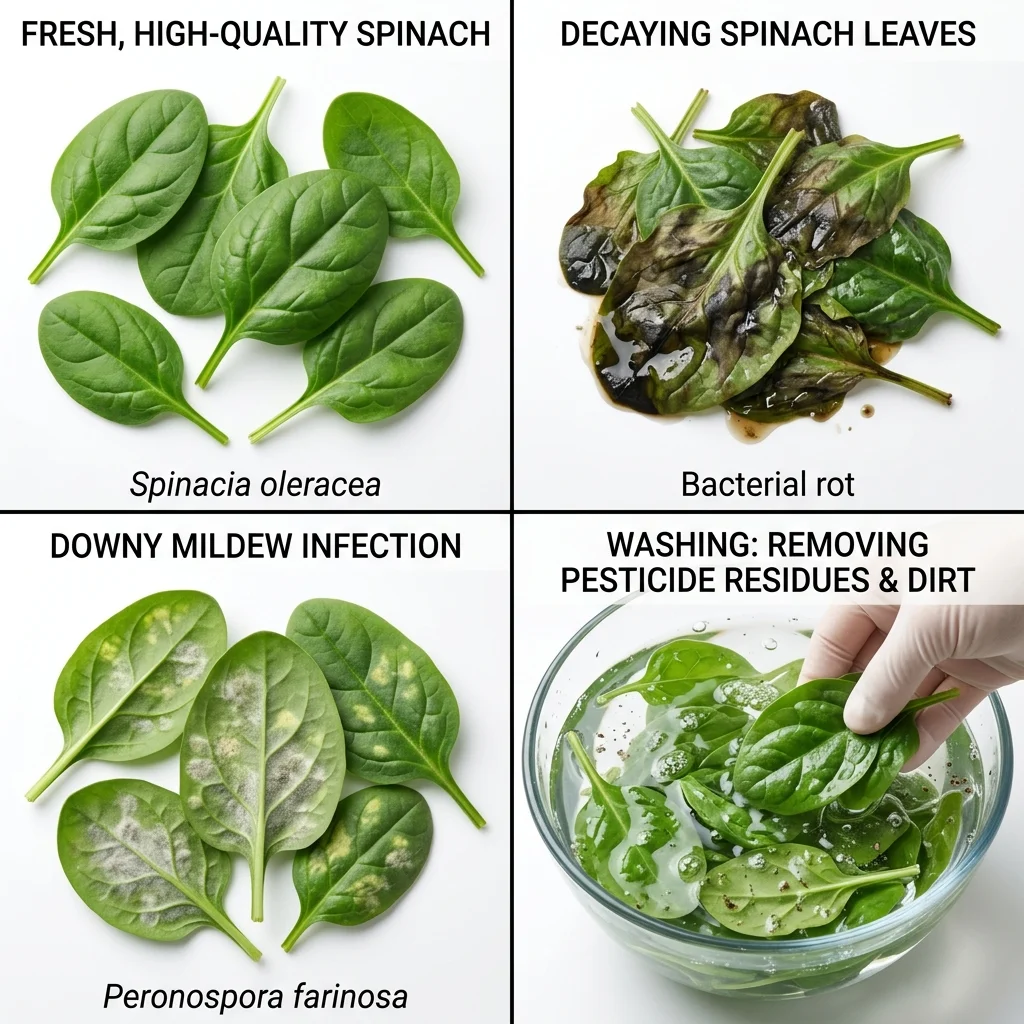
Home Safety Tip: Because spinach leaves are thin and highly porous, they absorb pesticides systemically into their cells. Washing cannot remove internal pesticides. Therefore, spinach is the #1 item you should buy organic. If buying conventional, submerge and soak leaves in cold water for 15 minutes, then dry thoroughly to remove surface dirt and mold.
2. Kale, Collard, and Mustard Greens
# Trend: 📈 Rose to #2 in 2026, up from #3 in 2024 and 2025.
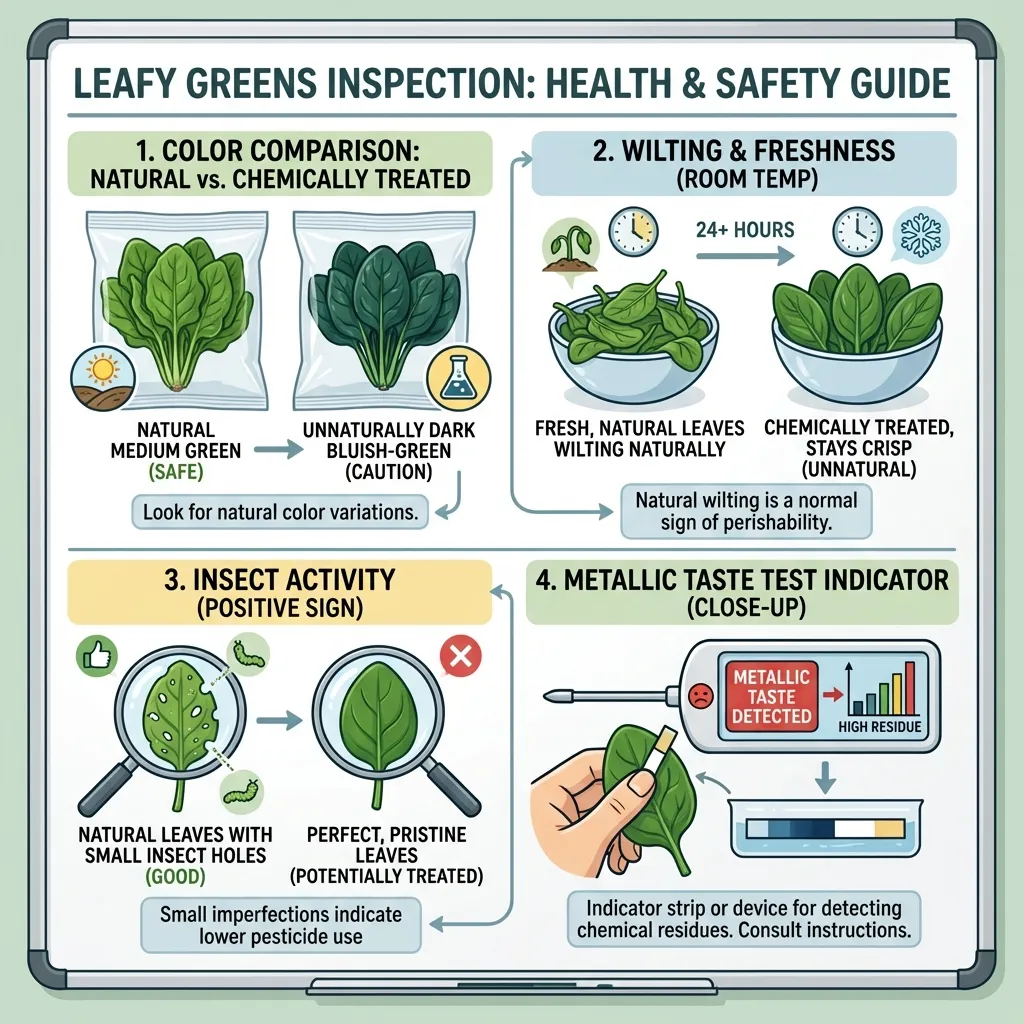
Chemical Concern: Dacthal (DCPA), a herbicide classified by the EPA as a possible human carcinogen, and synthetic pyrethroids.
Home Safety Tip: Rub the leaves under running water. A 10-minute soak in a vinegar-water solution (1 part vinegar to 3 parts water) helps dissolve waxy residue and surface chemical films.
3. Strawberries
# Trend: 📉 Dropped to #3, down from #1 in 2024.
Chemical Concern: Bifenthrin (pyrethroid insecticide), carbendazim (fungicide), and artificial color dyes sometimes used topically on stale batches.
Home Safety Tip: Soak strawberries in a baking soda solution (1 teaspoon of baking soda per 2 cups of water) for 12 minutes, then rinse with fresh cold water. This neutralizes and removes up to 80% of surface pesticide residues.
4. Grapes
# Trend: ➡️ Stable at #4 across all three years.
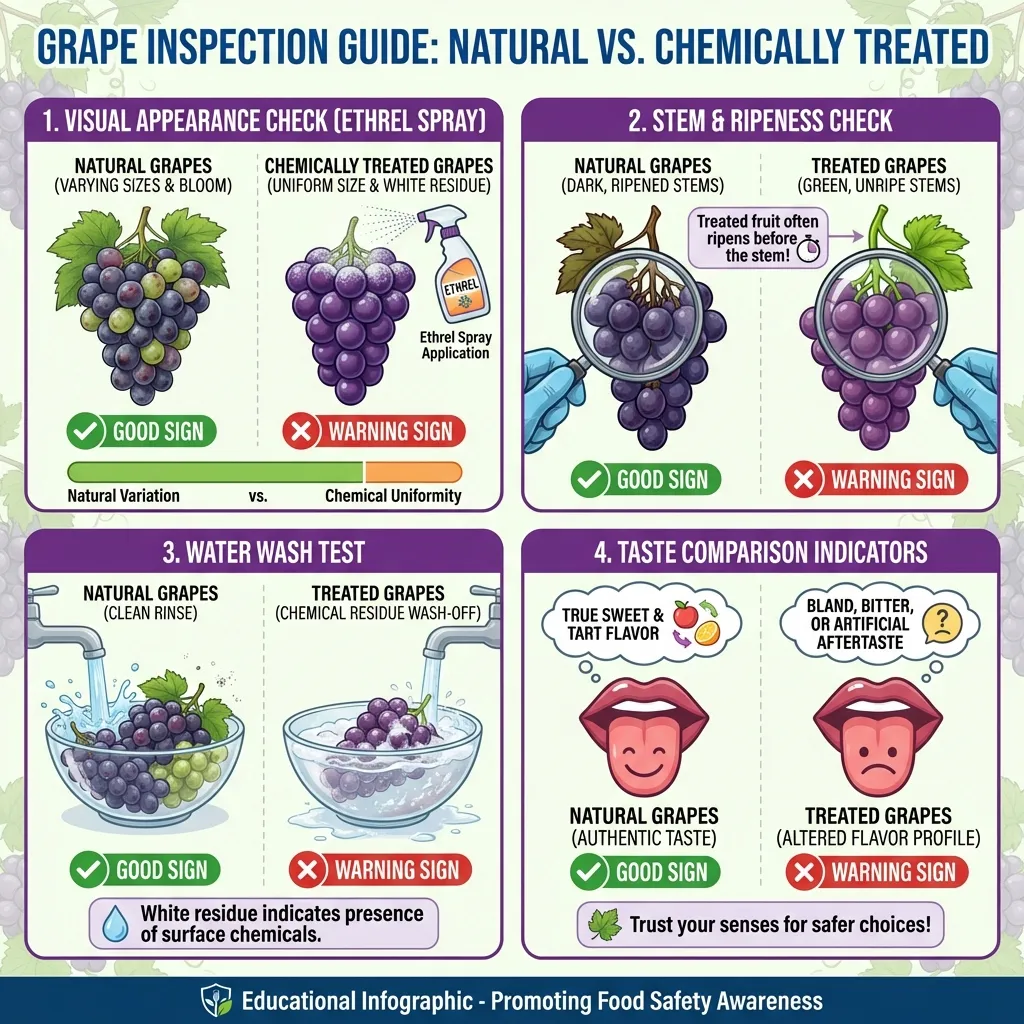
Chemical Concern: Fludioxonil and imidacloprid (neonicotinoid). Grapes are heavily sprayed close to harvest to prevent mildew during transport.
Home Safety Tip: Do not wash grapes until you are ready to eat them, as moisture promotes mold. Before eating, soak the grape clusters in salted water (1 tablespoon of salt per bowl) for 5 minutes, then rinse. The salt acts as a mild abrasive to remove pesticide-laden dust.
5. Nectarines
# Trend: 📈 Rose to #5, up from #7 in 2024 and 2025.
Chemical Concern: Systemic insecticides and synthetic wax coatings (designed to trap moisture and pesticides on the smooth skin).
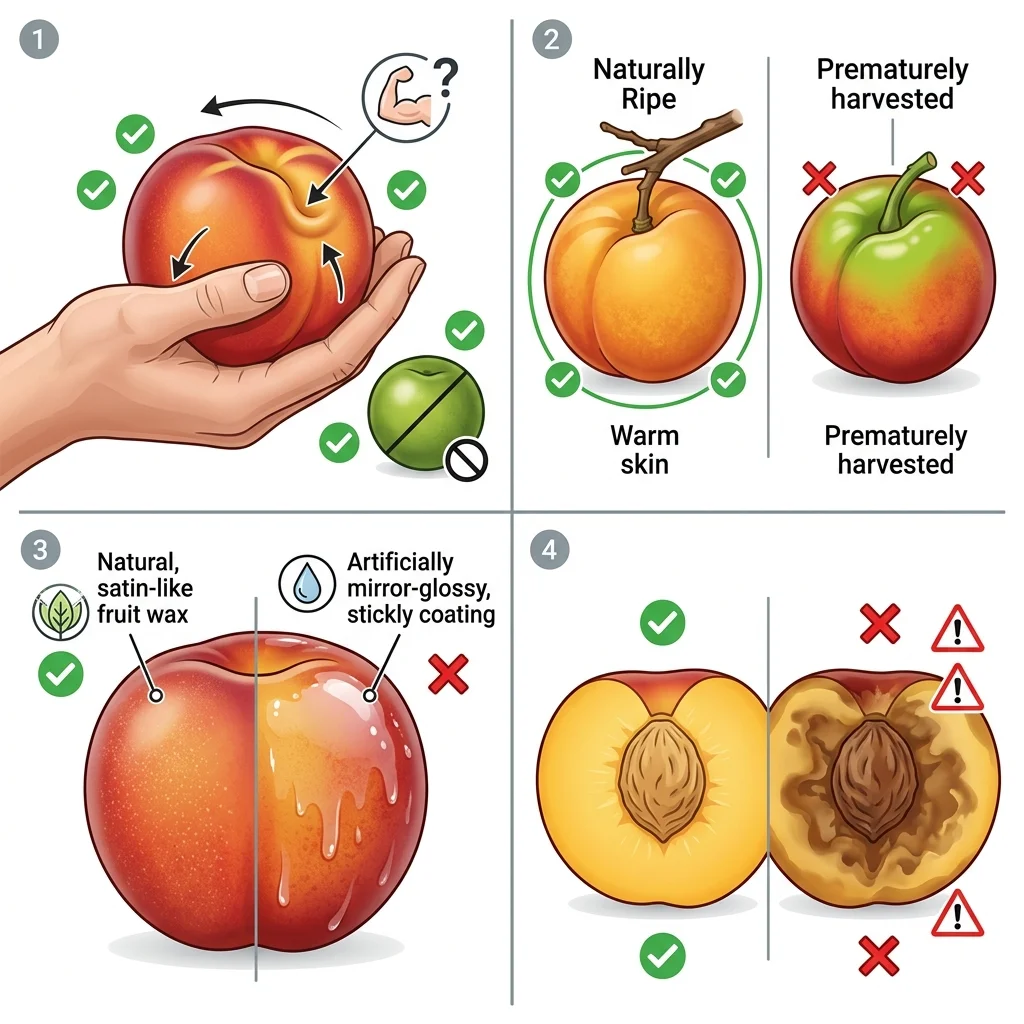
Home Safety Tip: Look for a rich yellow or gold background color near the stem; green shoulders reveal premature chemical ripening. Wash nectarines in a vinegar-water bath, and gently scrub the smooth skin.
6. Peaches
# Trend: 📉 Dropped to #6, down from #5 in 2024 and 2025.
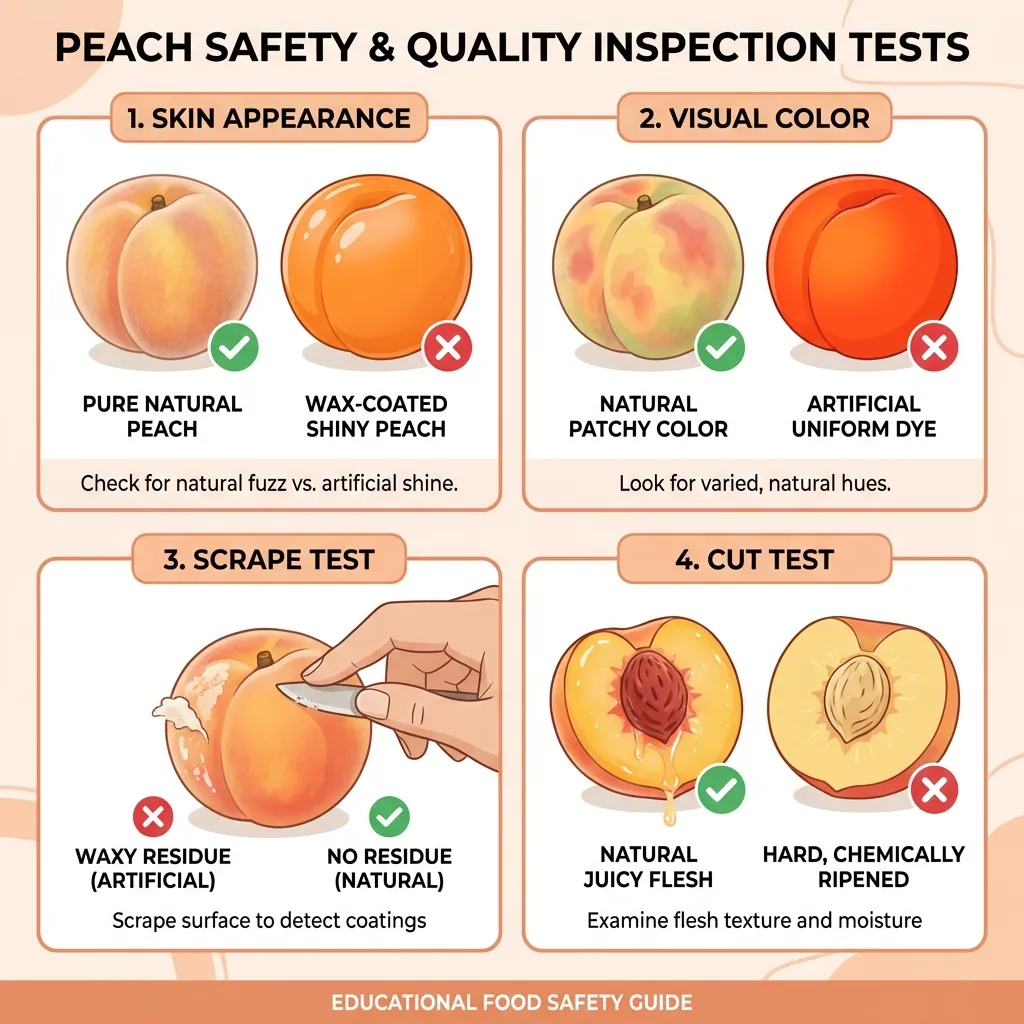
Chemical Concern: Fuzzy skin acts like velcro, trapping high concentrations of post-harvest fungicides (fludioxonil) and organophosphates.
Home Safety Tip: The skin fuzz holds pesticide spray like a sponge. Peeling is highly effective for peaches, though it removes beneficial fiber. Alternatively, soak in a vinegar-water bath and use a soft vegetable brush to thoroughly scrub the fuzz away.
7. Cherries
# Trend: 📈 Rose to #7, up from #10 in 2024.
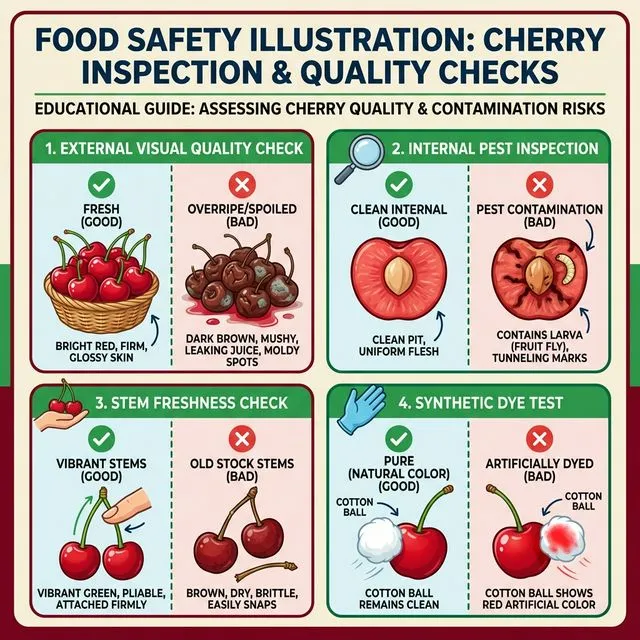
Chemical Concern: Bifenthrin, boscalid, and chemical wax coatings applied to give the cherries a high-gloss finish.
Home Safety Tip: Reject cherries that feel sticky, greasy, or are unnaturally mirror-glossy. Soak in cold water with a squeeze of lemon juice for 10 minutes to help strip away the oily chemical coatings.
8. Apples
# Trend: ➡️ Stable around #8 (Ranked #9 in 2025, #8 in 2024 and 2026).
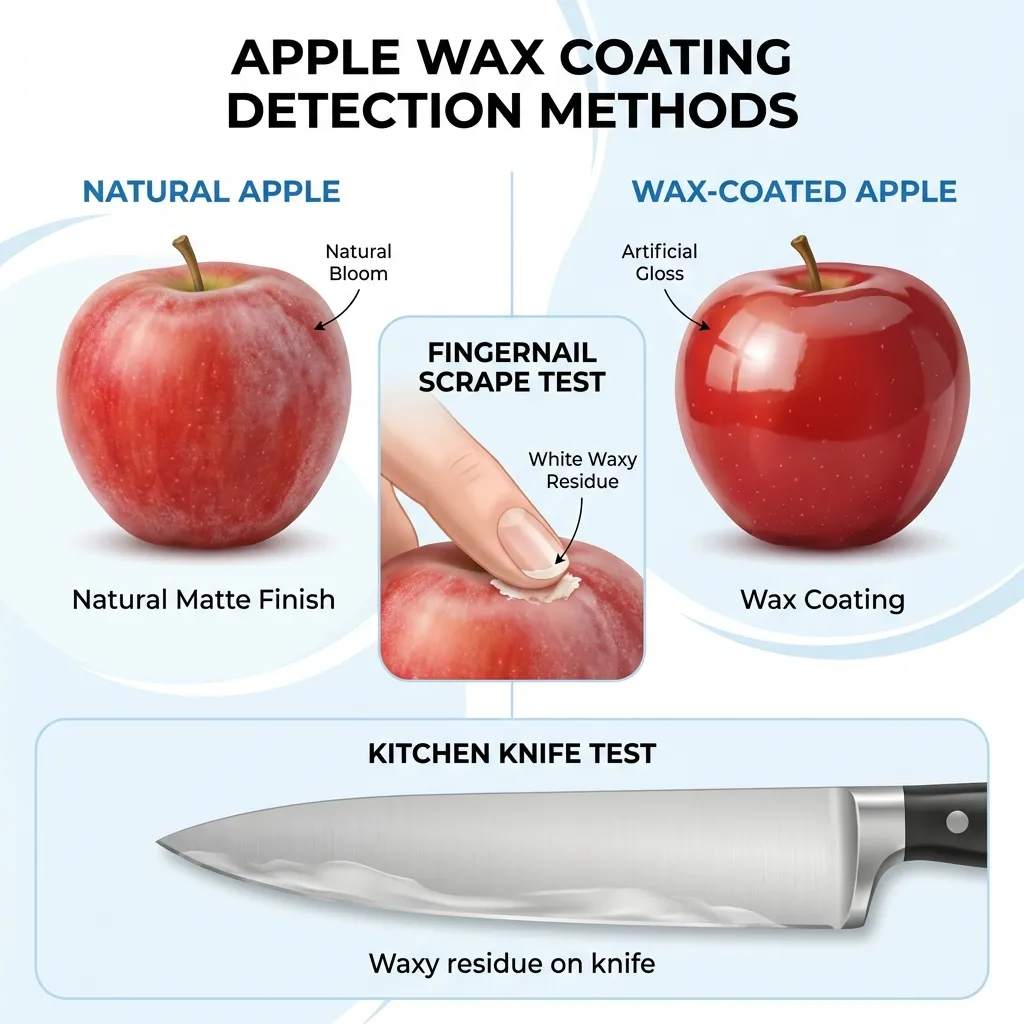
Chemical Concern: Diphenylamine (DPA), a chemical used to prevent 'storage scald' during months of cold storage, and heavy paraffin wax coatings.
Home Safety Tip: Gently scrape the skin with a dull knife. If white, powdery flakes come off, the apple has been waxed. Dip waxed apples in warm water for 5 seconds to melt and cloud the wax, then wipe dry with a rough towel to strip the wax and trapped DPA.
9. Blackberries
# Trend: 📈 Held the #9 spot in 2026, up from #10 in 2025.
Chemical Concern: High levels of fungicides like pyraclostrobin and boscalid to prevent rapid rotting.
Home Safety Tip: Blackberries have a very high surface-area-to-weight ratio and extremely delicate skins. Submerge them in a colander in a bowl of cold water with a splash of vinegar. Swirl gently, soak for 5 minutes, and rinse. Do not scrub, as it will rupture the druplets.

10. Pears
# Trend: 📉 Dropped to #10, down from #6 in 2024.
Chemical Concern: Post-harvest fungicide dips (thiabendazole) and diphenylamine.
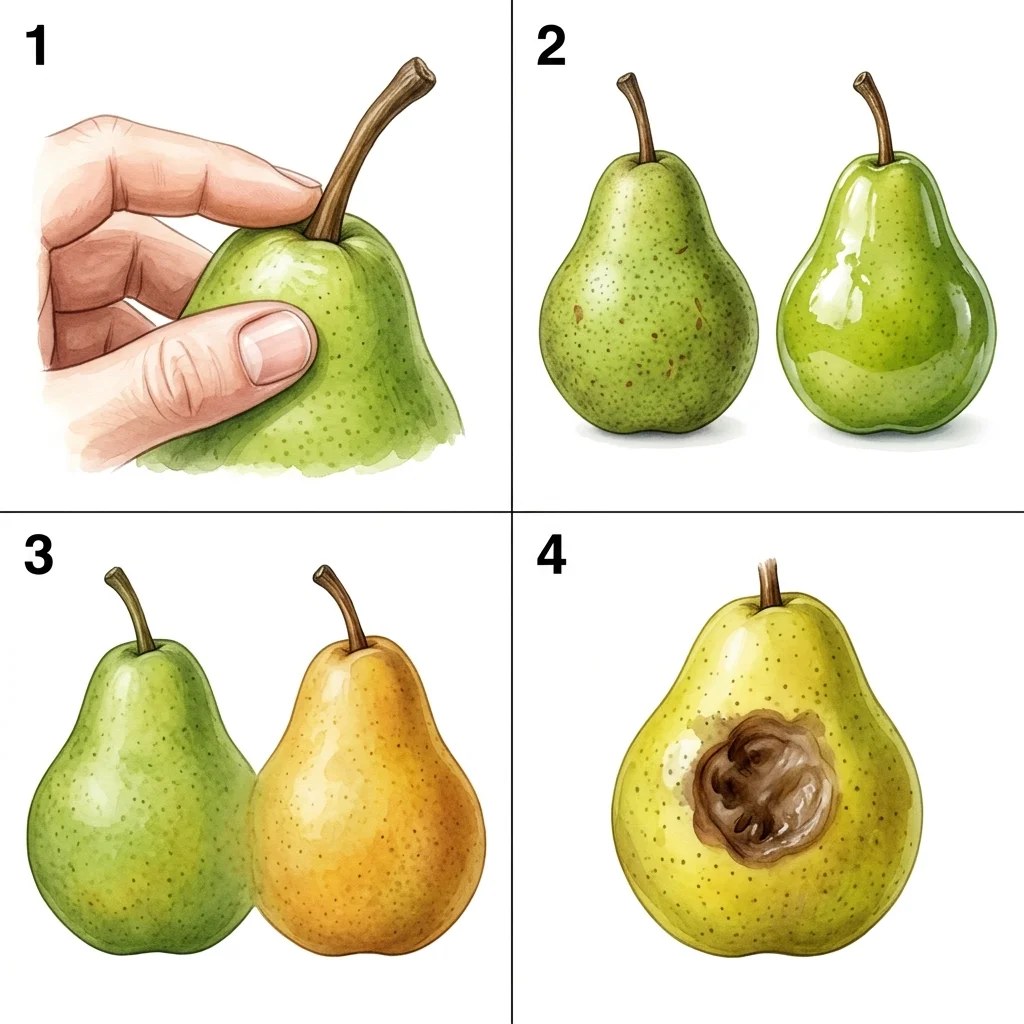
Home Safety Tip: Use the 'Check the Neck' test (press the narrow neck near the stem; if it yields slightly, it is naturally ripe). Soak in a vinegar-water bath, and scrub the skin gently. Peeling is recommended if the skin has a strong chemical or medicinal odor.
11. Potatoes
# Trend: 📈 Held #11 in 2026, up from #12 in 2025 and unranked in 2024.
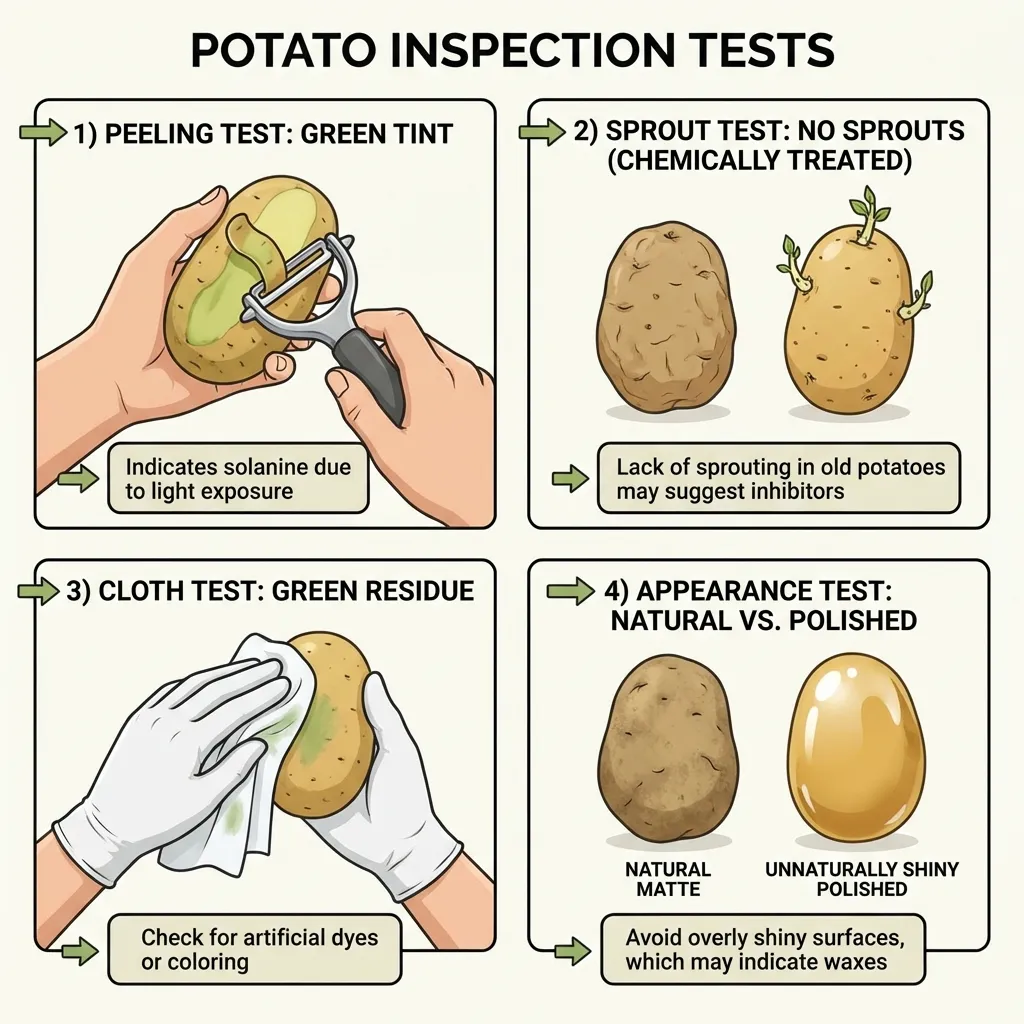
Chemical Concern: Chlorpropham, a sprout inhibitor sprayed on potatoes during storage, and soil-bound heavy metals.
Home Safety Tip: Always peel potatoes generously if they show green skin patches. The green color indicates solanine—a toxic glycoalkaloid that develops due to light exposure and cannot be destroyed by boiling or baking. Scrub conventional potatoes with a stiff brush under running water to remove chemical-laden soil.
12. Blueberries
# Trend: 📉 Dropped to #12, down from #11 in 2024 and 2025.
Chemical Concern: Phosmet (organophosphate insecticide) and malathion.
Home Safety Tip: Soak in a baking soda bath for 10 minutes. Real fresh blueberries will float or sink evenly in slightly salted water; rub them gently on white paper to check for artificial blue dye transfers.
The Global Picture: European and Asian Pesticide Monitoring Agencies
Pesticide regulation and monitoring are not unique to the United States. If you are shopping or living outside the US, similar rigorous testing schemes are conducted by regional food safety authorities:
1. Europe & United Kingdom
- EFSA (European Food Safety Authority): EFSA publishes the annual EU Report on Pesticide Residues in Food, analyzing over 80,000 food samples across all member states. The EU enforces some of the strictest maximum residue limits (MRLs) in the world and has banned numerous pesticides that remain legal in the US (such as the neurotoxic insecticide permethrin).
- PAN Europe (Pesticide Action Network): An active European NGO that compiles the "Dirty Dozen Europe" reports, drawing from EFSA data to highlight the most contaminated European produce.
- PRiF (Pesticide Residues in Food): In the UK, this independent expert committee conducts quarterly national testing programs, reporting pesticide residues in British retail foods directly to the government.
2. Asia & Oceania
- FSSAI (Food Safety and Standards Authority of India): FSSAI runs the Monitoring of Pesticide Residues at National Level (MPRNL) scheme. It regularly samples fruits, vegetables, grains, and pulses from retail markets across India to identify illegal pesticide applications and heavy metal contaminations.
- MHLW (Ministry of Health, Labour and Welfare - Japan): Japan maintains a highly rigorous "Positive List System" for agricultural chemicals, conducting extensive import audits and domestic market testing to enforce extremely low residue tolerances.
- SAMR & MARA (China): The State Administration for Market Regulation (SAMR) and the Ministry of Agriculture and Rural Affairs (MARA) run national food safety sampling and agricultural product quality monitoring programs.
- SFA (Singapore Food Agency): Because Singapore imports over 90% of its food, the SFA enforces an exceptionally strict, multi-tiered testing program at its ports, rejecting entire shipments that show even trace amounts of banned or excessive pesticides.
The BioLens Takeaway
Knowledge is your best defense against chemical exposure in the food supply. By understanding pesticide trends, prioritizing organic purchases for the Dirty Dozen, and applying simple home-based washing techniques, you can significantly reduce your toxic load while enjoying the essential health benefits of fresh produce.
To scan and verify your groceries visually today, use the BioLens AI Food Guard!