
Is Lavender Safe for Dogs and Cats?
Lavandula angustifolia
Lavender (Lavandula angustifolia) is a highly popular, aromatic evergreen shrub grown worldwide for its soothing fragrance and spikes of purple flower...
Scan & Verify This Plant Specimen
Snap or upload a photo to verify botanical authenticity and test toxicity for cats, dogs, and birds.
Drop Lavender photo here to verify
or click to browse • Supports JPG, PNG, WEBP • Paste with Ctrl+V
Symptoms to Watch For
Current risk level for cats based on ingestion severity.
Information provided by BioLens Veterinary Database. In case of emergency, always consult a professional.
If your pet ate this plant:
Professional First Aid Summary:
Cats are highly sensitive to essential oils. Wash any sap off the coat. If vomiting or severe lethargy occurs, seek veterinary evaluation immediately.
In-Depth Botanical Safety Analysis
Scientific evaluation and toxicological breakdown of Lavender
Lavender (Lavandula angustifolia) is a highly popular, aromatic evergreen shrub grown worldwide for its soothing fragrance and spikes of purple flowers. However, it represents a mild to moderate toxicity concern for household pets, with cats being more sensitive than dogs. According to poison specialists at the ASPCA and the AVMA, lavender contains active essential oil compounds called linalool and linalyl acetate. Cats lack the specific liver enzymes needed to break down and metabolize these essential oils, making them vulnerable to systemic toxicity. Chewing on fresh lavender leaves or flowers can cause nausea, drooling, vomiting, and depression in cats. Dogs are less sensitive but can experience mild gastrointestinal distress, vomiting, and loss of appetite if they consume large quantities of the plant. Concentrated lavender essential oil is particularly hazardous and should never be applied directly to a pet's skin or used in closed diffusers. If you suspect your cat has ingested lavender or exhibits signs of toxicity, seek veterinary guidance. For a completely safe, aromatic garden herb, consider planting Rosemary.
Toxic Parts
Recommended Pet-Safe Alternatives

Global Names & Multilingual Search
Specific Safety FAQs for Lavender
Is Lavender toxic to cats?
Yes, Lavender is moderately toxic to cats. They lack the liver enzymes to properly process linalool, leading to nausea and lethargy.
Is Lavender toxic to dogs?
Lavender is mildly toxic to dogs in large amounts. Chewing a few sprigs usually only causes minor stomach irritation.
Is Lavender essential oil safe for pets?
No, concentrated essential oils are highly toxic and should never be applied to pets or diffused in closed spaces.
What are safe alternatives to Lavender?
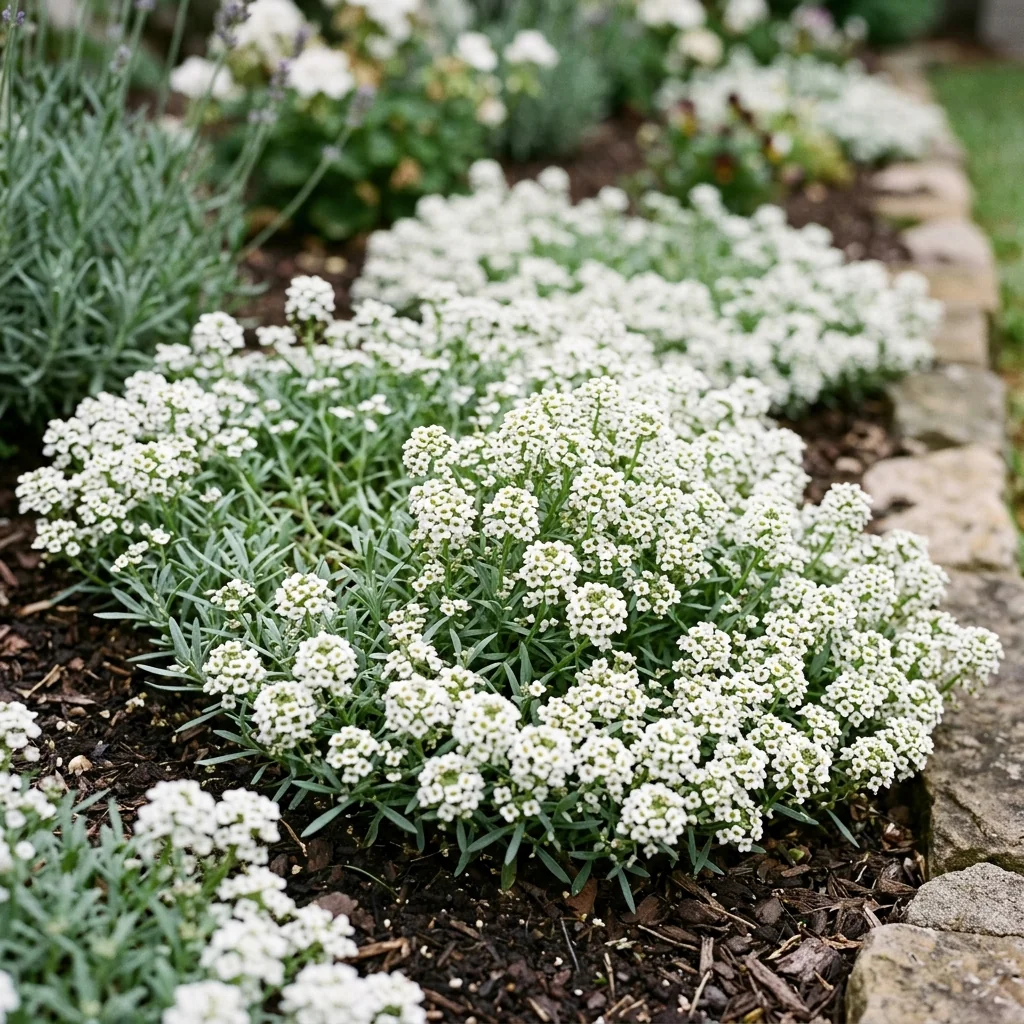
Rosemary, Thyme, and Sweet Alyssum are excellent, fully non-toxic alternatives for your garden.
20 Dangerous Garden Plants: Cat Toxicity & Safety Guide
Felines are highly sensitive to houseplants and flowers. Learn which 20 common species cause severe or fatal reactions in cats, including lilies, and discover safe, cat-friendly garden alternatives.