
Is Hyacinth Safe for Dogs and Cats?
Hyacinthus orientalis
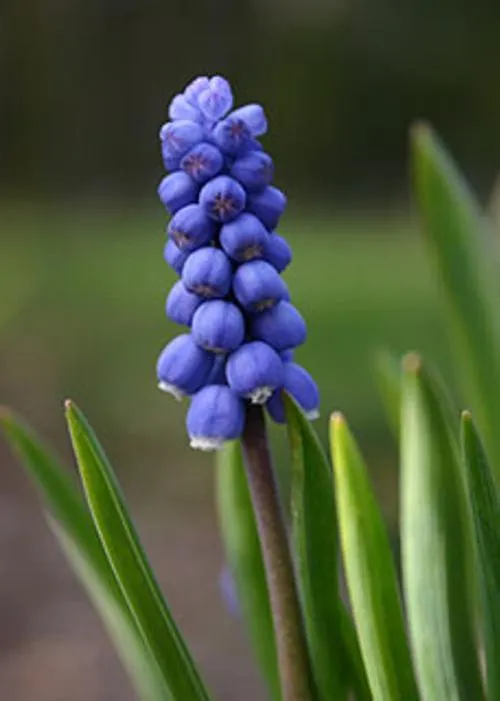
Hyacinths (Hyacinthus orientalis) are highly toxic to both cats and dogs.
Scan & Verify This Plant Specimen
Snap or upload a photo to verify botanical authenticity and test toxicity for cats, dogs, and birds.
Drop Hyacinth photo here to verify
or click to browse • Supports JPG, PNG, WEBP • Paste with Ctrl+V
Symptoms to Watch For
Current risk level for cats based on ingestion severity.
Information provided by BioLens Veterinary Database. In case of emergency, always consult a professional.
If your pet ate this plant:
Professional First Aid Summary:
Rinse mouth. Get to a vet if the bulb was chewed or swallowed.
In-Depth Botanical Safety Analysis
Scientific evaluation and toxicological breakdown of Hyacinth
Hyacinths (Hyacinthus orientalis) are highly toxic to both cats and dogs. According to toxicological data from the ASPCA and the AVMA, the entire plant is toxic, but the bulbs contain the highest concentration of allergenic chemical compounds called lycorine alkaloids and calcium oxalate crystals. When a pet chews on the plant, the needle-like oxalate crystals cause immediate, intense burning and irritation in the mouth, tongue, and throat. Swallowing the bulbs or leaves releases lycorine alkaloids, which act as systemic emetics. This triggers severe drooling, persistent vomiting, bloody diarrhea, rapid breathing, and an increased heart rate. In severe cases, pets develop weakness, depression, and tremors. Ingestion of the bulbs dug up from gardens is the most common cause of severe poisoning. Immediate veterinary care is recommended if the bulbs are consumed. To protect your pets, consider planting safe spring look-alikes like the Snapdragon or the non-toxic Marigold. Hyacinths are highly valued in gardens for their dense spikes of fragrant, colorful flowers, but they represent a major toxic hazard for families with pets. The combination of calcium oxalates and lycorine causes both intense local pain and severe systemic distress. Treatment for hyacinth poisoning involves rinsing the mouth to relieve local irritation, inducing vomiting (if appropriate), giving activated charcoal, and running intravenous fluids to combat dehydration caused by vomiting and diarrhea. Keep all hyacinth bulbs stored securely out of reach of your pets.
Toxic Parts
Recommended Pet-Safe Alternatives
Global Names & Multilingual Search
Specific Safety FAQs for Hyacinth
Is Hyacinth toxic to dogs?
Yes, Hyacinths are highly toxic to dogs. Ingesting the bulbs dug up from gardens can cause severe vomiting and bloody diarrhea.
Is Hyacinth toxic to cats?
Yes, Hyacinths are highly toxic to cats. The bulbs and leaves cause intense oral irritation, drooling, and systemic poisoning.
What makes Hyacinth toxic to pets?
The plant contains lycorine alkaloids (which cause severe vomiting) and calcium oxalate crystals (which cause intense mouth pain).
What should I do if my dog ate a Hyacinth bulb?
Contact a veterinarian immediately. The bulbs are highly toxic and often require veterinary decontamination and supportive care.
What is a safe spring flower alternative?
Snapdragons are beautiful, spring-blooming flowers that are completely non-toxic and safe for pets.
20 Dangerous Garden Plants: Cat Toxicity & Safety Guide
Felines are highly sensitive to houseplants and flowers. Learn which 20 common species cause severe or fatal reactions in cats, including lilies, and discover safe, cat-friendly garden alternatives.