
Is Hosta Safe for Dogs and Cats?
Hosta spp.
Hostas (Hosta spp.), commonly known as Plantain Lilies, are extremely popular garden perennial plants valued for their lush, broad foliage and shade t...
Scan & Verify This Plant Specimen
Snap or upload a photo to verify botanical authenticity and test toxicity for cats, dogs, and birds.
Drop Hosta photo here to verify
or click to browse • Supports JPG, PNG, WEBP • Paste with Ctrl+V
Symptoms to Watch For
Current risk level for cats based on ingestion severity.
Information provided by BioLens Veterinary Database. In case of emergency, always consult a professional.
If your pet ate this plant:
Professional First Aid Summary:
Saponins cause stomach upset. Provide fresh water and monitor. Seek vet care if severe diarrhea or extreme weakness develops.
In-Depth Botanical Safety Analysis
Scientific evaluation and toxicological breakdown of Hosta
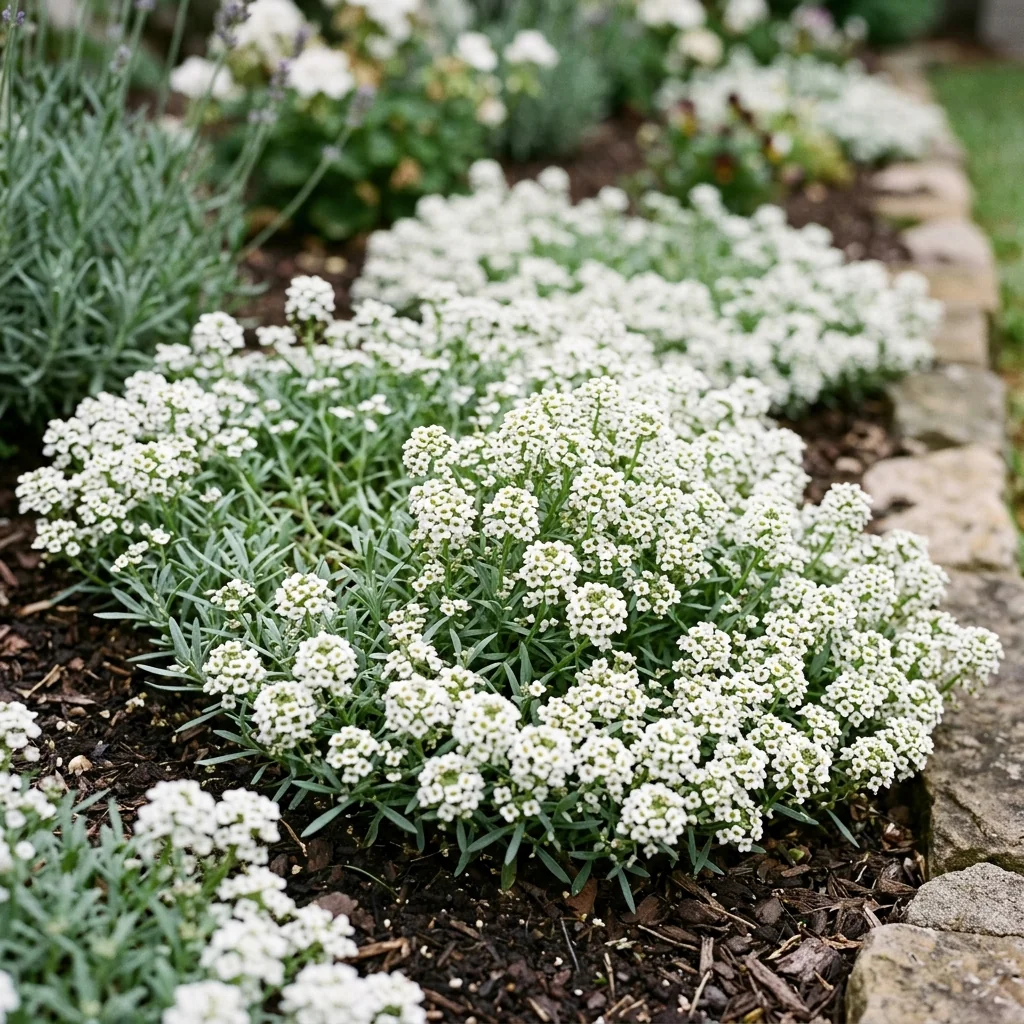
Hostas (Hosta spp.), commonly known as Plantain Lilies, are extremely popular garden perennial plants valued for their lush, broad foliage and shade tolerance. However, they are moderately toxic to cats and dogs. According to the ASPCA and the AVMA, Hostas contain natural chemical compounds called saponins. Saponins act as chemical foaming agents that cause local irritation to the stomach and intestinal lining if swallowed. If a dog or cat chews on Hosta leaves or flowers, the saponins cause excessive salivation, vomiting, diarrhea, bloating, and lethargy. The roots contain the highest concentration of saponins, making digging pets particularly vulnerable. While rarely fatal, Hosta ingestion causes significant discomfort and potential dehydration. If your pet has ingested Hostas, monitor their hydration levels. Replace Hostas in your garden borders with pet-safe groundcovers like Sweet Alyssum.
Toxic Parts
Recommended Pet-Safe Alternatives
Specific Safety FAQs for Hosta
Is Hosta toxic to cats?
Yes, Hostas are moderately toxic to cats. Ingesting the leaves triggers vomiting and lethargy due to saponins.
Is Hosta toxic to dogs?
Yes, Hostas are moderately toxic to dogs. Eating the leaves or flowers can result in gastrointestinal distress.
What toxic compound do Hostas contain?
They contain saponins, which act as chemical soap-like compounds that irritate the stomach and intestines.
What is a safe alternative to Hostas for shade?
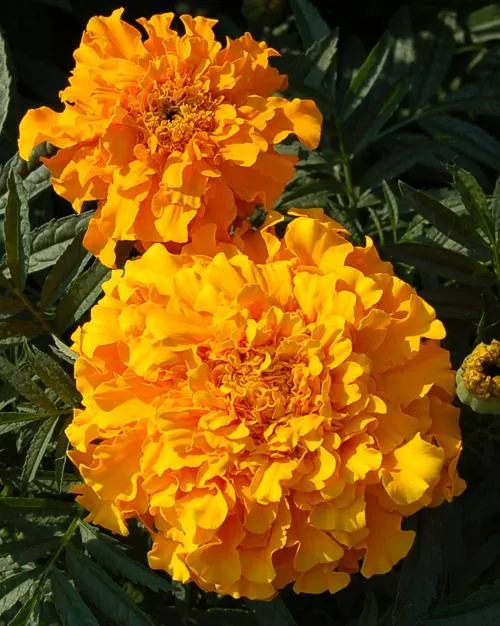
Sweet Alyssum or Marigolds can be used safely in borders and shaded garden beds.
20 Dangerous Garden Plants: Cat Toxicity & Safety Guide
Felines are highly sensitive to houseplants and flowers. Learn which 20 common species cause severe or fatal reactions in cats, including lilies, and discover safe, cat-friendly garden alternatives.