
Mandevilla (Rock Trumpet)
Mandevilla spp.
Mandevilla (Mandevilla spp.), commonly known as Rock Trumpet or Dipladenia, is a genus of spectacular, fast-growing tropical climbing vines in the dog...
Scan & Verify This Plant Specimen
Snap or upload a photo to verify botanical authenticity and test toxicity for cats, dogs, and birds.
Drop Mandevilla (Rock Trumpet) photo here to verify
or click to browse • Supports JPG, PNG, WEBP • Paste with Ctrl+V
Symptoms to Watch For
Current risk level for cats based on ingestion severity.
Information provided by BioLens Veterinary Database. In case of emergency, always consult a professional.
If your pet ate this plant:
Professional First Aid Summary:
The milky sap is a strong irritant. Wash exposed skin or fur immediately with mild pet shampoo and rinse their mouth gently with plenty of cool water. If ingestion is suspected, contact a veterinarian immediately as it contains cardiac glycosides that can alter heart rhythm.
In-Depth Botanical Safety Analysis
Scientific evaluation and toxicological breakdown of Mandevilla (Rock Trumpet)
Mandevilla (Mandevilla spp.), commonly known as Rock Trumpet or Dipladenia, is a genus of spectacular, fast-growing tropical climbing vines in the dogbane family (Apocynaceae) that is highly toxic and chemically hazardous to both dogs and cats. Celebrated for their showy, trumpet-shaped blossoms in shades of pink, red, and white, Mandevillas contain cardiotonic glycosides throughout their tissues and produce a thick, sticky milky latex sap when their stems or leaves are broken. This milky latex is highly irritating, triggering immediate contact dermatitis (red, itchy skin rashes) upon physical contact. If chewed or swallowed, the sap causes severe oral burning, swelling of the mouth, hypersalivation (drooling), nausea, vomiting, and diarrhea. The active glycosides can also interfere with cellular processes and affect heart rhythms if consumed in large quantities. Immediate emergency care includes flushing the skin and mouth with water. For a gorgeous, pet-friendly flowering climber, replace Mandevilla with non-toxic choices like the Petunia or Sweet Alyssum. To explore its climbing vines and glossy leaves, view our Botanical Profile for Mandevilla.
To explore more information on pet safety and garden safety, browse our profiles on Bird of Paradise and Plumeria (Frangipani).
Toxic Parts
Recommended Pet-Safe Alternatives
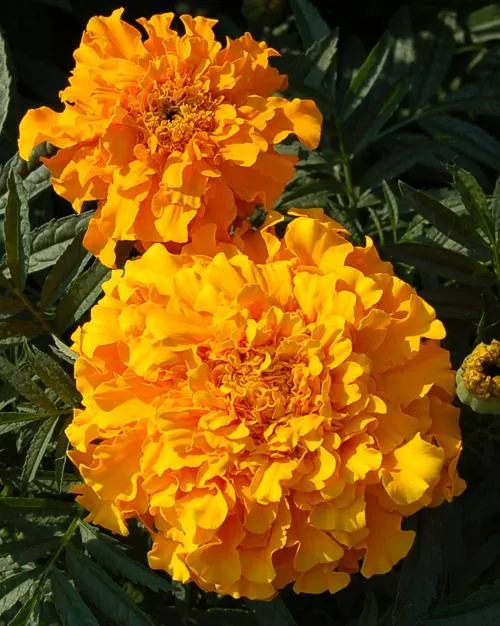 Pet Safe
Global Names & Multilingual Search
Specific Safety FAQs for Mandevilla (Rock Trumpet)
Is Mandevilla toxic to cats?
Yes, Mandevilla is highly toxic to cats. The milky sap is highly irritating to their skin and oral cavity, causing severe drooling, mouth sores, vomiting, and diarrhea if chewed.
Is Mandevilla toxic to dogs?
Yes, Mandevilla is highly toxic to dogs. Ingesting the leaves or stems can cause significant gastrointestinal irritation, nausea, lethargy, and potential cardiovascular disturbances.
What is the toxic substance in Mandevilla?
Mandevilla produces a sticky milky latex sap that contains cardiotonic glycosides and local irritants. This latex sap acts as a chemical defense mechanism that is noxious and harmful to animals.
What should I do if my pet gets Mandevilla sap on its skin or fur?
Wash the affected area immediately with warm water and a mild, pet-safe shampoo to dissolve the sap and prevent contact dermatitis. Ensure they do not lick the wet fur, and monitor for any signs of oral irritation or vomiting.
20 Dangerous Garden Plants: Cat Toxicity & Safety Guide
Felines are highly sensitive to houseplants and flowers. Learn which 20 common species cause severe or fatal reactions in cats, including lilies, and discover safe, cat-friendly garden alternatives.