
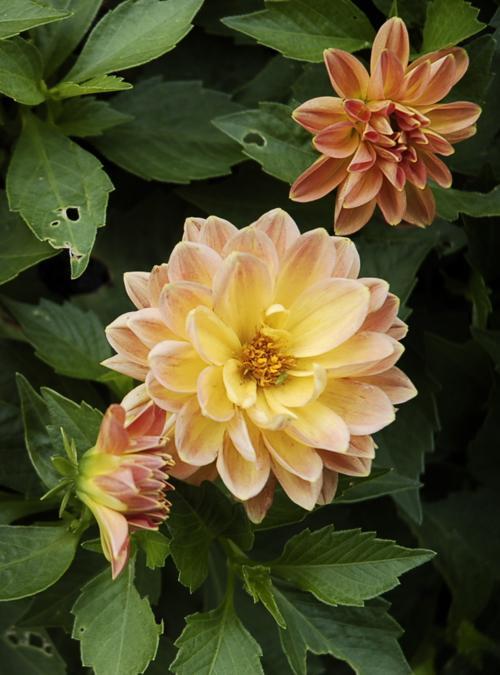
Pink Dahlia
Dahlia
Basic Details
Floral Formula & Features
Ebracteate, radially symmetrical (actinomorphic), bisexual, calyx modified to pappus (sometimes absent), 5 fused petals (ray florets or disc florets), 5 stamens fused into tube around style, 2 fused carpels with inferior ovary. Composite flower head typical of Asteraceae
- Named after Swedish botanist Anders Dahl. About 42 dahlia species, thousands of cultivars. Popular pink varieties: 'Cafe Au Lait Rose' (dinner plate), 'Gerrie Hoek' (waterlily), 'Caitlin's Joy' (decorative), 'Pink Sylvia' (ball), 'Sweet Fabienne' (pompon)
- Flowers 2-10 inches (5-25 cm) across depending on type. Forms: decorative (layered petals), ball (rounded), waterlily (flat, open), pompon (small, tight), cactus (pointed petals). Colors: blush pink, rose pink, salmon pink, coral pink, hot pink, often with yellow centers. Blooms July-frost
- Herbaceous perennial grown from tubers. Hollow stems, compound leaves with toothed edges. Dies back after frost. Tubers must be dug in zones below 8 and stored indoors over winter in cool, dry place. Regrows from tubers each spring
- Grows 1-6 feet (30-180 cm) tall depending on variety. Dwarf types 1-2 feet, medium 2-4 feet, tall 4-6 feet. Spread 1-2 feet. Lifespan of tubers: many years with proper storage. Propagated from tubers, division, or cuttings. Divide every 2-3 years
- Native to Mexico and Central America, particularly mountain valleys and highlands. Cultivated worldwide as ornamental. Grows best in temperate climates with warm days, cool nights. Thrives in zones 8-11, grown as annual elsewhere
- Requires full sun (6-8 hours daily). Needs rich, well-drained soil with organic matter. Regular watering but not waterlogged. Fertilize monthly during growth. Stake tall varieties. Mulch to retain moisture. Hardy zones 8-11, dig tubers elsewhere before frost
- Excellent cut flowers lasting 5-7 days in vase. Attracts butterflies, bees, hummingbirds. Deer and rabbit resistant. Popular in borders, beds, containers. Deadhead spent blooms for continuous flowering. Provides late-season color when many flowers fade
- Dig tubers after first frost kills foliage. Cut stems to 6 inches, let dry, store in peat moss or vermiculite at 40-50°F. Divide tubers in spring - each piece needs eye (growth point). Pinch center shoot when 12 inches tall for bushier plants. Symbolizes elegance, dignity, inner strength
Names in Different Languages
What is Floral Formula?
A floral formula is a symbolic representation of a flower's structure using letters, numbers, and special symbols. It provides a concise way to describe the arrangement and number of floral parts.
This formula describes the flower's symmetry, sepals, petals, stamens, and carpels in a standardized format.
Formula Sequence
- Bract: Br or Ebr
- Bracteole: Brl or Ebrl
- Symmetry: % (Radial) or ⊕ (Bilateral)
- Sex: ♀ (Female), ♂ (Male), or ⚥ (Bisexual)
- Calyx/Sepal: K<number> (Free or Fused)
- Corolla/Petal: C<number> (Free or Fused)
- Androecium: A<number> (Free or Fused)
- Gynaecium: G<number> (Superior or Inferior Ovary)
Symbol Meanings
- Numbers: Indicate quantity of parts
- Parentheses (): Parts are fused together
- Plus (+): Parts in different whorls
- Underline: Superior ovary position
- Overline: Inferior ovary position
- ∞: Numerous parts (too many to count)
Understanding floral formulas helps botanists quickly identify and classify flowers based on their structural characteristics.
Similar Flowers
Discover flowers that share botanical characteristics
Same Genus
2
Same Family
4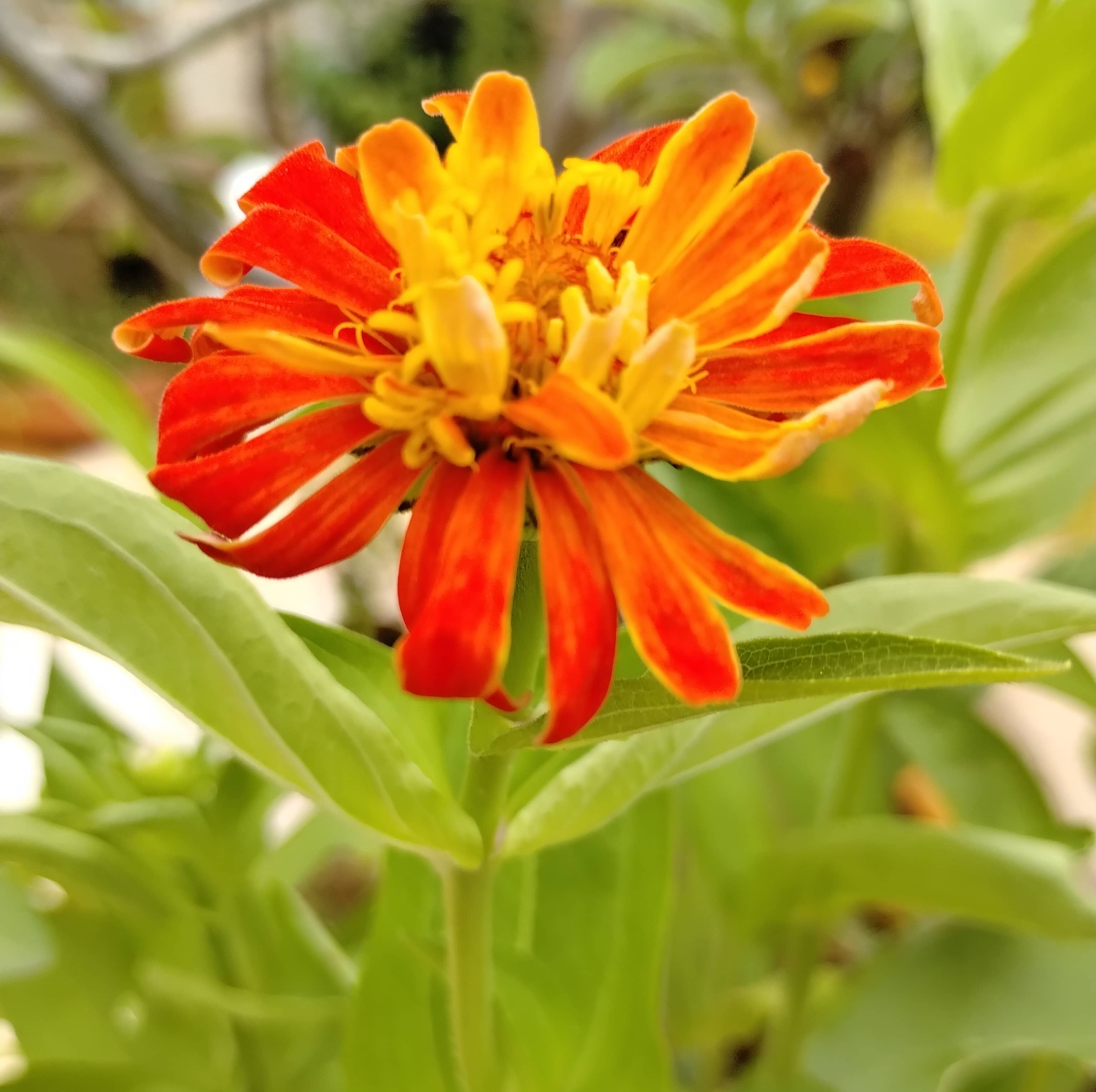
Zinnia
Zinnia
They belong to the same family as Daisy. Zinnia have a stunning range of shapes ...
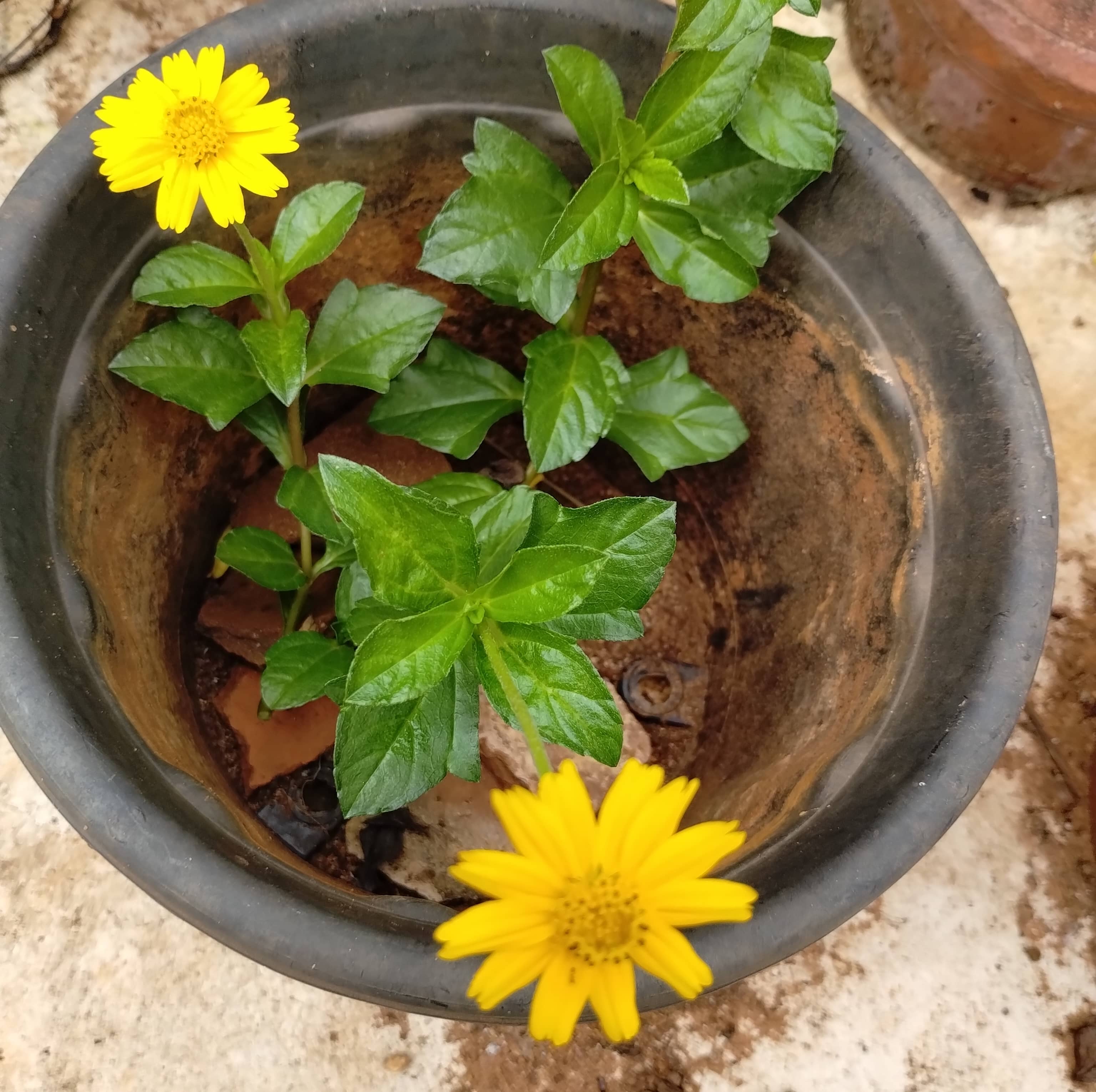
Wedelia Trilobata
Sphagneticola trilobata
Highly invasive mat-forming perennial groundcover with bright yellow daisy-like ...
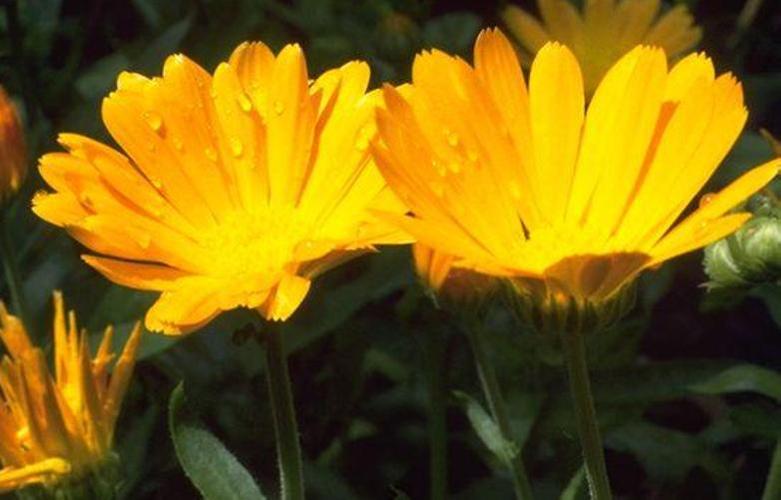
English Marigolds
Calendula officinalis
Cheerful annual featuring bright orange or yellow daisy-like flowers with a dist...
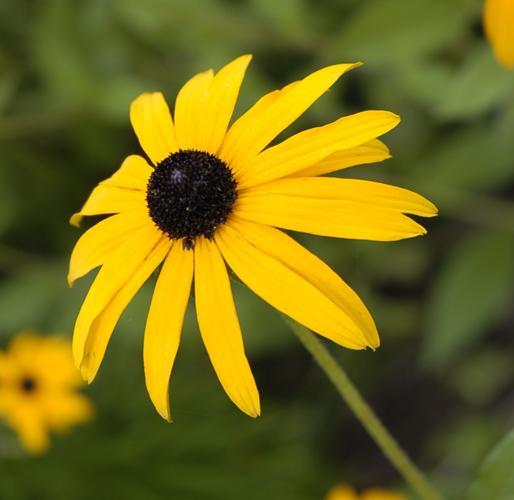
Black eyed Susan
Rudbeckia hirta
Cheerful native wildflower featuring bright golden-yellow ray petals surrounding...
Similar Characteristics
4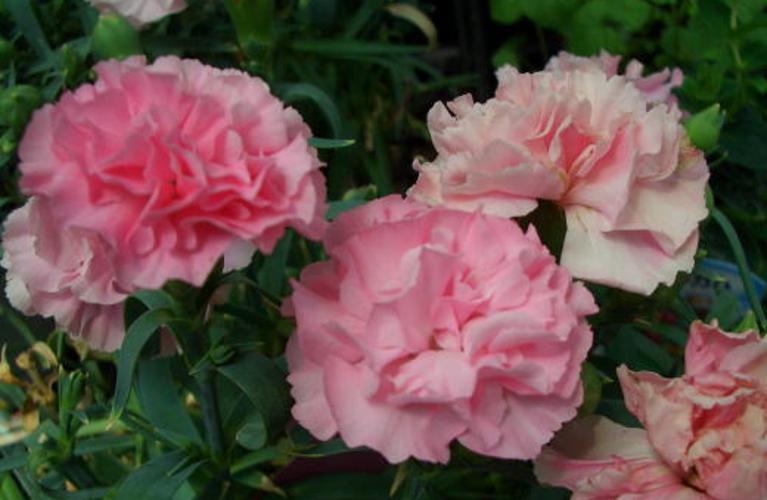
Carnation flower
Dianthus caryophyllus
Classic florist flower featuring densely ruffled, fringed petals with distinctiv...
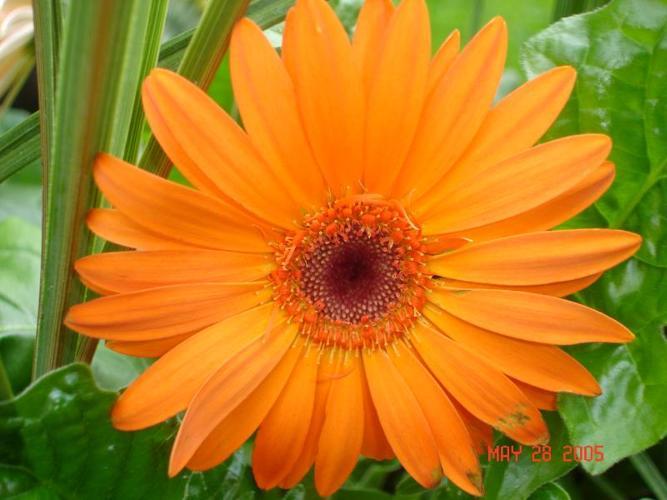
Barberton Daisy
Gerbera jamesonii
Cheerful composite flower featuring large, daisy-like blooms with vibrant ray pe...
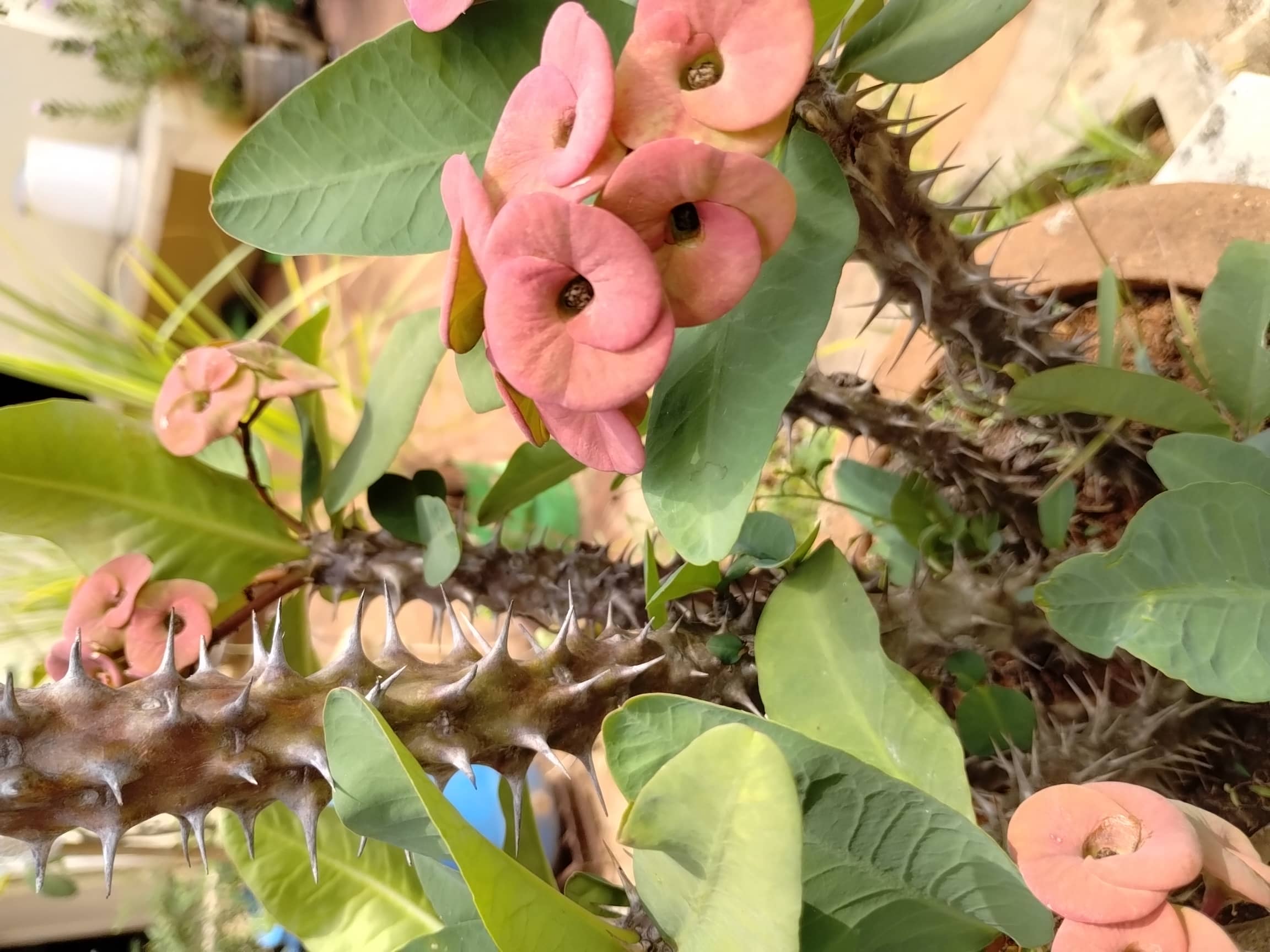
Euphorbia
Euphorbia Mili
Spiny succulent shrub featuring thorny stems and small, colorful petal-like brac...
Wedelia Trilobata
Sphagneticola trilobata
Highly invasive mat-forming perennial groundcover with bright yellow daisy-like ...