
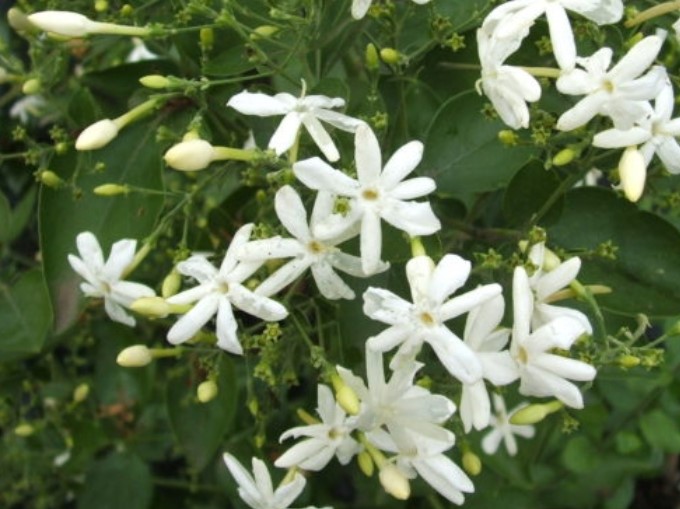
Jasminum Auriculatum
Jasminum
Basic Details
Floral Formula & Features
Ebracteate (no bracts), Actinomorphic (radially symmetrical), bisexual, 5 fused sepals forming short tube, 5 fused petals forming long tube with spreading lobes, 2 stamens inserted on corolla tube, 2 fused carpels with superior ovary typical of Oleaceae
- Name 'Jasminum' from Persian 'yasmin' (fragrant flower). 'Auriculatum' means eared, referring to leaf shape. Known as Juhi (Hindi), Mullai (Tamil), Jui. About 200 Jasmine species worldwide. Member of Oleaceae (olive family). Used in perfumes, essential oils, traditional medicine
- Small star-shaped white flowers 0.5-0.75 inch (1.5-2 cm) across with 7-8 narrow petals. Intensely fragrant, especially at night. Arranged in terminal clusters (cymes) of 3-12 flowers. Blooms profusely in hot summer months, also spring, fall. Flowers used fresh in garlands, dried for tea
- Evergreen climbing shrub or woody liana. Can grow as compact shrub 2-3 feet (60-90 cm) or vigorous climber to 8+ feet (2.5+ m) if unpruned. Simple dark green leaves, often trifoliate (3 leaflets), 1-3 inches (2.5-8 cm) long, slightly hairy
- Grows 5-8 feet (1.5-2.5 m) tall as shrub, 8-15 feet (2.5-5 m) as climber. Lifespan 15-20+ years. Propagated by cuttings, layering, or seeds. Fast-growing. Blooms several times per year with peak flowering in summer. Prune to maintain shape
- Native to Indian subcontinent - India, Nepal, Sri Lanka, Bhutan, Andaman Islands. Also found in Southeast Asia. Thrives in tropical and subtropical regions. Widely cultivated in India for religious, ornamental, commercial uses. Naturalized in warm climates
- Requires full sun to partial shade (3-6 hours sun minimum). Prefers well-drained, fertile, slightly acidic to neutral soil. Needs consistent moisture but not waterlogged. Drought-tolerant once established. Hardy zones 9-11. Protect from frost. Thrives in heat, humidity
- Flowers highly valued in India for religious ceremonies, temple offerings, weddings, garlands (mala). Used in perfumes, essential oils, cosmetics. Attracts moths, bees, butterflies. Traditional medicine for skin, digestive, respiratory issues. Edible flowers flavor teas, desserts
- Prune after flowering to control size, encourage bushiness. Fertilize monthly during growing season. Water regularly, reduce in winter. Provide trellis or support for climbing. Deadhead spent flowers. Watch for aphids, whiteflies. Easy care, low maintenance once established. Deer resistant
Names in Different Languages
What is Floral Formula?
A floral formula is a symbolic representation of a flower's structure using letters, numbers, and special symbols. It provides a concise way to describe the arrangement and number of floral parts.
This formula describes the flower's symmetry, sepals, petals, stamens, and carpels in a standardized format.
Formula Sequence
- Bract: Br or Ebr
- Bracteole: Brl or Ebrl
- Symmetry: % (Radial) or ⊕ (Bilateral)
- Sex: ♀ (Female), ♂ (Male), or ⚥ (Bisexual)
- Calyx/Sepal: K<number> (Free or Fused)
- Corolla/Petal: C<number> (Free or Fused)
- Androecium: A<number> (Free or Fused)
- Gynaecium: G<number> (Superior or Inferior Ovary)
Symbol Meanings
- Numbers: Indicate quantity of parts
- Parentheses (): Parts are fused together
- Plus (+): Parts in different whorls
- Underline: Superior ovary position
- Overline: Inferior ovary position
- ∞: Numerous parts (too many to count)
Understanding floral formulas helps botanists quickly identify and classify flowers based on their structural characteristics.
Similar Flowers
Discover flowers that share botanical characteristics
Same Genus
4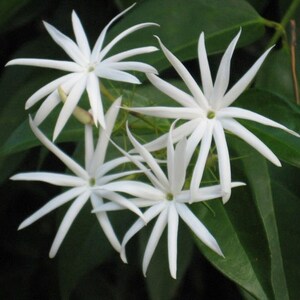
AngelWing Jasmine (Star Jasmine)
Jasminum laurifolium, Jasminum nitidum
Unique jasmine with spectacular star or pinwheel-shaped flowers having 10-12 nar...
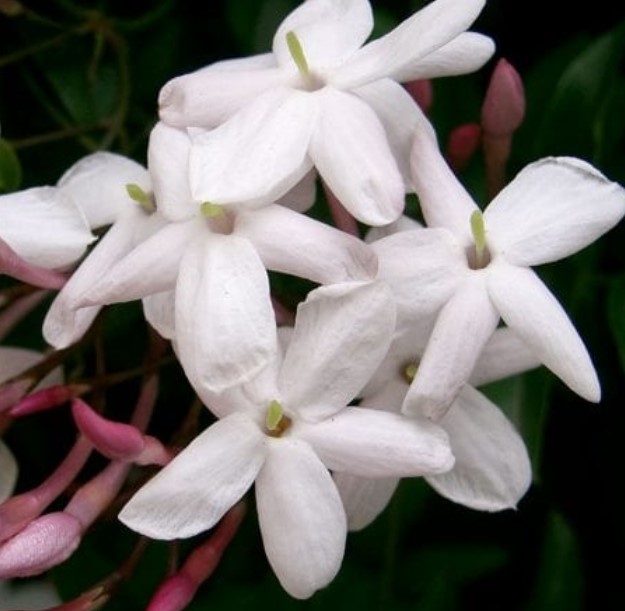
Spanish Jasmine (Royal Jasmine)
Jasminum grandiflorum
Highly fragrant jasmine with pure white star-shaped flowers used in world's fine...
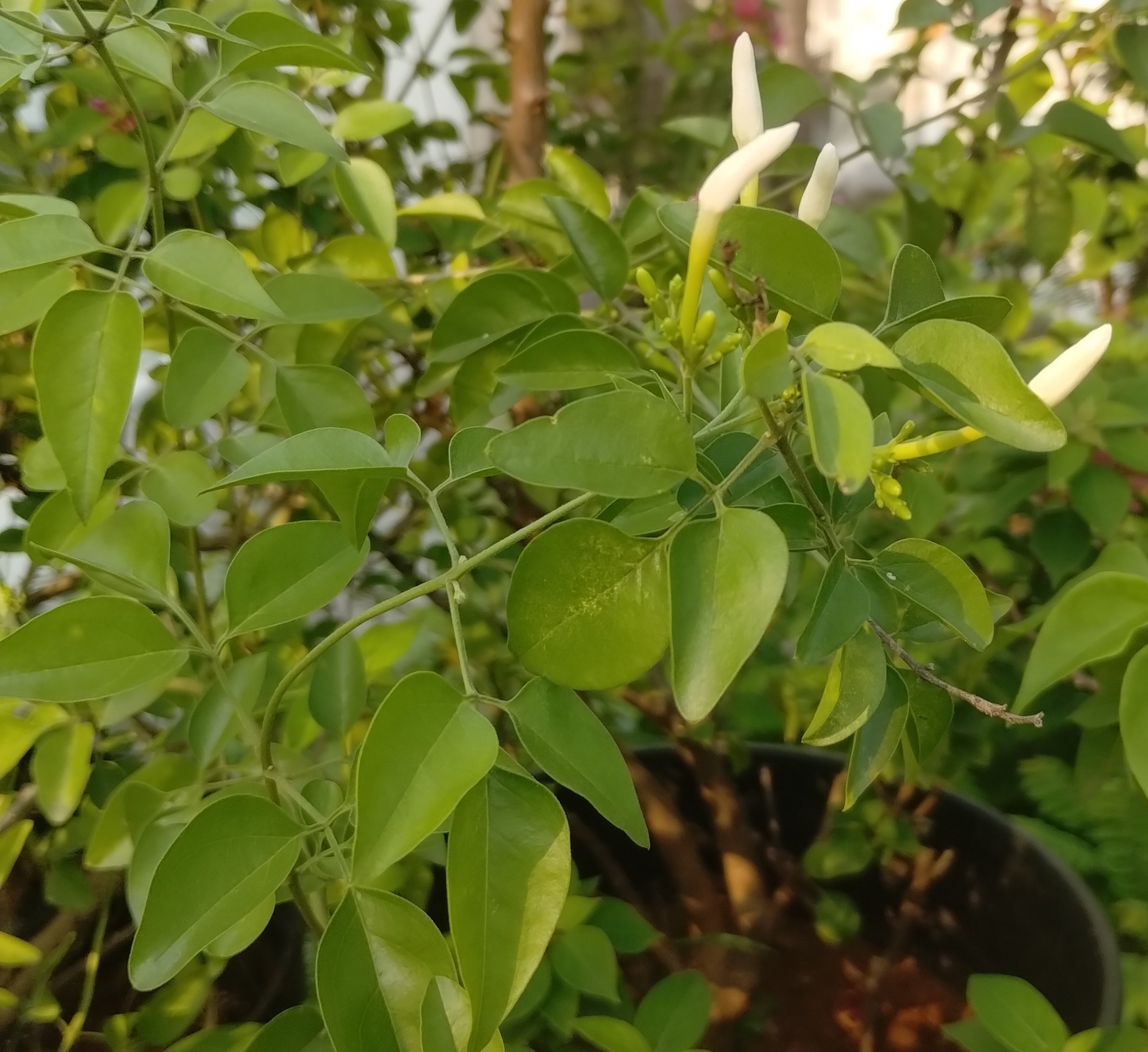
River Jasmine (Fluminense)
Jasminum fluminense
Vigorous evergreen climbing vine producing clusters of small, white, star-shaped...
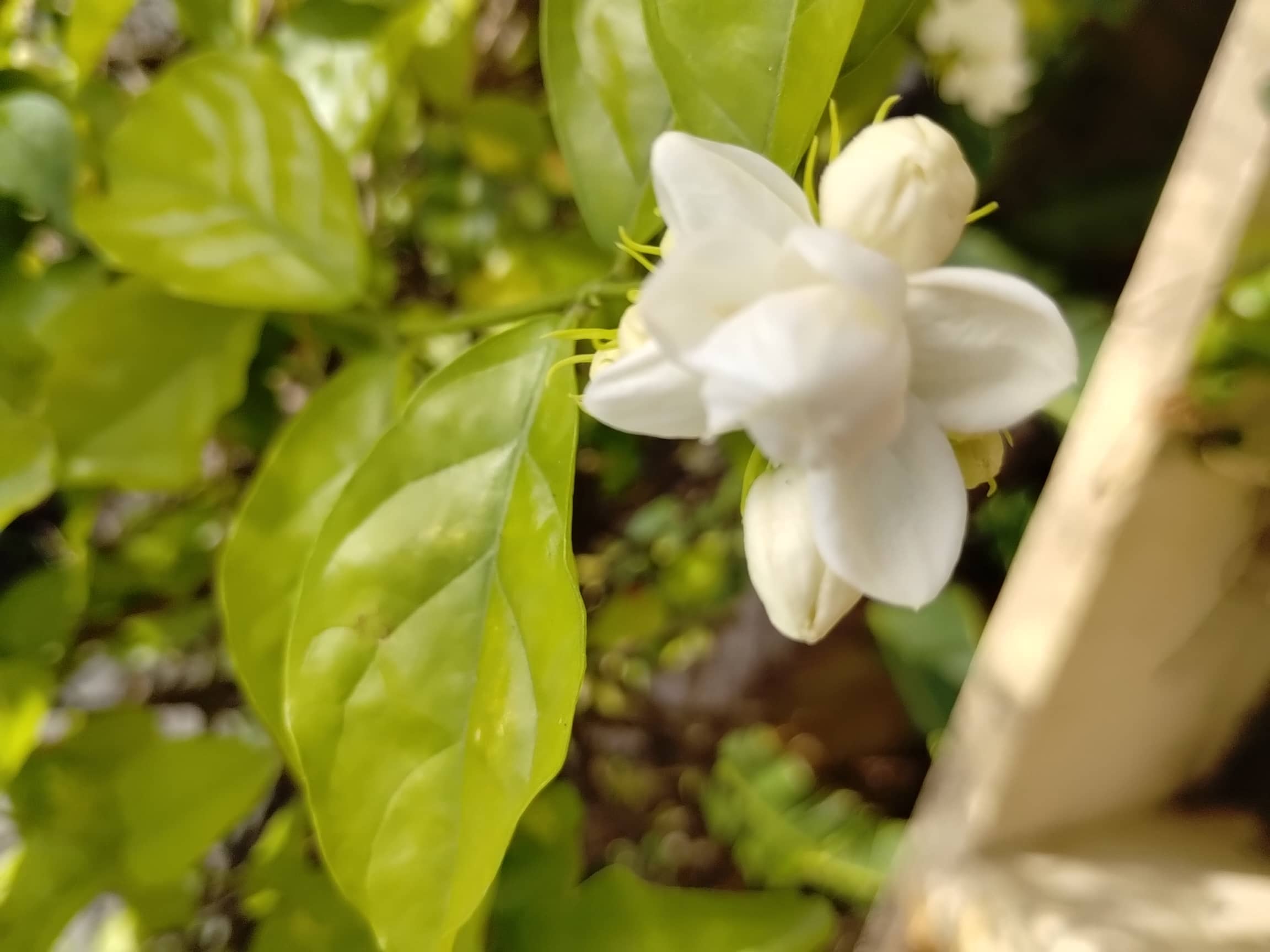
Arabian jasmine
Jasminum sambac
Arabian Jasmine or Mogra or Jasminum Sambac is known for its fragrant white flow...
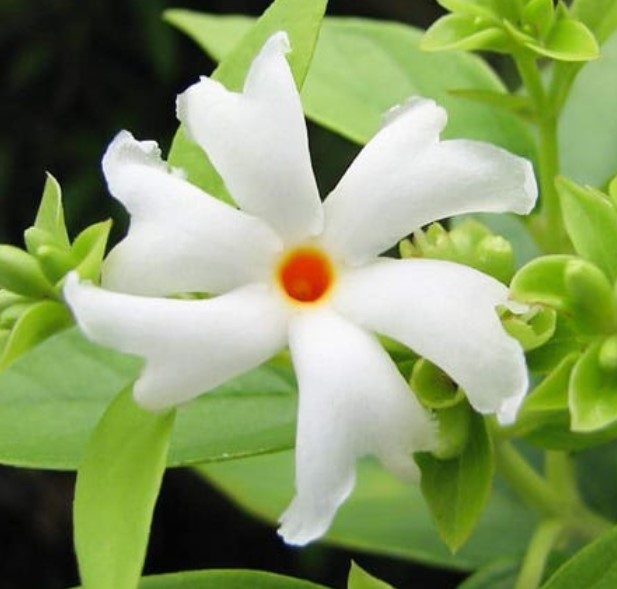
Similar Characteristics
4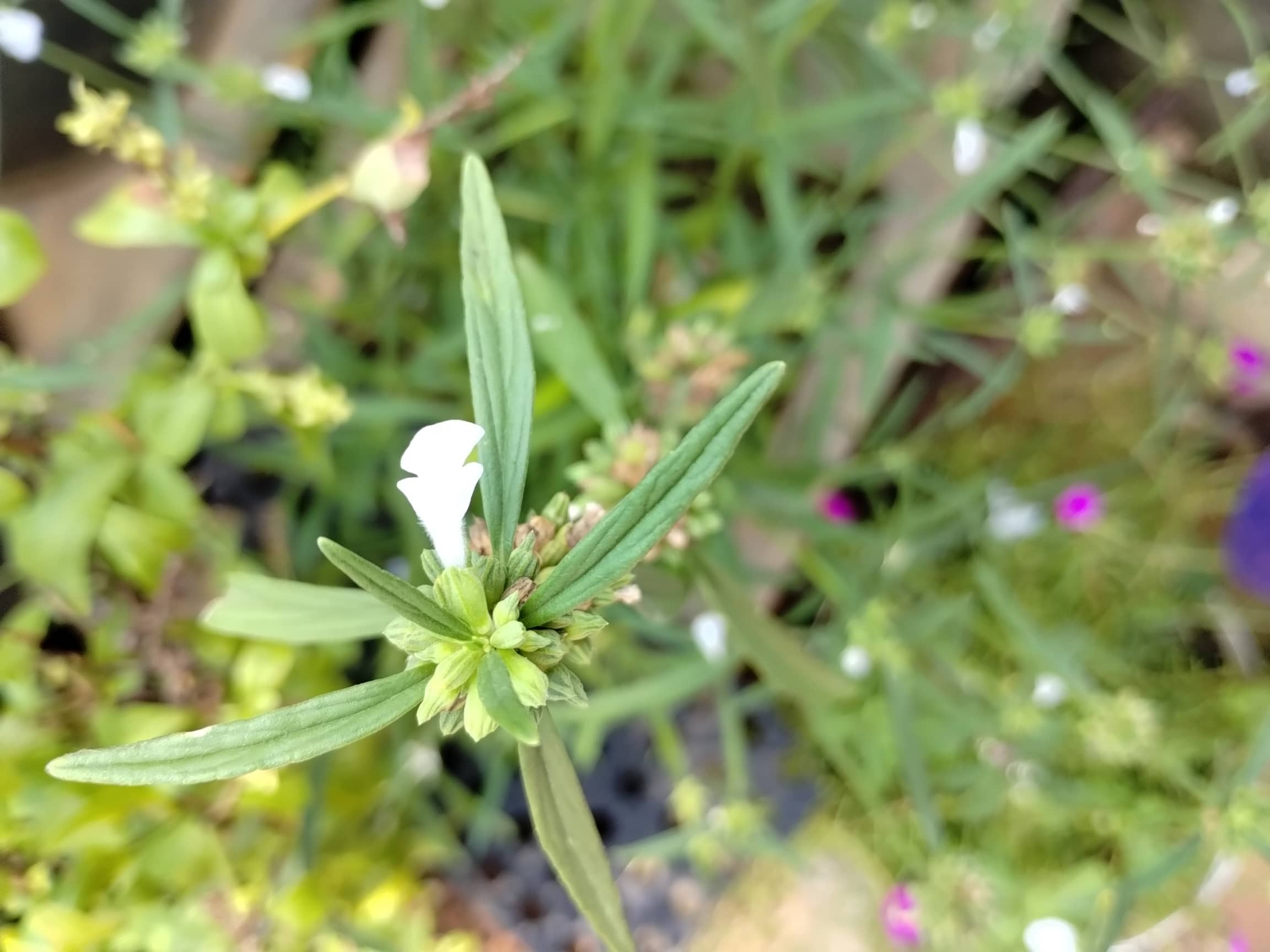
Leucas Aspera
Leucas aspera
Common medicinal herb featuring dense whorls of small, white, two-lipped flowers...
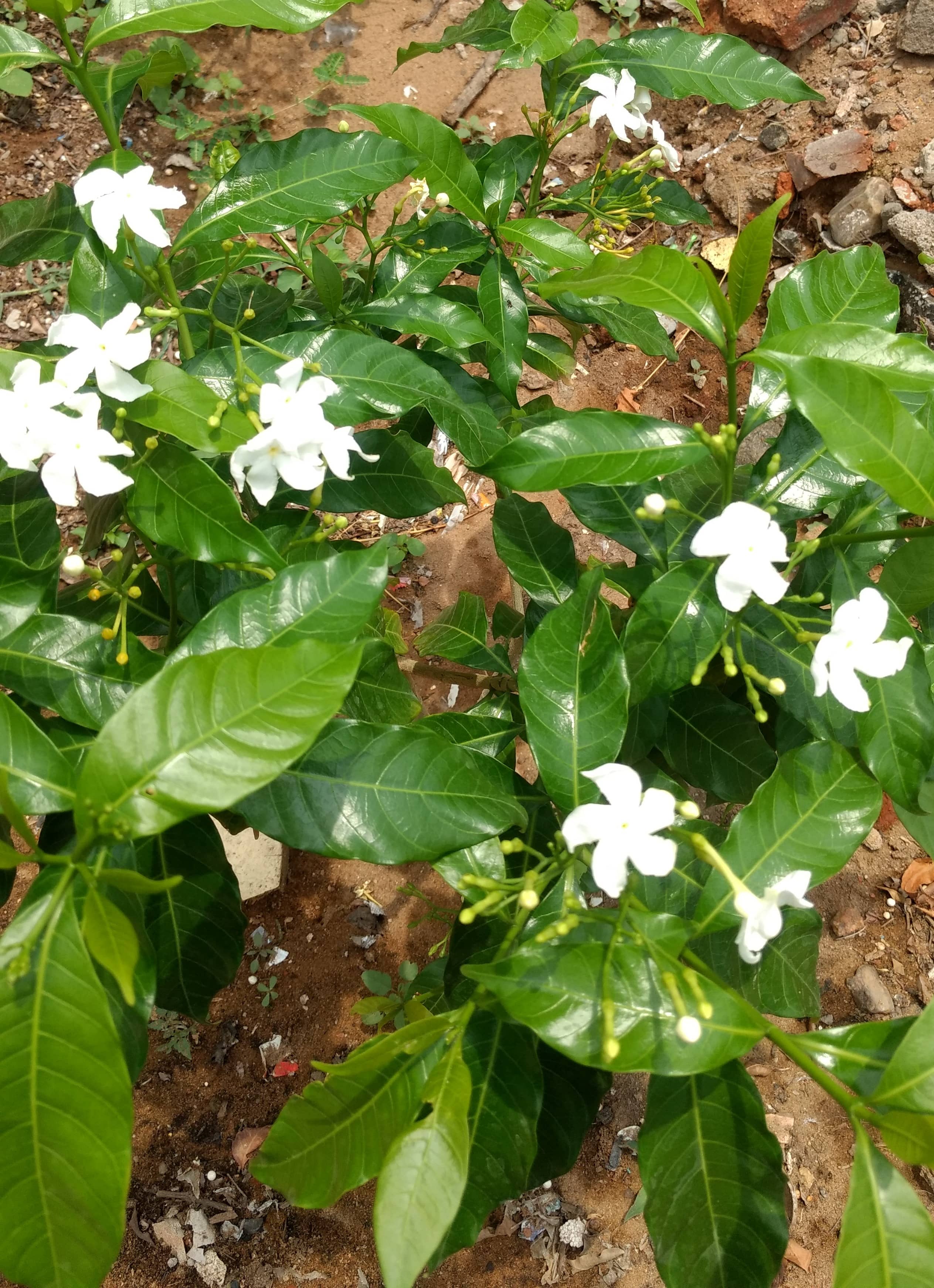
Pinwheel
Tabernaemontana divaricata
Elegant evergreen shrub with distinctive white flowers featuring five waxy petal...
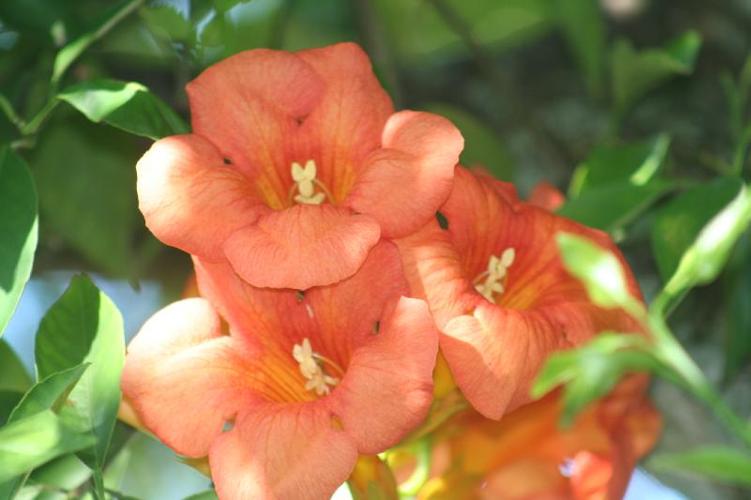
Trumpet Vine
Campsis radicans
Vigorous deciduous woody vine renowned for its spectacular clusters of trumpet-s...
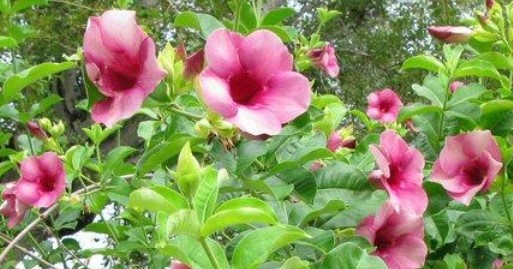
Mandevilla
Mandevilla
Spectacular tropical climbing vine renowned for its large, showy, trumpet-shaped...