
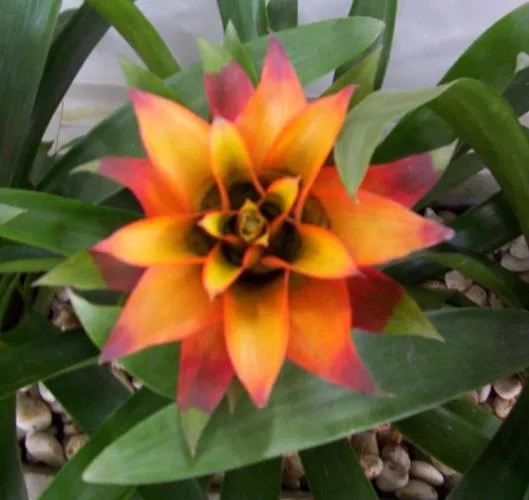
Bromelia
Bromelia
How to Identify Bromelia
NON-TOXIC. 100% safe for cats, dogs, and horses, making it an excellent, low-maintenance exotic choice for modern indoor spaces.
Care & Growing Guide
Seasonal Blooming & Hardiness
Seasonal Blooming Calendar:
- Peak Bloom: Summer (typically June through September).
- Planting Time: Sow seeds directly outdoors in early spring after the last frost, or transplant nursery starts in late spring.
Bloom Timeline
About Bromelia
Bromelia, representing the iconic genus Bromelia within the ancient tropical family Bromeliaceae, is a group of structurally fascinating and visually spectacular perennial plants. Native to the warm, humid rainforests, mist-covered cloud forests, and warm coastal woodlands of Central and South America (with a massive concentration of species in Brazil), these unique monocots have evolved highly specialized architectural structures that allow them to thrive in complex forest environments.
Most Bromelia species grow in distinct, symmetrical rosettes composed of stiff, tough, strap-like green leaves that feature sharp, spiny margins to deter predators. The leaf bases overlap tightly to form a watertight central cup or 'urn' (commonly called a tank). This tank serves as a self-contained reservoir that catches and holds rainwater, organic debris, and dust, providing the plant with moisture and nutrients in areas where soil is scarce, while serving as a miniature habitat for tree frogs.
The reproductive morphology of this tropical monocot is represented by the botanical floral formula ⊕ ⚥ K3 C3 A6 G̅(3). This formula indicates that the flowers are radially symmetrical (actinomorphic) and bisexual. The perianth consists of 3 free sepals and 3 free petals (which are often violet-blue or white). The androecium contains 6 fertile stamens arranged in two whorls of 3, surrounding a 3-carpellate inferior ovary that eventually matures into fleshy, edible berries.
Horticulturally, Bromelia is an exceptionally resilient, low-maintenance plant that performs best in bright, indirect, filtered morning light, as harsh direct afternoon sun can quickly scorch its ornamental leaves. It requires a loose, highly porous, rapidly draining potting medium (such as bark or peat moss) and high relative humidity. The central reservoir cup should always be kept filled with clean, fresh rainwater or distilled water, which should be flushed regularly.
The genus name Bromelia honors the celebrated 17th-century Swedish physician and botanist Olof Bromelius, who compiled pioneering floras of Gothenburg. Famed on the Indian subcontinent as Braumeli'aesi (ब्रोमलिऐसी) in Hindi and Ananasam (अननसम्) in Sanskrit, it is the ancestral lineage that gave rise to the commercially important Pineapple. In South American folklore, it represents protection, adaptability, and the mysterious depth of rainforest life.
For pet-owning families seeking a lush, exotic indoor or outdoor green space, Bromelia is an exceptionally safe and highly premium choice. Bromelia species are classified as completely NON-TOXIC to cats, dogs, and horses by leading veterinary safety databases, including the ASPCA. If a pet bites its tough leaves or drinks from its water tank, there is absolutely no risk of chemical poisoning. To explore more safe, tropical pet-friendly indoor plants, check out our Pet Guard catalog.
Bromelia is occasionally confused with Agaves, Aloes, or true Orchids. It is easily distinguished because Bromelia features a watertight central leaf rosette and spiny leaf margins, whereas Aloes have soft fleshy succulent leaves containing gel, and Orchids lack a central reservoir. It pairs beautifully in shady planters with vining Bleeding Heart Vine or soil-free Ball Moss. To discover more exotic rainforest epiphytes, visit our Flower Identifier.
Floral Formula & Features
Actinomorphic, bisexual, 3 free sepals, 3 free petals, 6 stamens in two whorls of 3, 3 fused carpels with inferior ovary typical of Bromeliaceae
- Scientific Name & Classification: Bromelia spp. (Bromeliaceae). Ancestral genus of the pineapple family; famed as Bromeliad and Urn Plant.
- Identification Markers: Stiff, spiny-margined leaves arranged in a tight rosette forming a central watertight reservoir. Vibrant flower spikes surrounded by bold bracts.
- Floral Formula (⊕ ⚥ K3 C3 A6 G̅(3)): Radially symmetrical, bisexual flowers with 3 free sepals, 3 free petals, 6 stamens, and an inferior ovary.
- Growing Requirements: Bright indirect light; requires a loose, sharply draining bark medium and high relative humidity. Keep central tank filled with fresh water (Zones 9-11).
- Cultural Significance: Genus honors Swedish botanist Olof Bromelius. Central tank provides essential habitat for tropical rainforest frogs.
- Safety & Toxicity: NON-TOXIC. 100% safe for cats, dogs, and horses, making it an excellent, low-maintenance exotic choice for modern indoor spaces.
- Common Look-alikes: Confused with Agave or Aloe, but distinguished by its central water tank reservoir and thin, spiny-edged leathery leaves.
- Internal Links: Creates a beautiful tropical texture contrast when paired with trailing Bleeding Heart Vine or soil-free Ball Moss; find more in our Flower Identifier.
Names in Different Languages
Toxicity & Safety
Frequently Asked Questions
What is Floral Formula?
A floral formula is a symbolic representation of a flower's structure using letters, numbers, and special symbols. It provides a concise way to describe the arrangement and number of floral parts.
This formula describes the flower's symmetry, sepals, petals, stamens, and carpels in a standardized format.
Formula Sequence
- Bract: Br or Ebr
- Bracteole: Brl or Ebrl
- Symmetry: % (Radial) or ⊕ (Bilateral)
- Sex: ♀ (Female), ♂ (Male), or ⚥ (Bisexual)
- Calyx/Sepal: K<number> (Free or Fused)
- Corolla/Petal: C<number> (Free or Fused)
- Androecium: A<number> (Free or Fused)
- Gynaecium: G<number> (Superior or Inferior Ovary)
Symbol Meanings
- Numbers: Indicate quantity of parts
- Parentheses (): Parts are fused together
- Plus (+): Parts in different whorls
- Underline: Superior ovary position
- Overline: Inferior ovary position
- ∞: Numerous parts (too many to count)
Understanding floral formulas helps botanists quickly identify and classify flowers based on their structural characteristics.
Similar Flowers
Discover flowers that share botanical characteristics
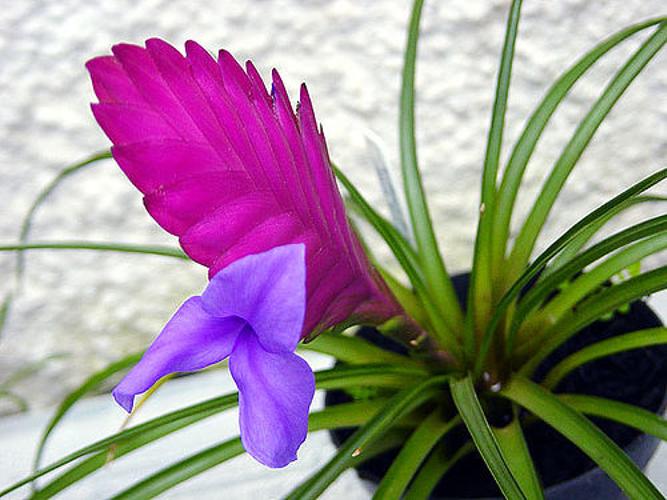
Similar Characteristics
4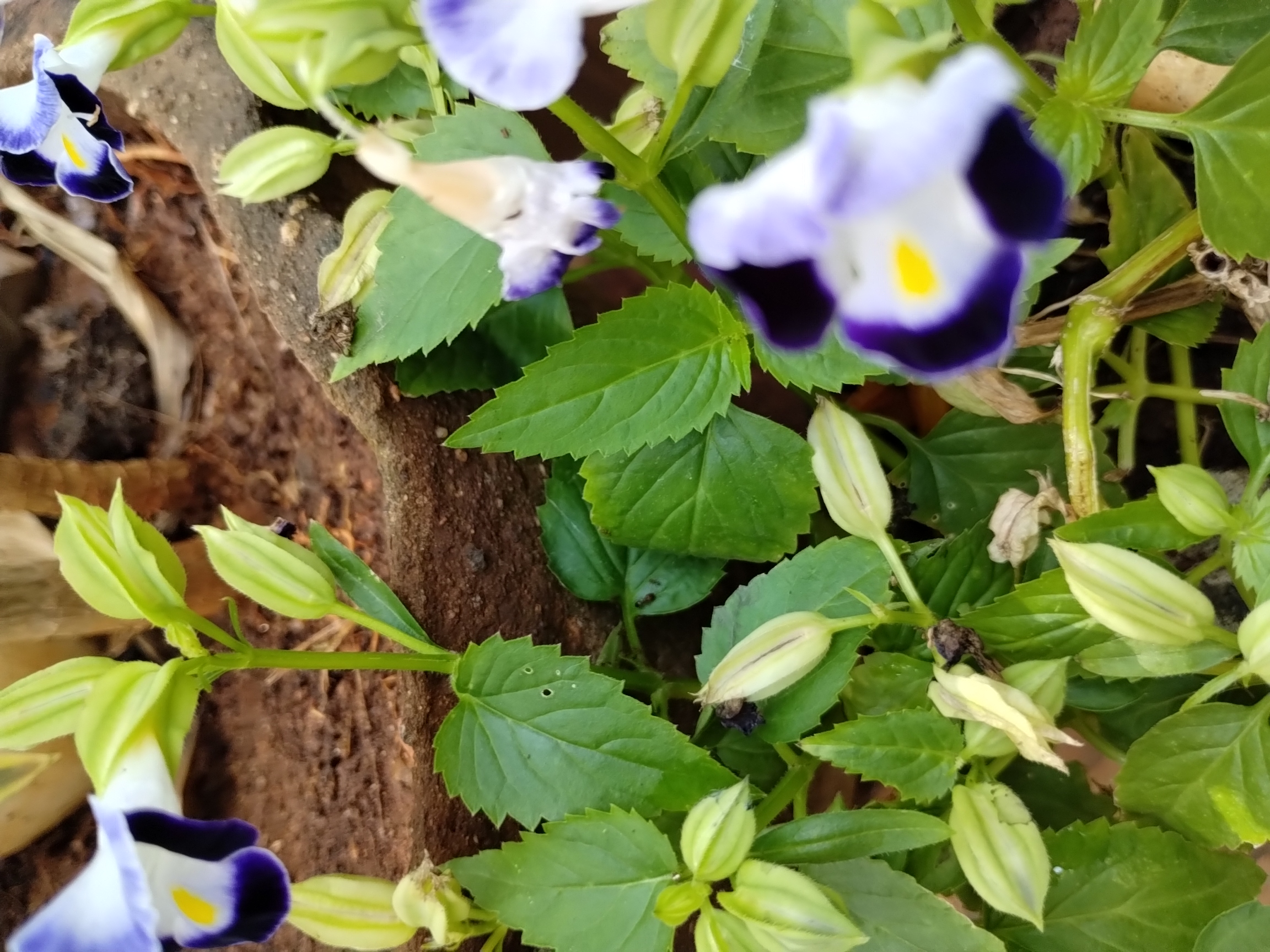
Bluewings
Torenia fournieri
The Wishbone Flower, botanically designated as Torenia fournieri and commonly called Bluewings, is an exceptionally charming, shade-loving tender annual. Belonging to the family Linderniaceae (formerly grouped under Scrophulariaceae), this beautiful plant is native to the moist, shady forest floo...
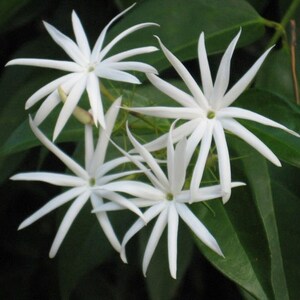
AngelWing Jasmine (Star Jasmine)
Jasminum laurifolium, Jasminum nitidum
The Angelwing Jasmine, botanically classified as Jasminum nitidum (and often associated with Jasminum laurifolium), is an exceptionally beautiful and intensely fragrant evergreen sprawling shrub. Native to the warm, tropical lowlands, coastal woodlands, and river valleys of the Indian Subcontinen...
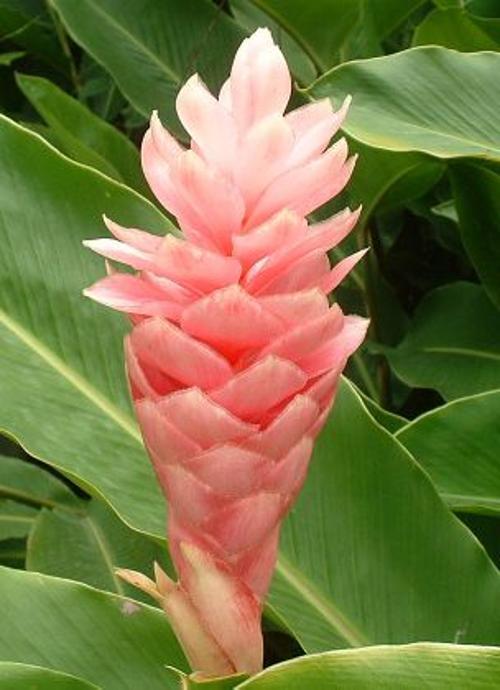
Red Ginger (Ostrich Plume)
Alpinia purpurata
The Red Ginger, botanically classified as Alpinia purpurata and commonly known as the Ostrich Plume, Tahitian Ginger, or Jungle King, is an exceptionally spectacular, exotic tropical rhizomatous perennial. Belonging to the family Zingiberaceae (the ginger family, tribe Alpinieae), this high-impac...
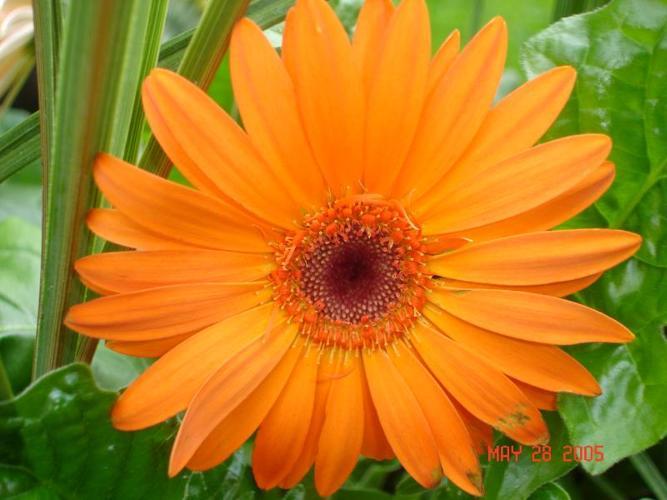
Barberton Daisy
Gerbera jamesonii
The Barberton Daisy, botanically known as Gerbera jamesonii and widely cherished as the Gerbera Daisy or Transvaal Daisy, is an exceptionally cheerful and colorful herbaceous perennial in the Asteraceae (sunflower) family. Native to the rich, subtropical valleys and grassy slopes of South Africa'...