The Worldwide Threat of Rice Blast
Rice blast, caused by the filamentous fungus Magnaporthe oryzae (formerly Pyricularia oryzae), is widely recognized as the most destructive fungal disease affecting paddy crops worldwide. Capable of causing up to 50% to 100% total yield loss during severe epidemics, the disease poses a critical challenge to grain security across major rice-producing continents.
The pathogen is exceptionally aggressive because its microscopic airborne spores (conidia) produce specialized adhesive structures called appressoria. These appressoria generate extreme mechanical turgor pressure—up to 8.0 MPa—allowing the fungal hyphae to physically puncture leaf cuticles and invade plant tissues within 6 hours under warm, humid conditions.
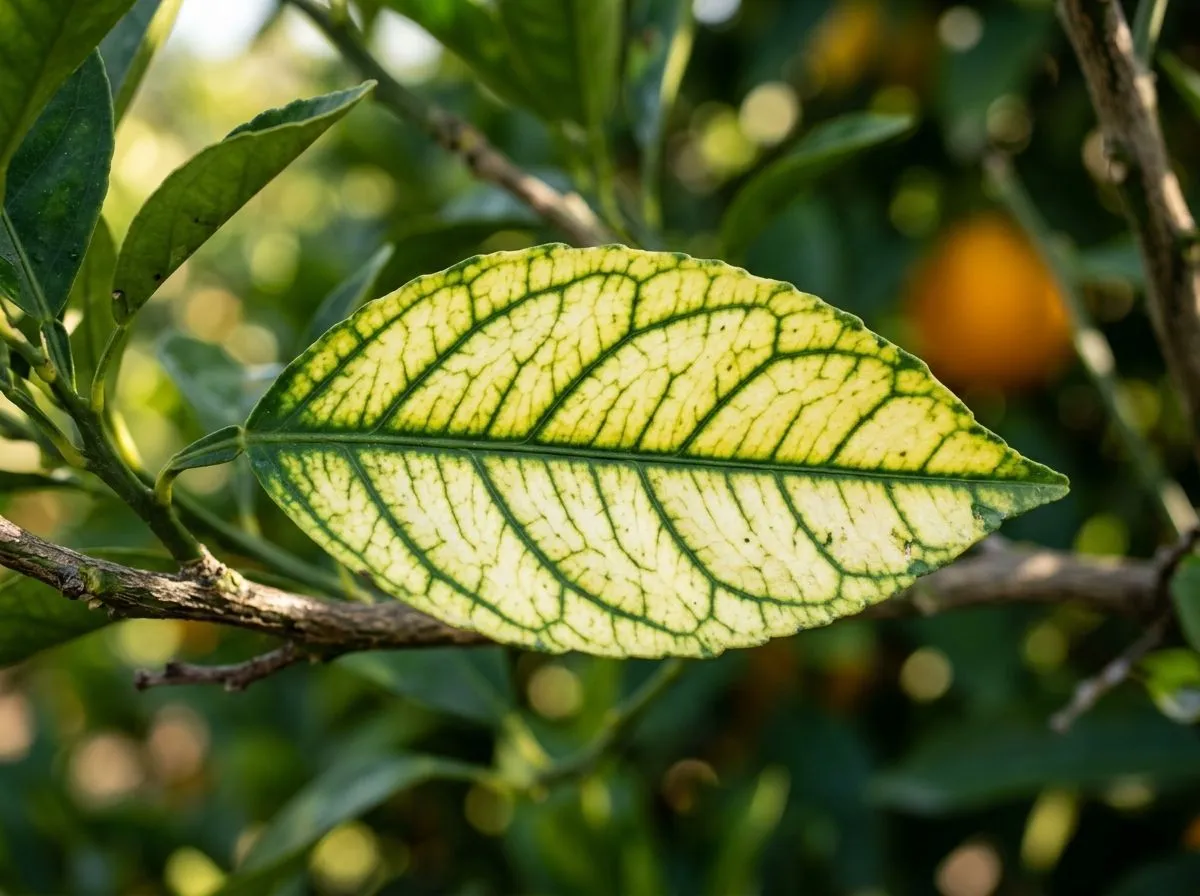
Confused about yellowing or spots on your paddy leaf? Make sure it's not a nutrient starvation or overwatering issue. Refer to our comprehensive Plant Disease vs. Nutrient Deficiency Guide to verify.
Fortunately, early diagnostic identification paired with integrated organic management can stop an infection in its tracks. This comprehensive agronomic guide breaks down the four distinct symptom stages of Rice Blast and provides actionable, eco-friendly protocols to protect your paddy fields.
For dedicated disease identification guides in our registry, visit our comprehensive profiles on Rice Blast Safety Profile, Bacterial Leaf Blight (Rice), Brown Spot (Rice), and Brown Planthopper (Rice). For a complete, unified overview of all paddy threats, soil requirements, and visual keys, visit our dedicated Rice (Paddy) Crop Health Hub.
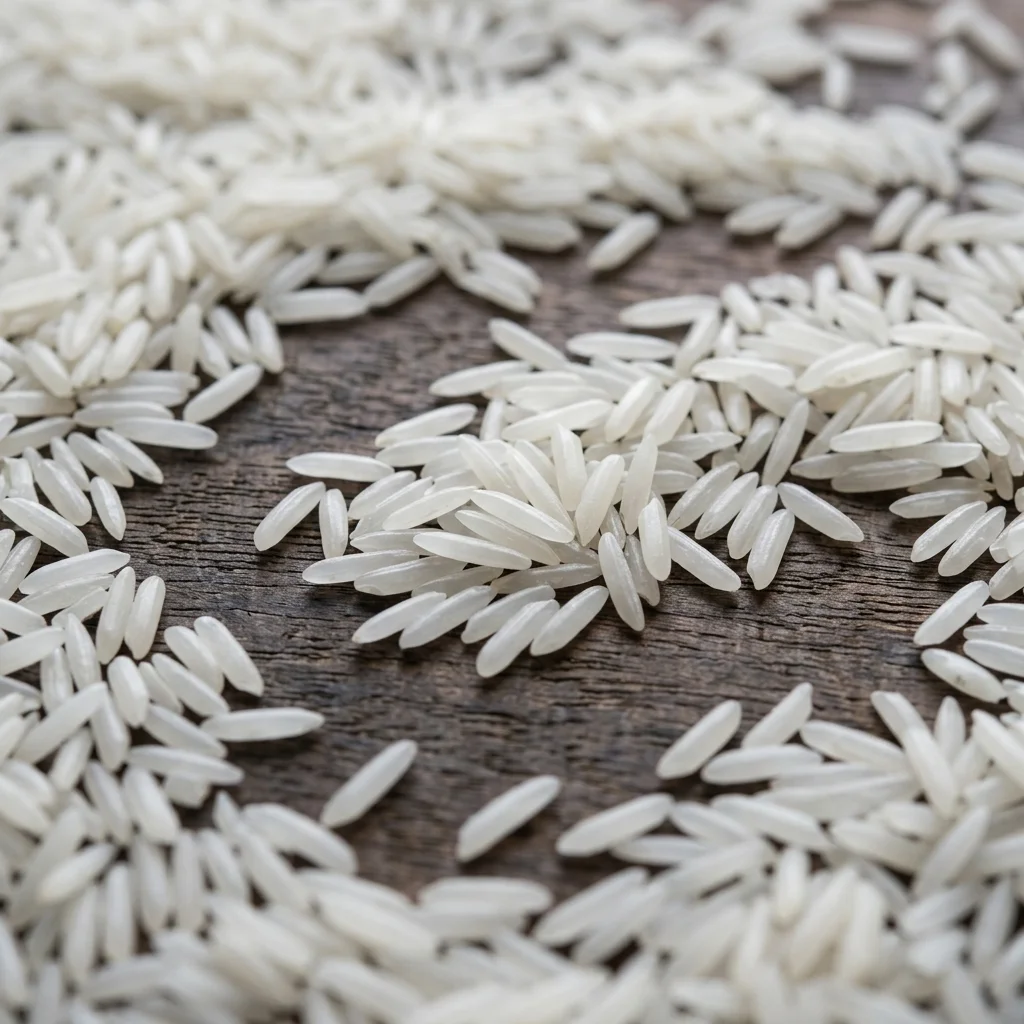
Does Rice Blast Affect Premium Basmati Rice?
Yes — traditional Basmati rice varieties are exceptionally susceptible to Rice Blast.
In the fertile Indo-Gangetic plains of India and Pakistan, traditional long-grain aromatic cultivars such as Basmati 370, Type 3, and Taraori Basmati suffer heavy economic damage from Magnaporthe oryzae—particularly during the flowering and grain-filling phase (Neck Blast).
Why Basmati Rice is Especially Vulnerable
- Delicate Panicle Neck Structure: Basmati plants have thin, elongated panicle necks that are easily invaded by fungal appressoria during humid monsoon nights, resulting in snapped stems and empty "whiteheads."
- High Nitrogen Sensitivity: Traditional Basmati farmers often over-apply nitrogen fertilizers to encourage tall growth, which thins out leaf cell walls and leaves the crop vulnerable.
- Loss of Fragrance & Yield: Neck blast in Basmati fields cuts off nutrient transport to the grain, causing dry, brittle, unfilled hulls that lose their signature 2-Acetyl-1-pyrroline aroma.
Blast-Resistant Basmati Innovations
To protect iconic aromatic crops without excessive chemical fungicides, agricultural research institutes (such as ICAR-IARI) have bred marker-assisted blast-resistant Basmati varieties:- Pusa Basmati 1637: Bred with the Piz-5 blast resistance gene to withstand severe leaf and neck blast outbreaks.
- Pusa Basmati 1718: An improved version of Pusa Basmati 1121 containing the Pi9 resistance gene.
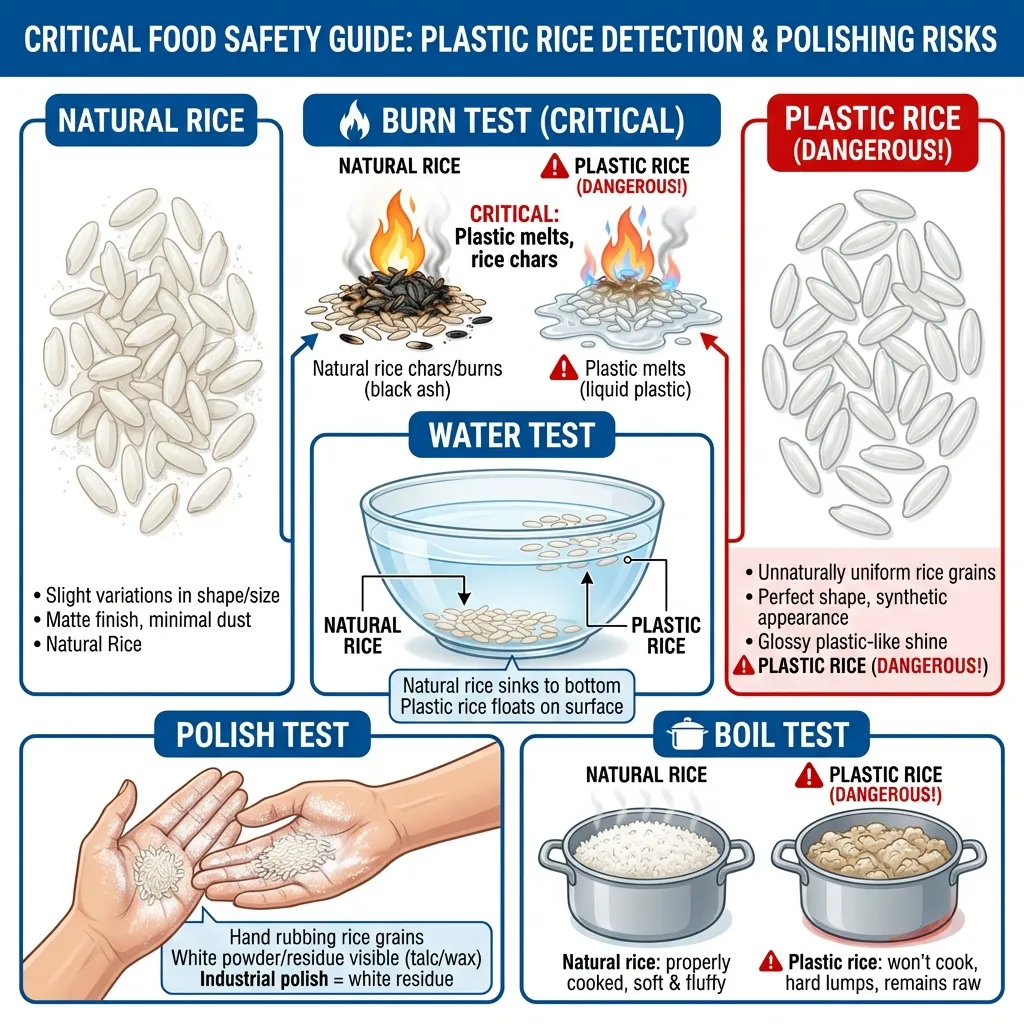
For grain quality and purity checks, visit our Basmati Rice Food Guard Guide and Standard Rice Purity Guide.
The 4 Diagnostic Symptom Stages of Rice Blast
Because Magnaporthe oryzae attacks the plant at multiple developmental phases, symptoms vary significantly depending on the plant part affected:
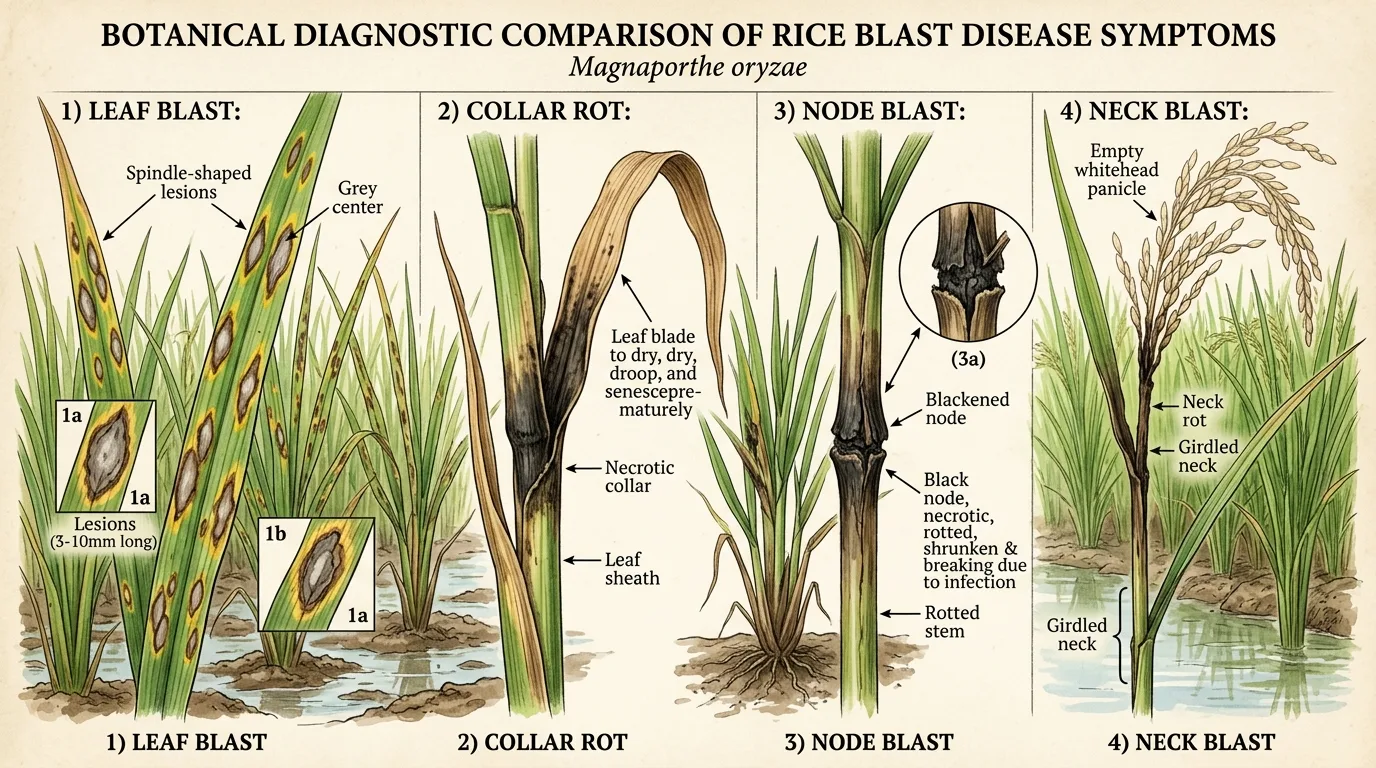
1. Leaf Blast (Tillering to Vegetative Phase)
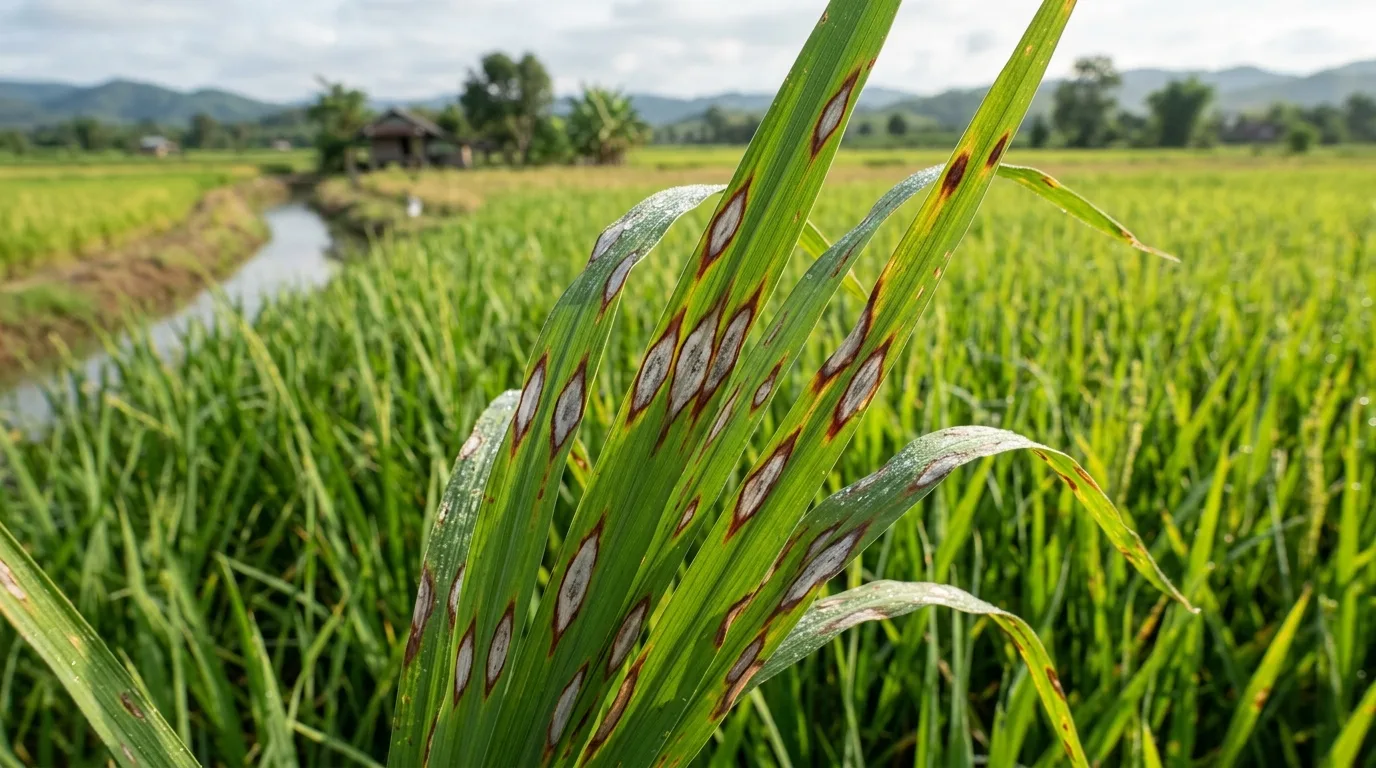
- Primary Clue: Spindle-shaped or diamond-like eye spots on leaf blades.
- Lesion Evolution: Initial lesions appear as tiny water-soaked bluish-green specks. As they expand, they develop a characteristic ash-grey or whitish center surrounded by a dark reddish-brown border.
- Severe Outbreaks: In highly susceptible varieties, individual lesions coalesce, turning entire leaf blades yellow, brown, and necrotic ("burned" appearance), leading to canopy collapse.
2. Collar Blast (Leaf Sheath Junction)
- Primary Clue: Dark brown rot developing at the collar—the junction where the leaf blade meets the sheath.
- Impact: Collar rot starves the individual leaf of nutrients, causing the entire leaf blade to turn brown and break away cleanly from the stem.
3. Node Blast (Stem Joints)
- Primary Clue: Blackish-brown discoloration at stem nodes as the crop nears reproductive growth.
- Impact: The infected node becomes soft, rots, and loses structural integrity. The stem breaks easily at the joint ("node snapping"), leaving the plant lodged flat on the ground.
4. Neck & Panicle Blast (Flowering to Grain-Filling Phase)
- Primary Clue: Black or dark brown rot encircling the neck—the base of the panicle flowering stem.
- Impact: If infection hits early during grain filling, nutrient transport to the head is completely cut off. This results in empty, chaffy, white panicles known as "whiteheads." If infection strikes later, panicles produce partial grains but snap and drop to the soil before harvest.
🌧️ Favorable Weather & Environmental Trigger Factors
Understanding the environmental conditions that spur spore germination allows farmers to anticipate outbreaks:
| Environmental Factor | Optimal Blast Development Range | High-Risk Field Conditions |
|---|---|---|
| Relative Humidity | > 90% RH (especially night dew) | Prolonged fog, heavy morning dew retention |
| Temperature | 20°C to 28°C (68°F to 82°F) | Cool nights paired with warm, humid days |
| Fertilizer Imbalance | Excessive Nitrogen (Urea) | Excess N produces soft, succulently thin cell walls |
| Air Circulation | Dense, overcrowded crop canopy | High seed rate sowing, stagnant shaded fields |
| Soil Moisture | Dry aerobic soil (drought stress) | Alternate flooding and drying under low water depth |
4 Organic & Biological Management Protocols
Chemical fungicides often lead to pathogen resistance and water table pollution. These four biological and organic control measures provide powerful, sustainable protection:
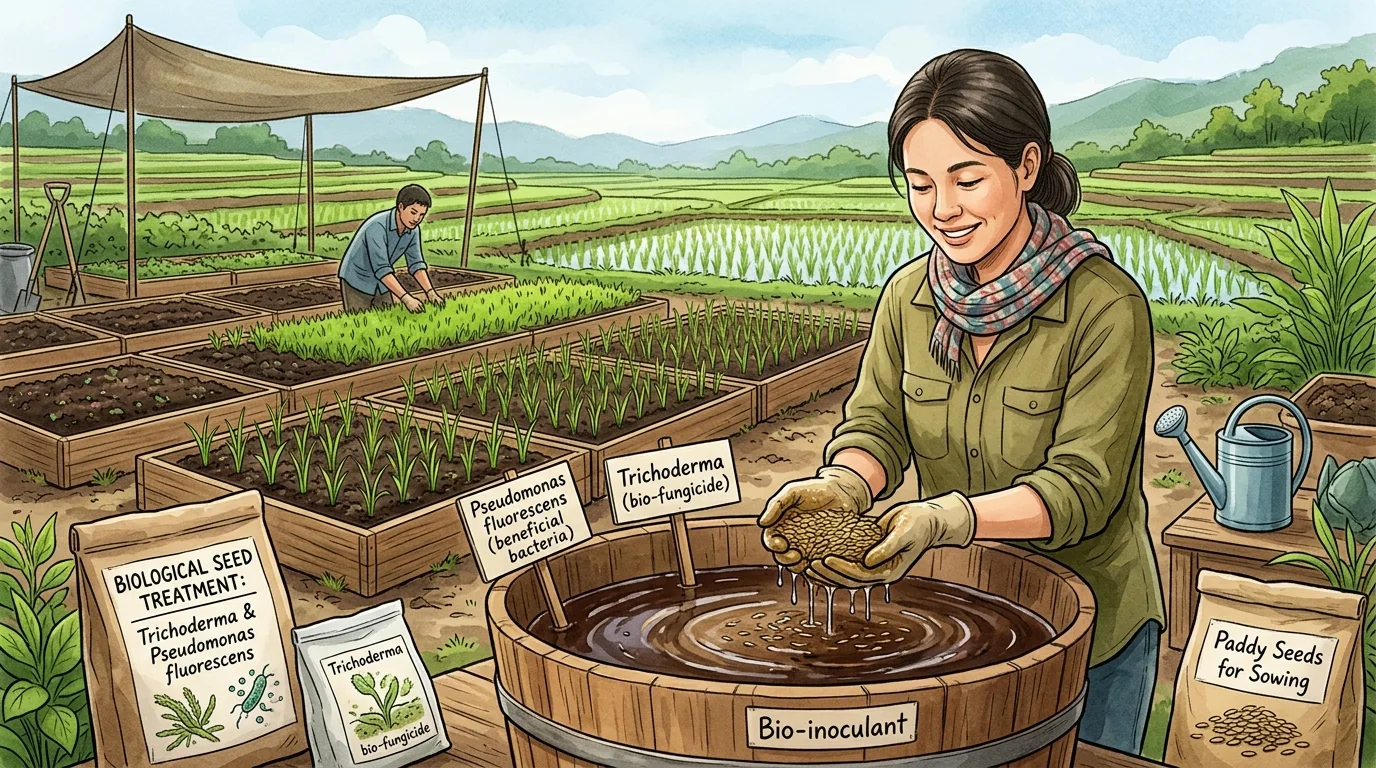
1. Biological Seed Treatment (Pre-Sowing Protection)
Treating seeds before nursery germination creates a protective microbial shield around young root zones and prevents seed-borne inoculum:- Pseudomonas fluorescens Bio-Soak: Soak seeds in water containing Pseudomonas fluorescens powder at 10g per kg of seed for 12 hours. Drain and incubate seeds for sprouting.
- Trichoderma harzianum Treatment: Mix dry seeds with Trichoderma harzianum bio-fungicide (5g/kg seed) to eliminate resting fungal spores.
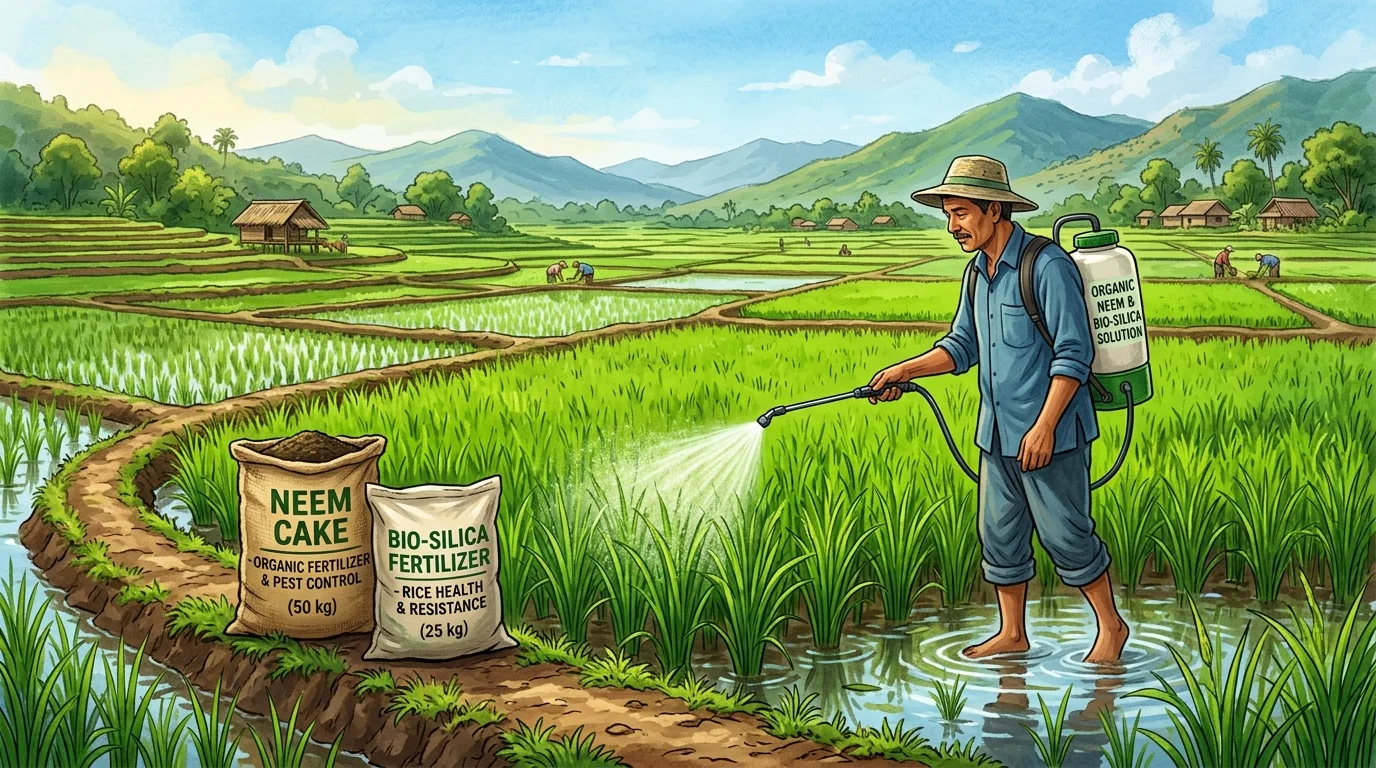
2. Organic Foliar Bio-Sprays & Botanical Extracts
When weather forecasts indicate high humidity and dew point spikes, apply these natural bio-fungicide sprays at early tillering and boot leaf stage:- Pseudomonas fluorescens Foliar Spray: Dissolve 10g of P. fluorescens per liter of water (1% formulation) and spray evenly over the canopy at 15-day intervals.
- Emulsified Neem Oil (3%): Mix 30 ml of cold-pressed neem oil with 5 ml of organic liquid soap in 1 liter of water. Neem compounds inhibit appressorium formation and spore germination.
- Panchagavya Organic Spray (3%): Spray 30 ml Panchagavya per liter of water at tillering to stimulate systemic acquired resistance (SAR) in rice plants.
- Fermented Buttermilk-Garlic Extract: Mix 1 liter of sour, fermented buttermilk with 200g of crushed garlic paste in 10 liters of water. Spray during early leaf blast spotting.
3. Soil Nutrient Balancing & Bio-Silica Strengthening
The structural physical barrier of rice leaves is your best defense against fungal appressoria penetration:- Apply Bio-Silica (Rice Husk Ash): Rice is a natural silicon accumulator. Incorporate rice husk ash or calcium silicate (200–300 kg/ha) into the soil. Silicon accumulates in epidermal cell walls, forming a tough silica-cellulose membrane that prevents fungal hyphae from puncturing the skin.
- Balanced Potash Application: Apply Potassium (Muriate of Potash / organic potash sources) in split doses. Potassium thickens cell walls and improves plant drought and disease resistance.
- Avoid Nitrogen Overdosing: Avoid heavy single applications of Urea. Split nitrogen into 3 to 4 smaller doses to prevent soft, succulent growth.
4. Cultural & Water Management Practices
- Continuous Shallow Water Submergence: Maintain a steady water level of 5 to 7 cm in paddy fields during tillering. Continuous flooding inhibits fungal spore germination compared to dry aerobic soil.
- Field Sanitation: Burn or deep-plow infected stubble and straw immediately after harvest to destroy overwintering perithecia and conidia.
- Resistant Cultivars: Plant certified blast-resistant regional varieties (such as Pusa Basmati 1637, IR-64, or Swarna) recommended by agricultural institutes.
🕵️ Diagnostic Matrix: Rice Blast vs. Brown Spot vs. Bacterial Blight
It is critical to distinguish Rice Blast from other common rice leaf diseases before applying treatments:
| Diagnostic Feature | Rice Blast (Magnaporthe) | Brown Spot (Bipolaris) | Bacterial Leaf Blight (Xanthomonas) |
|---|---|---|---|
| Canonical Profile | Rice Blast Profile | Brown Spot Profile | Bacterial Blight Profile |
| Lesion Shape | Spindle / Diamond-shaped with pointed ends | Small, oval or circular sesame spots | Long, wavy, water-soaked yellowish streaks along leaf margins |
| Center Color | Greyish-white to light ash | Dark reddish-brown to dark sesame center | Translucent pale yellow turning straw white |
| Margin Color | Dark reddish-brown to maroon | Yellowish halo around dark spot | Wavy reddish-orange margin |
| Causal Organism | Fungal pathogen (Magnaporthe oryzae) | Fungal pathogen (Bipolaris oryzae) | Bacterial pathogen (Xanthomonas oryzae) |
| Organic Remedy | Pseudomonas fluorescens + Bio-Silica | Potash fertilizer + Neem spray | Copper hydroxide / Streptomycin bio-sprays |
AI Disease Scanner & Diagnostic Tool
Diagnose Plant Diseases & Crop Pests with AI
Snap or upload a clear photo of infected leaves, stems, or crop panicles to receive an instant AI disease diagnosis, severity score, and organic treatment recommendations.
Related Plant Disease & Grain Safety Cards
Rice Crop Health Hub
Explore the dedicated BioLens Mango Crop Hub for in-depth agronomic guidance on Zinc 'Little Leaf' rosetting, Boron internal necrosis, seasonal spray schedules, and organic orchard protection.