
Is Great Blue Lobelia Safe for Dogs and Cats?
Lobelia siphilitica
Great Blue Lobelia (Lobelia siphilitica), commonly known as the Blue Cardinal Flower or High Lobelia, is a striking, erect native perennial prized for...
Scan & Verify This Plant Specimen
Snap or upload a photo to verify botanical authenticity and test toxicity for cats, dogs, and birds.
Drop Great Blue Lobelia (Blue Cardinal Flower) photo here to verify
or click to browse • Supports JPG, PNG, WEBP • Paste with Ctrl+V
Symptoms to Watch For
Current risk level for cats based on ingestion severity.
Information provided by BioLens Veterinary Database. In case of emergency, always consult a professional.
If your pet ate this plant:
Professional First Aid Summary:
Treat as a high-priority emergency. Seek immediate veterinary assistance.
In-Depth Botanical Safety Analysis
Scientific evaluation and toxicological breakdown of Great Blue Lobelia (Blue Cardinal Flower)
Great Blue Lobelia (Lobelia siphilitica), commonly known as the Blue Cardinal Flower or High Lobelia, is a striking, erect native perennial prized for its spikes of vibrant blue, tubular, two-lipped flowers. Despite its garden appeal, Great Blue Lobelia is highly toxic to dogs, cats, and horses. The primary active toxic agent in the plant is lobeline, a hazardous piperidine alkaloid that is chemically similar to nicotine. This compound, which is present in all parts of the plant (stems, leaves, flowers, and roots), acts on the central nervous system and cardiovascular systems of animals.
Ingestion of any part of the plant triggers rapid clinical signs of toxicity. In dogs and cats, it causes severe gastrointestinal distress (including acute vomiting, abdominal pain, hypersalivation or drooling, and watery diarrhea), progressive neurological depression, muscular weakness, pupil dilation, and dangerous cardiac irregularities (arrhythmias or abnormal heartbeat). In severe cases, the neurotoxic effects can progress to respiratory depression, paralysis, and cardiovascular collapse. Unlike moderately toxic plants, Lobelia exposure is considered a high-priority emergency.
If you suspect your pet has ingested any part of this plant, seek immediate veterinary assistance. For a safe, pet-friendly alternative with beautiful blooms, replace Great Blue Lobelia with non-toxic options like the Snapdragon or Aster. To examine the botanical structure, growth habits, and floral formula of this blue prairie native, view our detailed Botanical Profile for Great Blue Lobelia.
To explore more information on pet safety and garden safety, browse our profiles on the closely related Cardinal Flower and Plumeria (Frangipani).
Toxic Parts
Recommended Pet-Safe Alternatives
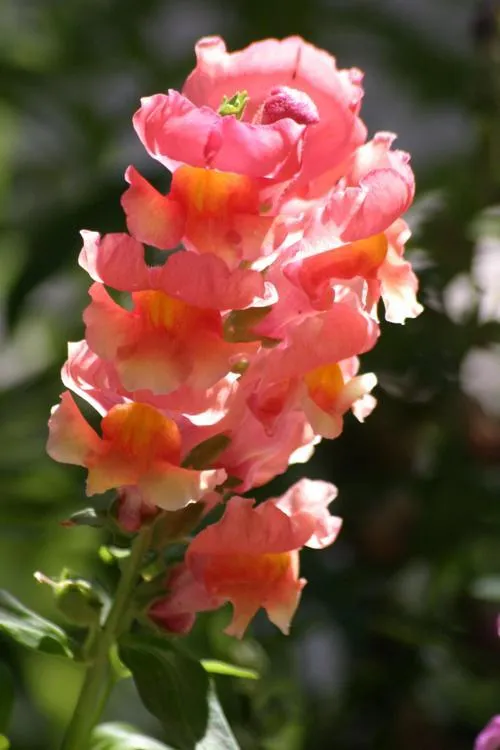 Pet Safe
Global Names & Multilingual Search
Specific Safety FAQs for Great Blue Lobelia (Blue Cardinal Flower)
Is Great Blue Lobelia poisonous to cats and dogs?
Yes, Great Blue Lobelia is highly toxic to both cats and dogs. It contains lobeline, a toxic piperidine alkaloid that affects the nervous and cardiovascular systems, causing severe gastrointestinal distress, weakness, and heartbeat irregularities.
Are the flowers of Great Blue Lobelia toxic?
Yes, all parts of the Great Blue Lobelia plant are toxic to pets, including the flowers, leaves, stems, and roots. Ingestion of any portion can lead to poisoning.
What toxic compounds are found in Great Blue Lobelia?
The primary toxin is lobeline, a pyridine-class alkaloid structurally similar to nicotine. It acts on nicotinic receptors in the animal's nervous system and can cause neurotoxicity and cardiac dysfunction.
What is the emergency first aid for Great Blue Lobelia exposure?
Ingestion is a high-priority emergency. Do not attempt to induce vomiting at home. Keep your pet calm and contact your veterinarian or the nearest emergency veterinary clinic immediately for professional assessment and supportive care.
What are pet-safe alternatives to Great Blue Lobelia?
If you want a safe garden with similar blue or purple blooms, plant pet-safe alternatives like Snapdragon, Catmint (Nepeta), or Asters, which are completely non-toxic to dogs and cats.
20 Dangerous Garden Plants: Cat Toxicity & Safety Guide
Felines are highly sensitive to houseplants and flowers. Learn which 20 common species cause severe or fatal reactions in cats, including lilies, and discover safe, cat-friendly garden alternatives.