
Dieffenbachia
Dieffenbachia spp.
Dieffenbachia (Dieffenbachia spp.), commonly known as Dumb Cane, is a striking tropical foliage houseplant highly popular for its broad, beautifully p...
Scan & Verify This Plant Specimen
Snap or upload a photo to verify botanical authenticity and test toxicity for cats, dogs, and birds.
Drop Dieffenbachia photo here to verify
or click to browse • Supports JPG, PNG, WEBP • Paste with Ctrl+V
Symptoms to Watch For
Current risk level for cats based on ingestion severity.
Information provided by BioLens Veterinary Database. In case of emergency, always consult a professional.
If your pet ate this plant:
Professional First Aid Summary:
CRITICAL: Dieffenbachia causes intense oral inflammation that can obstruct the airway. Rinse mouth immediately. If the pet has difficulty breathing or excessive swelling, seek emergency care at once.
In-Depth Botanical Safety Analysis
Scientific evaluation and toxicological breakdown of Dieffenbachia
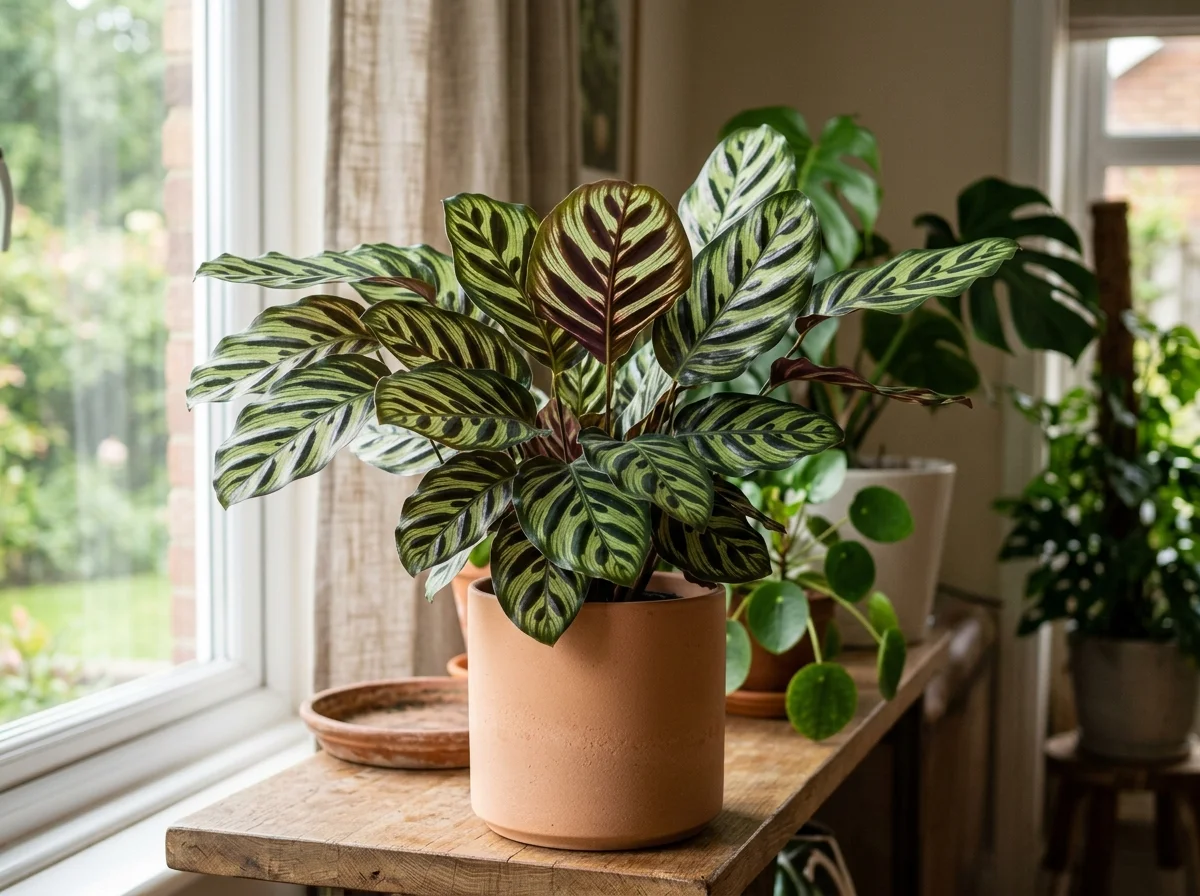
Dieffenbachia (Dieffenbachia spp.), commonly known as Dumb Cane, is a striking tropical foliage houseplant highly popular for its broad, beautifully patterned green-and-cream variegated leaves. However, it is highly toxic to cats and dogs. Every part of the plant contains specialized cells called idioblasts, which house bundles of microscopic, needle-sharp insoluble calcium oxalate crystals (raphides), alongside highly irritating proteolytic enzymes. When a pet bites the plant, the cells explode, shooting the crystalline needles deep into the oral mucosa, tongue, and throat. This synergistic reaction triggers severe localized pain, dramatic swelling of the mouth, tongue, and throat, excessive drooling, vocal cord paralysis (rendering pets unable to whine or meow), and severe respiratory distress if the throat swelling compromises the airway. While rarely fatal if treated, airway obstruction is a critical emergency. Wash their mouth gently, and seek immediate veterinary support if you suspect ingestion. Consider replacing it with the beautiful and pet-safe Calathea plant, and check out more details on our Pet Guard Hub.
To explore more information on pet safety and garden safety, browse our profiles on Pothos, Cannabis (Marijuana), and Field Bindweed.
Toxic Parts
Recommended Pet-Safe Alternatives
Global Names & Multilingual Search
Specific Safety FAQs for Dieffenbachia
Is Dieffenbachia toxic to cats?
Yes, Dieffenbachia (Dumb Cane) is highly toxic to cats. Chewing it causes intense mouth swelling, severe pain, drooling, and potential respiratory distress.
Is Dieffenbachia toxic to dogs?
Yes, Dieffenbachia is highly toxic to dogs. Ingestion triggers severe oral inflammation, difficulty swallowing, vomiting, and airway irritation.
Why is Dieffenbachia called Dumb Cane?
It is called Dumb Cane because the toxic insoluble calcium oxalate crystals and proteolytic enzymes cause swelling of the vocal cords, rendering a pet or human temporarily 'dumb' (unable to speak or make sound).
What is the emergency first aid for Dieffenbachia poisoning?
Swelling can block the airway and become life-threatening. Immediately flush the pet's mouth with water, offer small amounts of milk to bind crystals, and seek urgent veterinary care if they show any breathing difficulties.
20 Dangerous Garden Plants: Cat Toxicity & Safety Guide
Felines are highly sensitive to houseplants and flowers. Learn which 20 common species cause severe or fatal reactions in cats, including lilies, and discover safe, cat-friendly garden alternatives.