
Totapuri vs Alphonso
Compare Totapuri and Alphonso mangoes. The commercial processing favorite vs the premium export king. Taste, price, and usage differences.
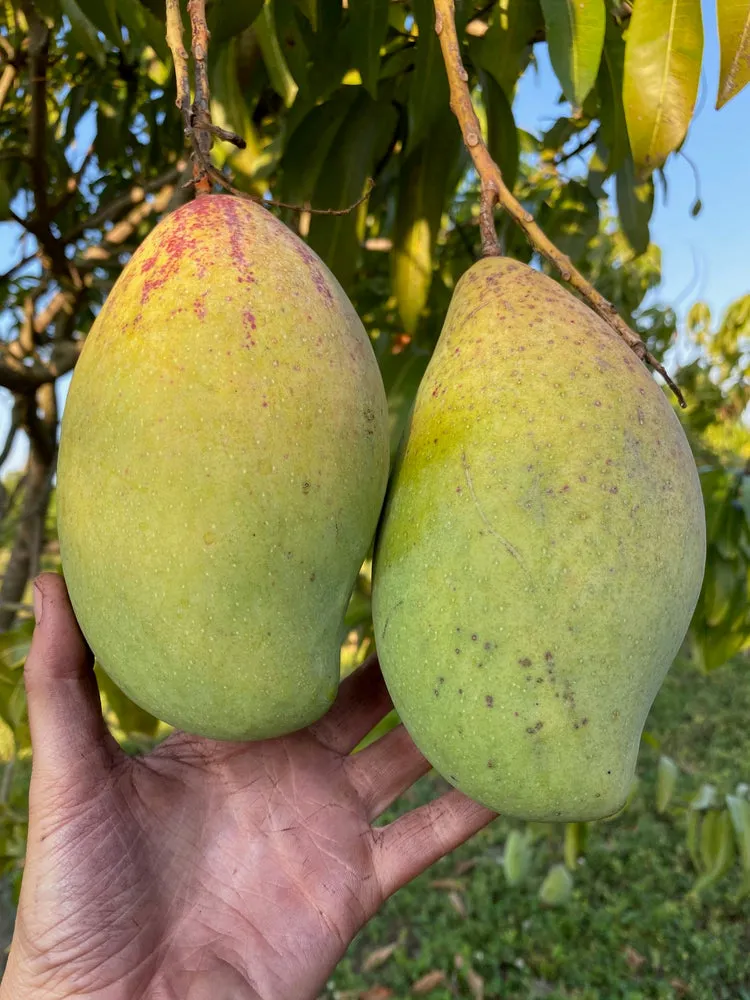
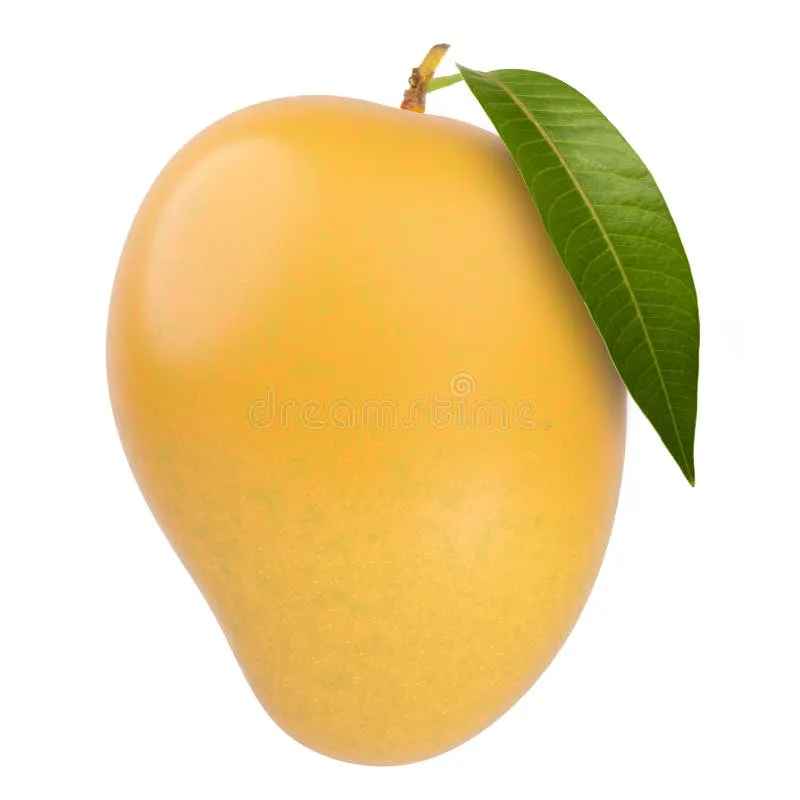
Key Differences: Totapuri vs Alphonso
Totapuri and Alphonso represent two opposite ends of the mango spectrum. Totapuri (grown widely in South India) is a large, elongated mango with a prominent parrot-beak tip and thick skin, offering a mildly sweet, tart, and fibrous pulp that is the primary source for commercial mango juices (like Maaza and Frooti). Alphonso is a medium-sized, round-oval mango with thin skin, an intensely rich buttery flavor, and a powerful aroma, commanding premium prices as a fresh table fruit.
Botanical & Cultivar Comparison Table
| Feature | Totapuri | Alphonso |
|---|---|---|
| Shape | Elongated with sharp beak tip | Roundish-oval |
| Ripe Color | Greenish-yellow with orange blush | Vibrant golden-orange |
| Taste Profile | Mildly sweet, distinct tartness (sour edge) | Rich, buttery, complex aromatic sweetness |
| Texture | Firm, crisp, slightly fibrous | Dense, buttery, completely fiberless |
| Size Category | Large | Medium |
| Weight (Single Fruit) | 350g - 500g | 250g - 350g |
| Harvest Season | Late (May to July) J F M A M J J A S O N D | Early (April to May) J F M A M J J A S O N D |
| Average Price | Budget-Friendly (Rs 40 - 80 per kg) | Ultra-Premium (Rs 800 - 1500 per dozen) |
| State of Origin | Karnataka, Andhra Pradesh, Tamil Nadu | Konkan region, Maharashtra |
| GI Tag Protected | No | Yes |
| Best Use Case | Commercial pulping, pickles, salads, raw eating | Fresh table fruit, luxury desserts, export |
| Adulteration Risk | Low (Rarely ripened chemically due to industrial usage) | High (Premature harvest & Calcium Carbide ripening) |
| Vulnerable Pests/Diseases | Vulnerable to Bacterial Canker and Spider Mites | Highly vulnerable to Anthracnose and Spongy Tissue |
🛡️ Chemical Ripening & Adulteration Guide
Artificial ripening using Calcium Carbide and Ethylene is common in commercial mango trades. Use our Food Guard tool to check for chemical traces, verify natural ripening signs, and protect your family's health.
Which is Better For...?
Alphonso is the standard for premium gifting. Totapuri is not used for gifting due to its tart flavor and commercial nature.
Totapuri is the absolute king of commercial mango pulp and juices due to its high acidity and volume.
Alphonso is infinitely superior for eating fresh. Raw or semi-ripe Totapuri is eaten with salt and chili powder.
Alphonso is exported fresh. Totapuri is exported globally as processed pulp concentrate.
How to Spot the Differences (Visual Spotting Guide)
Examine these visual markers and close-up identification features to tell them apart:
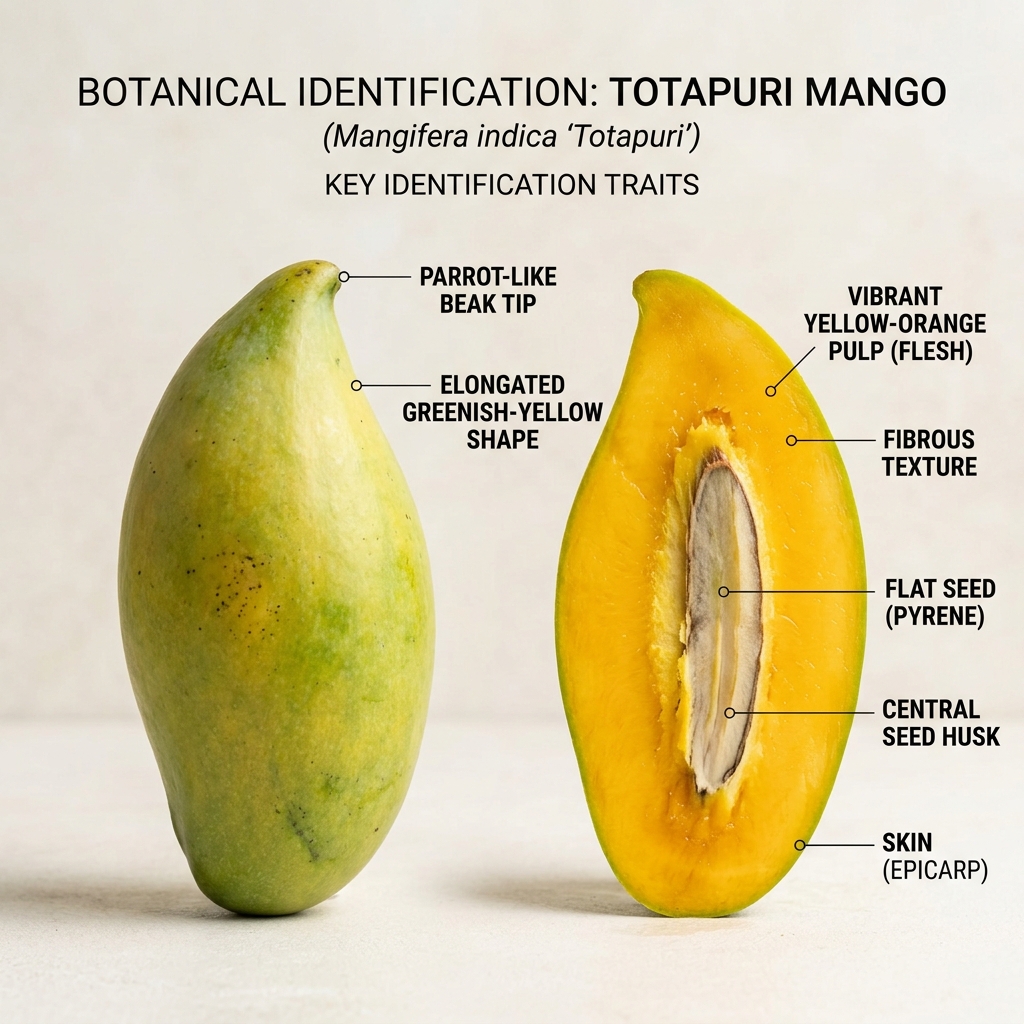 Totapuri Guide
- Parrot-like beak tip: The bottom tip curves sharply upward, resembling a parrot's beak.
- Elongated, large body: Fruit is long, heavy, and often twice the size of an Alphonso.
- Thick greenish-yellow skin: Tough skin that remains green-yellow and resists bruising.
- South India origin: Sourced primarily from Karnataka, Andhra Pradesh, and Tamil Nadu.
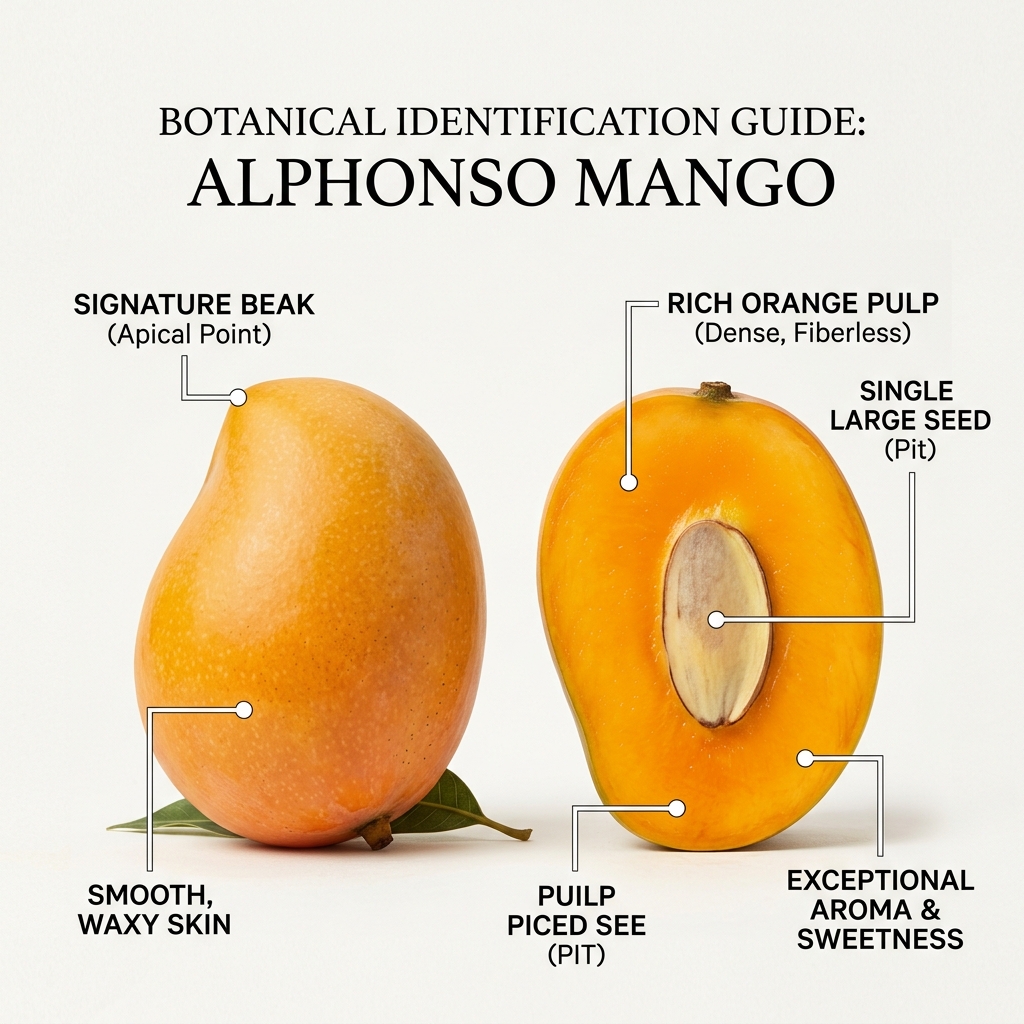 Alphonso Guide
- Roundish-oval base: Plump, roundish base with a tiny beak.
- Vibrant golden-orange skin: Ripe skin is a uniform, rich golden-yellow color.
- Saffron-orange pulp: Deep orange color, buttery and fiberless.
- Konkan coast origin: Sourced from Devgad and Ratnagiri districts.
Detailed Attribute Breakdown
👅 Flavor Comparison
Totapuri is tangy and mildly sweet, lacking the rich depth of table mangoes. Alphonso is highly sweet, rich, and aromatic.
👃 Aroma Profile
Alphonso has an intense, sweet perfume. Totapuri has a very light, grassy, mild mango scent.
📦 Shelf Life & Storage
Totapuri has a tough, thick skin and is highly resistant to bruising, lasting 10-14 days. Alphonso is delicate and requires careful storage.
🛒 Market Availability
Alphonso peaks in May. Totapuri is a late-season survivor, available in large quantities through June and July.
Which Should You Choose?
- Choose Alphonso if you want to eat a premium, sweet, aromatic table mango fresh or make high-end desserts.
- Choose Totapuri if you want to make pickles, tang-filled salads, raw mango slices with chili, or bulk pulping on a budget.