
Ataulfo vs Alphonso
Compare Mexican Ataulfo and Indian Alphonso mangoes. Honey mango vs Hapus. Taste, texture, color, and price differences.
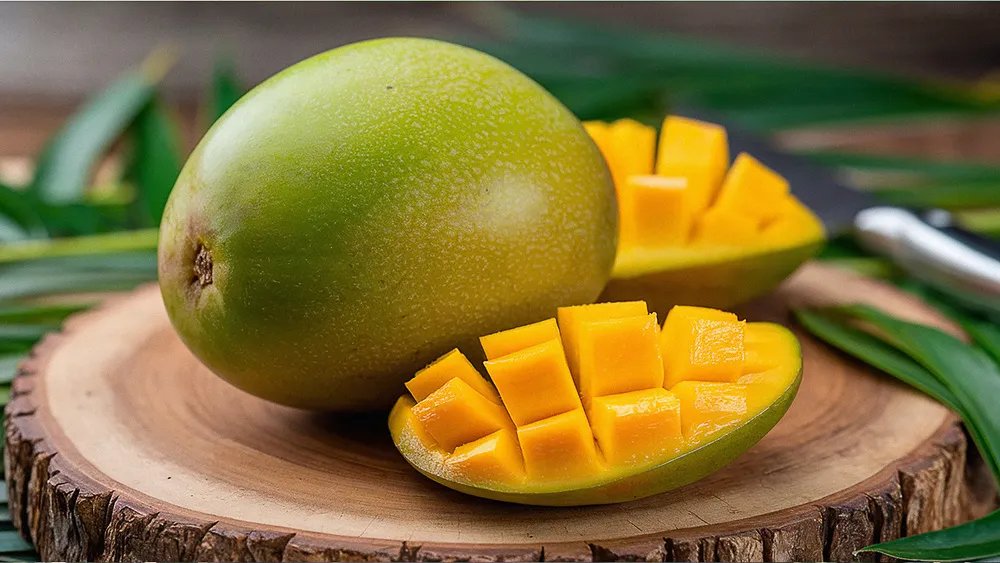
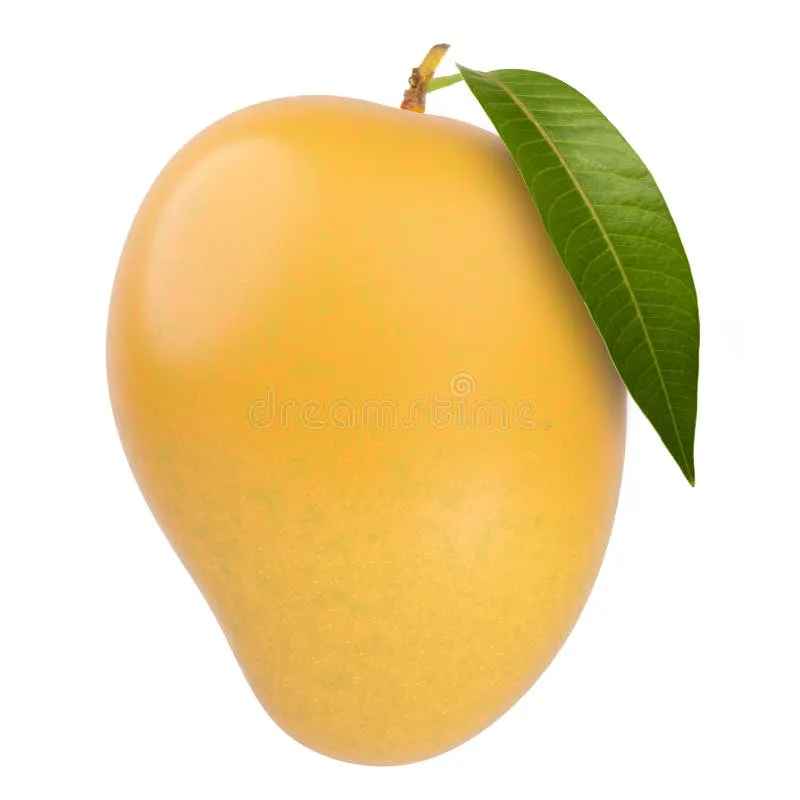
Key Differences: Ataulfo vs Alphonso
Ataulfo and Alphonso are two of the most popular premium mango varieties in the Western hemisphere, each carrying a protected geographical designation. Ataulfo, originating from Soconusco in Chiapas, Mexico (often sold as Honey or Champagne mangoes), is small, kidney-shaped, and features a bright golden-yellow skin that wrinkles slightly when ripe, offering a sweet, buttery, and fiberless pulp with honey-peach notes. Alphonso, the Indian king, is larger, round-oval, turns a smooth golden-orange, and offers an intensely rich, buttery texture with a deep saffron-colored pulp and a heavy, perfume-like tropical scent.
Botanical & Cultivar Comparison Table
| Feature | Ataulfo | Alphonso |
|---|---|---|
| Shape | Small, flattened kidney-shape (obovate) | Roundish-oval, plump |
| Ripe Color | Deep golden-yellow (wrinkles when ripe) | Vibrant golden-orange yellow |
| Taste Profile | Extremely sweet, buttery, peachy-honey notes | Rich, buttery, mildly acidic-sweet balance |
| Texture | Velvety smooth, completely fiberless | Extremely smooth, melt-in-the-mouth, buttery |
| Size Category | Small | Medium |
| Weight (Single Fruit) | 200g - 300g | 250g - 350g |
| Harvest Season | Spring (March to June) J F M A M J J A S O N D | Early (April to mid-May) J F M A M J J A S O N D |
| Average Price | Moderate ($1 - $2 per fruit in US) | Ultra-Premium import ($5 - $10 per fruit) |
| State of Origin | Soconusco, Chiapas, Mexico | Konkan region, Maharashtra, India |
| GI Tag Protected | Yes (Mango Ataulfo del Soconusco Chiapas) | Yes (Devgad/Ratnagiri Hapus) |
| Best Use Case | Fresh eating, sorbets, smoothies, Mexican cuisine | Fresh eating, luxury desserts, gourmet gifting |
| Adulteration Risk | Low (Naturally sweet, ripens smoothly) | High (Premature harvest & Calcium Carbide ripening) |
| Vulnerable Pests/Diseases | Vulnerable to Anthracnose and Thrips | Highly vulnerable to Anthracnose and Spongy Tissue |
🛡️ Chemical Ripening & Adulteration Guide
Artificial ripening using Calcium Carbide and Ethylene is common in commercial mango trades. Use our Food Guard tool to check for chemical traces, verify natural ripening signs, and protect your family's health.
Which is Better For...?
Alphonso is the ultimate luxury gift. Ataulfo is popular in North America as a premium everyday table fruit.
Ataulfo is excellent for smoothies and sorbets due to its high sugar content and smooth texture.
Both are exceptional. Alphonso has a richer, more complex flavor, while Ataulfo has a clean, honeyed sweetness.
Ataulfo dominates imports in the US and Canada due to its proximity to Mexico.
How to Spot the Differences (Visual Spotting Guide)
Examine these visual markers and close-up identification features to tell them apart:
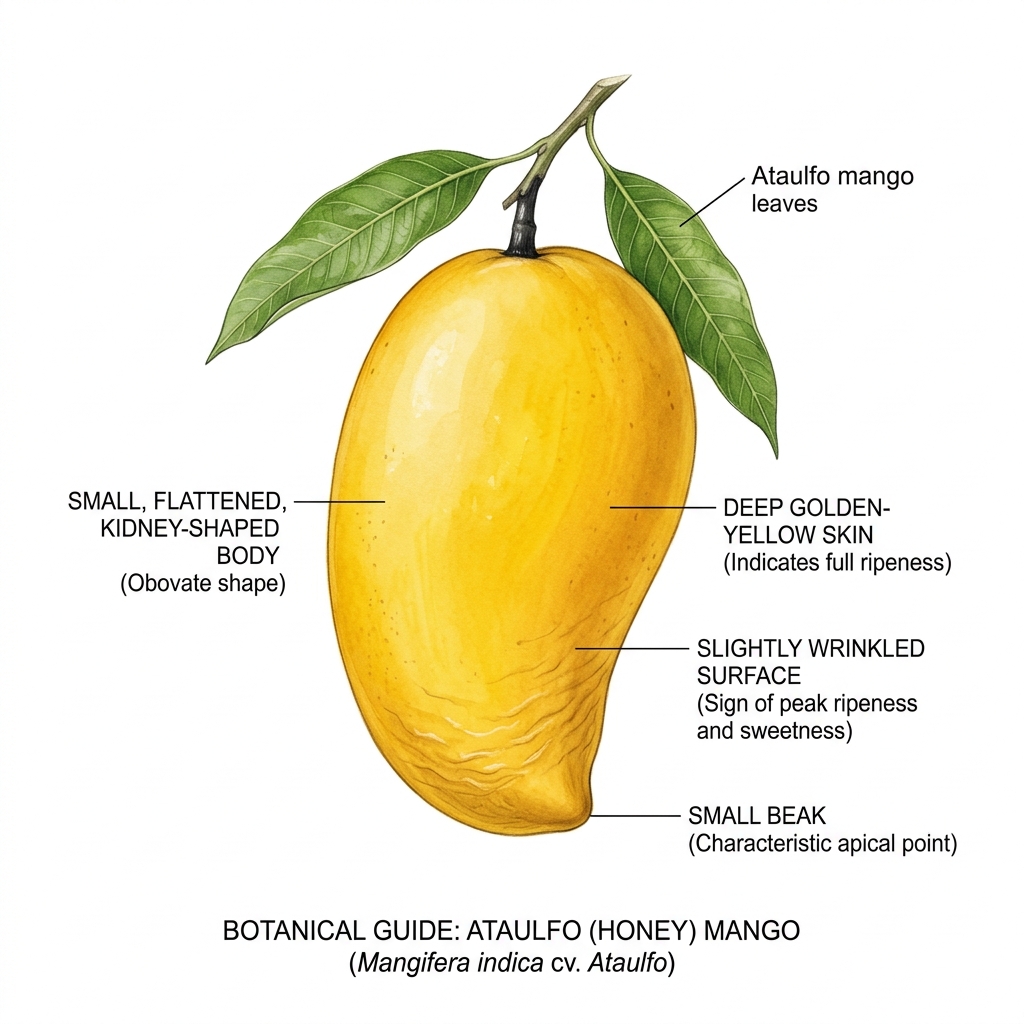 Ataulfo Guide
- Small, flattened kidney shape: Obovate profile that is thin and curved.
- Bright golden-yellow skin: Ripe skin turns deep yellow and wrinkles when fully ripe.
- Small beak: Has a subtle beak and thin skin.
- Chiapas, Mexico origin: Certified GI protection from the Soconusco region.
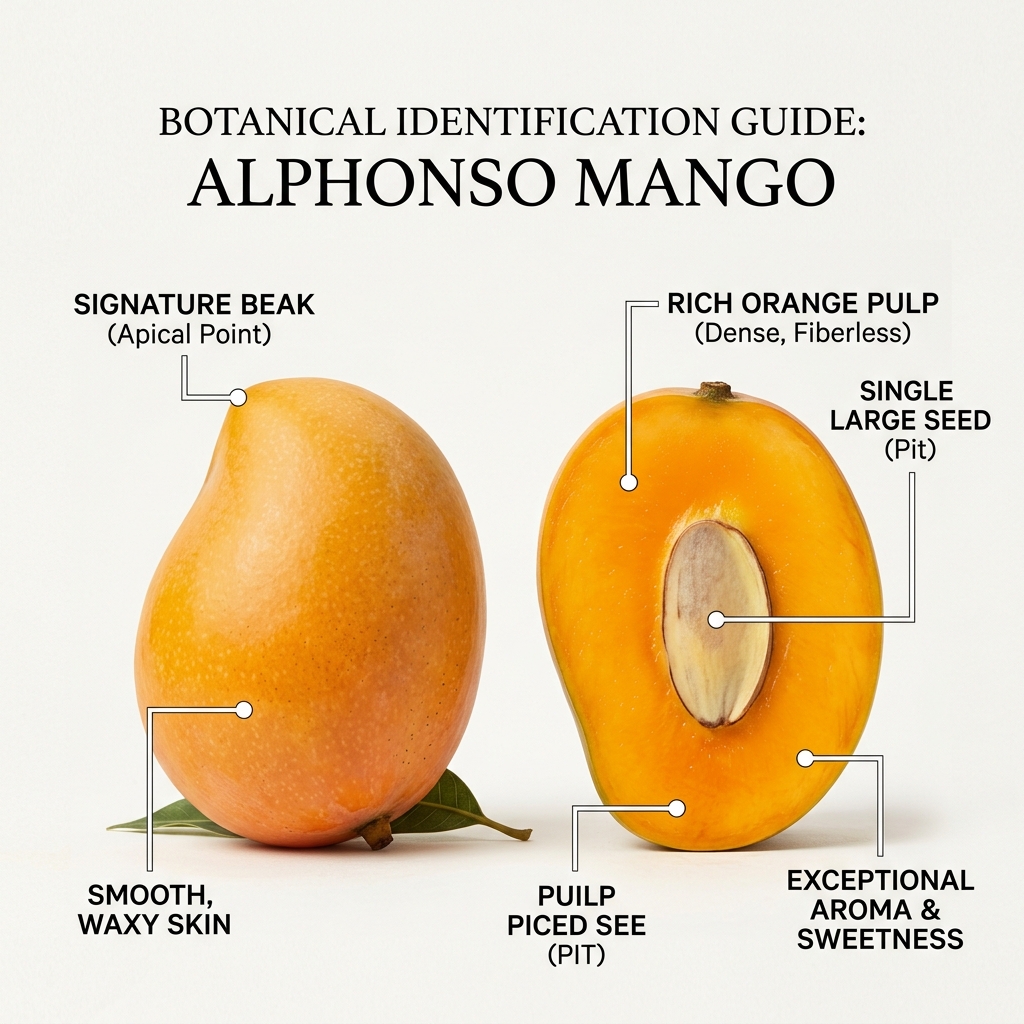 Alphonso Guide
- Roundish-oval base: Plump, roundish base with a tiny beak.
- Vibrant golden-orange skin: Ripe skin is a uniform, rich golden-yellow color.
- Saffron-orange pulp: Deep orange color, buttery and fiberless.
- Konkan coast origin: Sourced from Devgad and Ratnagiri districts.
Detailed Attribute Breakdown
👅 Flavor Comparison
Ataulfo has a bright, honey-sweet taste with peach and citrus notes. Alphonso has a heavier, richer buttery sweetness with a complex acid finish.
👃 Aroma Profile
Alphonso has an intense, sweet tropical perfume. Ataulfo has a lighter, sweet, fruity scent.
📦 Shelf Life & Storage
Ataulfo has a moderate shelf life of 5-7 days. Alphonso is delicate and susceptible to internal spongy tissue.
🛒 Market Availability
Ataulfo is available in spring. Alphonso has a short season peaking in April and May.
Which Should You Choose?
- Choose Ataulfo if you are in North America, want an affordable, honey-sweet, fiberless mango, and love making fresh smoothies or sorbets.
- Choose Alphonso if you want to experience the premium 'King of Mangoes' with its legendary rich, buttery saffron pulp and heavy tropical aroma.