
Amrapali vs Mallika
Compare Amrapali and Mallika mangoes. Both famous IARI hybrids: Learn about tree sizes, yield, sweet tastes, and home garden suitability.
Key Differences: Amrapali vs Mallika
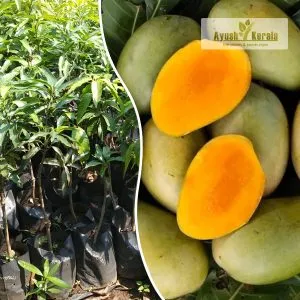
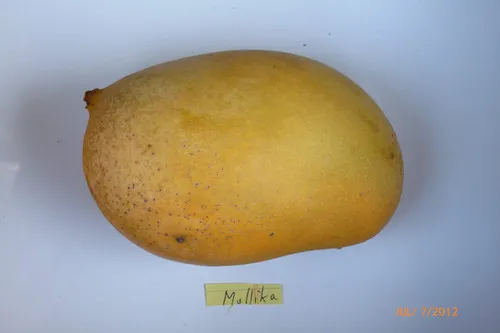
Amrapali and Mallika are the sister cultivars of India's agricultural research (IARI), both bred from the same parents (Dasheri and Neelum) but with opposite crossings. Amrapali (Dasheri x Neelum) is a dwarf tree that bears small-to-medium-sized, intensely sweet orange-yellow mangoes with exceptionally high pulp density and vitamin content. Mallika (Neelum x Dasheheri) produces very large, flattened oblique-oblong fruits with a rich canary-yellow skin and clean, honey-sweet, fiberless flesh. Amrapali is ideal for high-density backyard gardening, while Mallika is favored for commercial slicing and retail sales.
Botanical & Cultivar Comparison Table
| Feature | Amrapali | Mallika |
|---|---|---|
| Shape | Small-to-medium oblong | Large, flattened oblong-oblique |
| Ripe Color | Deep orange-yellow skin when ripe | Canary-yellow skin when fully ripe |
| Taste Profile | Intensely sweet, high sugar content | Pleasant honey-sweet, aromatic |
| Texture | Soft, fiberless, dense orange pulp | Firm, meaty, fiberless pulp |
| Size Category | Medium | Large |
| Weight (Single Fruit) | 250g - 350g | 300g - 450g |
| Harvest Season | Late (mid-June to July) J F M A M J J A S O N D | Late (mid-June to July) J F M A M J J A S O N D |
| Average Price | Affordable (Rs 100 - 200 per kg) | Mid-Range (Rs 120 - 250 per kg) |
| State of Origin | IARI Hybrid (Dasheri x Neelum) | IARI Hybrid (Neelum x Dasheheri) |
| GI Tag Protected | No (Shared national hybrid) | No (Shared national hybrid) |
| Best Use Case | Juices, desserts, backyard gardening | Slicing, fruit salads, home garden orchards |
| Adulteration Risk | Medium (Late season ripening is usually natural) | Medium (Often harvested late and ripened naturally) |
| Vulnerable Pests/Diseases | Vulnerable to Anthracnose and fruit fly | Resistant to common pests due to thick skin |
🛡️ Chemical Ripening & Adulteration Guide
Artificial ripening using Calcium Carbide and Ethylene is common in commercial mango trades. Use our Food Guard tool to check for chemical traces, verify natural ripening signs, and protect your family's health.
Which is Better For...?
Mallika makes an impressive gift due to its massive, beautiful yellow fruits. Amrapali is excellent for sharing local garden produce.
Amrapali is superior for pulps and juices due to its extremely high pulp yield and deep orange color.
Both are exceptional. Mallika is the ultimate slicing mango, while Amrapali is extremely sweet and rich.
Mallika is widely exported due to its firmer skin and uniform color.
How to Spot the Differences (Visual Spotting Guide)
Examine these visual markers and close-up identification features to tell them apart:
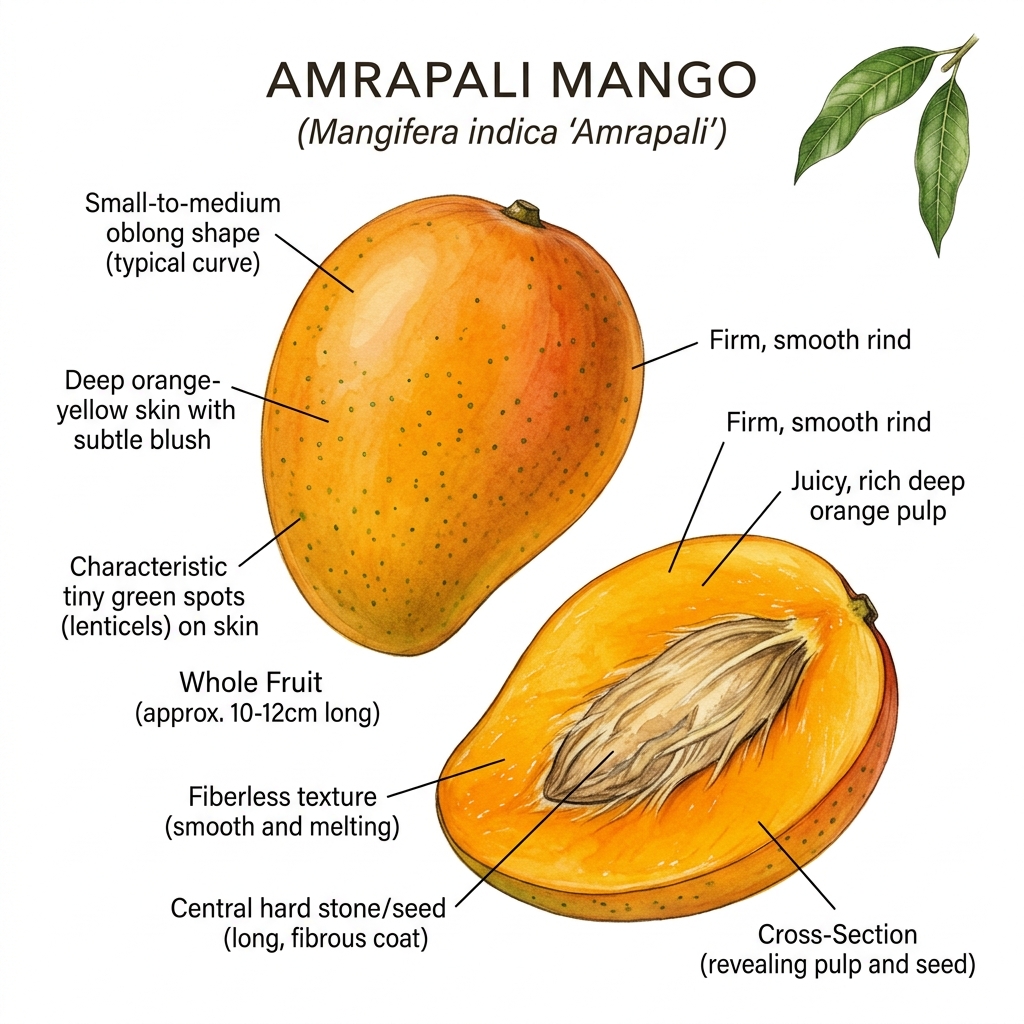 Amrapali Guide
- Small oblong shape: Small and compact fruit, making it easy to spot.
- Deep orange-yellow skin: Ripe skin is warm yellow with orange tones and small green spots.
- Deep orange pulp: Deep, vibrant orange pulp with one of the highest beta-carotene contents.
- Dwarf growth: Harvested from highly compact dwarf trees.
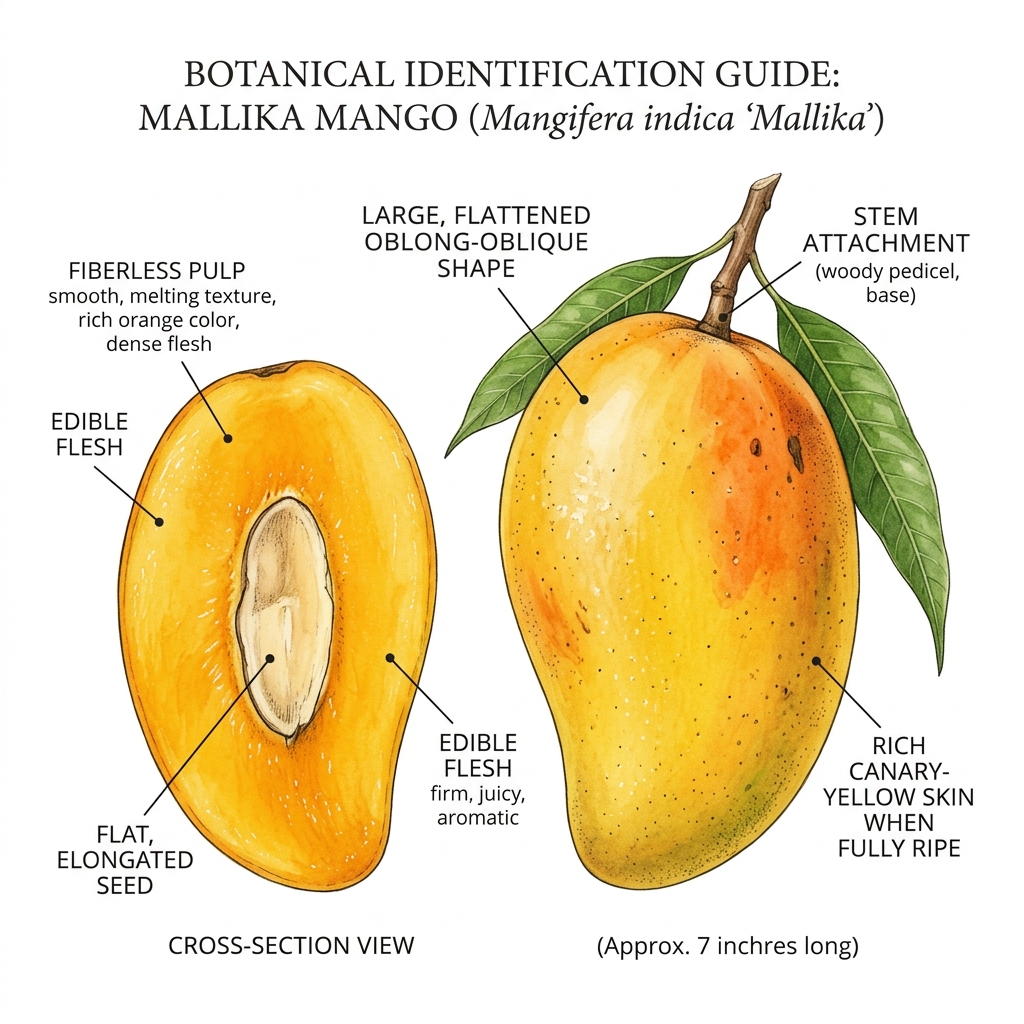 Mallika Guide
- Large, flat oblong-oblique shape: Massive fruit with a distinct flattened, curved silhouette.
- Clean canary-yellow skin: Turns a uniform, bright yellow color when fully ripe.
- Firm canary-yellow pulp: Inside reveals firm, sliceable yellow flesh with zero fiber.
- Vigorous tree size: Sourced from large, vigorously growing orchard trees.
Detailed Attribute Breakdown
👅 Flavor Comparison
Amrapali has a higher sugar content and a very rich flavor. Mallika has a balanced, clean honeyed sweetness with floral undertones.
👃 Aroma Profile
Amrapali has a strong, classic sweet mango aroma. Mallika has a refreshing, pleasant tropical scent.
📦 Shelf Life & Storage
Mallika has a superior shelf life of 6-8 days due to its thick skin. Amrapali is softer and must be eaten within 3-4 days.
🛒 Market Availability
Both are late-summer varieties, arriving in mid-June and lasting through July.
Which Should You Choose?
- Choose Amrapali if you have limited space and want compact dwarf trees with intensely sweet, deep orange pulp.
- Choose Mallika if you want large, easily sliceable, beautiful canary-yellow mangoes with a clean, honey-sweet flavor.