
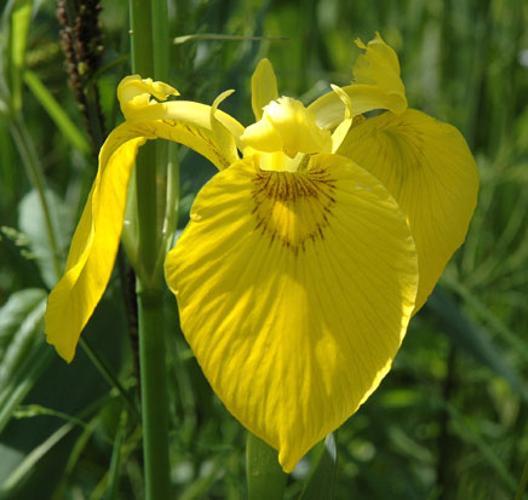
Yellow Iris
Iris pseudacorus
Basic Details
Floral Formula & Features
Ebracteate (no bracts), Zygomorphic (bilateral symmetry), bisexual, 6 tepals in 2 whorls of 3 (3 falls + 3 standards, petaloid), 3 stamens, 3 fused carpels with inferior ovary, petaloid style branches typical of Iridaceae
- Name 'Iris' from Greek goddess of rainbow. 'Pseudacorus' means false Acorus (sweet flag). Also called Yellow Flag - 'flag' from Middle English for reed or rush. Native to Europe, Western Asia, North Africa. Listed as invasive in many regions outside native range
- Bright golden-yellow flowers 3-4 inches (8-10 cm) across with 3 large drooping sepals (falls) and 3 smaller upright petals (standards). Falls have brown or purple veining. Blooms May-July. Each stem produces 4-12 flowers. Typical iris structure with 3-part symmetry
- Rhizomatous perennial with thick pink tuberous rhizomes. Tall erect sword-shaped leaves 2-3 feet (60-90 cm) long, grey-green, rigid. Leaves persist through winter. Forms dense clumps. Stems sometimes branched. Semi-aquatic - grows in water up to 10 inches (25 cm) deep
- Grows 2-5 feet (60-150 cm) tall. Lifespan of many years as perennial. Spreads aggressively via rhizomes and seeds. Seeds buoyant, float for months aiding dispersal. Can form extensive seed banks. Propagated by division or seeds
- Native to Europe, Western Asia (Turkey, Caucasus), North Africa. Now invasive in North America, Australia, New Zealand, South Africa. Thrives in wetlands, marshes, pond edges, stream banks, ditches, floodplains. Tolerates brackish and salt marshes
- Requires full sun to partial shade. Thrives in wet soils or shallow water (up to 10 inches/25 cm deep). Tolerates wide range of soil types and pH. Extremely adaptable - survives drought, flooding, cold, heat, salinity, low nutrients. Hardy zones 3-9
- Major invasive species forming dense monocultures that displace native wetland plants, reduce biodiversity, alter habitats, clog waterways, trap sediment. All parts toxic (glycosides) - causes skin irritation, gastric distress if ingested by livestock. Decreases wildlife food sources
- Control difficult due to extensive rhizomes and prolific seeds. Manual removal must extract all rhizome fragments. Herbicides (glyphosate, imazapyr) effective but require repeated applications. Mowing ineffective. Prevention best - never plant near natural wetlands. Banned in some regions
Names in Different Languages
What is Floral Formula?
A floral formula is a symbolic representation of a flower's structure using letters, numbers, and special symbols. It provides a concise way to describe the arrangement and number of floral parts.
This formula describes the flower's symmetry, sepals, petals, stamens, and carpels in a standardized format.
Formula Sequence
- Bract: Br or Ebr
- Bracteole: Brl or Ebrl
- Symmetry: % (Radial) or ⊕ (Bilateral)
- Sex: ♀ (Female), ♂ (Male), or ⚥ (Bisexual)
- Calyx/Sepal: K<number> (Free or Fused)
- Corolla/Petal: C<number> (Free or Fused)
- Androecium: A<number> (Free or Fused)
- Gynaecium: G<number> (Superior or Inferior Ovary)
Symbol Meanings
- Numbers: Indicate quantity of parts
- Parentheses (): Parts are fused together
- Plus (+): Parts in different whorls
- Underline: Superior ovary position
- Overline: Inferior ovary position
- ∞: Numerous parts (too many to count)
Understanding floral formulas helps botanists quickly identify and classify flowers based on their structural characteristics.
Similar Flowers
Discover flowers that share botanical characteristics
Same Genus
2
Same Family
3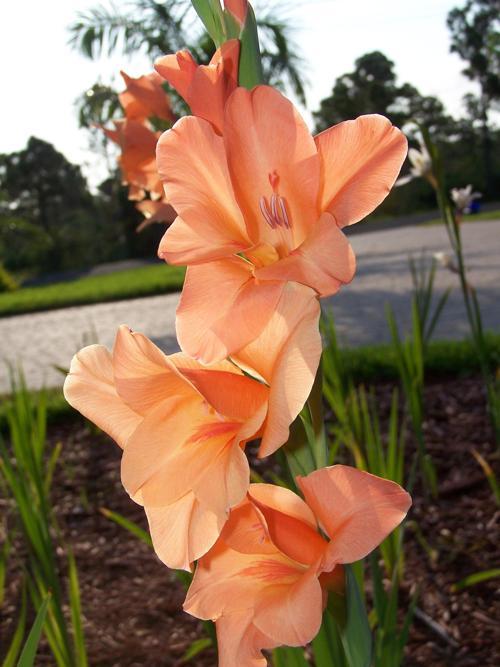
Sword Lily
Gladiolus
Slender flower spikes with numerous funnel-shaped blooms in a wide range of vibr...
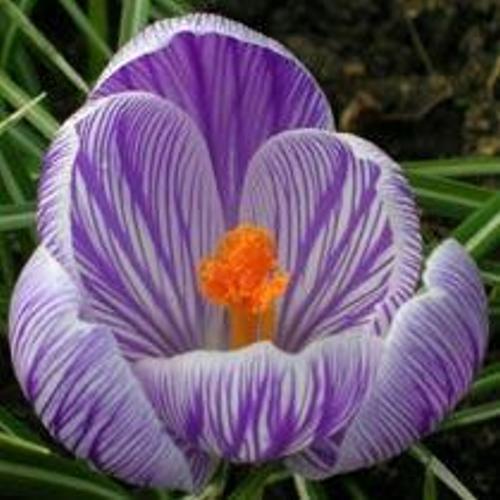
Spring Crocus
Crocus vernus
Cheerful early spring bulb that blooms while snow still on ground. Cup-shaped fl...
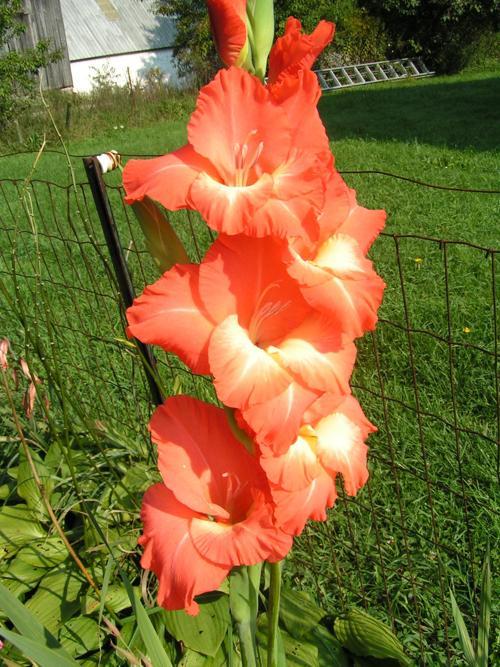
Gladiolus
Gladiolus
Spectacular cormous perennial featuring tall, dramatic spikes of large, funnel-s...
Similar Characteristics
4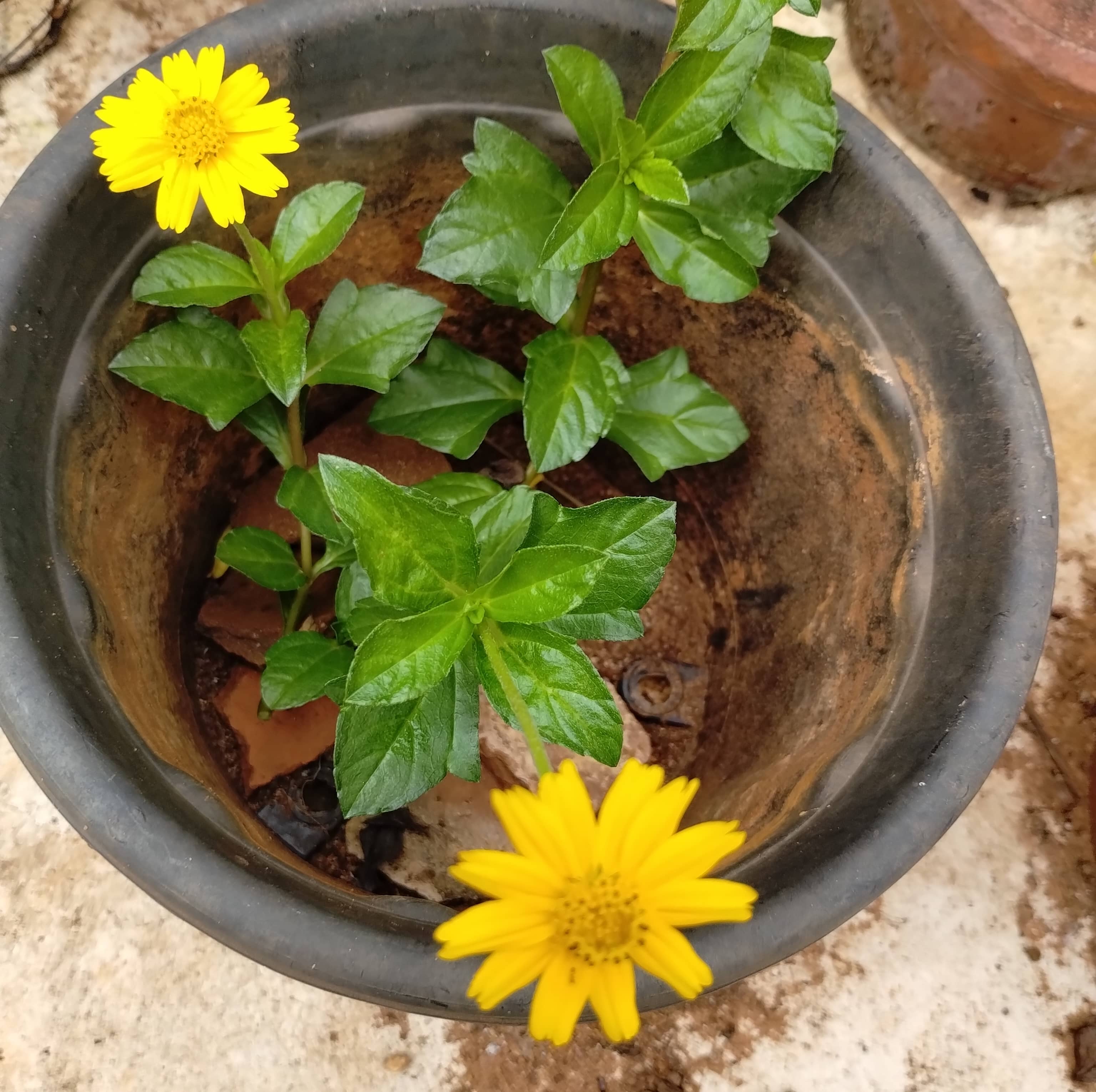
Wedelia Trilobata
Sphagneticola trilobata
Highly invasive mat-forming perennial groundcover with bright yellow daisy-like ...
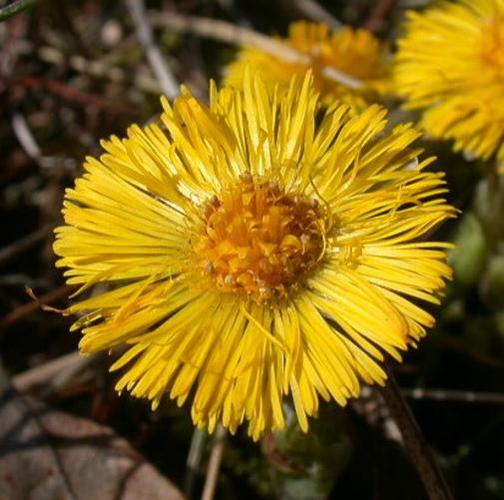
Coltsfoot
Tussilago farfara
Early spring wildflower featuring bright yellow, dandelion-like blooms that appe...
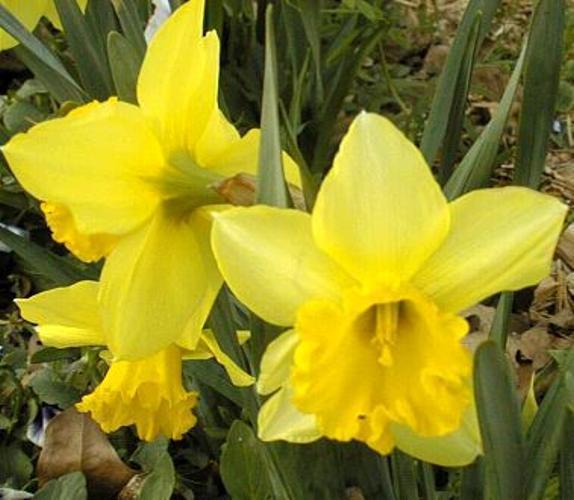
Daffodil
Narcissus pseudonarcissus
Beloved spring bulb featuring cheerful blooms with six petal-like tepals surroun...
Spring Crocus
Crocus vernus
Cheerful early spring bulb that blooms while snow still on ground. Cup-shaped fl...