
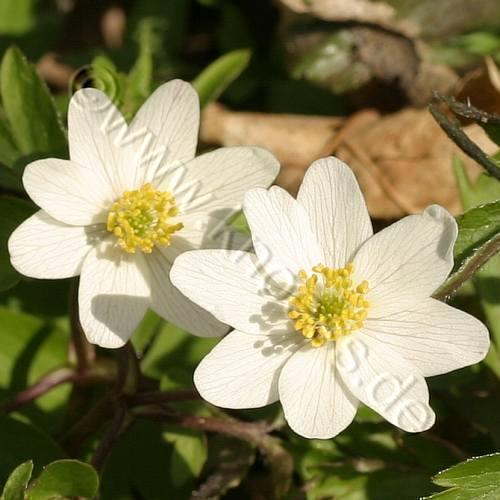
Windflower
Anemone
Basic Details
Floral Formula & Features
Ebracteate (no bracts), Actinomorphic (radially symmetrical), bisexual, 5-20 free petal-like sepals (tepals - no true petals), numerous free stamens in spiral, numerous free carpels with superior ovaries typical of Ranunculaceae
- Name 'Anemone' from Greek 'anemos' (wind), hence windflower - flowers sway in breeze. About 120 species. Wood anemone (A. nemorosa) indicator of ancient woodlands in Europe. Japanese anemone actually from China. All parts toxic if ingested - contains protoanemonin
- Cup or bowl-shaped flowers 1-3 inches (2.5-8 cm) across with 5-20 petal-like sepals (no true petals) and numerous stamens. Colors include white, pink, purple, red, blue. Wood anemones bloom March-May. Japanese anemones bloom August-October. Poppy anemones spring
- Herbaceous perennials growing from rhizomes or tubers. Basal leaves deeply divided, palmate or fern-like. Flowering stems rise above foliage. Wood anemones summer dormant (ephemeral). Japanese anemones fibrous-rooted, woody-based. Spread by rhizomes forming colonies
- Height varies by species: Wood anemone 4-8 inches (10-20 cm), Japanese anemone 2-4 feet (60-120 cm), Poppy anemone 8-12 inches (20-30 cm). Lifespan 20-25 years. Propagated by division of rhizomes or tubers, or seeds. Slow to establish
- Native to temperate and subtropical regions of Northern Hemisphere. Wood anemone native to Europe. Japanese anemone from China. Poppy anemone from Mediterranean. Found in woodlands, meadows, alpine areas. Naturalized in North America
- Most prefer partial to full shade (wood, Japanese anemones). Some tolerate sun (poppy anemone). Need moist, well-drained, humus-rich soil. Wood anemones prefer acidic soil. Japanese anemones neutral to alkaline. Hardy zones vary 3-8 depending on species
- Excellent for woodland gardens, shade borders, naturalizing. Japanese anemones provide late-season color when few shade plants bloom. Good cut flowers. Attract bees, butterflies. Deer and rabbit resistant due to toxicity. Wood anemones carpet forest floors in spring
- Mulch in spring to retain moisture. Japanese anemones may need staking in windy sites. Divide every 3-4 years if crowded. Wood anemones best left undisturbed. All parts toxic - wear gloves when handling. Can cause skin irritation. Keep away from children, pets
Names in Different Languages
What is Floral Formula?
A floral formula is a symbolic representation of a flower's structure using letters, numbers, and special symbols. It provides a concise way to describe the arrangement and number of floral parts.
This formula describes the flower's symmetry, sepals, petals, stamens, and carpels in a standardized format.
Formula Sequence
- Bract: Br or Ebr
- Bracteole: Brl or Ebrl
- Symmetry: % (Radial) or ⊕ (Bilateral)
- Sex: ♀ (Female), ♂ (Male), or ⚥ (Bisexual)
- Calyx/Sepal: K<number> (Free or Fused)
- Corolla/Petal: C<number> (Free or Fused)
- Androecium: A<number> (Free or Fused)
- Gynaecium: G<number> (Superior or Inferior Ovary)
Symbol Meanings
- Numbers: Indicate quantity of parts
- Parentheses (): Parts are fused together
- Plus (+): Parts in different whorls
- Underline: Superior ovary position
- Overline: Inferior ovary position
- ∞: Numerous parts (too many to count)
Understanding floral formulas helps botanists quickly identify and classify flowers based on their structural characteristics.
Similar Flowers
Discover flowers that share botanical characteristics
Same Family
4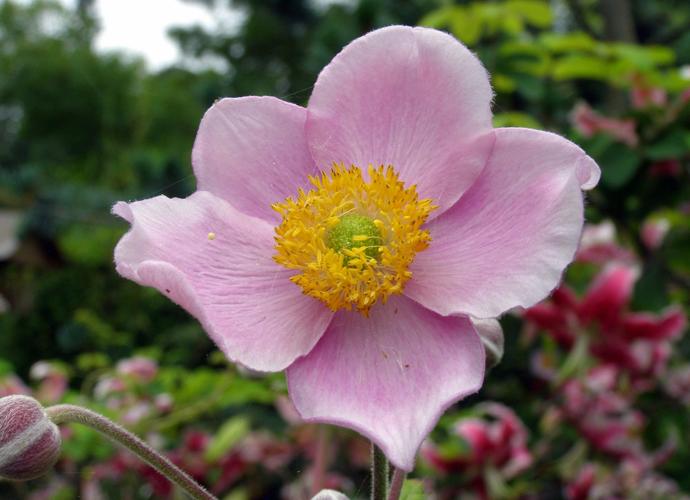
Japanese anemone
Anemone hupehensis, Anemone hybrida
Elegant late-season perennial featuring graceful, saucer-shaped flowers on tall,...
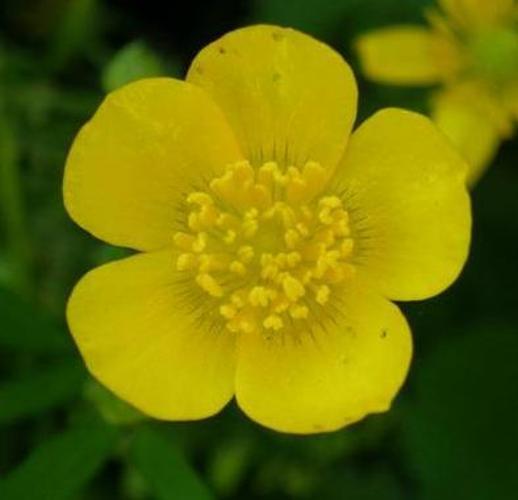
Meadow Buttercup
Ranunculus acris
Common wildflower with bright golden-yellow cup-shaped blooms featuring glossy, ...
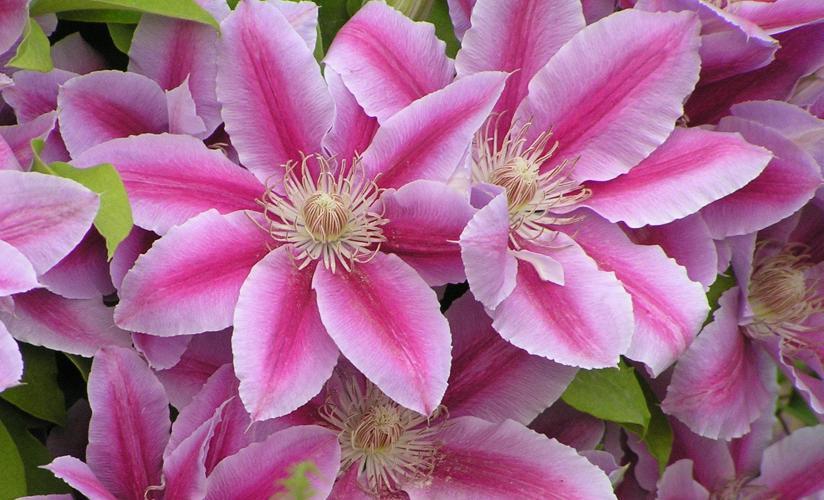
Clematis
Clematis
Spectacular flowering vine featuring large, showy blooms in star or bell shapes ...
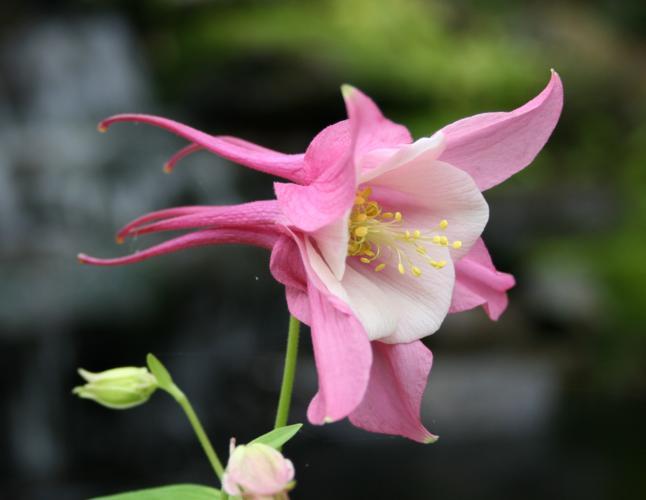
Columbine
Aquilegia
Graceful woodland perennial featuring unique nodding flowers with five petal-lik...
Similar Characteristics
4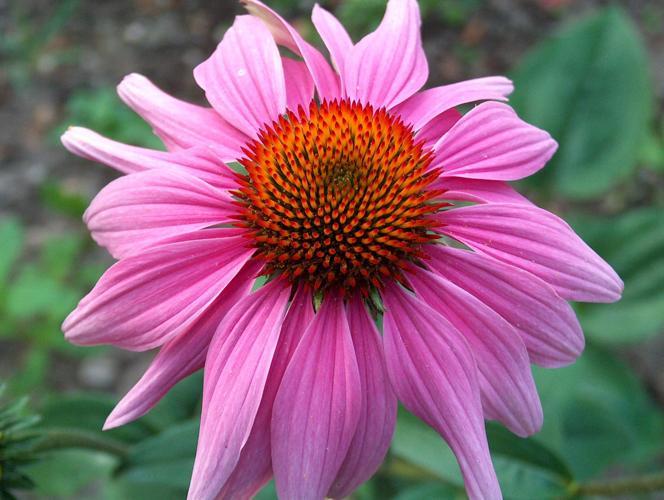
Purple Coneflower
Echinacea purpurea
Popular prairie wildflower with distinctive purple-pink petals drooping around s...
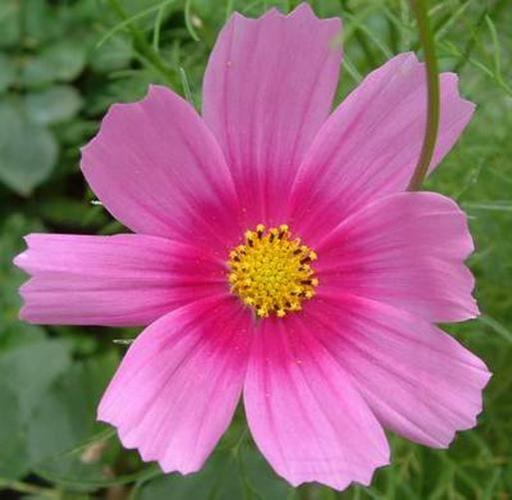
Mexican Aster
Cosmos bipinnatus
Graceful annual with airy, fern-like foliage and cheerful daisy-like flowers in ...
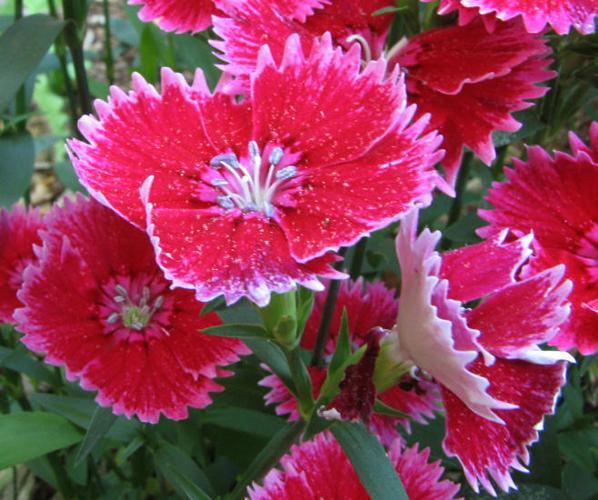
Sweet William (Dianthus barbatus)
Dianthus
Charming cottage garden biennial featuring dense, rounded clusters of small, fri...
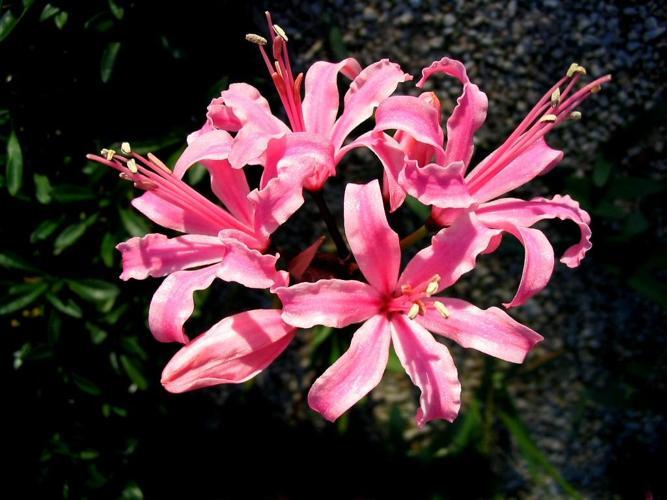
Cape Flower
Lycoris radiata
Dramatic fall-blooming bulb featuring striking spider-like flowers with vivid re...