
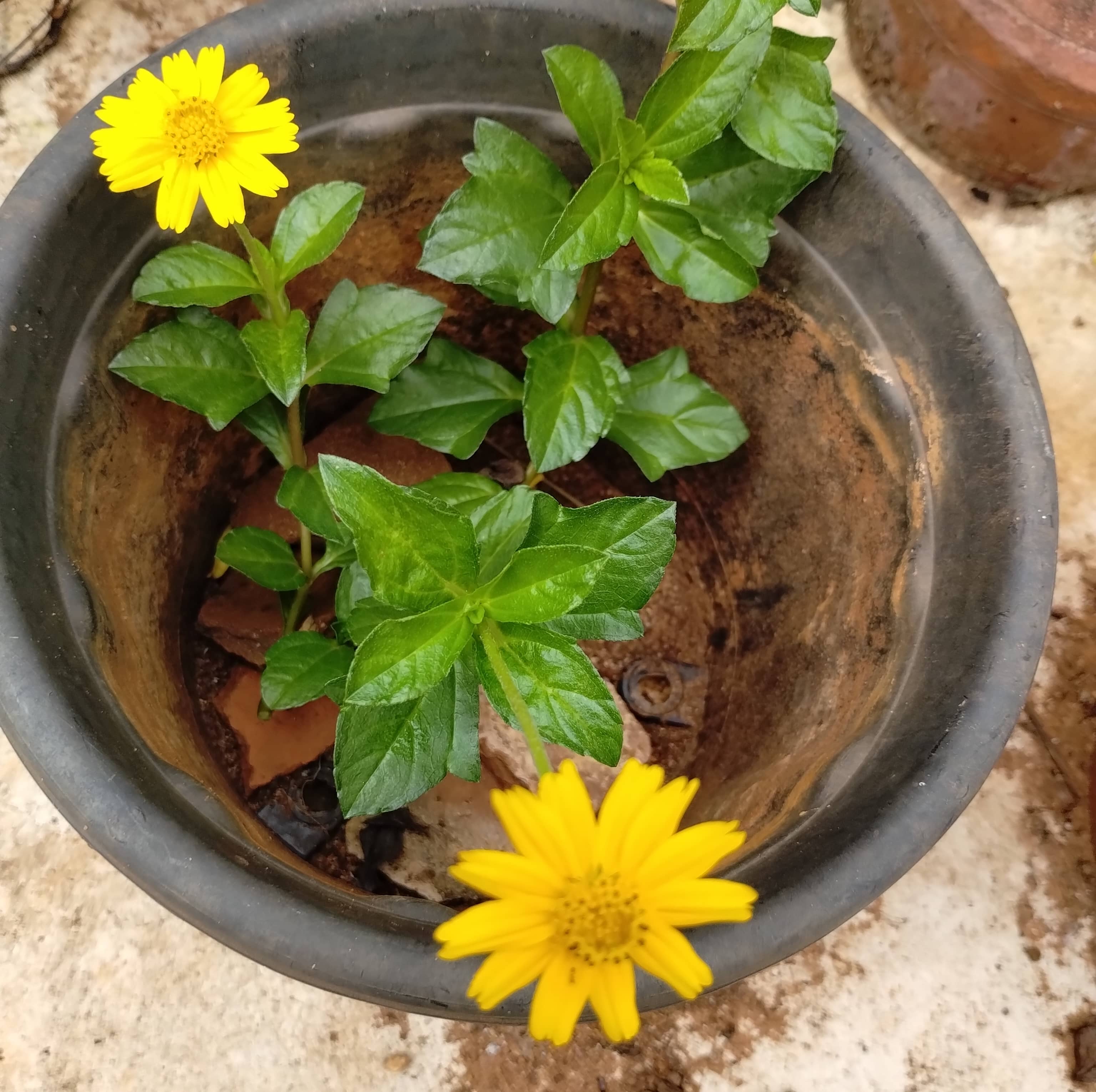
Wedelia Trilobata
Sphagneticola trilobata
Basic Details
Floral Formula & Features
Ebracteate (no bracts), Actinomorphic (radially symmetrical), bisexual, no calyx (pappus may be present), 5 fused petals (ray or disc florets), 5 stamens with fused anthers forming tube around style (syngenesious), 2 fused carpels with inferior ovary typical of Asteraceae
- Name 'Wedelia' honors Georg Wolfgang Wedel (1645-1721), German botanist. 'Trilobata' means three-lobed, describing leaves. Formerly Wedelia trilobata, reclassified as Sphagneticola trilobata. Listed by IUCN as one of world's 100 worst invasive alien species
- Bright yellow daisy-like flowers 0.75-1 inch (2-2.5 cm) across with 8-13 ray florets (petals) surrounding yellow disc florets. Blooms year-round in tropical climates. Flowers followed by small achene seeds that float in water, aiding dispersal
- Perennial mat-forming groundcover with trailing stems that root at nodes. Opposite three-lobed leaves 2-4 inches (5-10 cm) long, coarsely toothed, dark green. Stems can reach 6 feet (2 m) long, forming dense mats 6-12 inches (15-30 cm) tall
- Grows 6-12 inches (15-30 cm) tall, spreading indefinitely via rooting stems. Lifespan of many years as perennial. Propagates primarily asexually through stem fragments - any piece touching ground can root. Also spreads by seeds. Extremely fast-growing
- Native to tropical Americas - Mexico, Central America, Caribbean, northern South America. Now invasive in Asia, Africa, Australia, Pacific Islands, southern United States. Thrives in disturbed areas, roadsides, agricultural fields, forest edges, wetlands
- Extremely adaptable - grows in full sun to deep shade (flowers best in sun). Tolerates wide range of soils - clay, sand, loam. Survives drought, waterlogging, salinity, low nutrients. No frost tolerance. Thrives in tropical and subtropical climates
- Major ecological threat - forms dense monocultures that displace native plants, reduce biodiversity, alter habitats, clog waterways. All parts toxic causing skin irritation. Decreases food sources for wildlife. Competes with crops. Banned in some regions
- Control extremely difficult. Mowing spreads fragments. Manual removal must extract all roots. Herbicides (2,4-D, Dicamba, Triclopyr) somewhat effective but require repeated applications. Prevention best strategy - never plant, dispose of garden waste responsibly. Smothering with tarps can work
Names in Different Languages
What is Floral Formula?
A floral formula is a symbolic representation of a flower's structure using letters, numbers, and special symbols. It provides a concise way to describe the arrangement and number of floral parts.
This formula describes the flower's symmetry, sepals, petals, stamens, and carpels in a standardized format.
Formula Sequence
- Bract: Br or Ebr
- Bracteole: Brl or Ebrl
- Symmetry: % (Radial) or ⊕ (Bilateral)
- Sex: ♀ (Female), ♂ (Male), or ⚥ (Bisexual)
- Calyx/Sepal: K<number> (Free or Fused)
- Corolla/Petal: C<number> (Free or Fused)
- Androecium: A<number> (Free or Fused)
- Gynaecium: G<number> (Superior or Inferior Ovary)
Symbol Meanings
- Numbers: Indicate quantity of parts
- Parentheses (): Parts are fused together
- Plus (+): Parts in different whorls
- Underline: Superior ovary position
- Overline: Inferior ovary position
- ∞: Numerous parts (too many to count)
Understanding floral formulas helps botanists quickly identify and classify flowers based on their structural characteristics.
Similar Flowers
Discover flowers that share botanical characteristics
Same Family
4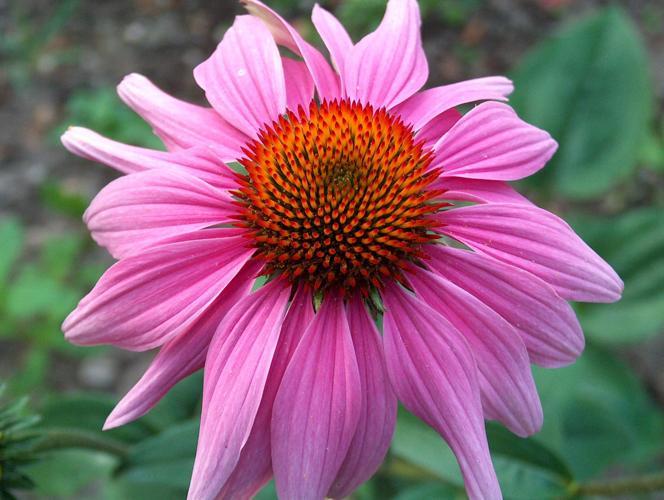
Purple Coneflower
Echinacea purpurea
Popular prairie wildflower with distinctive purple-pink petals drooping around s...
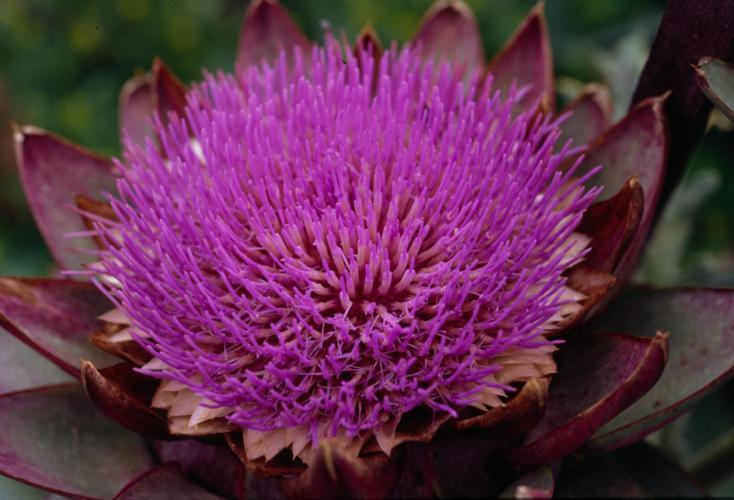
Artichoke
Cynara scolymus
Dramatic architectural plant grown primarily for its edible flower buds, which a...
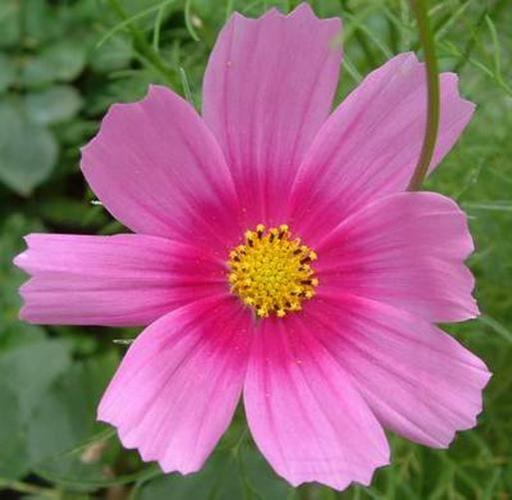
Mexican Aster
Cosmos bipinnatus
Graceful annual with airy, fern-like foliage and cheerful daisy-like flowers in ...
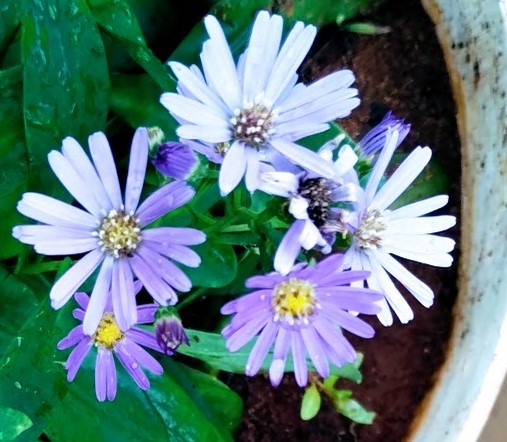
Aster
aster
Asters (Michaelmas Daisies) exhibit star-shaped purple, blue, or pink blooms wit...
Similar Characteristics
4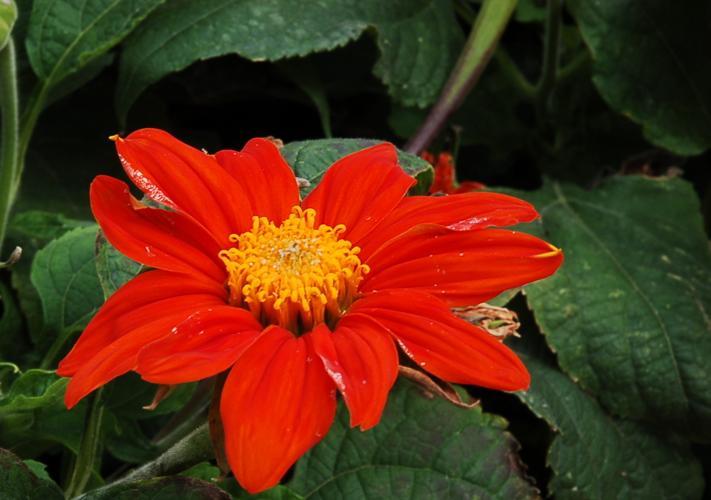
Orange Dahlia
Dahlia × hortensis
Showy tuberous perennial with vibrant orange blooms ranging from bright tangerin...
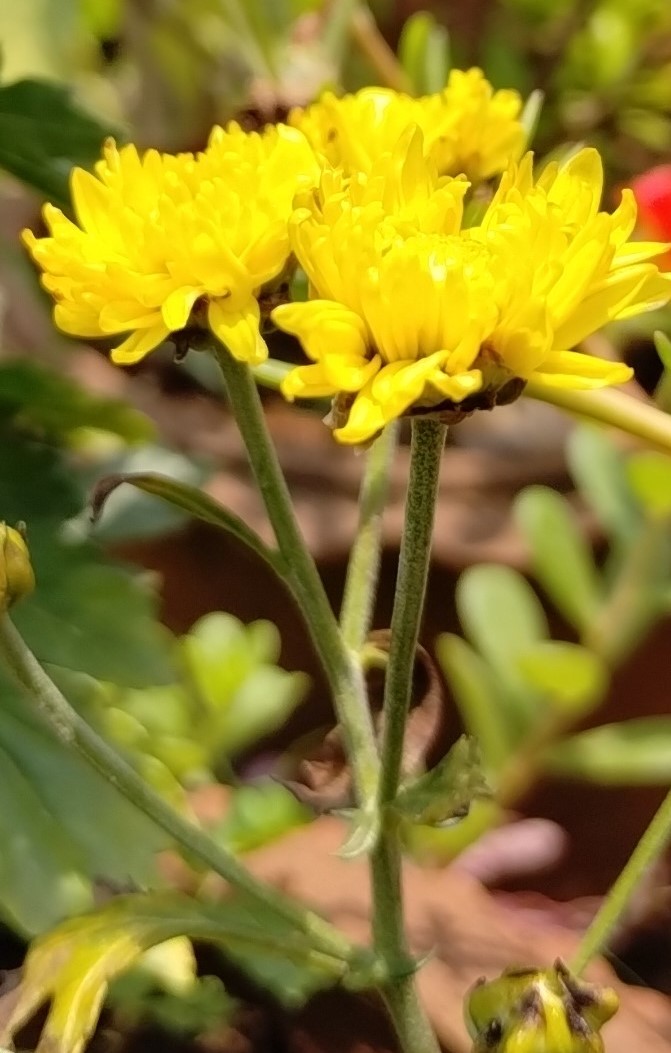
Chrysanthemum
Chrysanthemum
Beloved fall-blooming perennial celebrated for its profuse, colorful flowers tha...
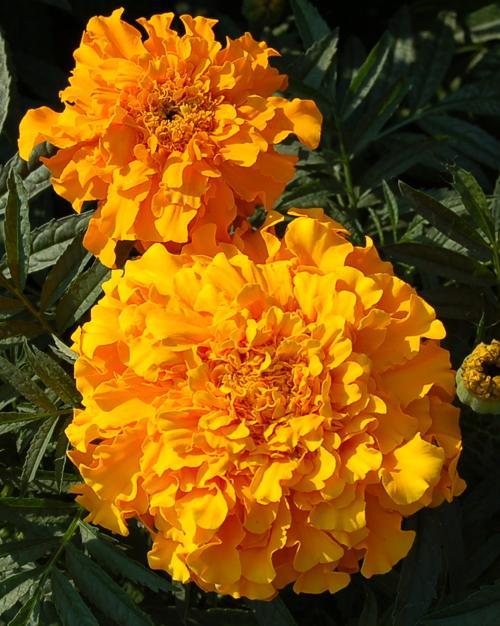
Marigold
Tagetes erecta
Cheerful annual producing masses of vibrant flowers in yellow, orange, gold, mah...
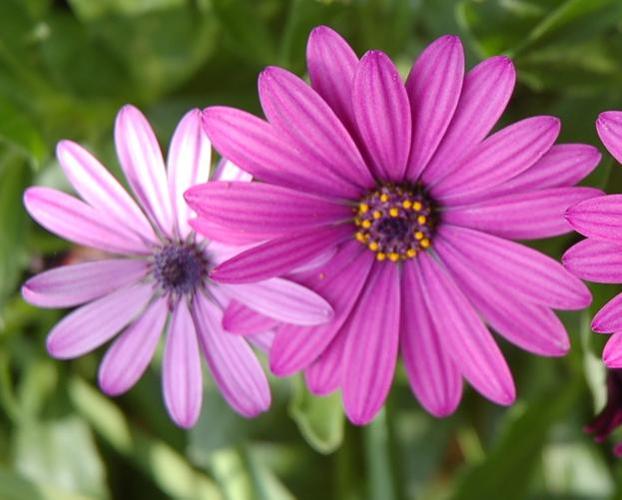
African Daisy
Dimorphotheca ecklonis
Vibrant daisy-like flowers with composite blooms featuring ray petals surroundin...