
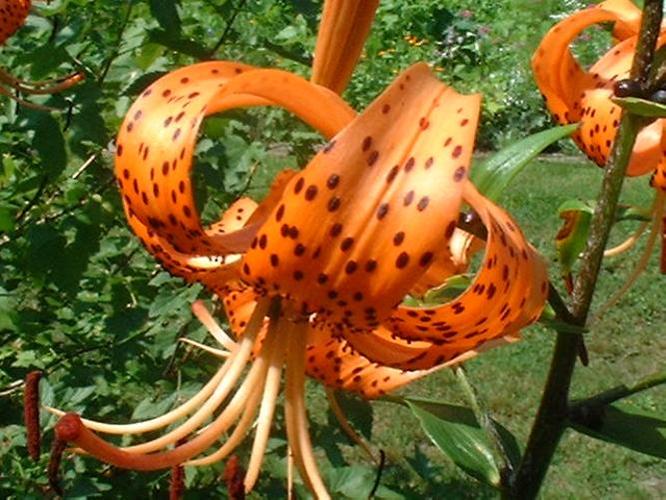
Tiger Lily
Lilium lancifolium
Basic Details
Floral Formula & Features
Ebracteate (no bracts), Actinomorphic (radially symmetrical), bisexual, 6 free tepals in 2 whorls of 3 (perianth - no distinction between sepals and petals), 6 free stamens in 2 whorls of 3, 3 fused carpels with superior ovary
- Name 'Tiger Lily' comes from the distinctive dark purple-black spots on bright orange petals that resemble a tiger's stripes. 'Lancifolium' means lance-shaped leaves in Latin. Also called 'Devil Lily' in some regions, though the origin of this name is unclear
- Distinctive downward-facing flowers with six recurved tepals (petals and sepals look identical) that curl dramatically backward, exposing prominent stamens with orange anthers. Each bloom measures 4-6 inches (10-15 cm) across with raised purple-black spots called papillae
- Bulbous perennial that blooms mid to late summer (July-September). Unique for producing small black bulbils (aerial bulblets) in leaf axils along the stem, which fall to ground and grow into new plants. Does not produce seeds in most cultivated varieties
- Grows 3-6 feet (90-180 cm) tall from underground scaly bulbs. Lifespan of 5-10 years or more with proper care. Propagated by bulbils, bulb division, or bulb scales. Each stem can produce 5-20 flowers
- Native to eastern Asia, particularly China, Japan, Korea, and eastern Russia. Introduced to North America in late 1800s, now naturalized in eastern United States and Canada. Widely cultivated in temperate regions worldwide
- Thrives in full sun to partial shade with 6-8 hours of sunlight. Prefers well-drained, slightly acidic soil rich in organic matter. Moderate water needs - keep soil consistently moist but not waterlogged. Cold hardy to -30°F (-34°C)
- Bulbs are edible and considered a delicacy in Asian cuisine, eaten boiled, steamed, or dried. Rich in starch and slightly sweet. Attracts swallowtail butterflies and hummingbirds. Deer and rabbit resistant due to toxic compounds in foliage
- Excellent cut flower lasting 7-10 days in vase. Pollen can stain clothing and skin - remove anthers before bringing indoors. Virus-resistant unlike many hybrid lilies. Easy care plant suitable for beginners
Names in Different Languages
What is Floral Formula?
A floral formula is a symbolic representation of a flower's structure using letters, numbers, and special symbols. It provides a concise way to describe the arrangement and number of floral parts.
This formula describes the flower's symmetry, sepals, petals, stamens, and carpels in a standardized format.
Formula Sequence
- Bract: Br or Ebr
- Bracteole: Brl or Ebrl
- Symmetry: % (Radial) or ⊕ (Bilateral)
- Sex: ♀ (Female), ♂ (Male), or ⚥ (Bisexual)
- Calyx/Sepal: K<number> (Free or Fused)
- Corolla/Petal: C<number> (Free or Fused)
- Androecium: A<number> (Free or Fused)
- Gynaecium: G<number> (Superior or Inferior Ovary)
Symbol Meanings
- Numbers: Indicate quantity of parts
- Parentheses (): Parts are fused together
- Plus (+): Parts in different whorls
- Underline: Superior ovary position
- Overline: Inferior ovary position
- ∞: Numerous parts (too many to count)
Understanding floral formulas helps botanists quickly identify and classify flowers based on their structural characteristics.
Similar Flowers
Discover flowers that share botanical characteristics
Same Family
4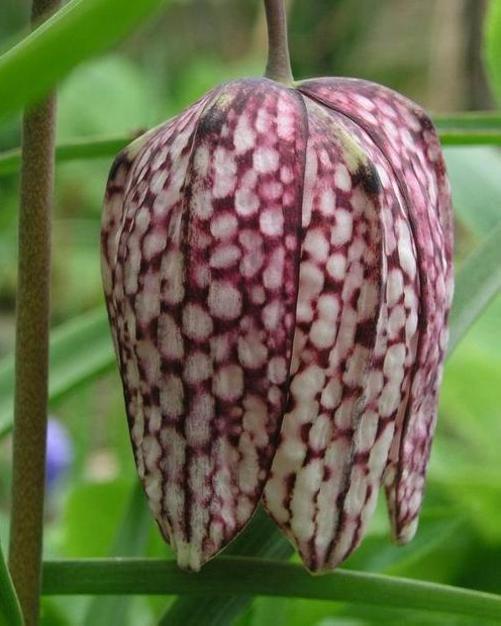
Fritillaria
Fritillaria
Elegant spring bulb featuring distinctive nodding, bell-shaped flowers, many wit...
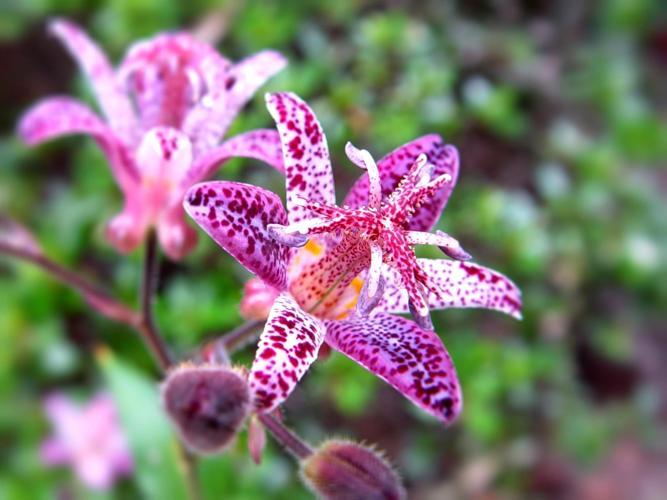
Toad Lily
Tricyrtis
Exotic shade-loving perennial featuring intricate, orchid-like flowers covered i...
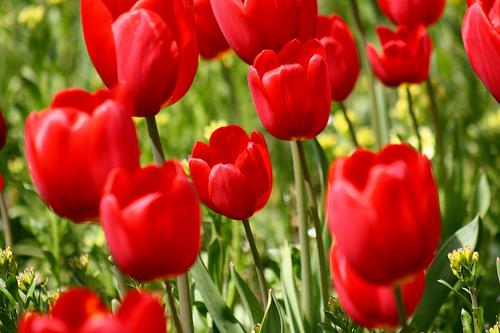
Tulip
Tulipa
Iconic spring-blooming bulb celebrated for its elegant cup-shaped flowers in nea...
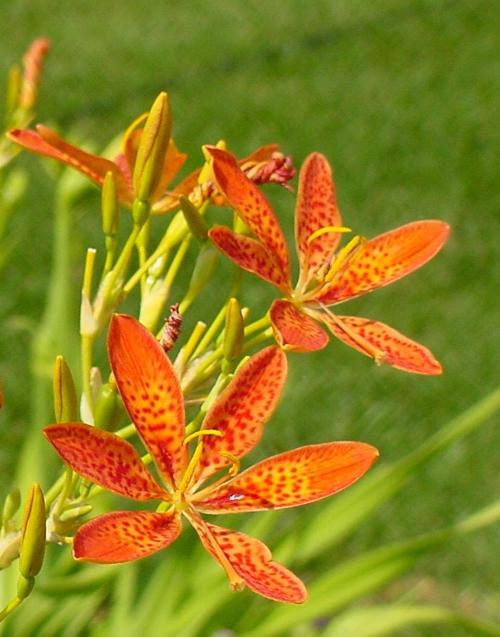
Leopard Lily
Iris domestica (syn. Belamcanda chinensis)
Striking perennial featuring exotic, star-shaped flowers in brilliant orange-red...
Similar Characteristics
4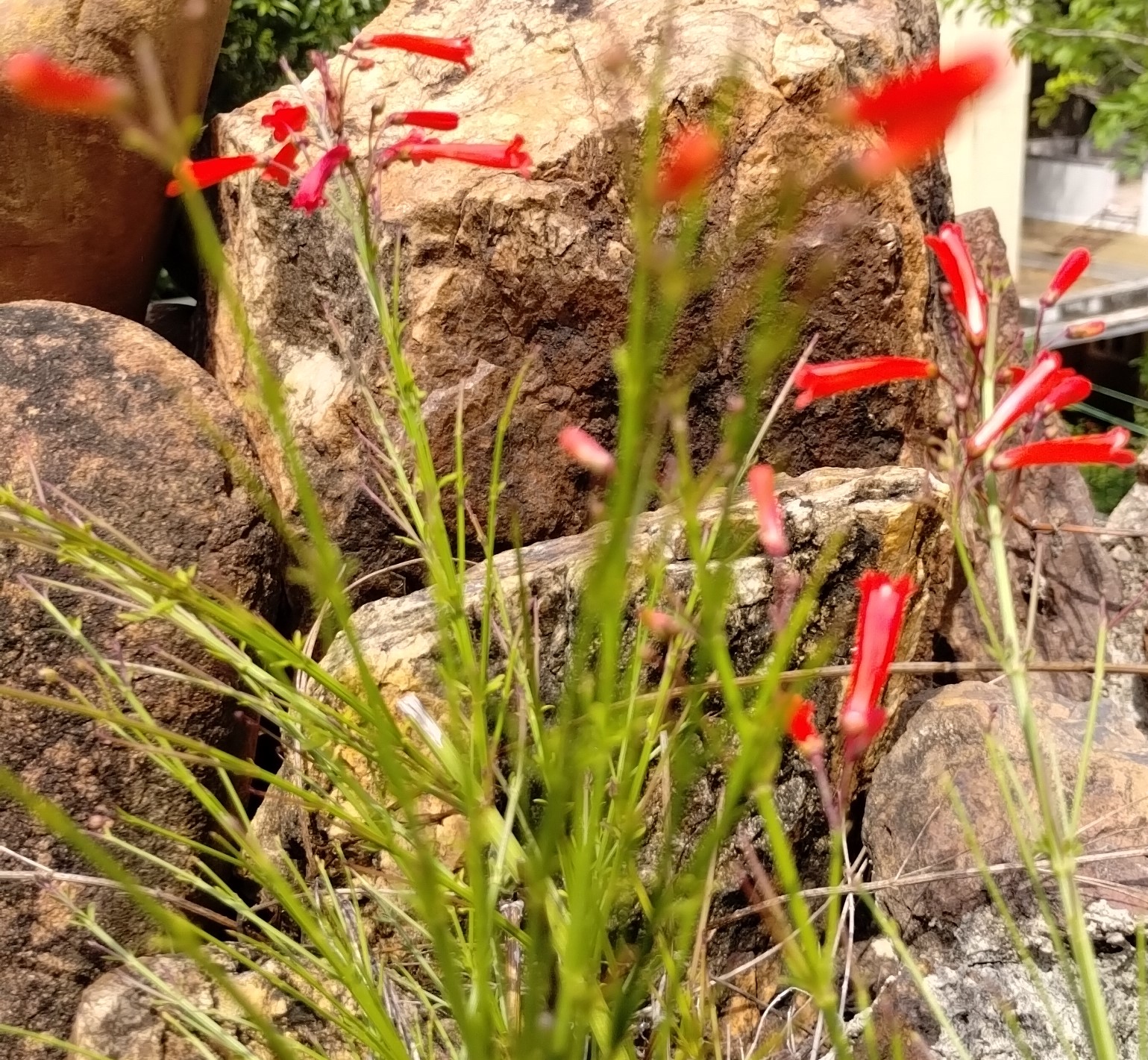
Russelia
Russelia equisetiformis
Spectacular tropical subshrub renowned for its graceful, cascading habit and pro...
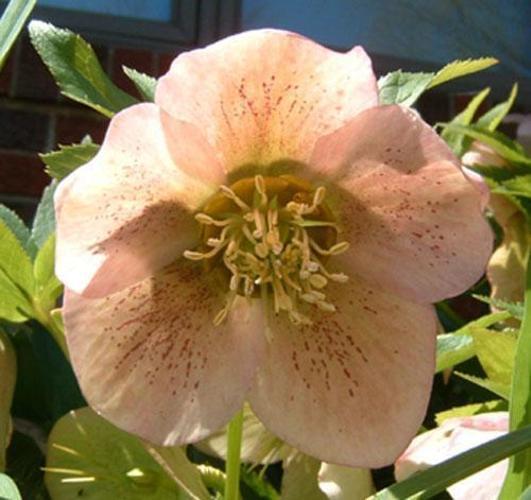
Lenten rose
Helleborus orientalis
Elegant shade-loving perennial featuring nodding, cup or saucer-shaped flowers i...
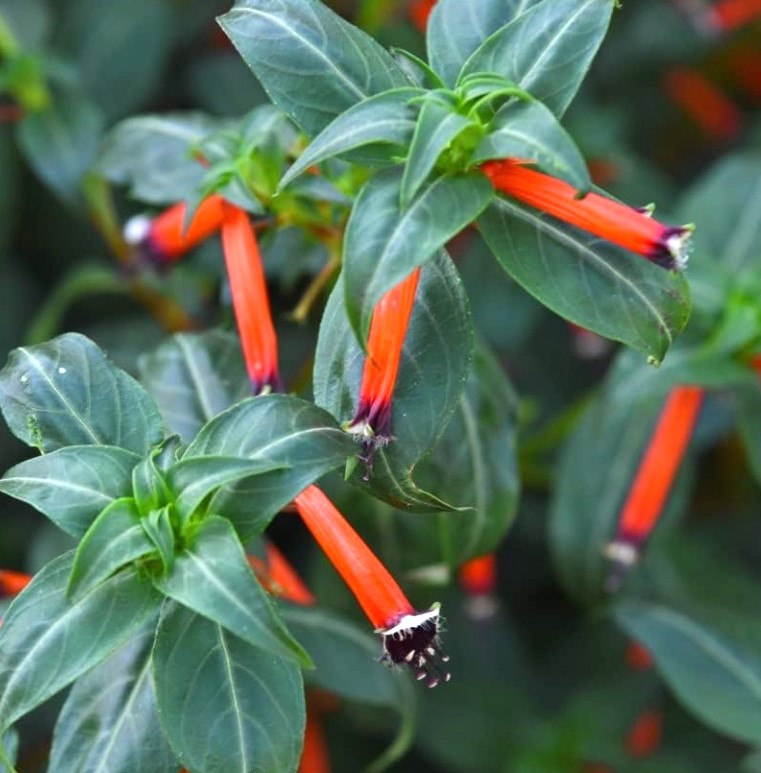
Cuphea Cigar
Cuphea ignea
Charming compact shrub featuring unique tubular flowers that resemble tiny lit c...
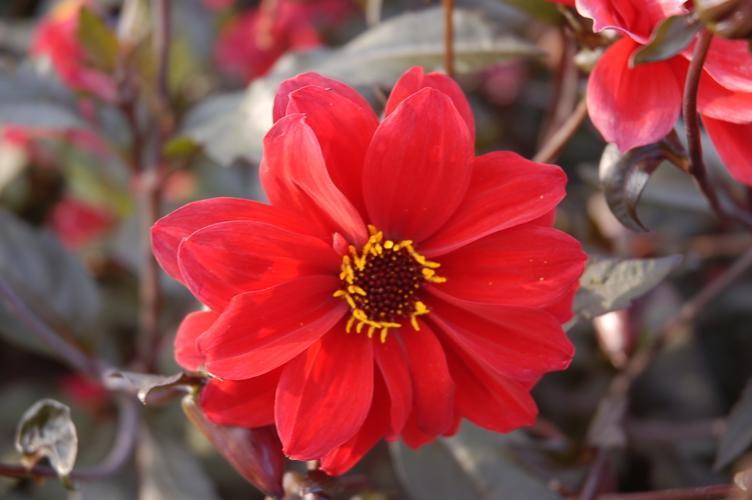
Dahlia
Dahlia
Spectacular tuberous perennial renowned for extraordinarily diverse flower forms...