
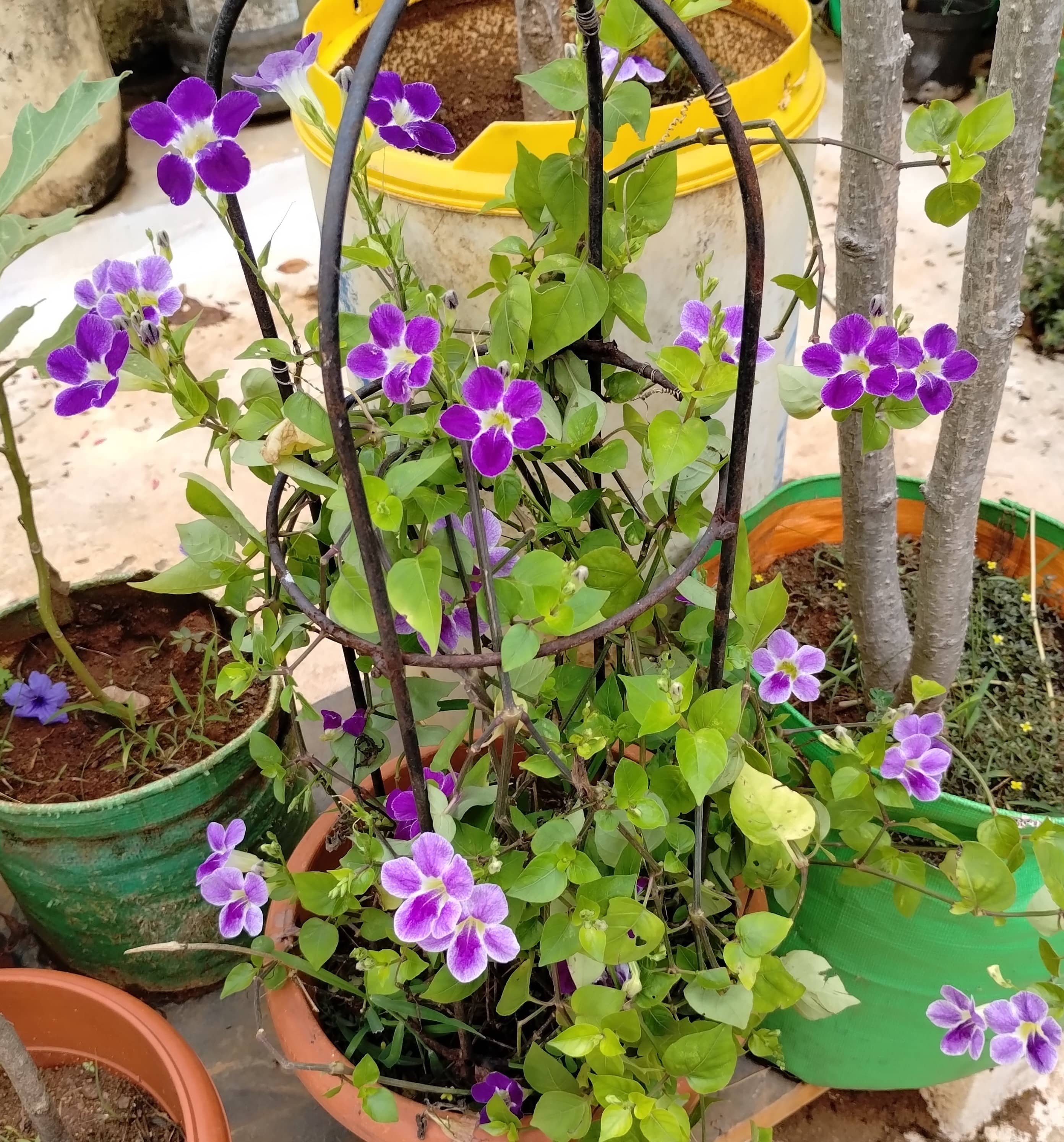
Thunbergia Bush Clock Vine
Thunbergia erecta
Basic Details
Floral Formula & Features
Bilaterally symmetrical, bisexual, 5 fused sepals forming calyx, 5 fused petals forming trumpet-shaped corolla, 4 stamens (didynamous), 2 fused carpels with superior ovary typical of Acanthaceae
- Named after Swedish botanist Carl Peter Thunberg, student of Linnaeus. Common name 'Clock Vine' refers to flower shape resembling clock face. 'King's Mantle' (T. erecta) describes the royal purple color and shrubby growth habit
- Large, flared trumpet flowers measure 2-3 inches across with five rounded petals forming flat face. Deep purple-blue to violet petals surround bright yellow throat, often with dark purple-black center creating striking contrast. Flowers appear singly from leaf axils
- Evergreen perennial that can be grown as upright shrub (T. erecta) or vigorous twining vine (T. grandiflora). Blooms year-round in frost-free climates, summer through fall elsewhere. Woody at base with herbaceous new growth
- Bush form grows 3-6 feet (1-2 m) tall and wide. Vine form can climb 15-20 feet (4.5-6 m) with support. Lifespan of 5-10 years in tropical climates. Propagated easily from stem cuttings or seed
- Native to tropical Africa and parts of Asia. Found in warm, humid forests and woodland edges. Now widely cultivated in tropical and subtropical regions worldwide as ornamental vine and shrub
- Requires full sun to partial shade with at least 6 hours of sunlight for best flowering. Prefers warm temperatures (65-85°F/18-29°C) and high humidity. Needs well-drained, fertile soil and regular water. Frost-sensitive
- Attracts butterflies, bees, and hummingbirds. Fast-growing, making it excellent for quick screens or covering unsightly structures. Can be invasive in some tropical regions. Requires regular pruning to maintain shape and encourage blooming
Names in Different Languages
What is Floral Formula?
A floral formula is a symbolic representation of a flower's structure using letters, numbers, and special symbols. It provides a concise way to describe the arrangement and number of floral parts.
This formula describes the flower's symmetry, sepals, petals, stamens, and carpels in a standardized format.
Formula Sequence
- Bract: Br or Ebr
- Bracteole: Brl or Ebrl
- Symmetry: % (Radial) or ⊕ (Bilateral)
- Sex: ♀ (Female), ♂ (Male), or ⚥ (Bisexual)
- Calyx/Sepal: K<number> (Free or Fused)
- Corolla/Petal: C<number> (Free or Fused)
- Androecium: A<number> (Free or Fused)
- Gynaecium: G<number> (Superior or Inferior Ovary)
Symbol Meanings
- Numbers: Indicate quantity of parts
- Parentheses (): Parts are fused together
- Plus (+): Parts in different whorls
- Underline: Superior ovary position
- Overline: Inferior ovary position
- ∞: Numerous parts (too many to count)
Understanding floral formulas helps botanists quickly identify and classify flowers based on their structural characteristics.
Similar Flowers
Discover flowers that share botanical characteristics
Same Family
4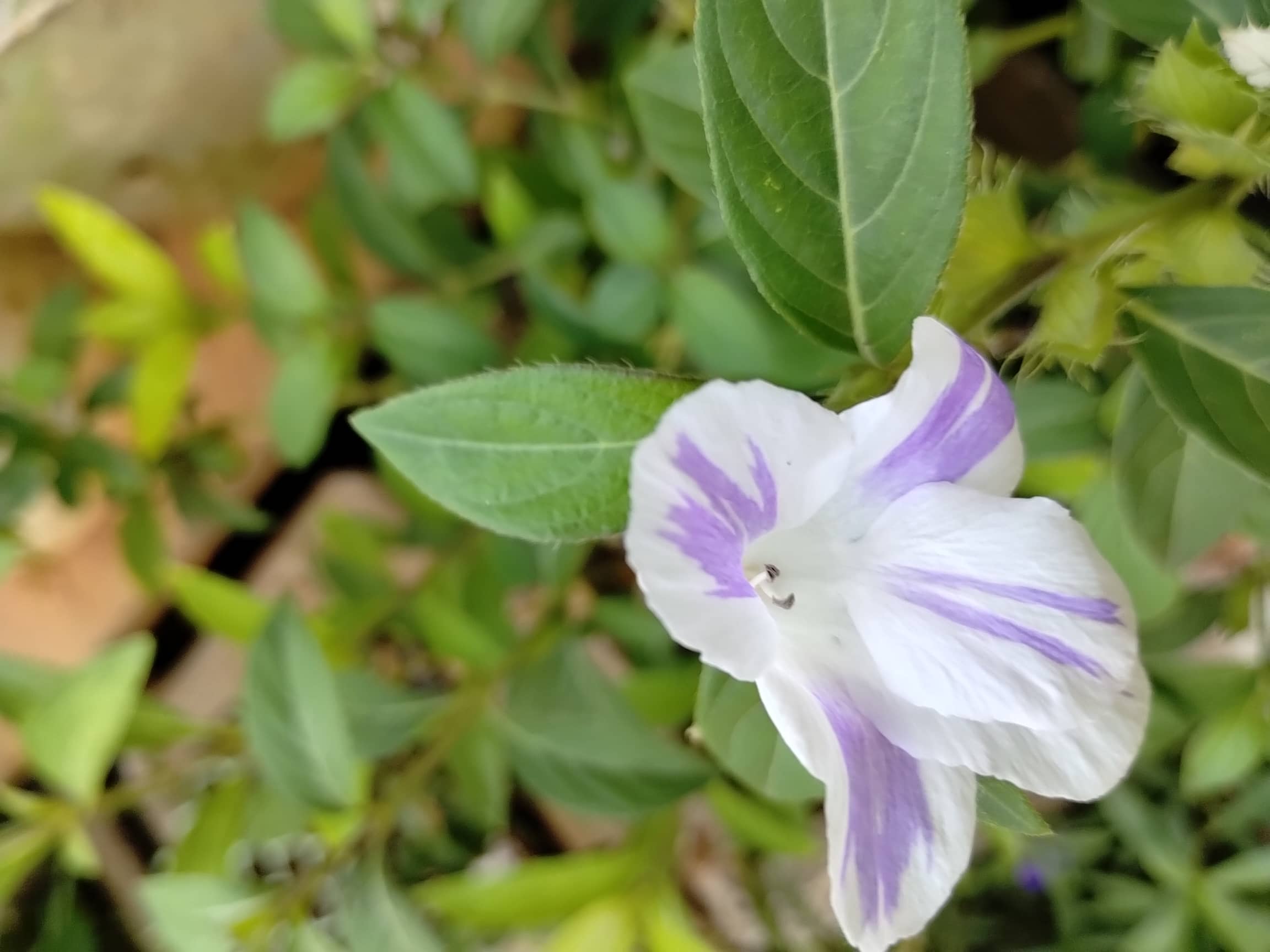
December
Barleria Cristata,Barleria prioniti
Attractive evergreen shrub featuring tubular flowers with distinctive crested or...
Pseuderanthemum
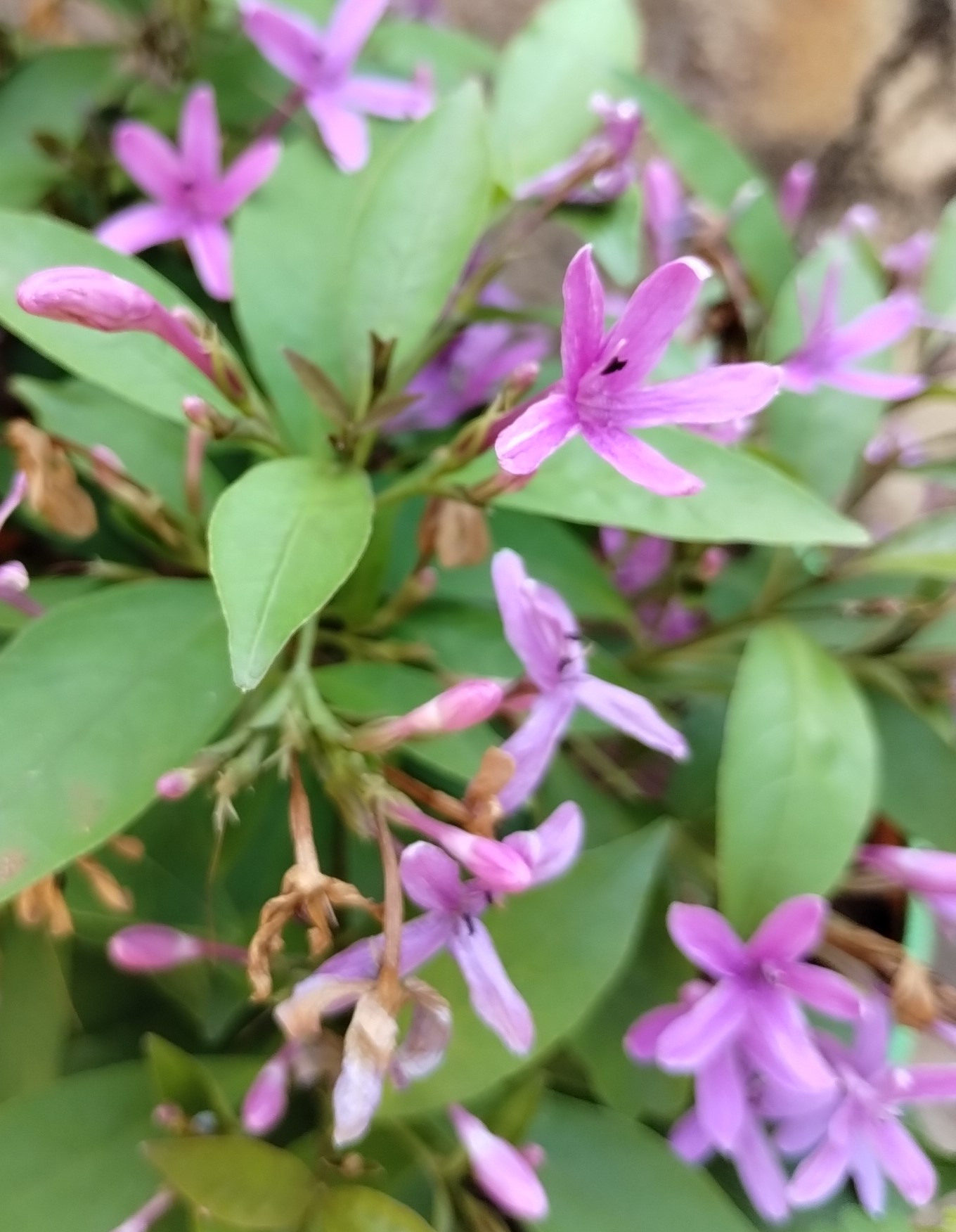
Pseuderanthemum
Striking tropical perennial shrub prized for its spectacular ornamental foliage ...
Crossandra Firecracker
Crossandra infundibuliformis
Attractive evergreen shrub featuring distinctive fan-shaped flowers in vibrant s...
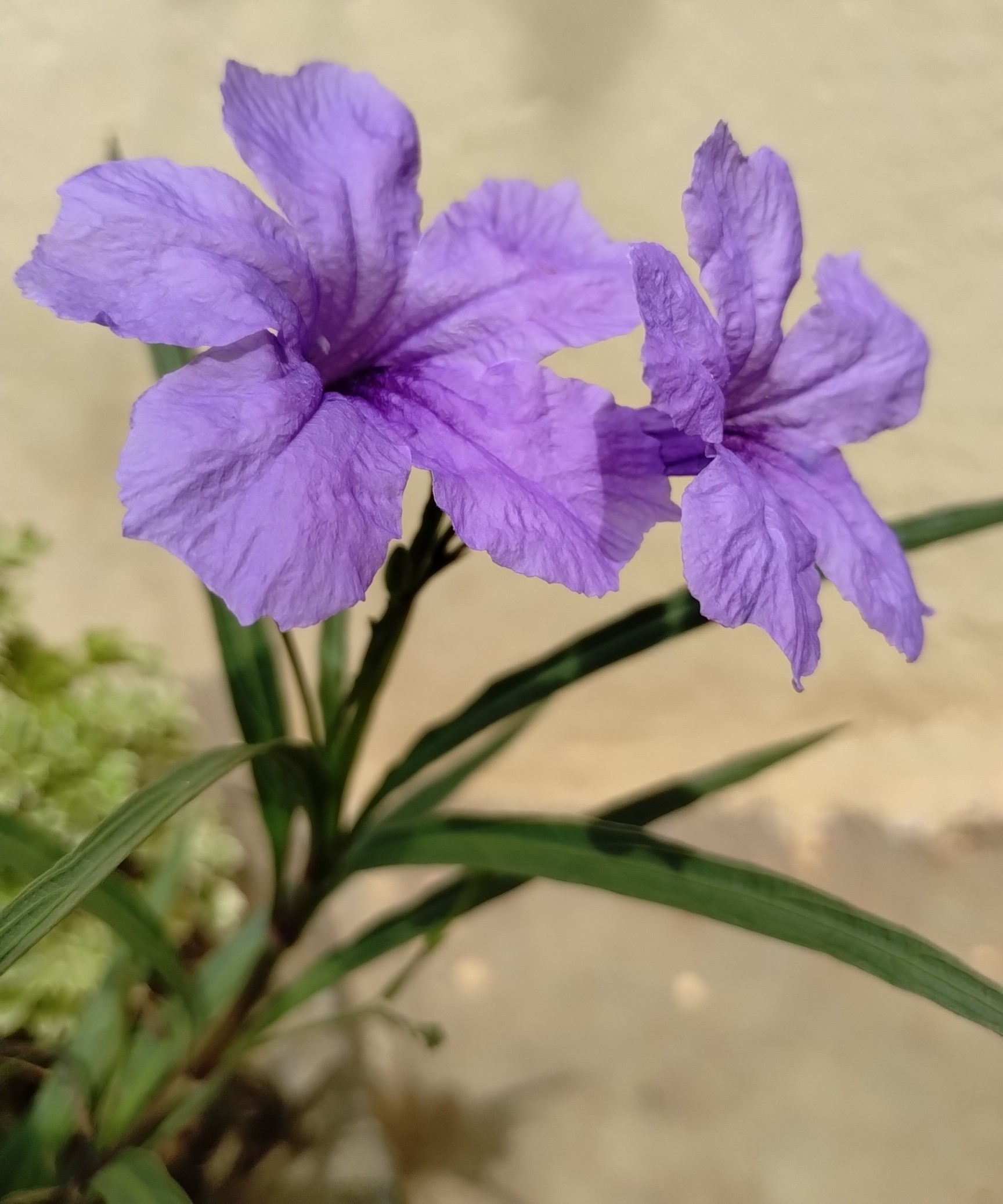
Mexican Petunia
Ruellia simplex
Vigorous perennial producing trumpet-shaped flowers resembling petunias in shade...
Similar Characteristics
4
Globe Amaranth
Gomphrena globosa
Cheerful annual featuring distinctive globe-shaped flower heads resembling color...
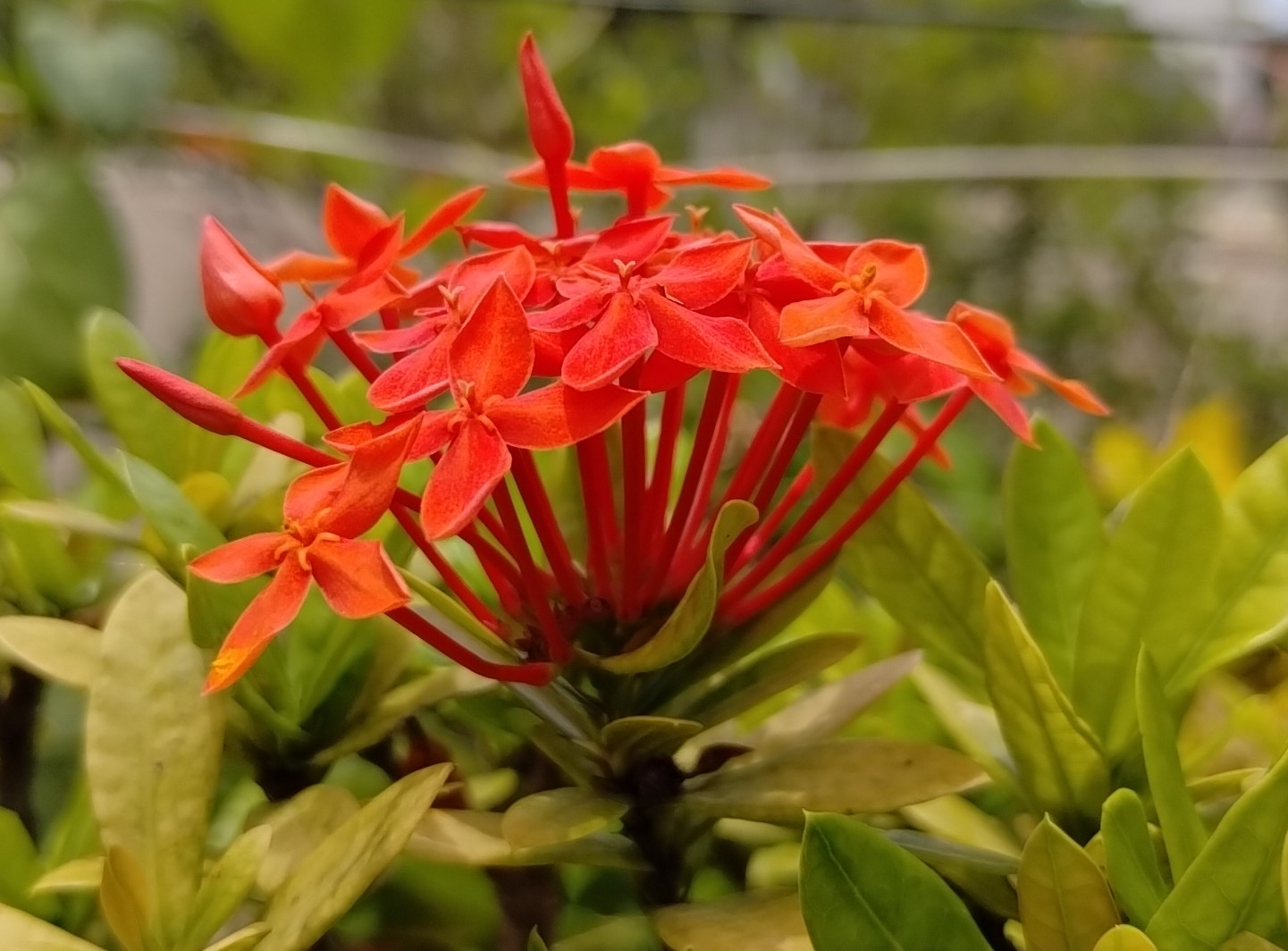
Ixora
Ixora coccinea
Vibrant tropical shrub featuring dense, rounded clusters of small, tubular flowe...
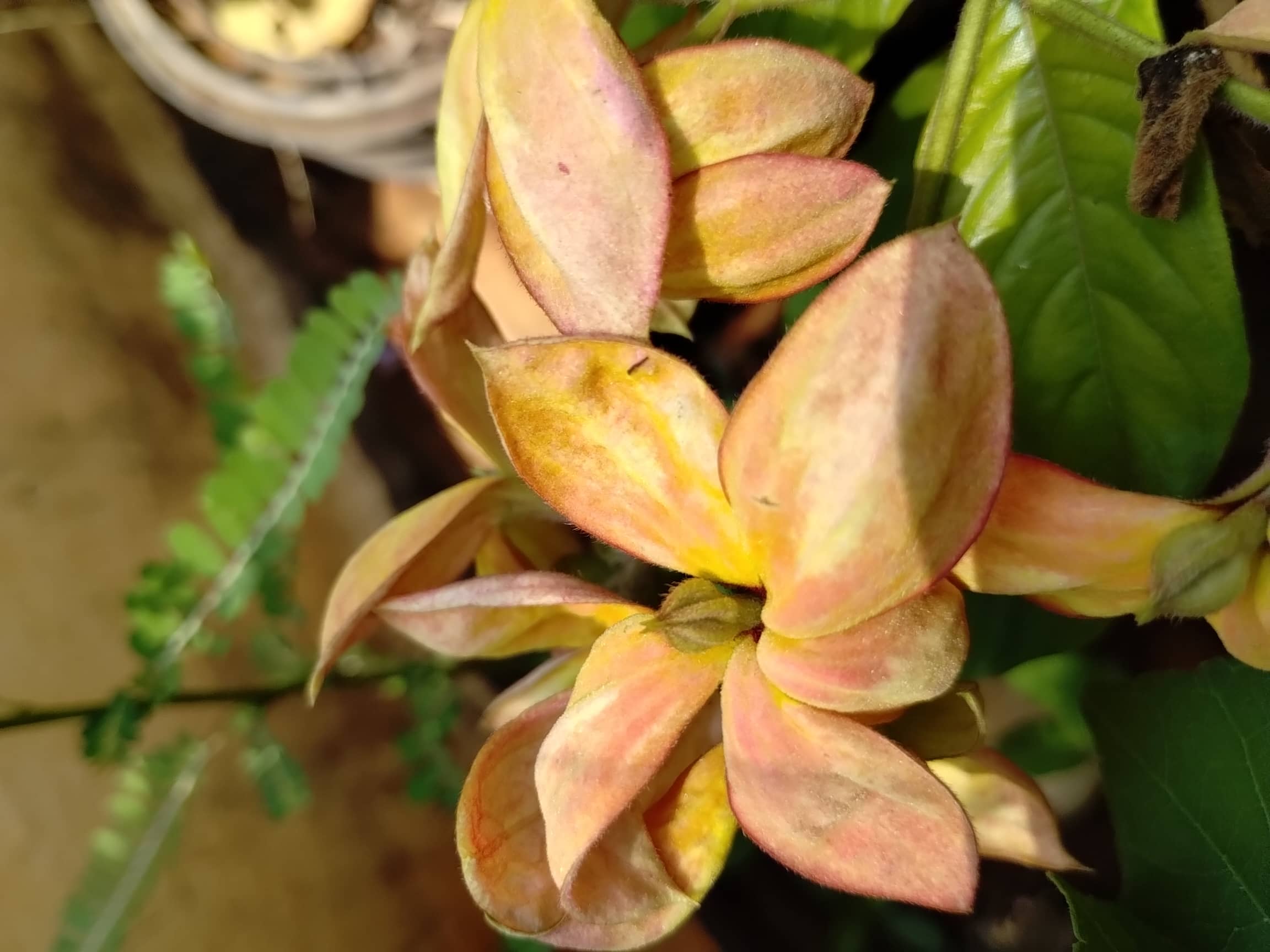
Mussaenda
Mussaenda erythrophylla
Tropical shrub famous for large, colorful leaf-like bracts in red, pink, white, ...
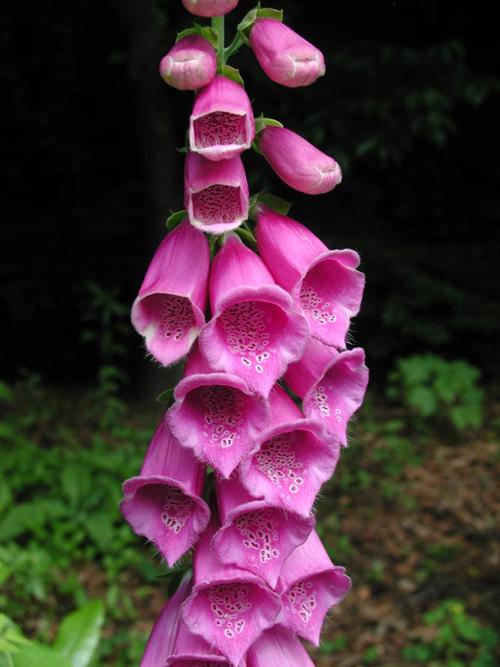
Foxglove
Digitalis purpurea
Majestic biennial featuring tall, elegant spikes of tubular, bell-shaped flowers...