
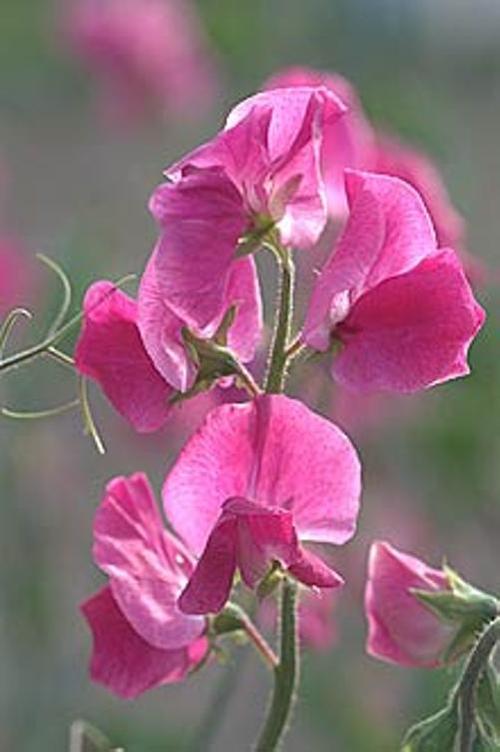
Sweet Pea
Lathyrus odoratus
Basic Details
Floral Formula & Features
Ebracteate, zygomorphic (bilateral symmetry), bisexual, 5 fused sepals forming tube, 5 free petals in papilionaceous arrangement (1 standard + 2 wings + 2 keel petals fused), 10 stamens (9 fused into tube + 1 free), 1 carpel with superior ovary. Typical of Fabaceae family
- Name 'Sweet Pea' from delightful fragrance and pea-like flowers. Related to garden pea but NOT edible - seeds toxic (contain lathyrogens causing lathyrism). About 160 Lathyrus species. L. odoratus ('fragrant') cultivated since 1699. Thousands of varieties developed. Heirloom varieties most fragrant. Modern varieties bred for color, size, often less fragrant
- Flowers 1-2 inches (2.5-5 cm) across, butterfly-shaped (papilionaceous). 5 petals: 1 standard (banner), 2 wings, 2 keel petals (2+2+1 arrangement). Colors: pink, purple, red, white, lavender, blue, salmon, bicolors. Intensely fragrant (heirloom varieties). Blooms spring-early summer (April-June). Each stem has 3-5 flowers. Excellent cut flower
- Annual climbing vine (some perennial species exist). Slender stems 3-8 feet long with tendrils for climbing. Compound leaves with 2-4 leaflets plus tendrils. Legume family - produces pea-like pods with 5-10 seeds. Seeds round, hard, brown/black. Entire plant toxic - never eat seeds or flowers
- Grows 3-8 feet (1-2.5 m) tall, some varieties to 10 feet. Dwarf varieties 1-2 feet (bush type). Spread 1-2 feet. Lifespan 1 year (annual). Propagated from seed only. Seeds germinate in 10-14 days. Blooms 10-12 weeks from sowing. Deadhead for continuous blooms
- Native to Sicily, southern Italy, Aegean Islands. Found in rocky areas, scrubland, coastal cliffs. Now cultivated worldwide in temperate zones. Thrives in cool climates - Mediterranean, Britain, Pacific Northwest, New Zealand. Struggles in heat and humidity
- Requires full sun to partial shade (6+ hours sun). Needs cool weather - plant early spring or fall. Prefers rich, well-drained, slightly alkaline soil. Regular watering - keep moist. Fertilize monthly. Provide trellis, fence, or support. Hardy zones 2-11 (cool season annual). Stops blooming in heat - best spring flower
- ⚠️ WARNING: Entire plant toxic if eaten - seeds especially dangerous. Causes lathyrism (paralysis) if consumed regularly. Keep away from children and pets. Excellent cut flower - lasts 5-7 days, fragrance fills room. Attracts bees and butterflies. Classic cottage garden plant. Symbolizes blissful pleasure, departure, goodbye
- Sow seeds in early spring (as soon as soil workable) or fall in mild climates. Nick or soak seeds overnight before planting. Plant 1 inch deep, 2-3 inches apart. Provide support immediately. Pinch tips when 4 inches tall for bushier growth. Deadhead spent flowers daily for continuous blooms. Feed weekly. Stops blooming in heat - pull out and replant in fall
Names in Different Languages
What is Floral Formula?
A floral formula is a symbolic representation of a flower's structure using letters, numbers, and special symbols. It provides a concise way to describe the arrangement and number of floral parts.
This formula describes the flower's symmetry, sepals, petals, stamens, and carpels in a standardized format.
Formula Sequence
- Bract: Br or Ebr
- Bracteole: Brl or Ebrl
- Symmetry: % (Radial) or ⊕ (Bilateral)
- Sex: ♀ (Female), ♂ (Male), or ⚥ (Bisexual)
- Calyx/Sepal: K<number> (Free or Fused)
- Corolla/Petal: C<number> (Free or Fused)
- Androecium: A<number> (Free or Fused)
- Gynaecium: G<number> (Superior or Inferior Ovary)
Symbol Meanings
- Numbers: Indicate quantity of parts
- Parentheses (): Parts are fused together
- Plus (+): Parts in different whorls
- Underline: Superior ovary position
- Overline: Inferior ovary position
- ∞: Numerous parts (too many to count)
Understanding floral formulas helps botanists quickly identify and classify flowers based on their structural characteristics.
Similar Flowers
Discover flowers that share botanical characteristics
Same Family
4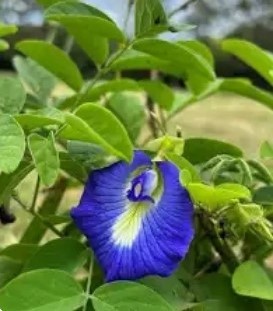
Butterfly pea
Clitoria ternatea
Striking tropical vine featuring vivid sky-blue pea-shaped flowers with distinct...
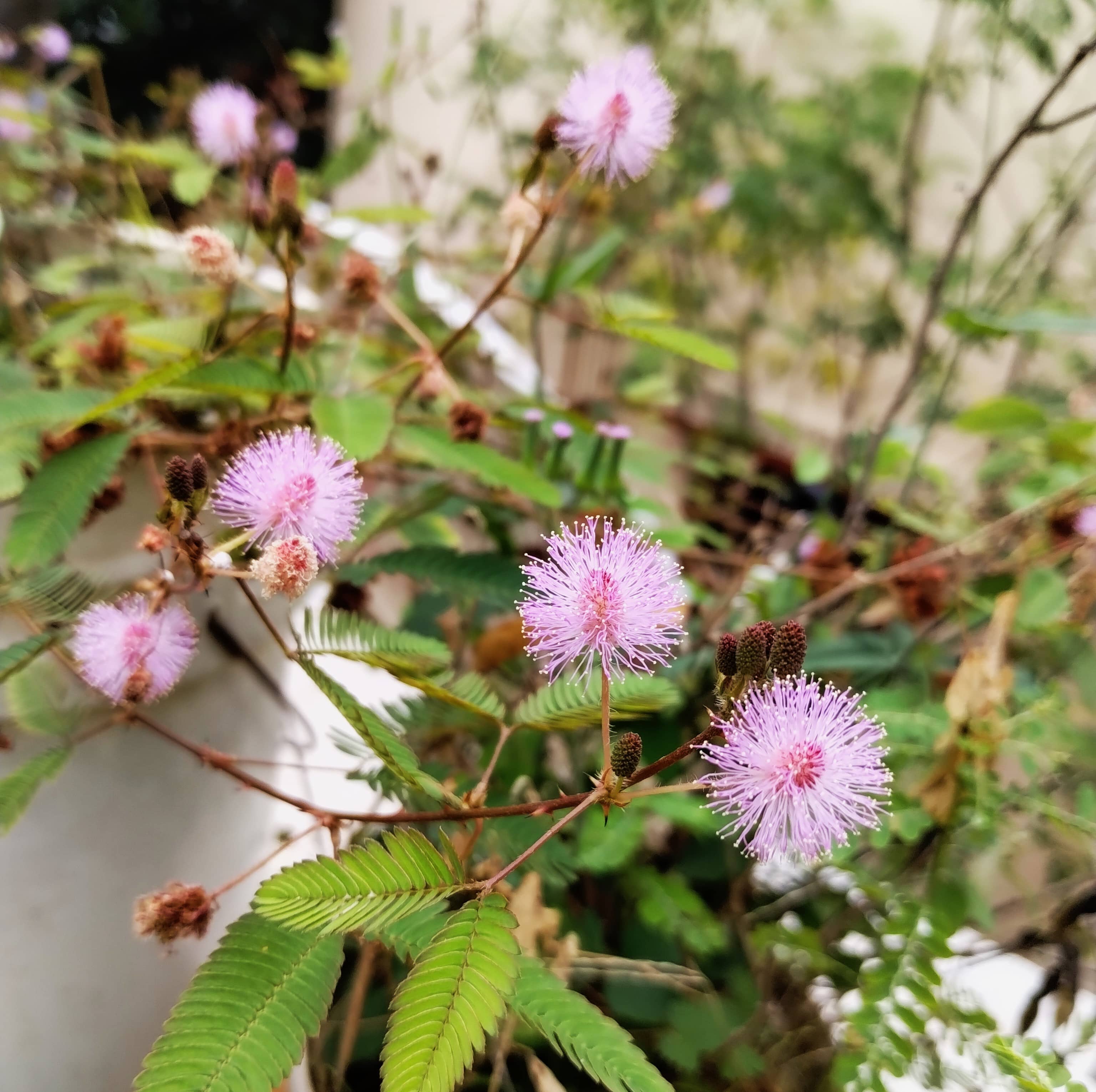
Touch Me Not
Mimosa pudica
Fascinating plant famous for its rapid leaf-folding response when touched, shake...
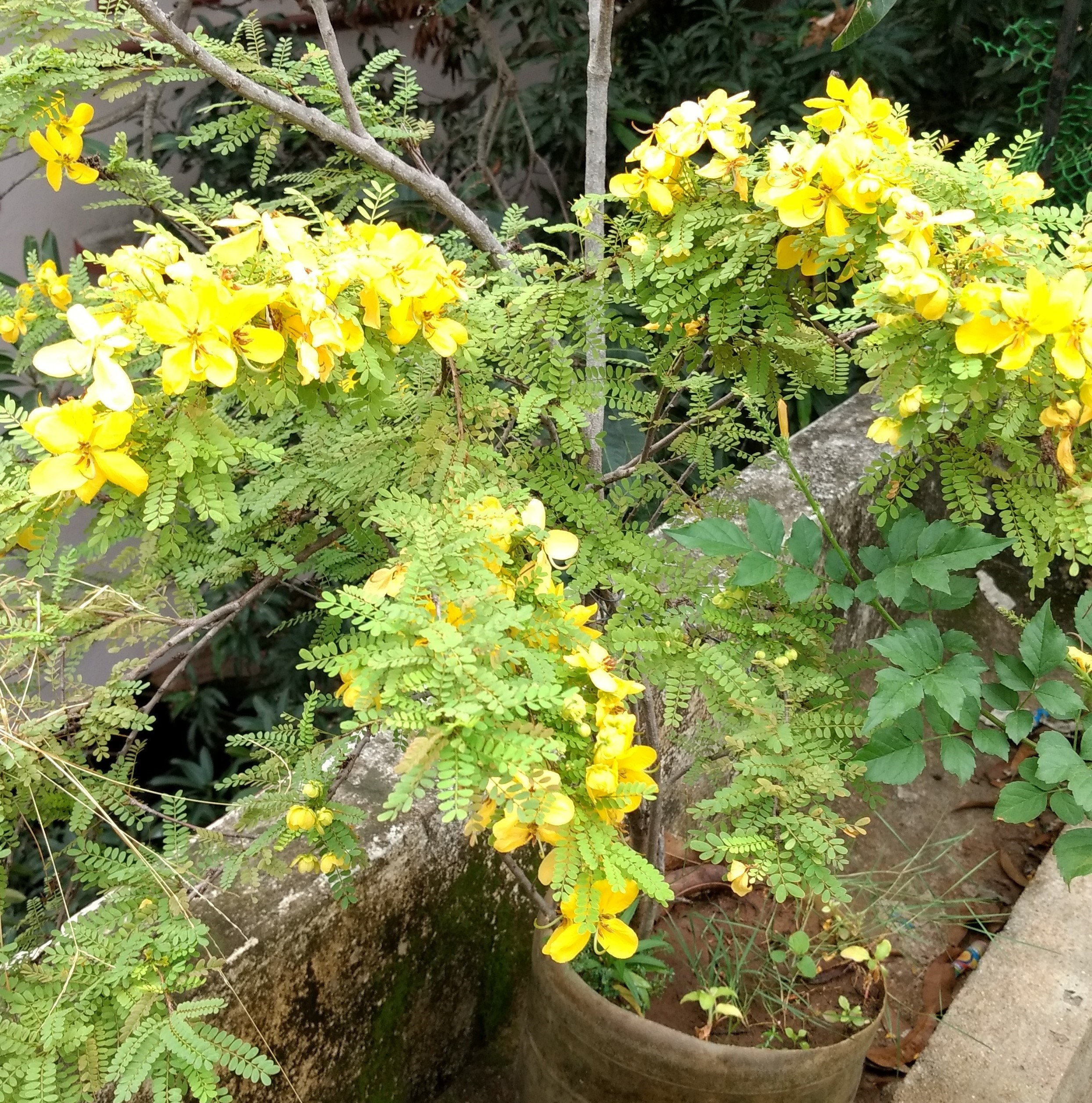
Tanner's Cassia
Senna Auriculata
Yellow color flowering plant with medicinal properties. Its bark contains the ch...
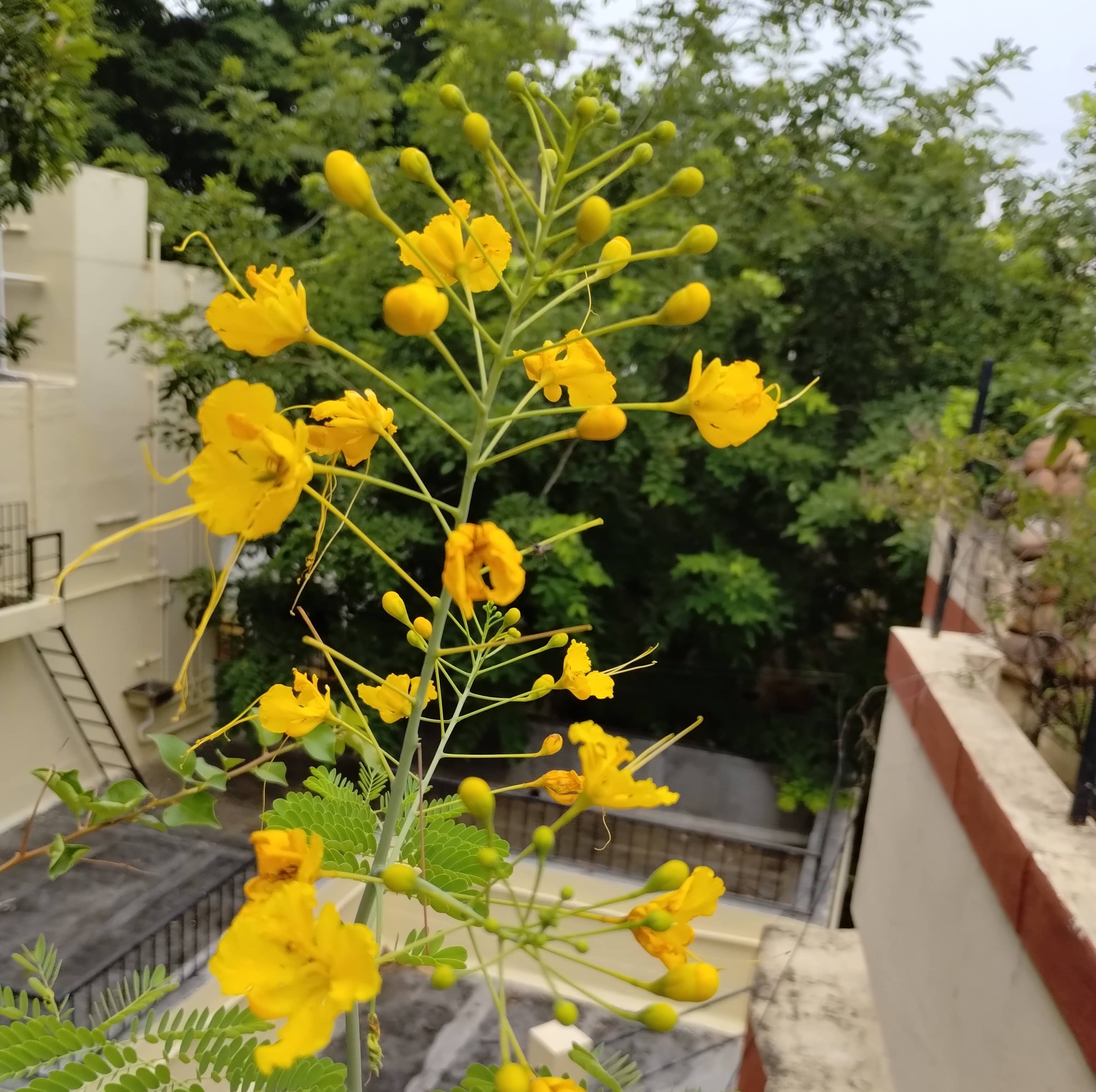
Caesalpinia
Caesalpinia pulcherrima
Spectacular tropical shrub featuring brilliant flame-colored flower clusters wit...
Similar Characteristics
4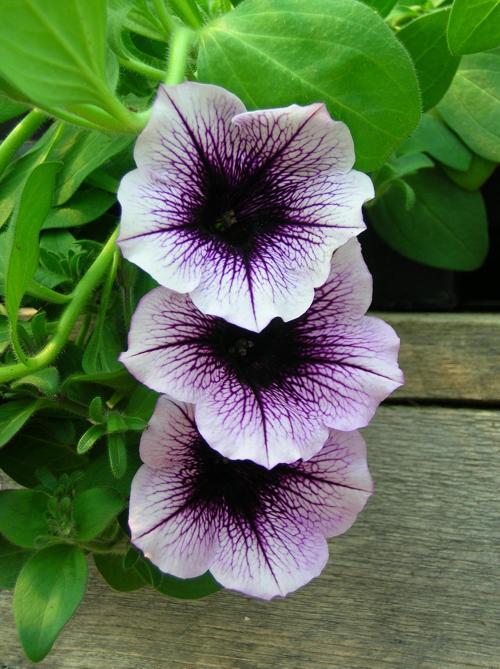
Petunia
Petunia
Popular annual with trumpet-shaped flowers in every color imaginable - purple, p...
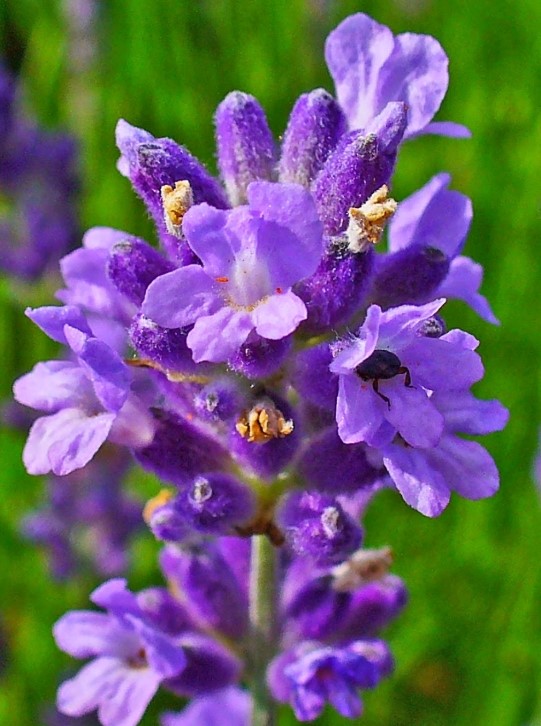
Lavender
Lavandula angustifolia
Iconic aromatic herb featuring slender spikes of small, intensely fragrant flowe...
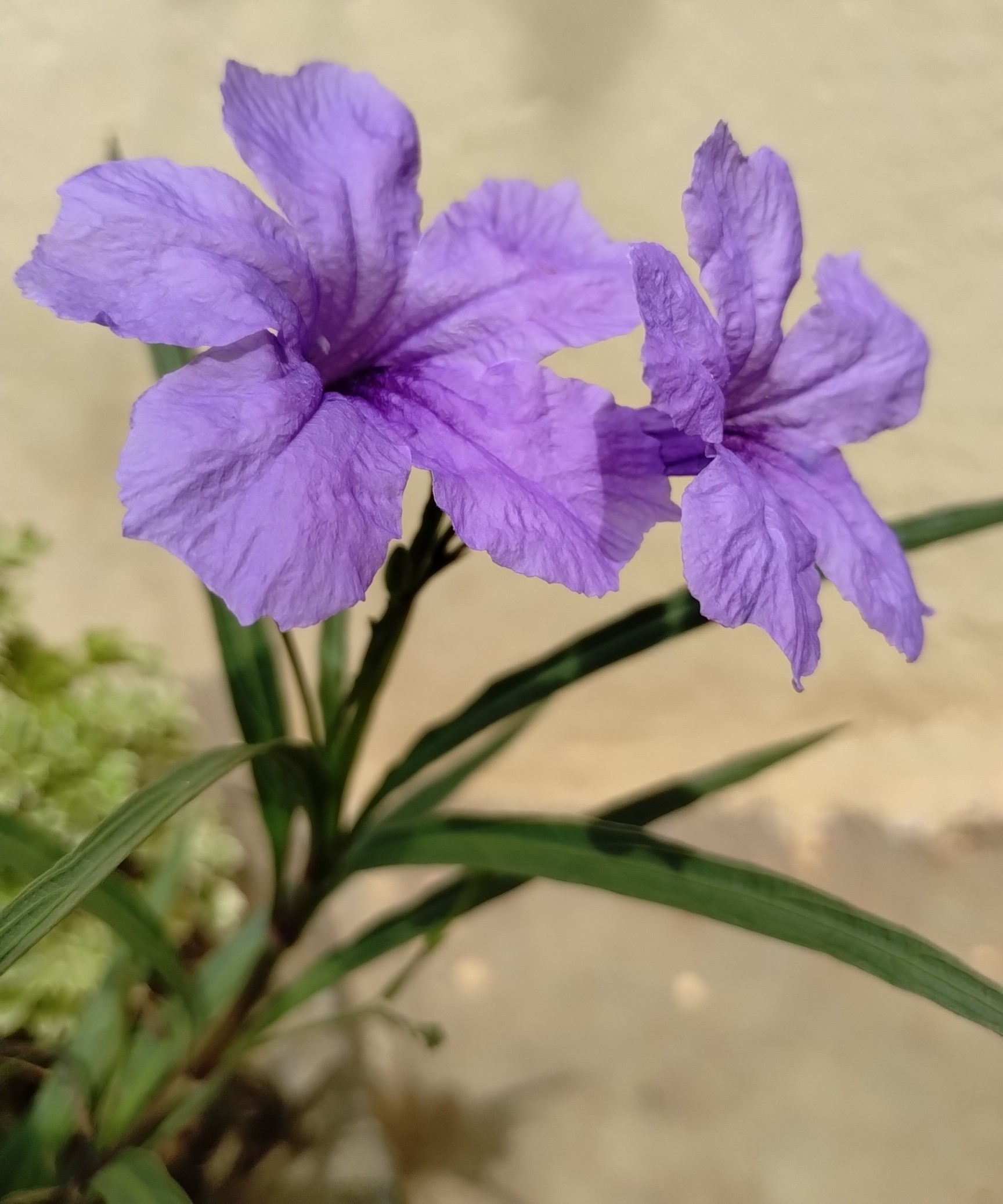
Mexican Petunia
Ruellia simplex
Vigorous perennial producing trumpet-shaped flowers resembling petunias in shade...
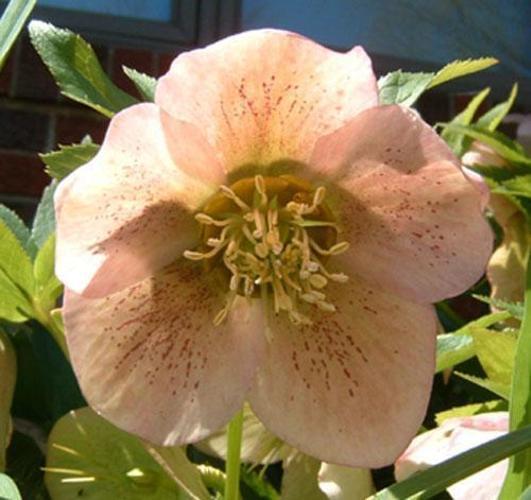
Lenten rose
Helleborus orientalis
Elegant shade-loving perennial featuring nodding, cup or saucer-shaped flowers i...