
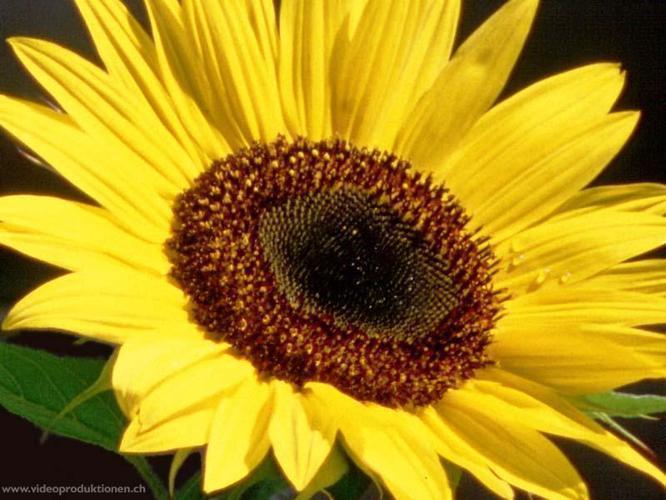
Sunflower
Helianthus annuus
Basic Details
Floral Formula & Features
Ebracteate, radially symmetrical (actinomorphic), bisexual, calyx modified to pappus or absent, 5 fused petals (ray florets yellow and sterile, disk florets brown/purple and fertile), 5 stamens fused into tube, 2 fused carpels with inferior ovary. Composite flower head typical of Asteraceae
- Name 'Helianthus' from Greek 'helios' (sun) and 'anthos' (flower). Young flower heads track sun east to west (heliotropism) - mature heads face east. About 70 Helianthus species, all North American. Cultivated by Native Americans 3,000+ years ago. Introduced to Europe 1500s. Now major crop - 4th largest oilseed crop worldwide
- Flower heads 4-12 inches (10-30 cm) across, some varieties to 24 inches. Composite inflorescence (capitulum) with 1,000-2,000 individual flowers. Outer ray florets (20-40) yellow, petal-like, sterile. Central disk florets (hundreds) brown/purple, fertile, produce seeds. Blooms summer-fall (July-October). Each head lasts 2-3 weeks
- Annual herb with single thick stem, rough texture. Large heart-shaped leaves 6-16 inches long, rough, hairy, alternate. Stem and leaves follow sun when young. Deep taproot (6+ feet) makes drought tolerant. Entire plant dies after setting seed. Varieties: giant (12-15 feet), dwarf (2-3 feet), branching, colored
- Grows 3-15 feet (1-4.5 m) tall depending on variety. Giant varieties to 20 feet. Spread 1-3 feet. Lifespan 1 year (annual). Propagated from seed only. Seeds germinate in 7-10 days. Blooms 70-100 days from planting. Each head produces 1,000-2,000 seeds
- Native to North and Central America - Great Plains, Mexico. Grows in prairies, roadsides, disturbed areas. Now cultivated worldwide - Russia, Ukraine, Argentina major producers. Thrives in temperate climates. Grows wild across North America. Adaptable to many conditions
- Requires full sun (6-8 hours daily) - essential for growth and flowering. Tolerates wide range of soils - prefers well-drained. Drought tolerant once established (deep taproot). Heavy feeder - benefits from fertilizer. Hardy zones 2-11 (annual). Very easy to grow - beginner-friendly
- Seeds edible - roasted for snacks, pressed for oil (sunflower oil). Major agricultural crop for oil, birdseed. Excellent cut flower (harvest when petals just opening). Attracts bees, butterflies, hummingbirds. Goldfinches, chickadees eat seeds. Deer resistant. Used in phytoremediation (removes toxins from soil). Symbolizes adoration, loyalty
- Sow seeds directly in garden after last frost, 1 inch deep, 6 inches apart. Thin to 1-2 feet apart. Stake tall varieties. Water regularly until established. Fertilize monthly. Harvest seeds when back of head turns brown. Cover with netting to protect from birds. Very easy - plant and watch grow
Names in Different Languages
What is Floral Formula?
A floral formula is a symbolic representation of a flower's structure using letters, numbers, and special symbols. It provides a concise way to describe the arrangement and number of floral parts.
This formula describes the flower's symmetry, sepals, petals, stamens, and carpels in a standardized format.
Formula Sequence
- Bract: Br or Ebr
- Bracteole: Brl or Ebrl
- Symmetry: % (Radial) or ⊕ (Bilateral)
- Sex: ♀ (Female), ♂ (Male), or ⚥ (Bisexual)
- Calyx/Sepal: K<number> (Free or Fused)
- Corolla/Petal: C<number> (Free or Fused)
- Androecium: A<number> (Free or Fused)
- Gynaecium: G<number> (Superior or Inferior Ovary)
Symbol Meanings
- Numbers: Indicate quantity of parts
- Parentheses (): Parts are fused together
- Plus (+): Parts in different whorls
- Underline: Superior ovary position
- Overline: Inferior ovary position
- ∞: Numerous parts (too many to count)
Understanding floral formulas helps botanists quickly identify and classify flowers based on their structural characteristics.
Similar Flowers
Discover flowers that share botanical characteristics
Same Family
4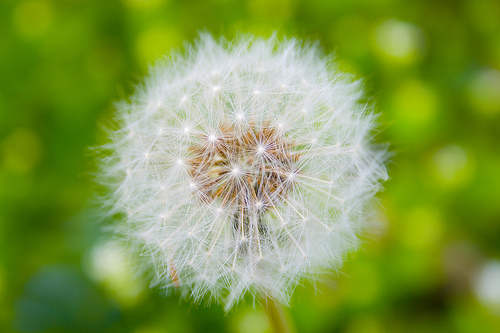
Dandelion
Taraxacum officinale
Ubiquitous perennial featuring bright golden-yellow composite flowers that trans...
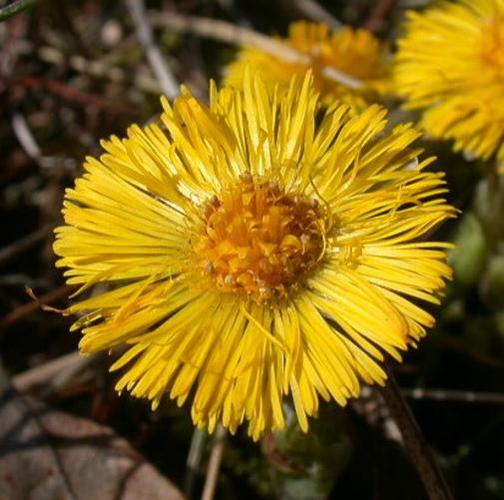
Coltsfoot
Tussilago farfara
Early spring wildflower featuring bright yellow, dandelion-like blooms that appe...
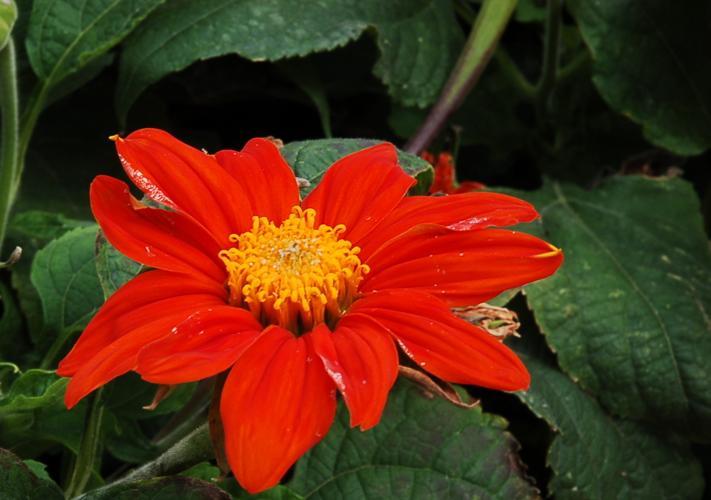
Orange Dahlia
Dahlia × hortensis
Showy tuberous perennial with vibrant orange blooms ranging from bright tangerin...
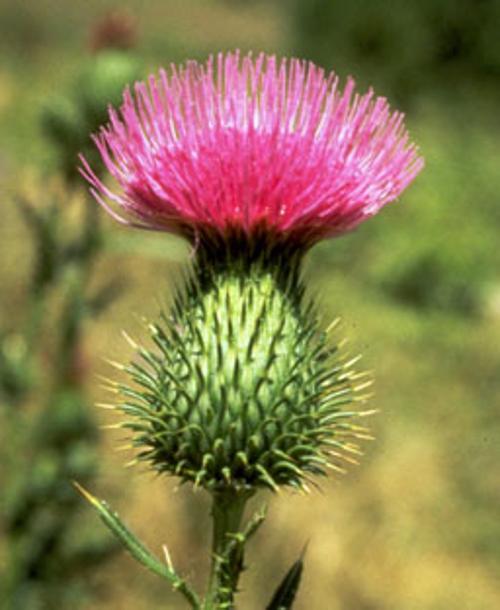
Spear Thistle (Bull Thistle)
Cirsium vulgare
Tall biennial with distinctive purple pom-pom flowers surrounded by spiny bracts...
Similar Characteristics
4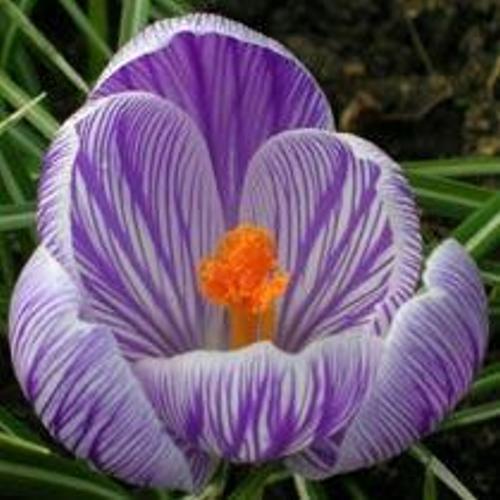
Spring Crocus
Crocus vernus
Cheerful early spring bulb that blooms while snow still on ground. Cup-shaped fl...
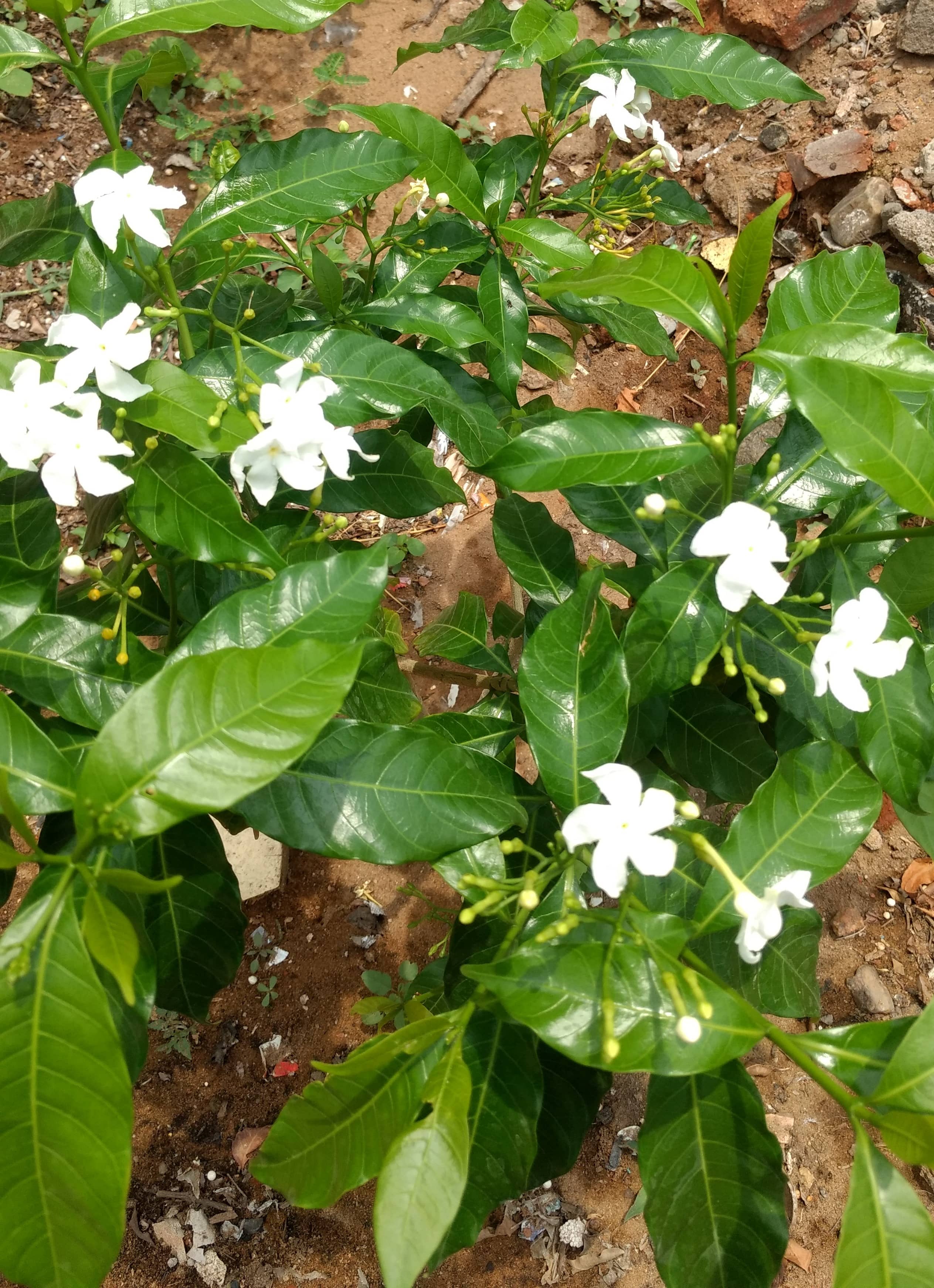
Pinwheel
Tabernaemontana divaricata
Elegant evergreen shrub with distinctive white flowers featuring five waxy petal...
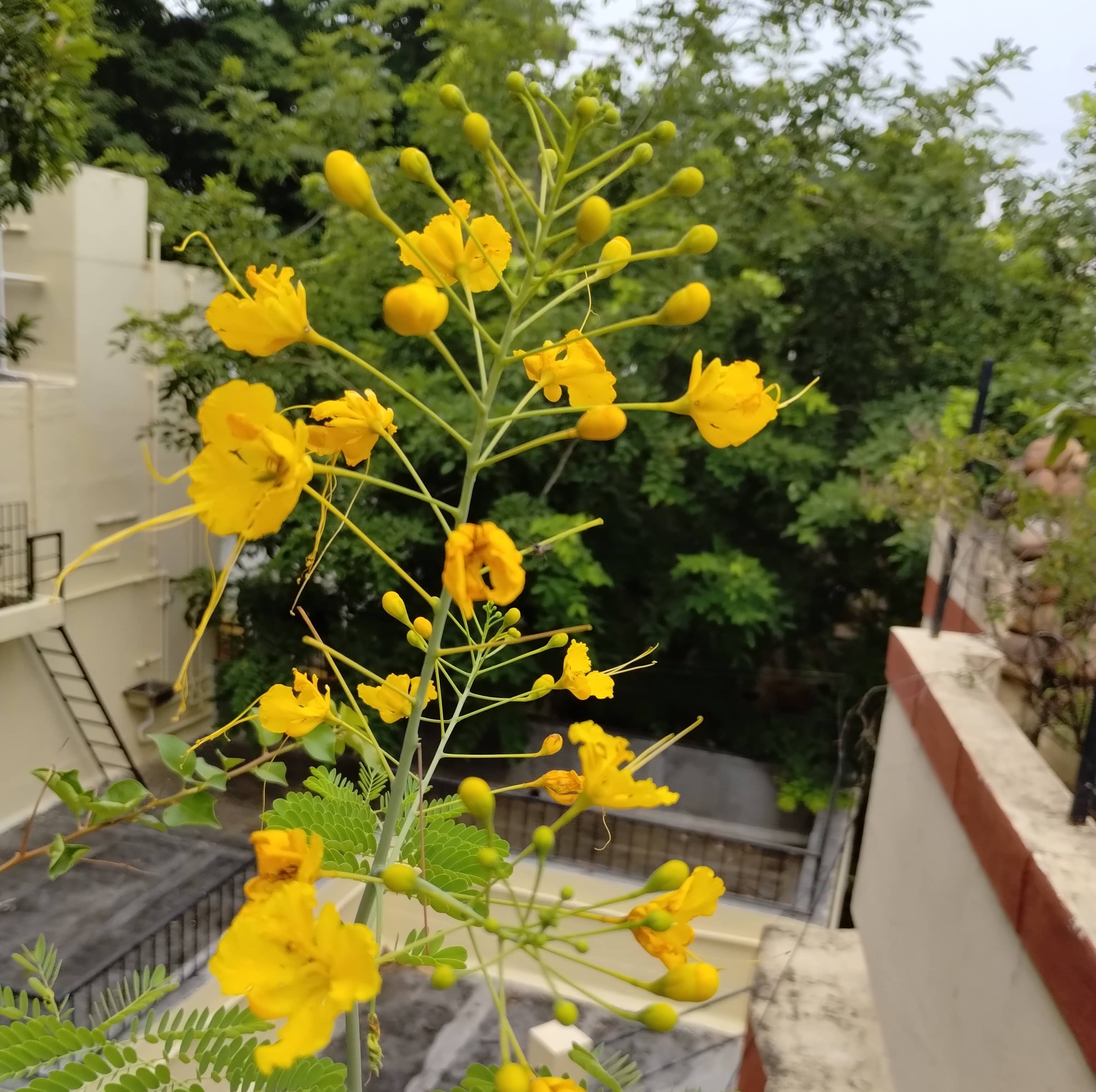
Caesalpinia
Caesalpinia pulcherrima
Spectacular tropical shrub featuring brilliant flame-colored flower clusters wit...
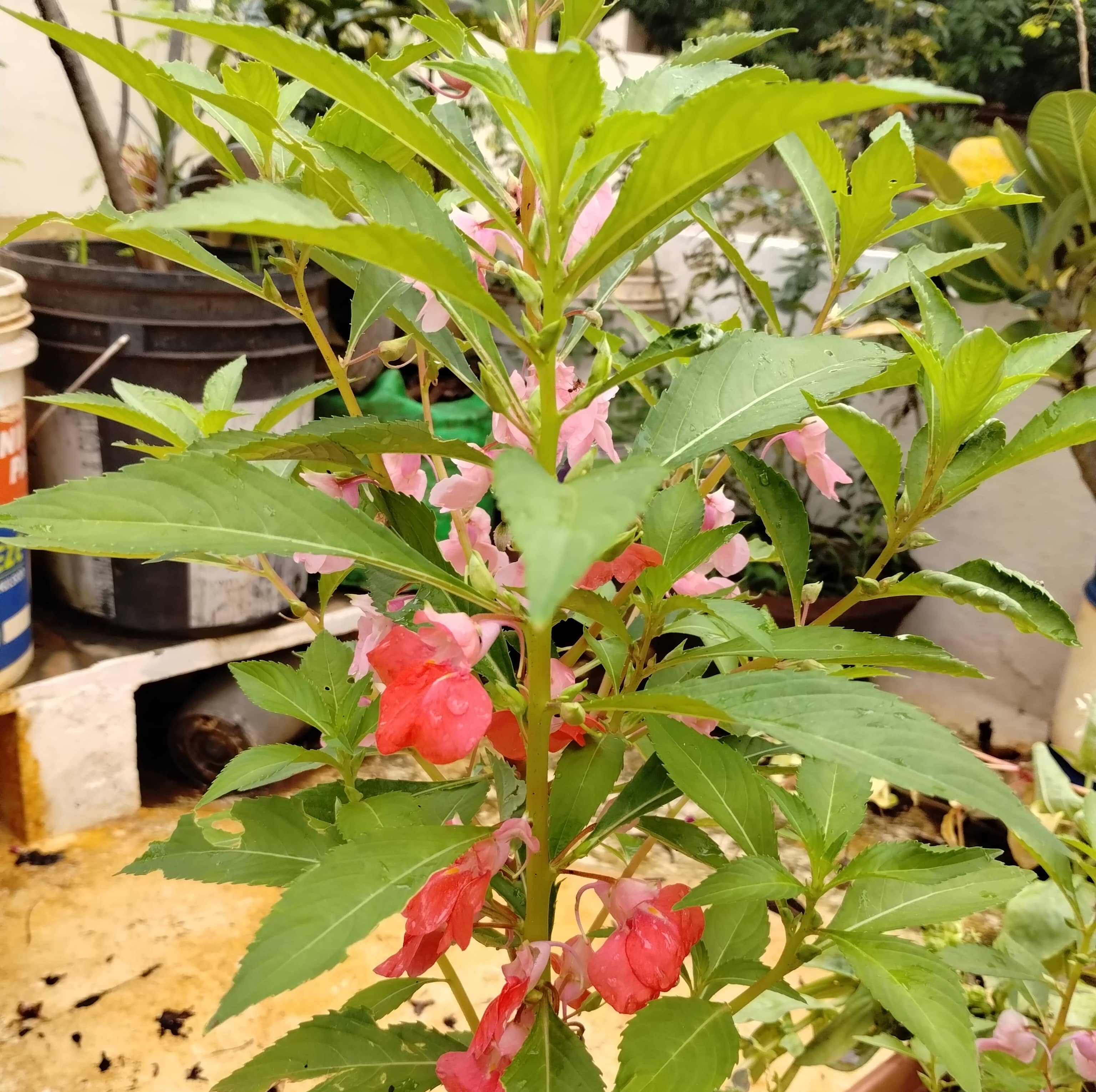
Balsam
Impatiens balsamina
Old-fashioned annual featuring camellia-like double flowers nestled close to the...