
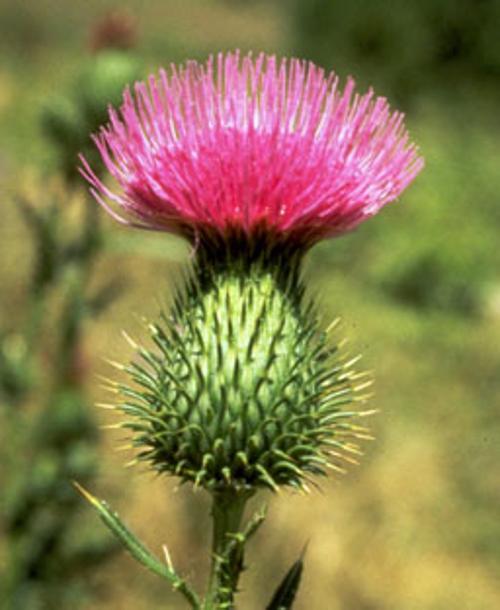
Spear Thistle (Bull Thistle)
Cirsium vulgare
Basic Details
Floral Formula & Features
Ebracteate (but spiny bracts present), radially symmetrical (actinomorphic), bisexual, calyx modified to pappus (feathery bristles for seed dispersal), 5 fused petals forming tubular florets, 5 stamens fused into tube, 2 fused carpels with inferior ovary. Composite flower head typical of Asteraceae
- Name 'Spear Thistle' from spear-like spines on leaves. 'Cirsium' from Greek 'kirsos' (swollen vein) - used to treat varicose veins. About 200 Cirsium species. C. vulgare most common and widespread. Called Bull Thistle for aggressive nature. National emblem of Scotland. Introduced to Americas, Australia, New Zealand as contaminant
- Flower heads 1-2 inches (2.5-5 cm) across, purple-pink (rarely white). Fluffy appearance from numerous tubular florets. Surrounded by spiny green bracts. Blooms summer-fall (June-October). Each plant produces 100-400 flower heads. Each head produces 100-200 seeds. Single plant can produce 40,000 seeds
- Biennial - rosette first year, flowering stem second year. First year: low rosette of spiny leaves. Second year: tall flowering stem 2-6 feet, then dies. Leaves deeply lobed with sharp yellow spines on edges and surface. Stems winged with spiny ridges. Entire plant covered in prickles
- Grows 2-6 feet (60-180 cm) tall in bloom, occasionally to 10 feet. Spread 1-2 feet. Lifespan 2 years (biennial). Propagated from seed only. Seeds viable 20+ years in soil. Wind-dispersed seeds (pappus) travel miles. Germinates spring or fall
- Native to Europe, western Asia, North Africa. Now invasive in North America, South America, Australia, New Zealand, South Africa. Found in pastures, roadsides, disturbed areas, waste ground. Thrives in full sun, poor soil. Declared noxious weed in many regions
- Thrives in full sun (6+ hours). Tolerates wide range of soils - prefers disturbed, poorly-aerated soil. Drought tolerant. Very adaptable and aggressive. Hardy zones 3-10. Difficult to control once established. Deep taproot makes pulling difficult. Mow before flowering to prevent seed spread
- WARNING: Invasive noxious weed - do not plant. Excellent for pollinators - attracts bees, butterflies (especially painted ladies), hummingbirds. Goldfinches eat seeds. Young stems, roots, flower receptacles edible (remove spines). Used in herbal medicine for liver, digestion. Fiber from stems used historically
- Control: Mow or cut before flowering. Dig out taproot (wear thick gloves). Repeated cutting exhausts root. Herbicides effective on rosettes. Biological control: weevils, moths in some regions. Never let go to seed - one plant produces thousands. Check local regulations - illegal to allow growth in some areas
Names in Different Languages
What is Floral Formula?
A floral formula is a symbolic representation of a flower's structure using letters, numbers, and special symbols. It provides a concise way to describe the arrangement and number of floral parts.
This formula describes the flower's symmetry, sepals, petals, stamens, and carpels in a standardized format.
Formula Sequence
- Bract: Br or Ebr
- Bracteole: Brl or Ebrl
- Symmetry: % (Radial) or ⊕ (Bilateral)
- Sex: ♀ (Female), ♂ (Male), or ⚥ (Bisexual)
- Calyx/Sepal: K<number> (Free or Fused)
- Corolla/Petal: C<number> (Free or Fused)
- Androecium: A<number> (Free or Fused)
- Gynaecium: G<number> (Superior or Inferior Ovary)
Symbol Meanings
- Numbers: Indicate quantity of parts
- Parentheses (): Parts are fused together
- Plus (+): Parts in different whorls
- Underline: Superior ovary position
- Overline: Inferior ovary position
- ∞: Numerous parts (too many to count)
Understanding floral formulas helps botanists quickly identify and classify flowers based on their structural characteristics.
Similar Flowers
Discover flowers that share botanical characteristics
Same Family
4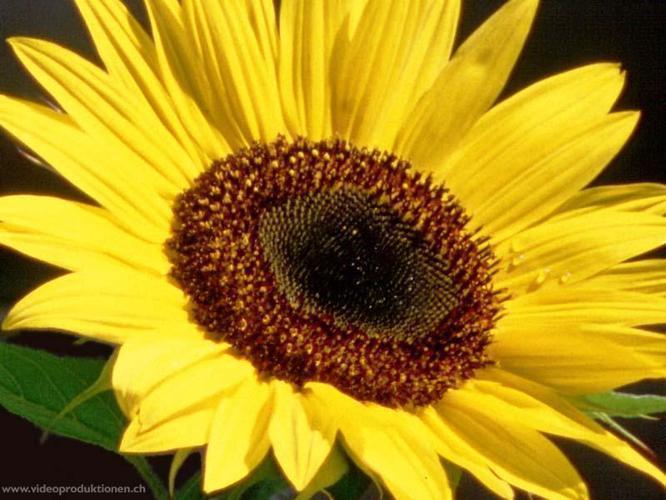
Sunflower
Helianthus annuus
Iconic tall annual with large yellow flower heads that track the sun across sky ...
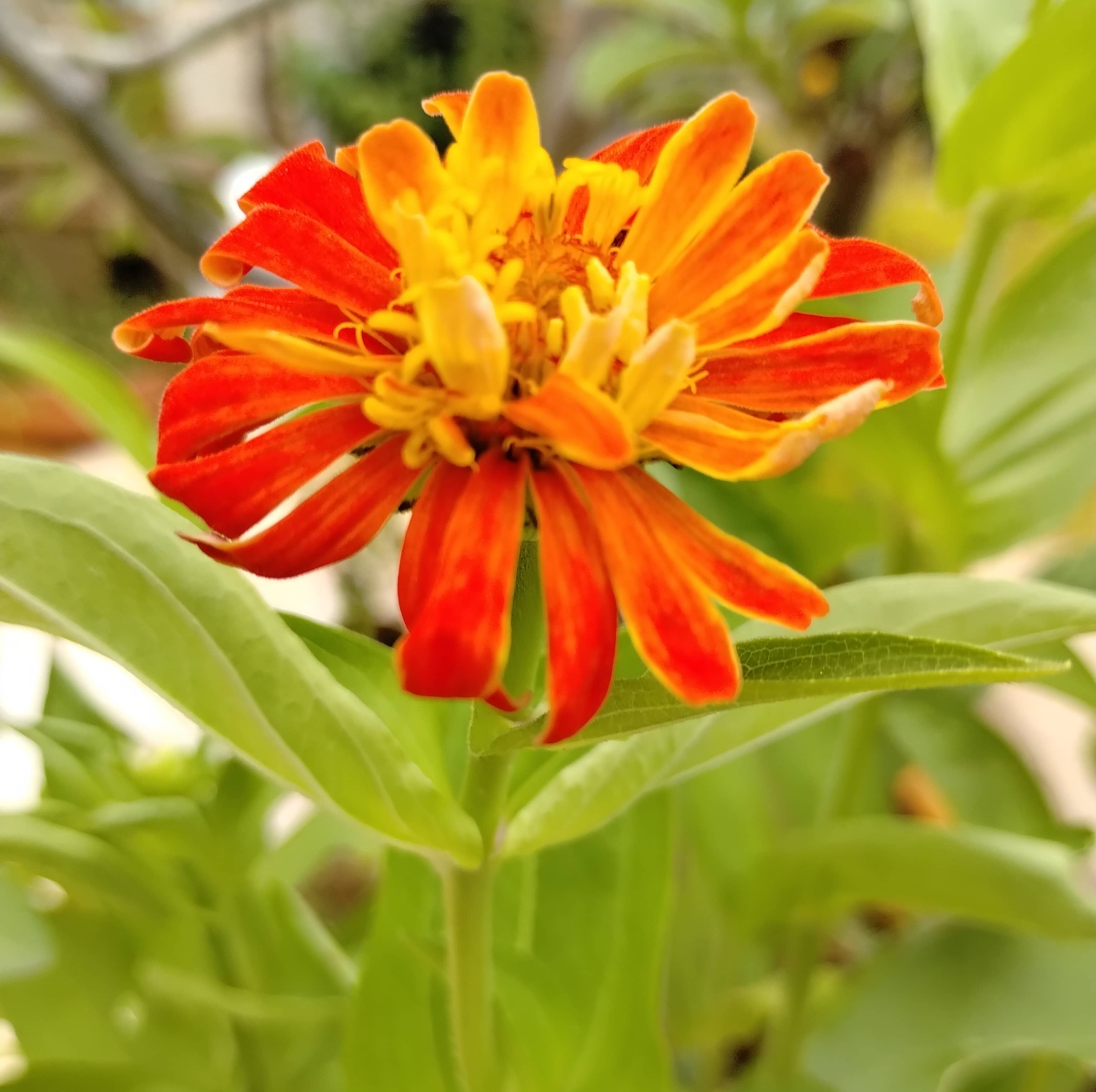
Zinnia
Zinnia
They belong to the same family as Daisy. Zinnia have a stunning range of shapes ...
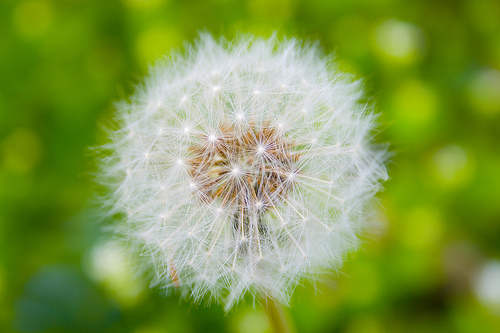
Dandelion
Taraxacum officinale
Ubiquitous perennial featuring bright golden-yellow composite flowers that trans...
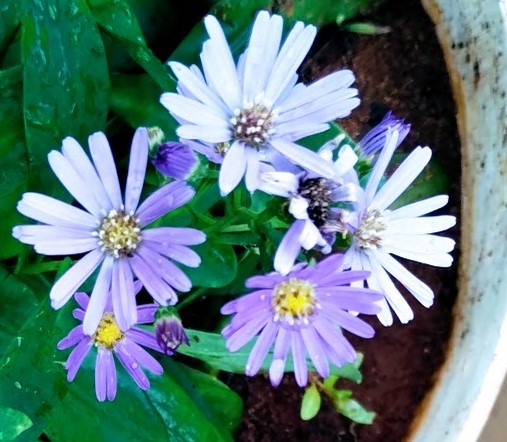
Aster
aster
Asters (Michaelmas Daisies) exhibit star-shaped purple, blue, or pink blooms wit...
Similar Characteristics
4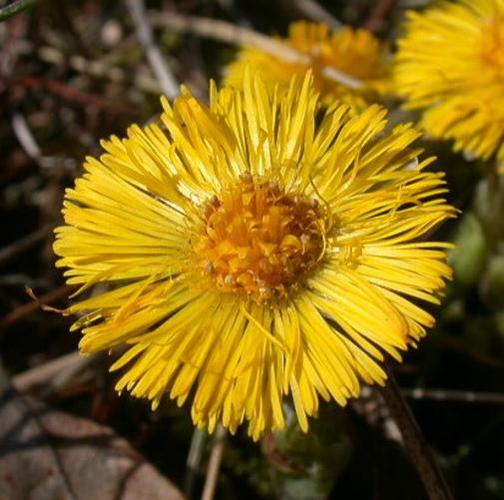
Coltsfoot
Tussilago farfara
Early spring wildflower featuring bright yellow, dandelion-like blooms that appe...
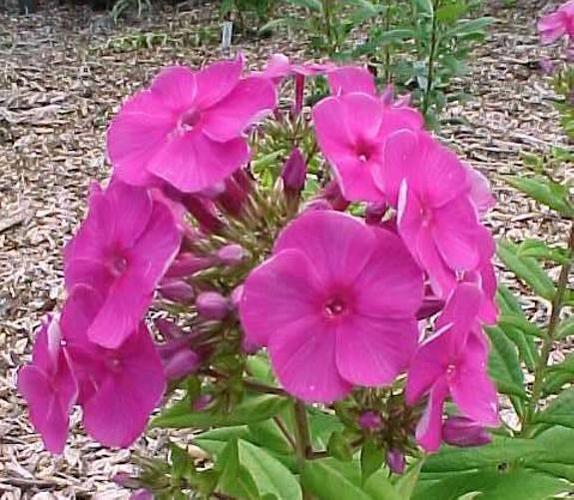
Phlox
Phlox paniculata
Fragrant flowers in dense clusters ranging from creeping ground covers to tall b...
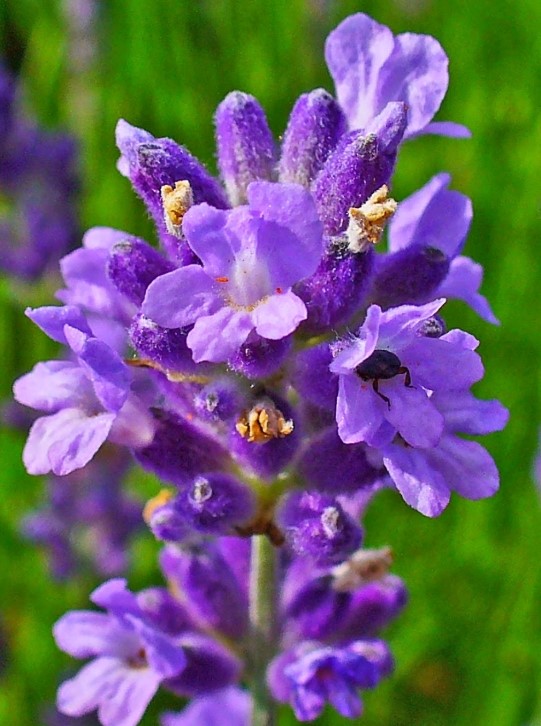
Lavender
Lavandula angustifolia
Iconic aromatic herb featuring slender spikes of small, intensely fragrant flowe...
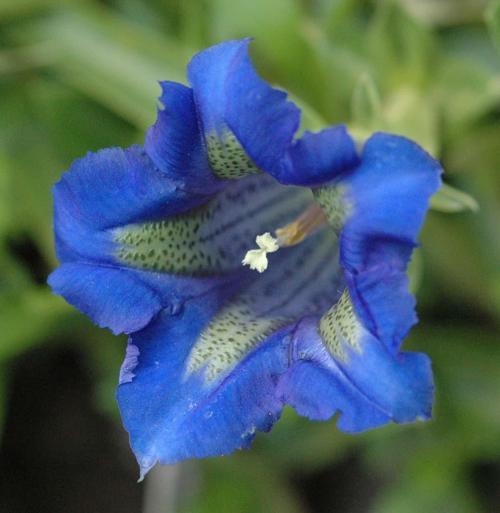
Stemless Gentian
Gentiana acaulis
Stunning alpine flower with large deep blue trumpet-shaped blooms sitting direct...