
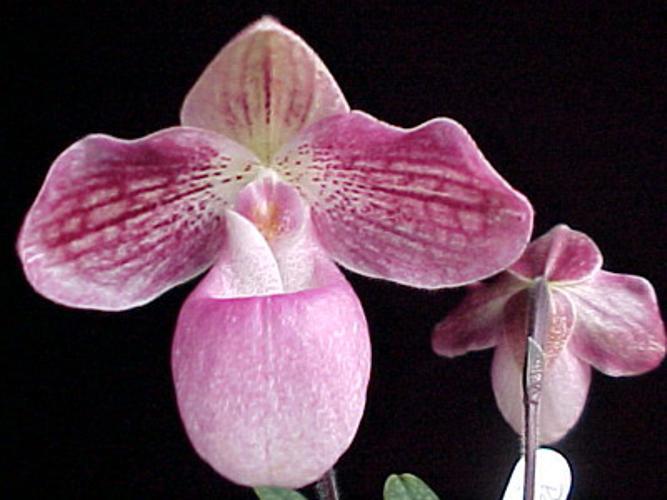
Silver Slipper Orchid
Paphiopedilum micranthum
Basic Details
Floral Formula & Features
Ebracteate, zygomorphic (bilateral symmetry), bisexual, perianth of 6 tepals in 2 whorls (3 sepals + 3 petals, one petal modified as pouch/slipper), 1 stamen fused with style forming column (plus 2 sterile staminodes), 3 fused carpels with inferior ovary. Typical of slipper orchids
- Name 'Paphiopedilum' from Greek 'Paphos' (Venus's city) and 'pedilon' (slipper). 'Micranthum' means small-flowered. About 80 Paphiopedilum species. Discovered 1982 in China. Critically endangered in wild due to habitat loss and illegal collection. CITES protected - trade restricted. One of most sought-after orchids
- Flower 2-3 inches (5-7 cm) across, single bloom per stem. Distinctive pink to rose-pink pouch (lip) shaped like slipper or shoe. Upper sepal white with pink veining. Petals short, rounded, pink-spotted. Blooms late winter-spring (February-April). Flower lasts 4-6 weeks. Takes 3-5 years from seed to first bloom
- Terrestrial orchid (grows in ground, not on trees). Compact rosette of 4-6 mottled leaves, dark green with lighter marbling. Leaves 3-5 inches long, thick, leathery. No pseudobulbs. Grows from short rhizome. Very slow-growing. Evergreen
- Grows 3-6 inches (8-15 cm) tall in bloom. Spread 4-6 inches. Lifespan 50+ years with proper care. Propagated by division (very slow - divide every 5-7 years) or seed (takes 5-7 years to bloom). Tissue culture used for conservation. Each growth produces one flower
- Native to limestone cliffs and crevices in Guangxi and Yunnan provinces of China, northern Vietnam. Grows at 2,600-4,900 feet (800-1,500 m) elevation. Found in shaded, humid limestone areas with moss. Critically endangered - fewer than 250 plants in wild. Protected by law
- Requires bright indirect light (1,500-2,000 foot-candles) - east window ideal. Needs cool temperatures: days 65-75°F, nights 50-60°F. High humidity (60-80%). Water when nearly dry - don't overwater. Grow in well-draining mix (bark, perlite, limestone chips). Fertilize weakly monthly. Hardy zones 10-11, houseplant elsewhere
- Highly prized collector's orchid - very expensive due to rarity. Challenging to grow - not for beginners. Requires patience (slow growth, infrequent blooming). Symbolizes rarity, patience, perseverance. Conservation efforts underway through tissue culture. Only buy legally propagated plants, never wild-collected
- Repot every 2-3 years in spring. Use shallow pot - roots shallow. Add limestone chips to mix (needs alkaline conditions). Provide excellent air circulation. Avoid temperature fluctuations. Rest period after blooming - reduce water slightly. Very sensitive to overwatering and poor drainage. Patience essential - worth the wait
Names in Different Languages
What is Floral Formula?
A floral formula is a symbolic representation of a flower's structure using letters, numbers, and special symbols. It provides a concise way to describe the arrangement and number of floral parts.
This formula describes the flower's symmetry, sepals, petals, stamens, and carpels in a standardized format.
Formula Sequence
- Bract: Br or Ebr
- Bracteole: Brl or Ebrl
- Symmetry: % (Radial) or ⊕ (Bilateral)
- Sex: ♀ (Female), ♂ (Male), or ⚥ (Bisexual)
- Calyx/Sepal: K<number> (Free or Fused)
- Corolla/Petal: C<number> (Free or Fused)
- Androecium: A<number> (Free or Fused)
- Gynaecium: G<number> (Superior or Inferior Ovary)
Symbol Meanings
- Numbers: Indicate quantity of parts
- Parentheses (): Parts are fused together
- Plus (+): Parts in different whorls
- Underline: Superior ovary position
- Overline: Inferior ovary position
- ∞: Numerous parts (too many to count)
Understanding floral formulas helps botanists quickly identify and classify flowers based on their structural characteristics.
Similar Flowers
Discover flowers that share botanical characteristics
Same Family
4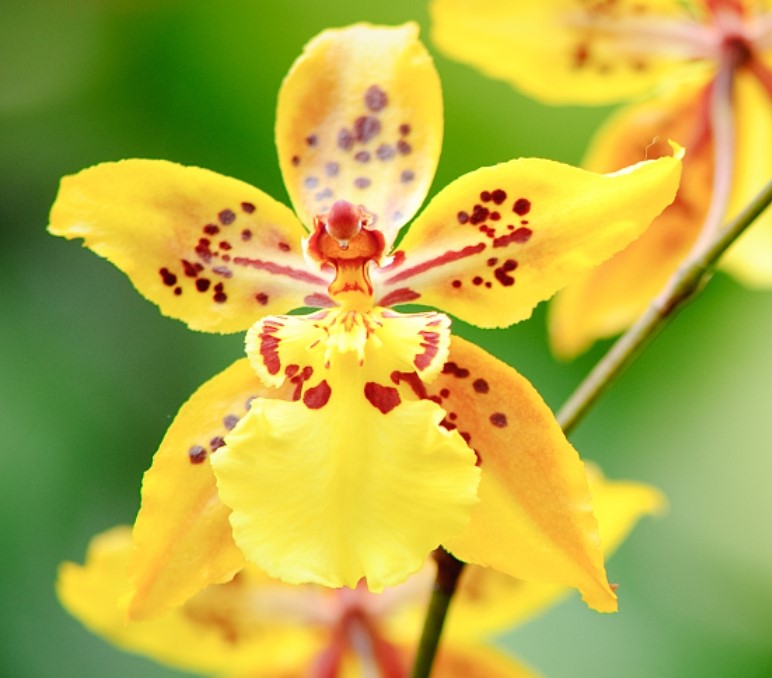
Tolumnia Orchid
Tolumnia
Charming miniature orchid featuring vibrant, intricately patterned flowers that ...
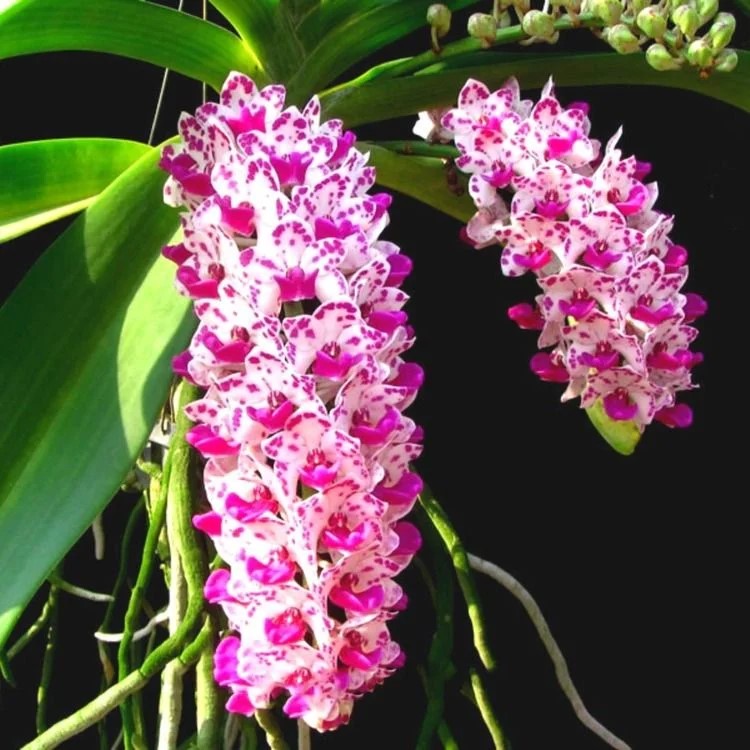
Fox Tail Orchid
Rhynchostylis
Striking epiphytic orchid with dense, cylindrical flower spikes resembling a fox...
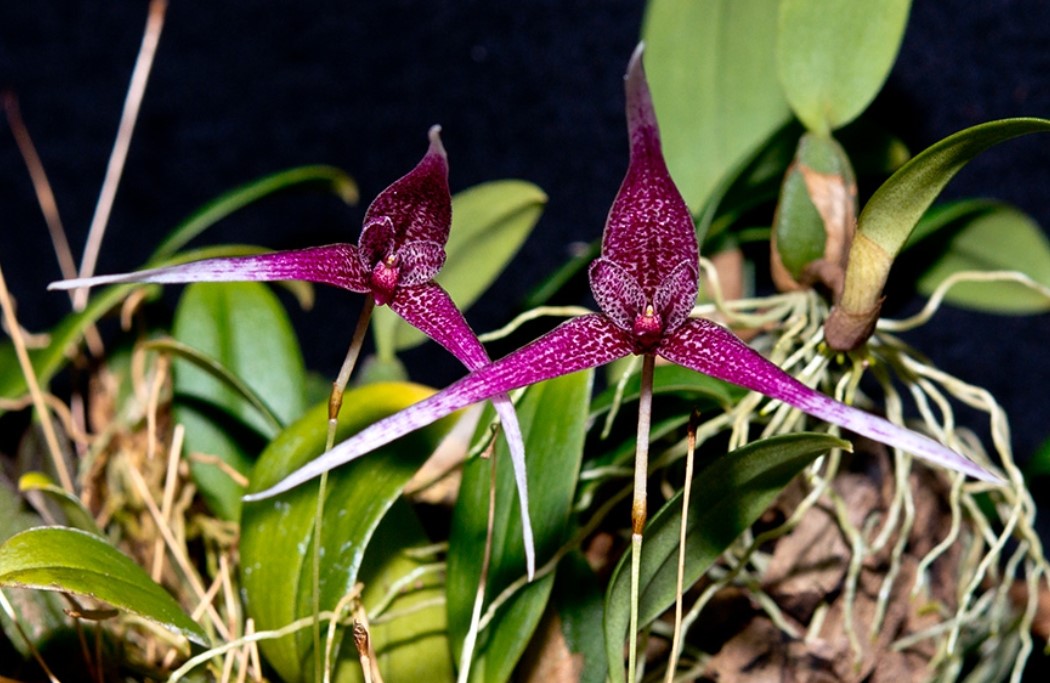
Bulbophyllum Orchid
Bulbophyllum
Fascinating and highly diverse orchid genus featuring some of the most bizarre a...
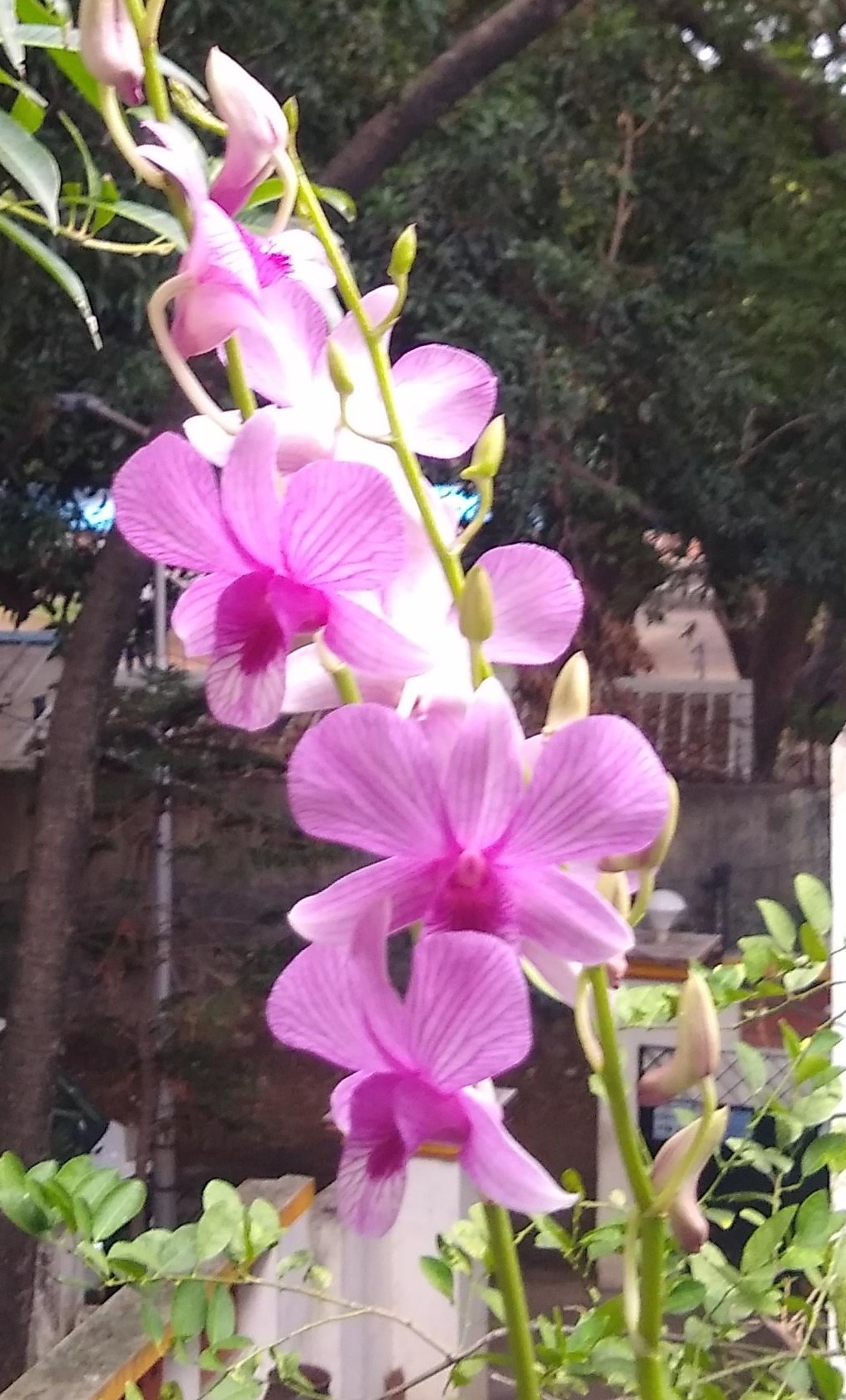
Dendrobium Orchid
Dendrobium
Diverse and popular orchid genus featuring elegant sprays of flowers along cane-...
Similar Colors
1
Similar Characteristics
4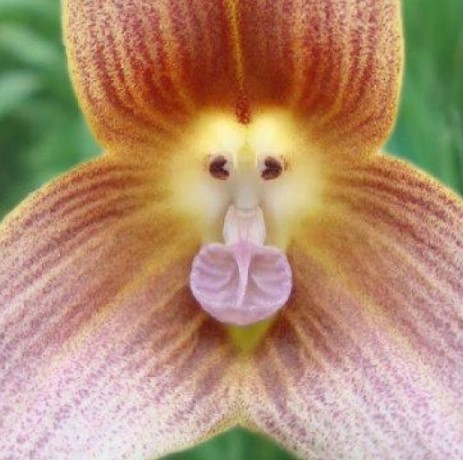
Monkey Orchid
Dracula simia
Extraordinary orchid featuring flowers with an uncanny resemblance to a monkey's...
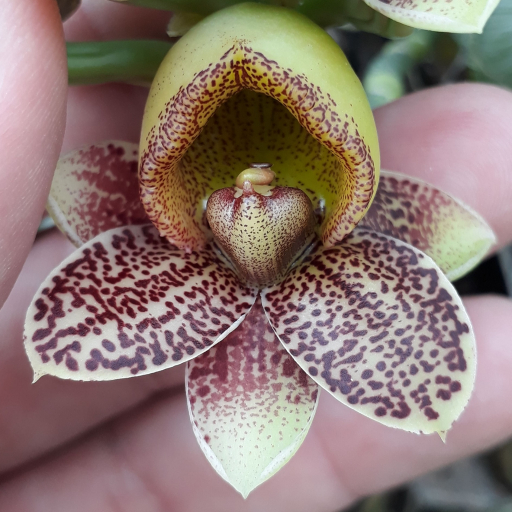
Catasetum Orchid
Catasetum
Remarkable orchid genus famous for extreme sexual dimorphism, producing dramatic...
Bulbophyllum Orchid
Bulbophyllum
Fascinating and highly diverse orchid genus featuring some of the most bizarre a...
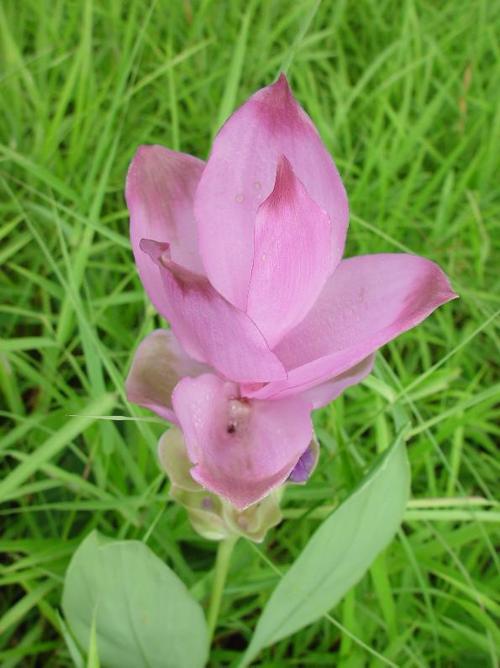
Siam Tulip (NOT a True Tulip)
Curcuma alismatifolia
Beautiful tropical plant that looks like tulip but is actually related to turmer...