
Purple Coneflower
Echinacea purpurea
Basic Details
Floral Formula & Features
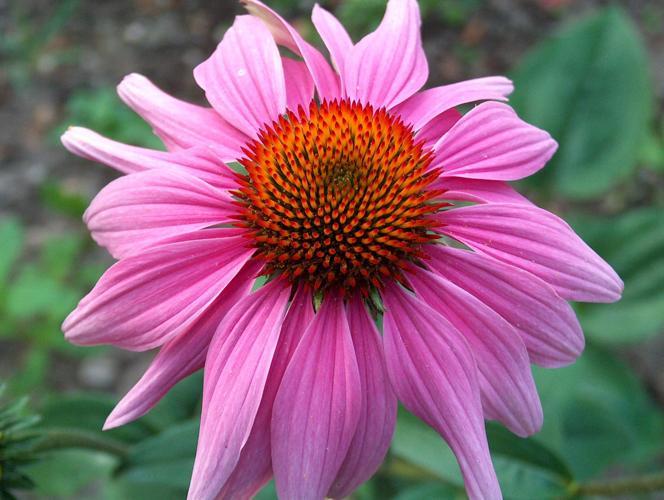
Ebracteate, radially symmetrical (actinomorphic), bisexual, calyx modified to pappus, 5 fused petals (ray florets purple-pink, disc florets orange-brown), 5 stamens fused into tube, 2 fused carpels with inferior ovary. Composite flower head typical of Asteraceae
- Name 'Echinacea' from Greek 'echinos' (hedgehog) - spiky central cone resembles hedgehog. 9 Echinacea species, all native to North America. E. purpurea most common. Widely used in herbal medicine - studies show immune-boosting properties. Native Americans used roots for infections, wounds, snake bites
- Flowers 3-4 inches (7-10 cm) across, daisy-like. Purple-pink drooping petals (ray florets) surround prominent spiky orange-brown cone (disc florets). Cone 1-2 inches tall, bristly texture. Also comes in white, yellow, orange cultivars. Blooms June-September (summer through fall). Each flower lasts 2-3 weeks
- Herbaceous perennial. Upright stems, rough texture. Lance-shaped leaves 3-8 inches long, dark green, coarse, toothed edges. Deep taproot makes drought tolerant. Dies back to ground in winter, regrows from crown in spring. Long-lived, low maintenance
- Grows 2-5 feet (60-150 cm) tall, occasionally to 6 feet. Spread 1-2 feet. Lifespan 10+ years. Propagated from seed (blooms year 2-3), division (spring or fall), or root cuttings. Self-seeds readily. Divide every 4-5 years to maintain vigor
- Native to eastern and central North America, from Rocky Mountains to Atlantic. Found in prairies, open woodlands, dry fields. Grows wild from Texas to Saskatchewan. Now cultivated worldwide. Thrives in temperate climates
- Requires full sun (6-8 hours daily). Tolerates wide range of soils - prefers well-drained. Drought tolerant once established (deep taproot). Low water needs. Hardy zones 3-9. Heat and humidity tolerant. Very adaptable and forgiving
- Used in herbal medicine - roots, leaves, flowers contain immune-boosting compounds. Available as tea, tincture, capsules. Excellent cut flower lasting 7-10 days. Attracts butterflies (especially swallowtails), bees, hummingbirds. Goldfinches eat seeds in fall/winter. Deer and rabbit resistant
- Deadhead for continuous blooms or leave seed heads for birds and winter interest. Very low maintenance - rarely needs division. Tolerates poor soil, drought, heat, humidity. Perfect for prairie gardens, meadows, borders. Symbolizes strength and health. Easy for beginners
Names in Different Languages
What is Floral Formula?
A floral formula is a symbolic representation of a flower's structure using letters, numbers, and special symbols. It provides a concise way to describe the arrangement and number of floral parts.
This formula describes the flower's symmetry, sepals, petals, stamens, and carpels in a standardized format.
Formula Sequence
- Bract: Br or Ebr
- Bracteole: Brl or Ebrl
- Symmetry: % (Radial) or ⊕ (Bilateral)
- Sex: ♀ (Female), ♂ (Male), or ⚥ (Bisexual)
- Calyx/Sepal: K<number> (Free or Fused)
- Corolla/Petal: C<number> (Free or Fused)
- Androecium: A<number> (Free or Fused)
- Gynaecium: G<number> (Superior or Inferior Ovary)
Symbol Meanings
- Numbers: Indicate quantity of parts
- Parentheses (): Parts are fused together
- Plus (+): Parts in different whorls
- Underline: Superior ovary position
- Overline: Inferior ovary position
- ∞: Numerous parts (too many to count)
Understanding floral formulas helps botanists quickly identify and classify flowers based on their structural characteristics.
Similar Flowers
Discover flowers that share botanical characteristics
Same Family
4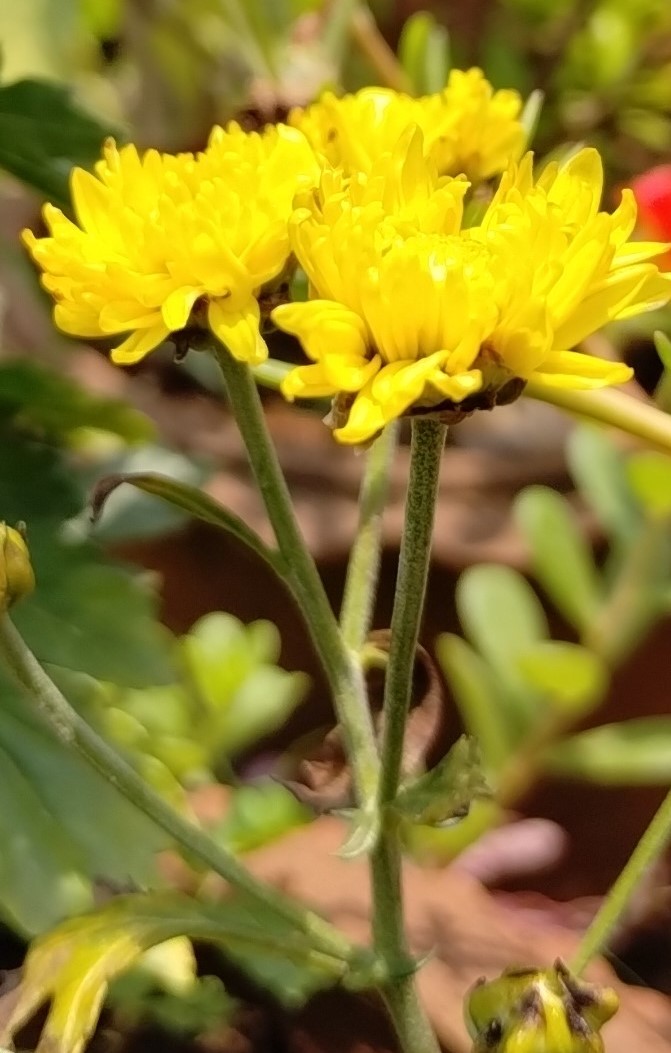
Chrysanthemum
Chrysanthemum
Beloved fall-blooming perennial celebrated for its profuse, colorful flowers tha...
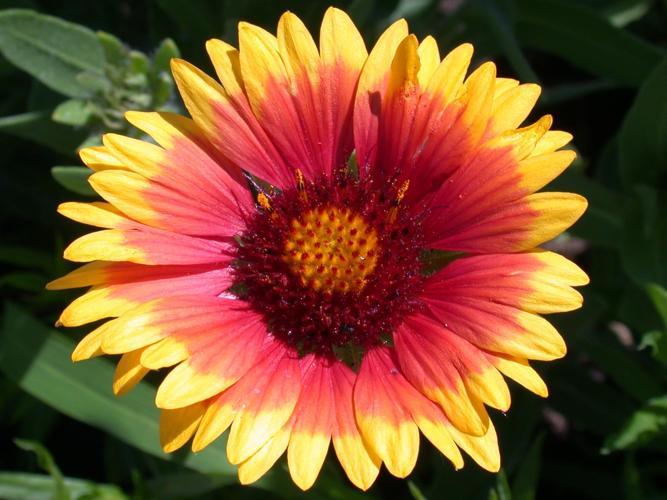
Gaillardia
Gaillardia
Cheerful, sun-loving perennial or annual featuring vibrant daisy-like flowers in...
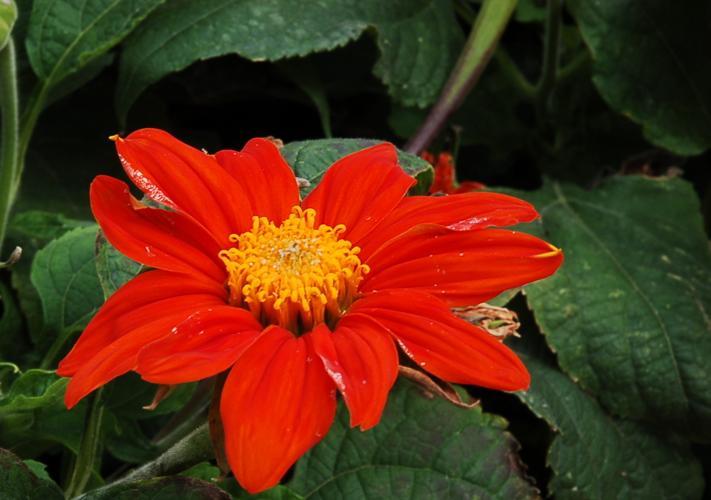
Orange Dahlia
Dahlia × hortensis
Showy tuberous perennial with vibrant orange blooms ranging from bright tangerin...
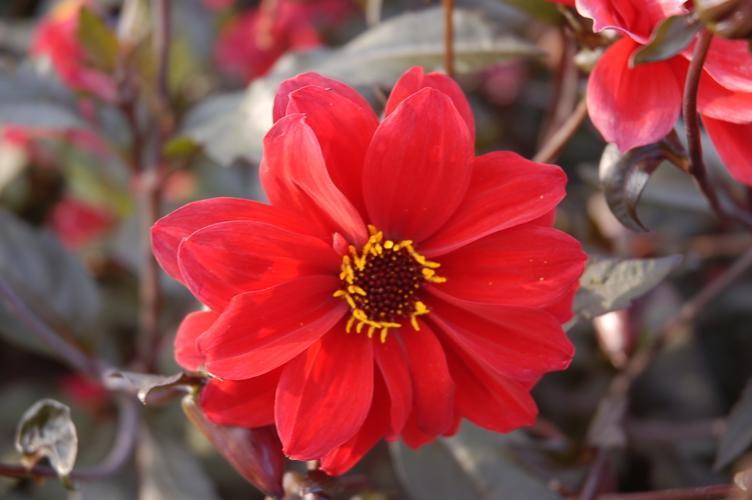
Dahlia
Dahlia
Spectacular tuberous perennial renowned for extraordinarily diverse flower forms...
Similar Characteristics
4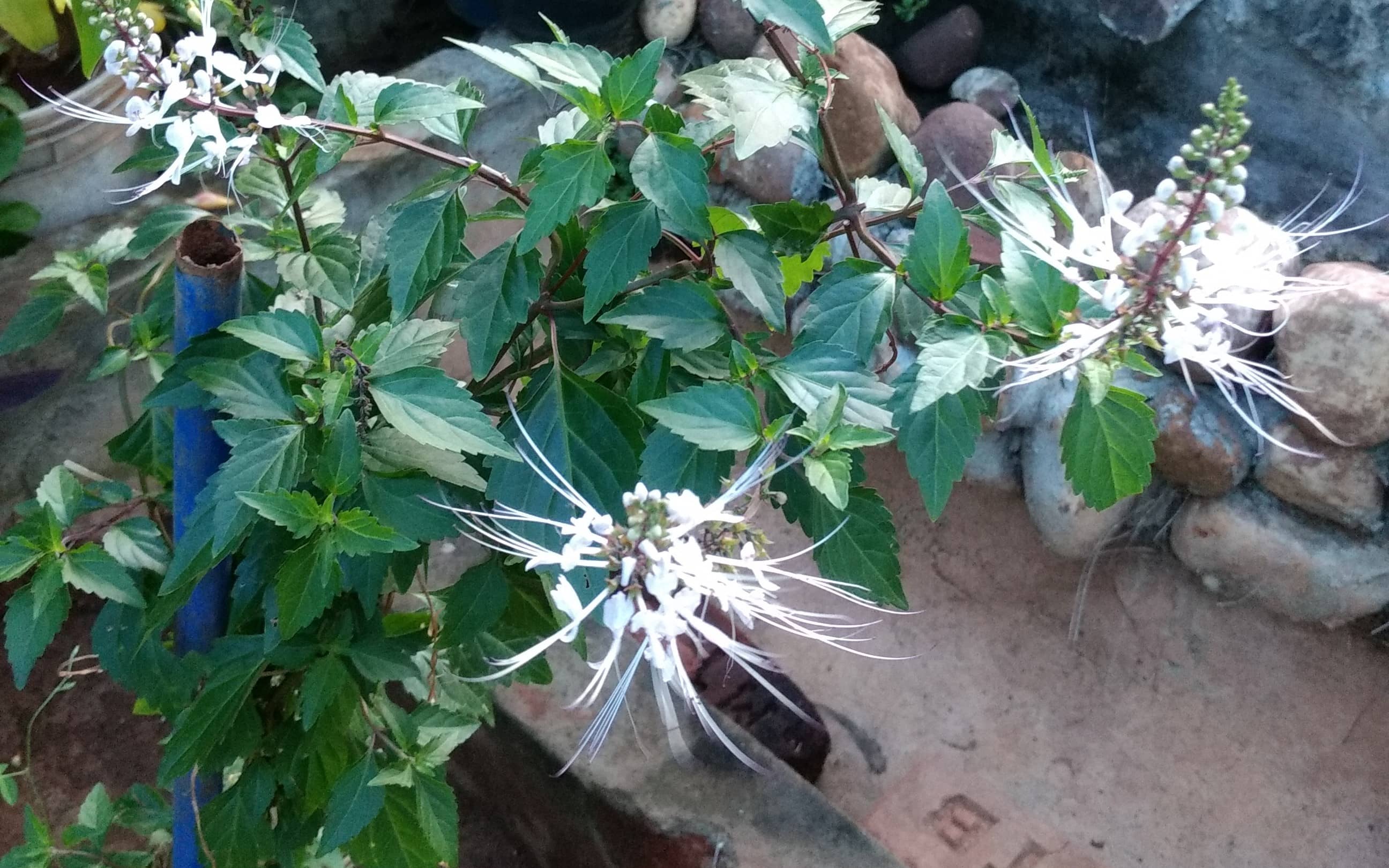
Cat's whiskers
Orthosiphon aristatus
Distinctive medicinal herb featuring delicate white or pale purple flowers with ...
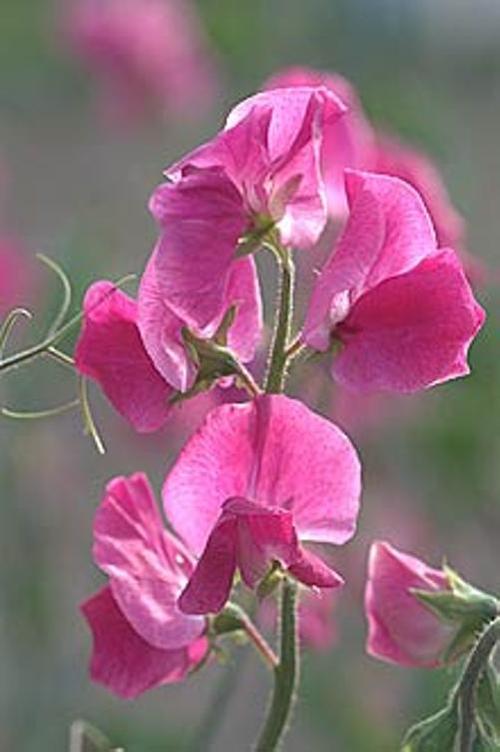
Sweet Pea
Lathyrus odoratus
Beloved fragrant annual vine with butterfly-shaped flowers in rainbow of pastel ...
Butterfly pea
Clitoria ternatea
Striking tropical vine featuring vivid sky-blue pea-shaped flowers with distinct...
Windflower
Anemone
Graceful perennial named for delicate blooms that dance and sway in slightest br...