
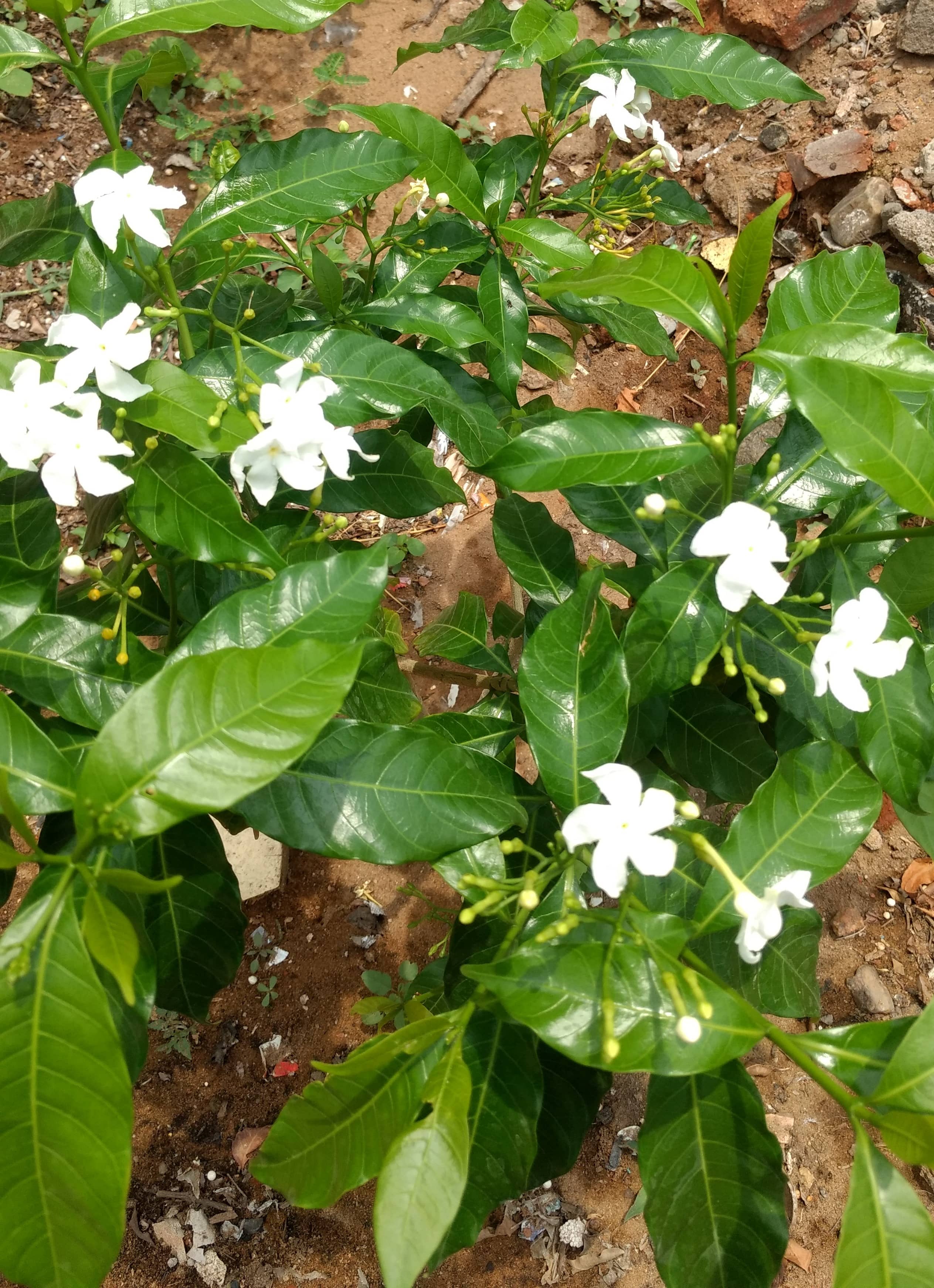
Pinwheel
Tabernaemontana divaricata
Basic Details
Floral Formula & Features
Radially Symmetrical, Bisexual, 5 fused sepals, 5 fused petals, 5 free stamens, 2 fused carpels with superior ovary
- Etymology: Named 'Crape Jasmine' for crepe-textured petals resembling crinkled fabric. 'Nero's Crown' refers to double-layered flowers resembling a crown. 'Pinwheel' describes the propeller-like petal arrangement. 'Chandni' means moonlight in Hindi, referencing night-blooming fragrance. Genus honors German herbalist Jacobus Theodorus Tabernaemontanus (1520-1590)
- Unique Characteristics: Produces milky white latex when stems or leaves are broken. Flowers available in single-layered (5 petals) or double-layered (10+ petals) forms. Sweet, jasmine-like fragrance intensifies at night to attract moth pollinators. Contains alkaloids used in traditional medicine for eye disorders, skin conditions, and inflammation. Blooms continuously year-round in tropical climates
- Plant Type & Blooming: Evergreen perennial shrub or small tree. Blooms year-round in tropics, spring through fall in temperate zones (March-November). Flowers last 3-5 days individually but produced continuously. Each bloom 1.5-2 inches (4-5 cm) across. Flowers appear in clusters at branch tips
- Size, Lifespan & Propagation: Height: 3-6 feet (0.9-1.8 m) in containers, up to 20+ feet (6+ m) in ground. Spread: 3-5 feet (0.9-1.5 m). Lifespan: 10-15+ years with proper care. Propagation: stem cuttings (easiest, root in 3-4 weeks), seeds, air layering. Fast-growing, 1-2 feet (30-60 cm) per year
- Native Region & Distribution: Native to India, Bangladesh, Sri Lanka, and Southeast Asia. Naturalized in tropical and subtropical regions worldwide including Africa, Australia, Pacific Islands, Caribbean, and southern United States (Florida, Texas, California). Grows wild in forests and cultivated in gardens globally
- Climate & Growing Conditions: Thrives in full sun to partial shade (6+ hours sunlight ideal). Prefers warm, humid tropical to subtropical climates (USDA zones 9-11). Temperature: 60-85°F (15-29°C), tolerates brief cold to 40°F (4°C). Soil: well-drained, slightly acidic to neutral (pH 6.0-7.0), rich in organic matter. Water: moderate, allow soil to dry between waterings. Avoid overwatering (causes root rot). Drought-tolerant once established
Names in Different Languages
What is Floral Formula?
A floral formula is a symbolic representation of a flower's structure using letters, numbers, and special symbols. It provides a concise way to describe the arrangement and number of floral parts.
This formula describes the flower's symmetry, sepals, petals, stamens, and carpels in a standardized format.
Formula Sequence
- Bract: Br or Ebr
- Bracteole: Brl or Ebrl
- Symmetry: % (Radial) or ⊕ (Bilateral)
- Sex: ♀ (Female), ♂ (Male), or ⚥ (Bisexual)
- Calyx/Sepal: K<number> (Free or Fused)
- Corolla/Petal: C<number> (Free or Fused)
- Androecium: A<number> (Free or Fused)
- Gynaecium: G<number> (Superior or Inferior Ovary)
Symbol Meanings
- Numbers: Indicate quantity of parts
- Parentheses (): Parts are fused together
- Plus (+): Parts in different whorls
- Underline: Superior ovary position
- Overline: Inferior ovary position
- ∞: Numerous parts (too many to count)
Understanding floral formulas helps botanists quickly identify and classify flowers based on their structural characteristics.
Similar Flowers
Discover flowers that share botanical characteristics
Same Family
4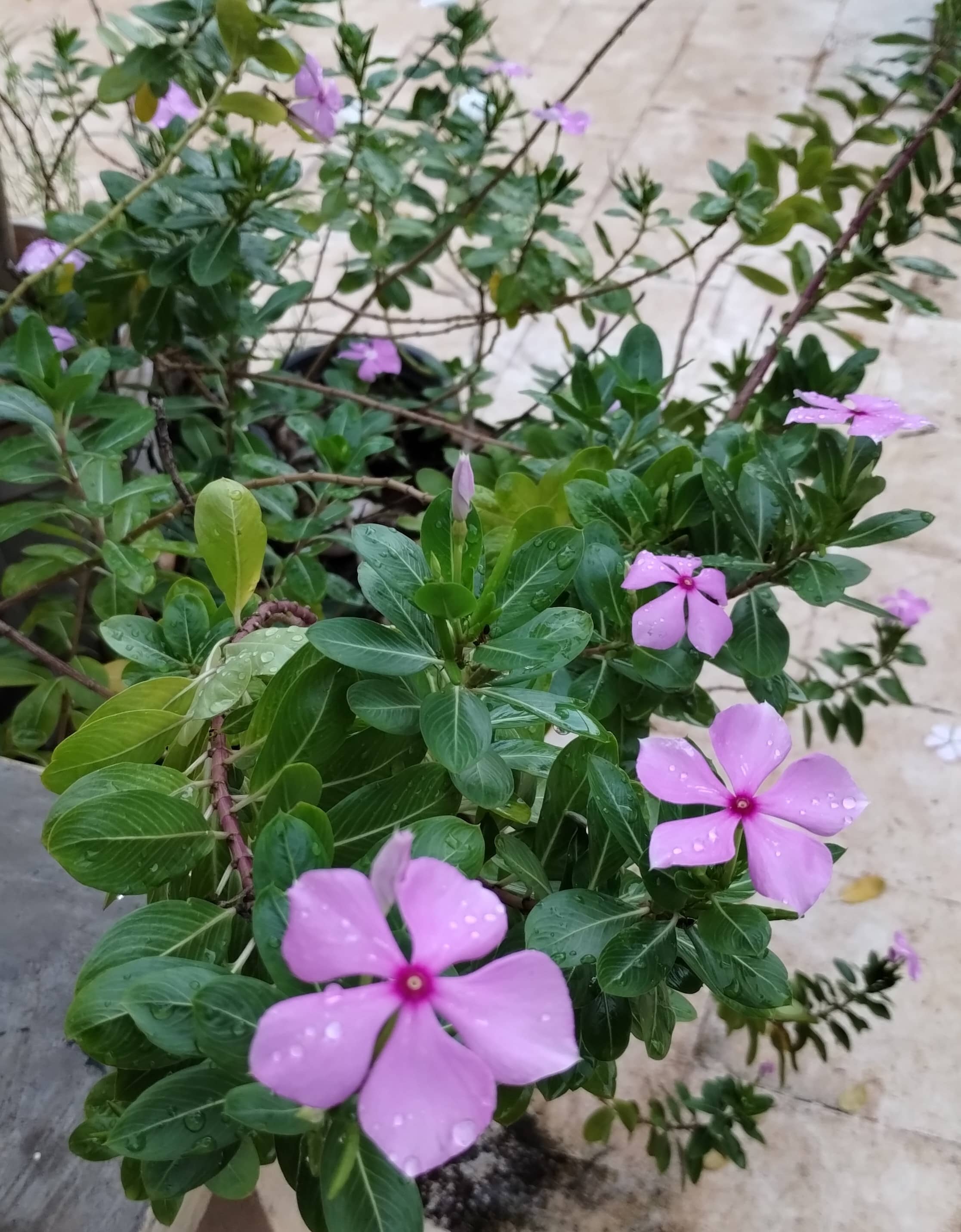
Vinca Rosea
Catharanthus roseus
Highly significant medicinal plant native to Madagascar, renowned as the source ...
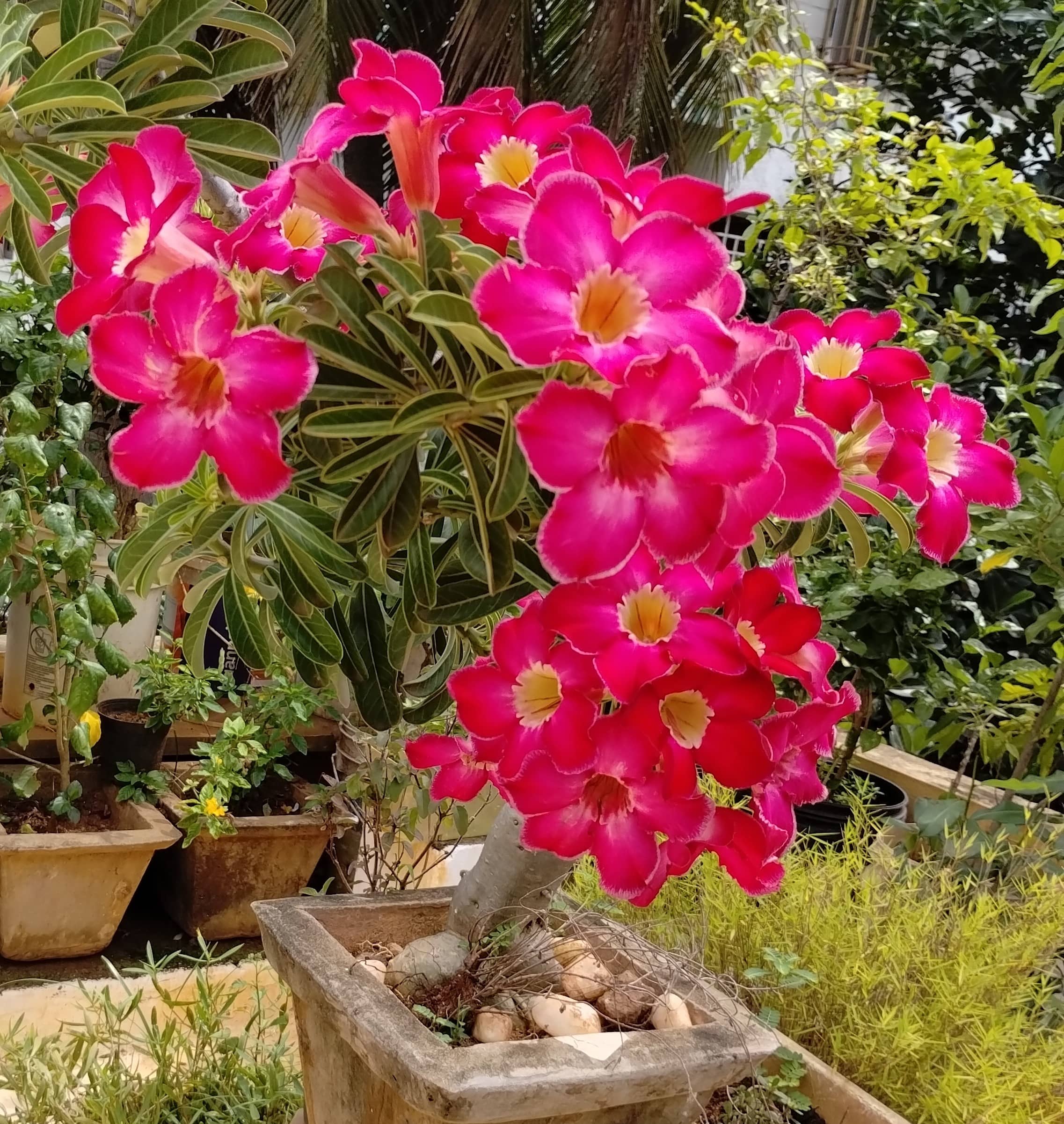
Desert rose
Adenium obesum
Striking succulent shrub featuring a dramatically swollen trunk (caudex) that st...
Oleander
Nerium oleander
Evergreen shrub with clusters of showy flowers in pink, white, red, yellow, or p...
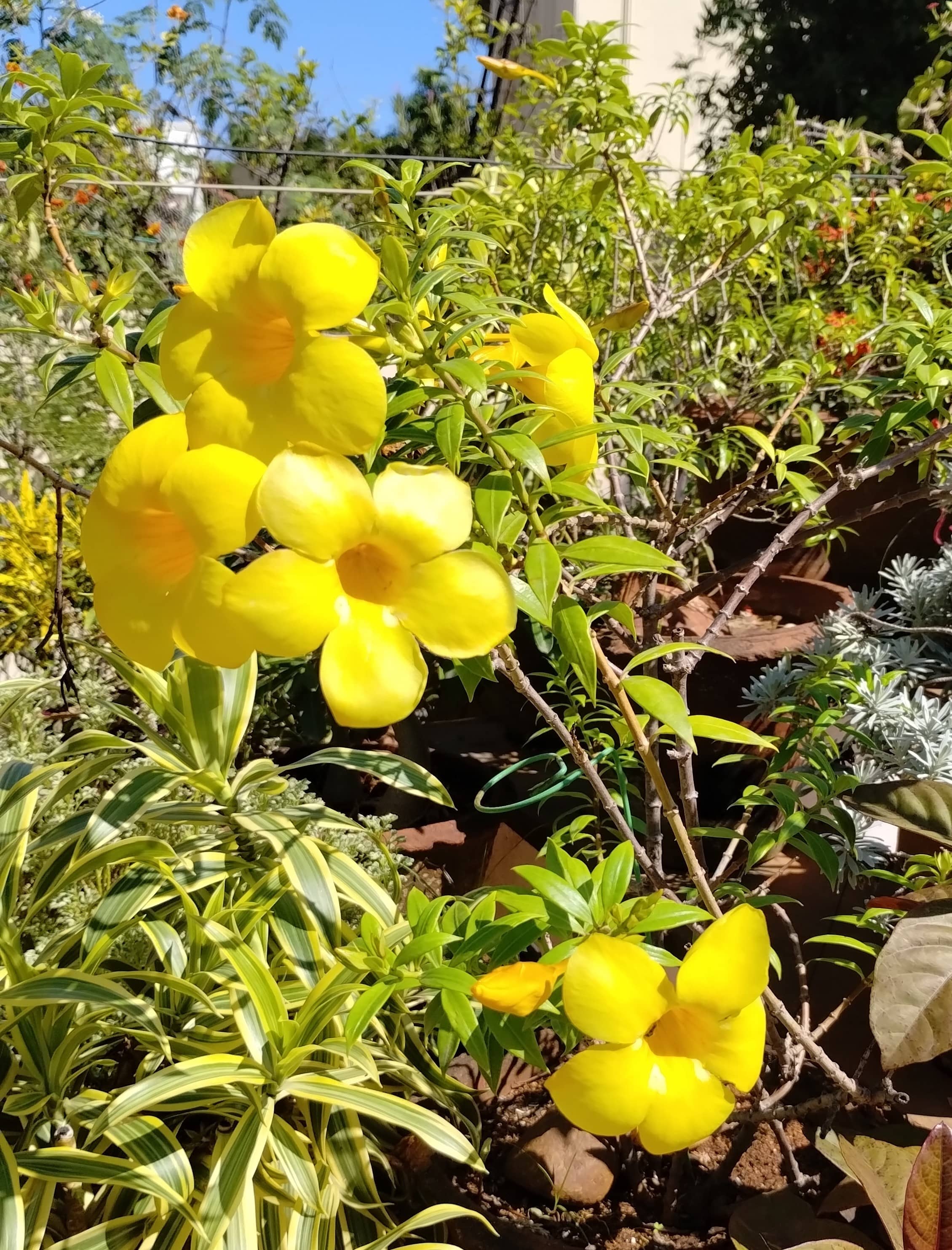
Allamanda
Allamanda cathartica
Spectacular tropical shrub or vine featuring large, trumpet-shaped flowers that ...
Similar Characteristics
4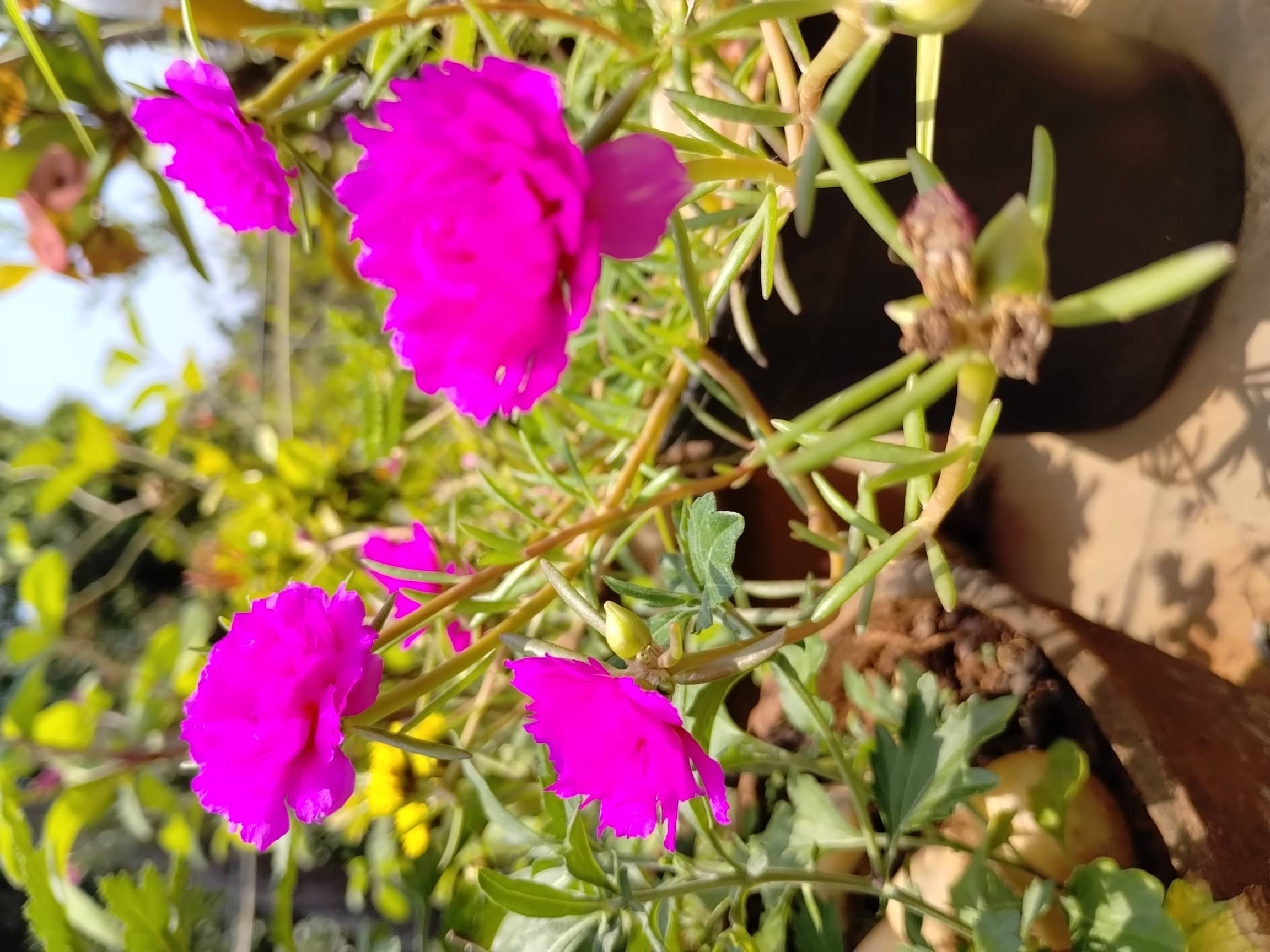
Portulaca
Portulaca
Charming succulent annual celebrated for its vibrant, rose-like flowers in a rai...
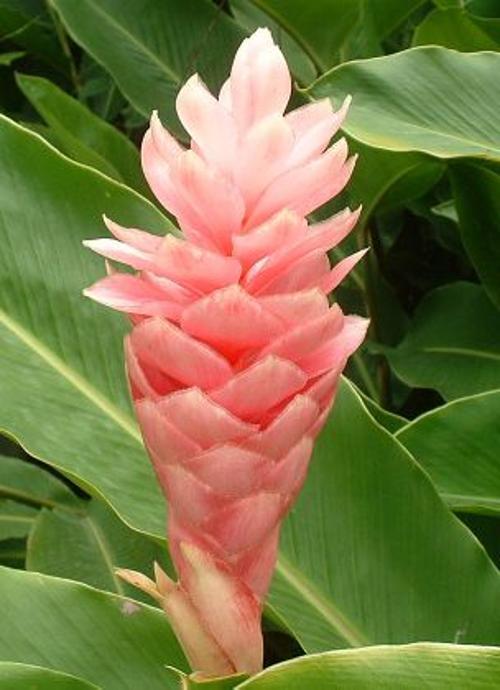
Red Ginger (Ostrich Plume)
Alpinia purpurata
Stunning tropical plant with brilliant red or pink cone-shaped flower spikes res...
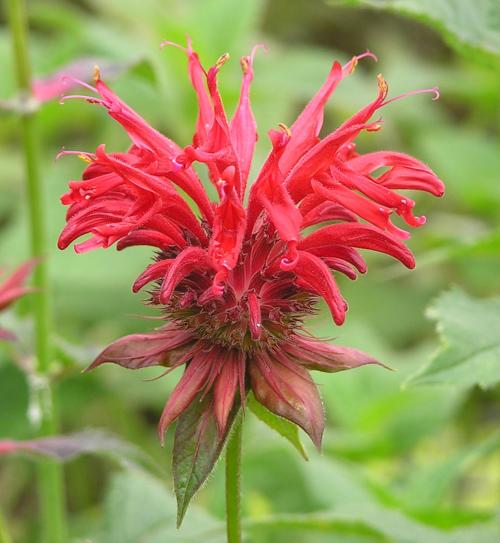
Beebalm
Monarda didyma, Mentha longifolia
Showy perennial herb featuring dense, pom-pom-like clusters of tubular flowers i...
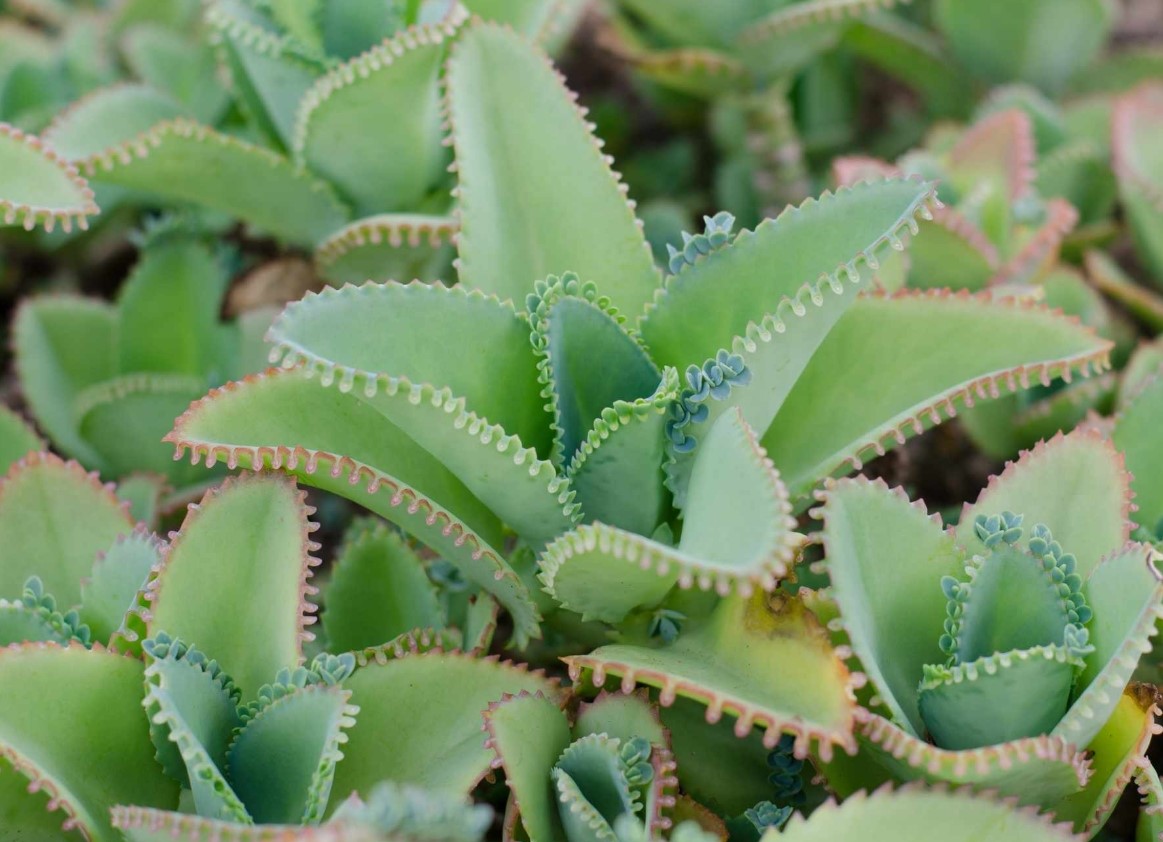
Kalanchoe
Kalanchoe
Popular flowering succulent native to Madagascar and tropical Africa, beloved as...