
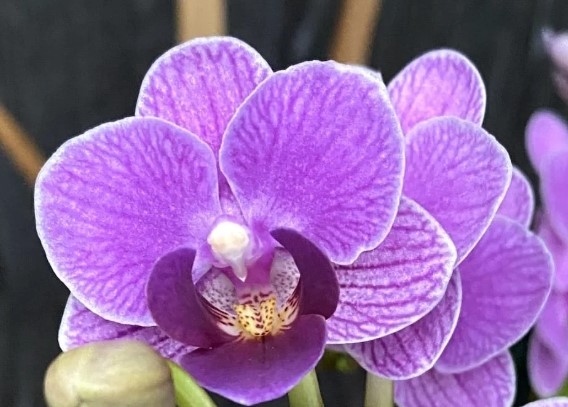
Phalaenopsis Orchid
Phalaenopsis
Basic Details
Floral Formula & Features
Zygomorphic (bilateral symmetry), Bisexual, 6 tepals in 2 whorls of 3 (3 sepals + 3 petals, one petal modified into labellum/lip), 1 stamen fused with style into column, 3 fused carpels with inferior ovary
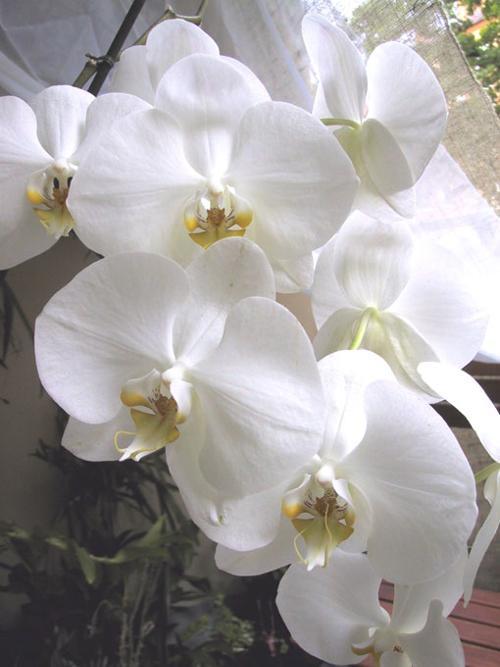
- Etymology: Genus name 'Phalaenopsis' from Greek 'phalaina' (moth) and 'opsis' (appearance), describing moth-like flowers. About 60-70 Phalaenopsis species, countless hybrids. Called 'Moth Orchid' for flowers resembling moths in flight. Most popular orchid genus for home growing. Extensively hybridized for color, size, and ease of care
- Unique Characteristics: Flowers 2-6 inches (5-15 cm) across, flat, symmetrical with broad petals and sepals. Distinctive lip (labellum) often with contrasting colors or patterns. Blooms last 2-6 months on plant, individual flowers 4-12 weeks. Arching flower spikes 12-36 inches (30-90 cm) long with 5-20+ flowers. Monopodial growth (single upward stem). Thick, silvery-green aerial roots. No pseudobulbs. Can rebloom from old spikes. Produces keikis (plantlets) for easy propagation
- Plant Type & Blooming: Epiphytic evergreen perennial orchid. Blooms any time of year, most commonly winter-spring (December-May). Triggered by temperature drop (55-60°F/13-16°C nights for 4-6 weeks). Flowers last 2-6 months. Can bloom 1-2 times per year. Some varieties bloom continuously. Reblooms from nodes on old spikes if cut above node
- Size, Lifespan & Propagation: Height: 6-12 inches (15-30 cm) foliage, flower spikes 12-36 inches (30-90 cm). Miniatures: 4-8 inches (10-20 cm). Spread: 8-12 inches (20-30 cm). Lifespan: 10-20+ years, some decades. Propagation: keikis (plantlets on spikes or nodes), division (rare), tissue culture. Slow to moderate growth. First bloom 2-3 years from keiki, 3-5 years from seedling
- Native Region & Distribution: Native to Southeast Asia including Philippines, Indonesia, Taiwan, Malaysia, southern China, India, and northern Australia. Grows in tropical and subtropical rainforests at elevations sea level to 4,000 feet (1,200 m). Found epiphytically on tree branches in shaded, humid forest understory. Some species lithophytic (growing on rocks)
- Climate & Growing Conditions: Thrives in bright indirect light (1,000-2,000 foot-candles), east or west window ideal. No direct sun (burns leaves). Warm temperatures: 70-80°F (21-27°C) days, 60-65°F (15-18°C) nights. Humidity: 50-70%. Water when bark mix nearly dry (every 7-10 days), avoid overwatering. Grow in coarse bark mix in clear pots (monitor roots). Fertilize weekly with diluted orchid fertilizer. Needs temperature drop (55-60°F/13-16°C nights) for 4-6 weeks to trigger blooming. Very adaptable to home conditions
Names in Different Languages
What is Floral Formula?
A floral formula is a symbolic representation of a flower's structure using letters, numbers, and special symbols. It provides a concise way to describe the arrangement and number of floral parts.
This formula describes the flower's symmetry, sepals, petals, stamens, and carpels in a standardized format.
Formula Sequence
- Bract: Br or Ebr
- Bracteole: Brl or Ebrl
- Symmetry: % (Radial) or ⊕ (Bilateral)
- Sex: ♀ (Female), ♂ (Male), or ⚥ (Bisexual)
- Calyx/Sepal: K<number> (Free or Fused)
- Corolla/Petal: C<number> (Free or Fused)
- Androecium: A<number> (Free or Fused)
- Gynaecium: G<number> (Superior or Inferior Ovary)
Symbol Meanings
- Numbers: Indicate quantity of parts
- Parentheses (): Parts are fused together
- Plus (+): Parts in different whorls
- Underline: Superior ovary position
- Overline: Inferior ovary position
- ∞: Numerous parts (too many to count)
Understanding floral formulas helps botanists quickly identify and classify flowers based on their structural characteristics.
Similar Flowers
Discover flowers that share botanical characteristics
Same Family
4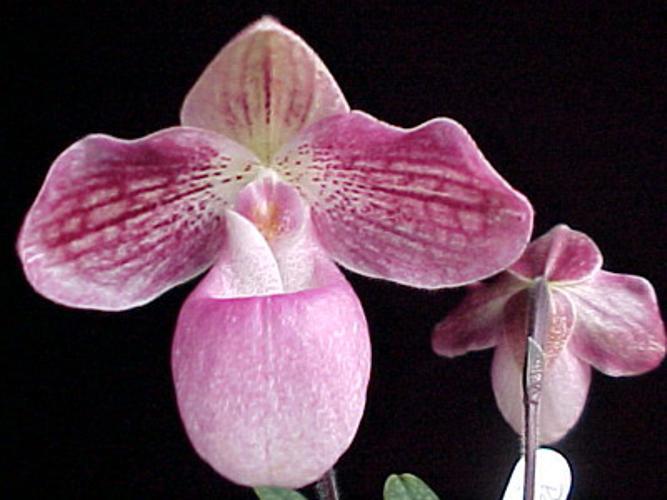
Silver Slipper Orchid
Paphiopedilum micranthum
Rare and critically endangered orchid with distinctive slipper-shaped pink pouch...
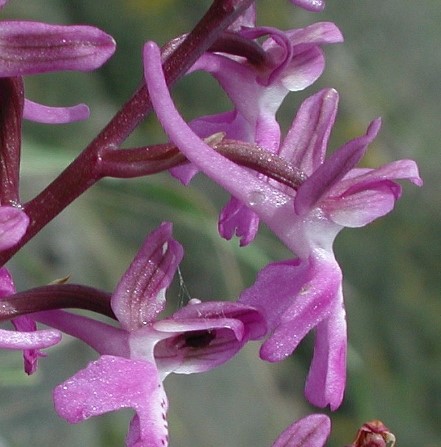
Orchis Orchid
Orchis
Classic terrestrial orchid featuring dense spikes of hooded flowers in shades of...
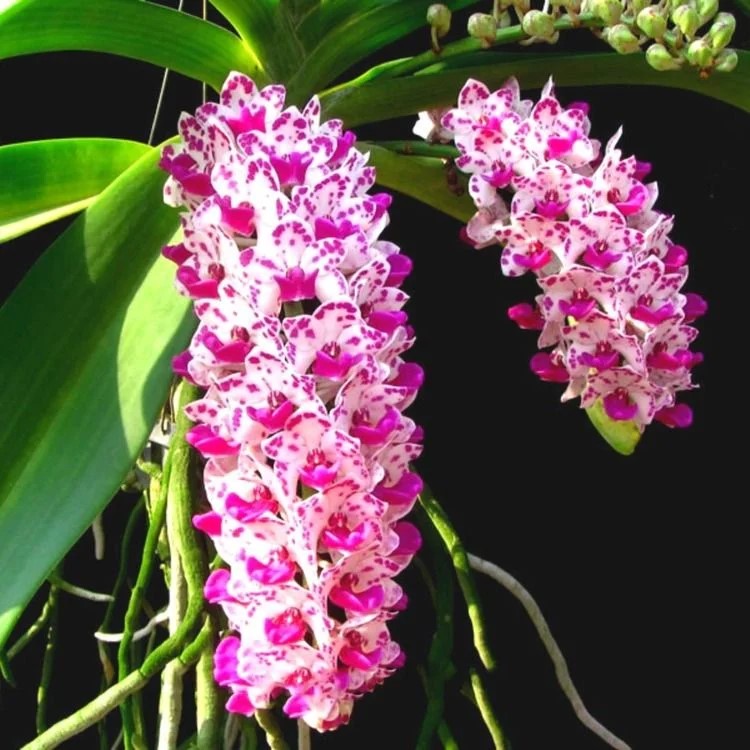
Fox Tail Orchid
Rhynchostylis
Striking epiphytic orchid with dense, cylindrical flower spikes resembling a fox...
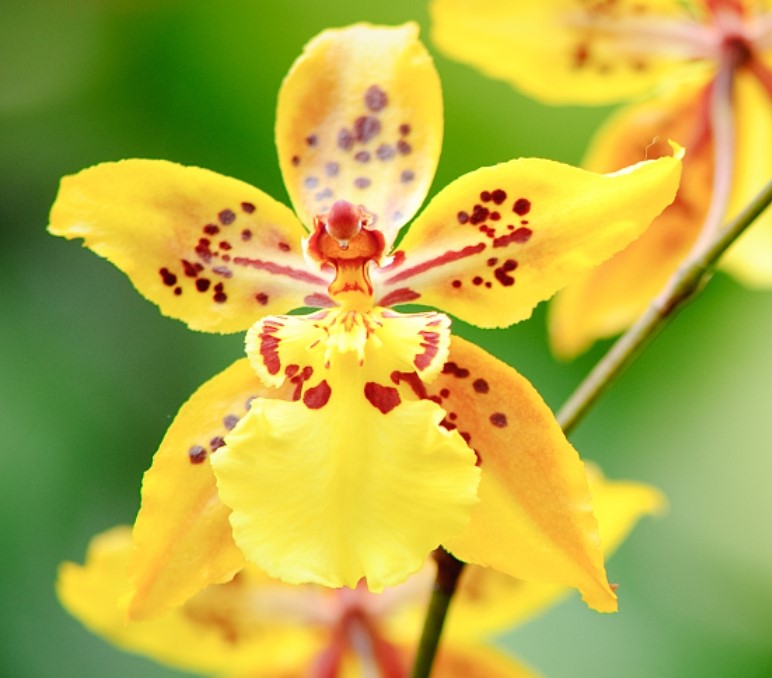
Tolumnia Orchid
Tolumnia
Charming miniature orchid featuring vibrant, intricately patterned flowers that ...
Similar Characteristics
4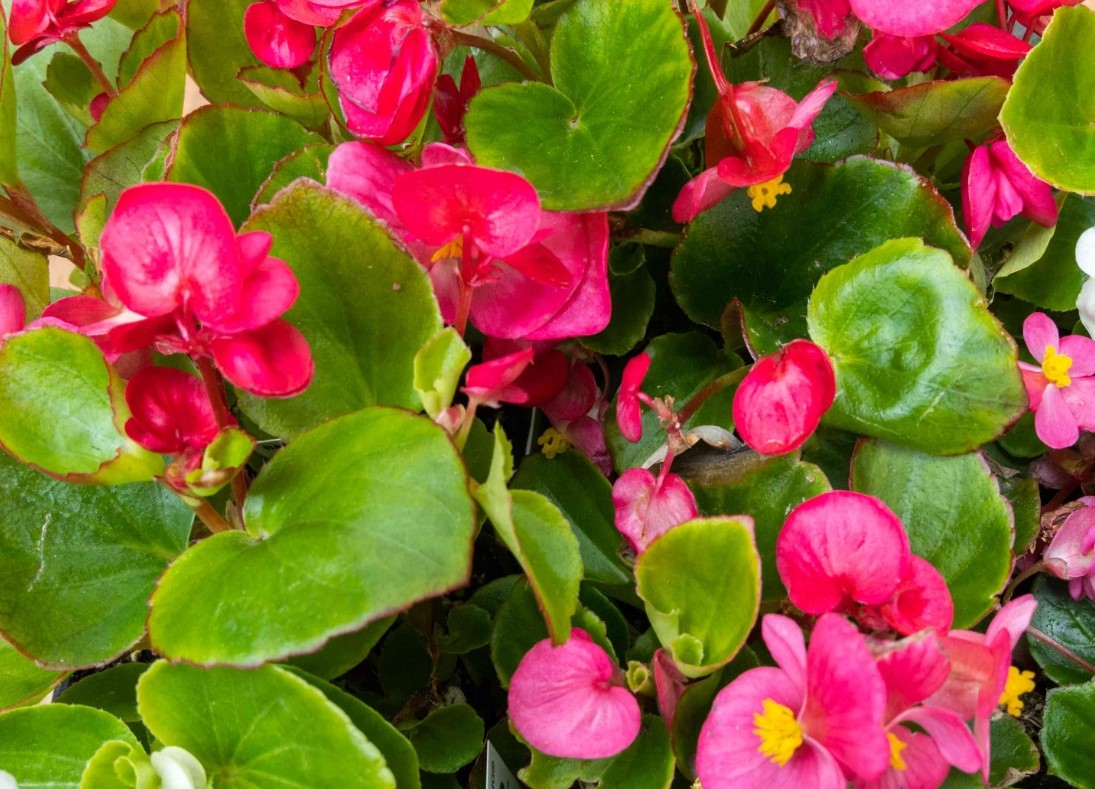
Begonia
Begonia
Versatile and diverse genus prized for both spectacular flowers and ornamental f...
Orchis Orchid
Orchis
Classic terrestrial orchid featuring dense spikes of hooded flowers in shades of...
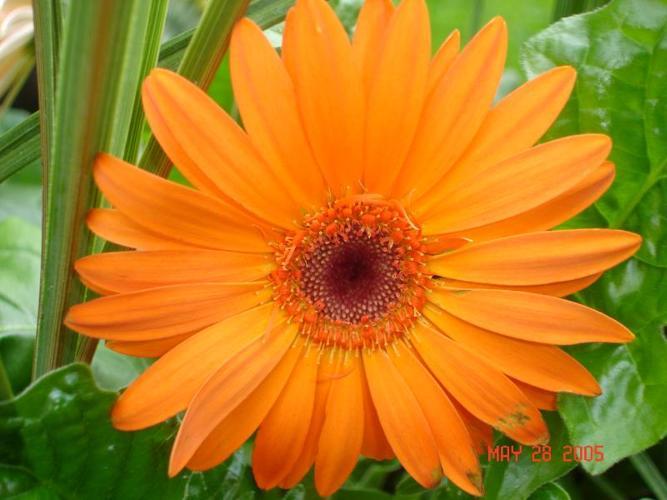
Barberton Daisy
Gerbera jamesonii
Cheerful composite flower featuring large, daisy-like blooms with vibrant ray pe...
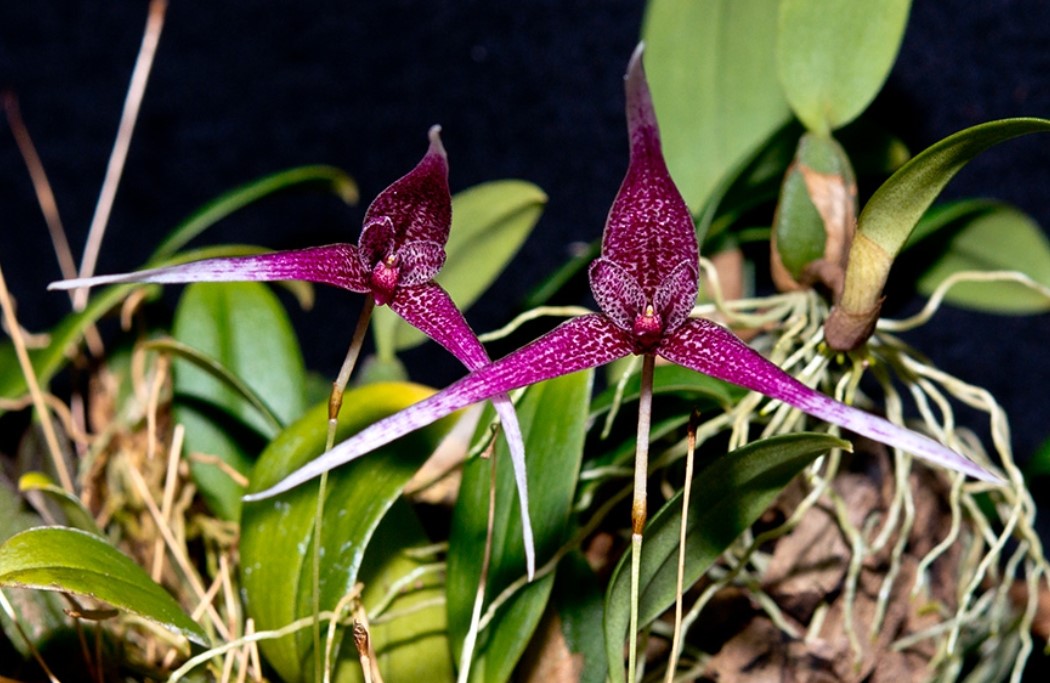
Bulbophyllum Orchid
Bulbophyllum
Fascinating and highly diverse orchid genus featuring some of the most bizarre a...