
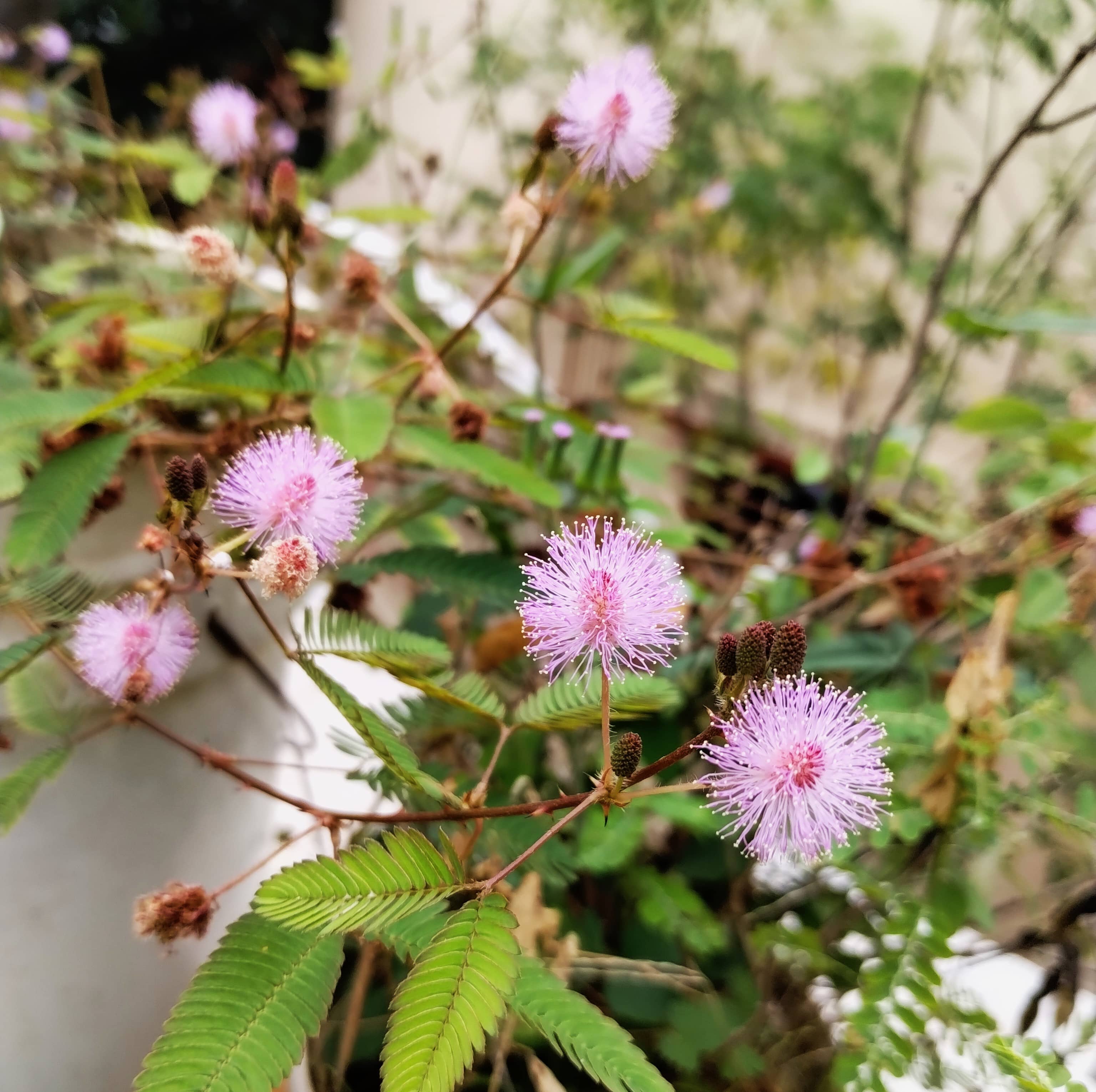
Touch Me Not
Mimosa pudica
Basic Details
Floral Formula & Features
Radially symmetrical, bisexual, 5 fused sepals, 5 fused petals, numerous (10-100+) free stamens (showy part of flower), 1 free carpel with superior ovary typical of Mimoseae
- Name 'Mimosa pudica' combines Latin 'mimus' (mimic/actor) and 'pudica' (shy/bashful), describing the plant's dramatic folding response. This thigmonastic movement is a defense mechanism against herbivores and helps reduce water loss. Plant also exhibits nyctinasty, folding leaves at night
- Small, pink to lavender pom-pom flowers measuring 0.5-1 inch across, composed of numerous thread-like stamens radiating from center. Flowers appear singly or in clusters on long stalks. Followed by flat, prickly seed pods that break into segments when mature
- Tender perennial herb with creeping, trailing stems, often grown as annual in cold climates. Blooms summer through fall. Stems have small prickles. Leaves are bipinnate (doubly compound) with 10-26 leaflets per pinna, closing when touched or at night
- Grows 6-18 inches (15-45 cm) tall with trailing stems spreading 2-3 feet. Lifespan of 1-2 years in cultivation, though can persist longer in tropical climates. Propagated easily from seed, which germinates in 7-14 days
- Native to Central and South America, particularly Brazil. Now naturalized throughout tropics and subtropics worldwide. Considered invasive weed in some regions. Found in disturbed areas, roadsides, and waste ground
- Thrives in full sun to partial shade with warm temperatures (70-85°F/21-29°C). Prefers moist, well-drained soil but tolerates various conditions. Frost-sensitive. Can be grown as houseplant or in containers
- Used in traditional Ayurvedic and Chinese medicine for wounds, inflammation, and various ailments. Contains bioactive compounds with antibacterial and anti-inflammatory properties. Popular educational plant for demonstrating plant movement and sensitivity
Names in Different Languages
What is Floral Formula?
A floral formula is a symbolic representation of a flower's structure using letters, numbers, and special symbols. It provides a concise way to describe the arrangement and number of floral parts.
This formula describes the flower's symmetry, sepals, petals, stamens, and carpels in a standardized format.
Formula Sequence
- Bract: Br or Ebr
- Bracteole: Brl or Ebrl
- Symmetry: % (Radial) or ⊕ (Bilateral)
- Sex: ♀ (Female), ♂ (Male), or ⚥ (Bisexual)
- Calyx/Sepal: K<number> (Free or Fused)
- Corolla/Petal: C<number> (Free or Fused)
- Androecium: A<number> (Free or Fused)
- Gynaecium: G<number> (Superior or Inferior Ovary)
Symbol Meanings
- Numbers: Indicate quantity of parts
- Parentheses (): Parts are fused together
- Plus (+): Parts in different whorls
- Underline: Superior ovary position
- Overline: Inferior ovary position
- ∞: Numerous parts (too many to count)
Understanding floral formulas helps botanists quickly identify and classify flowers based on their structural characteristics.
Similar Flowers
Discover flowers that share botanical characteristics
Same Family
4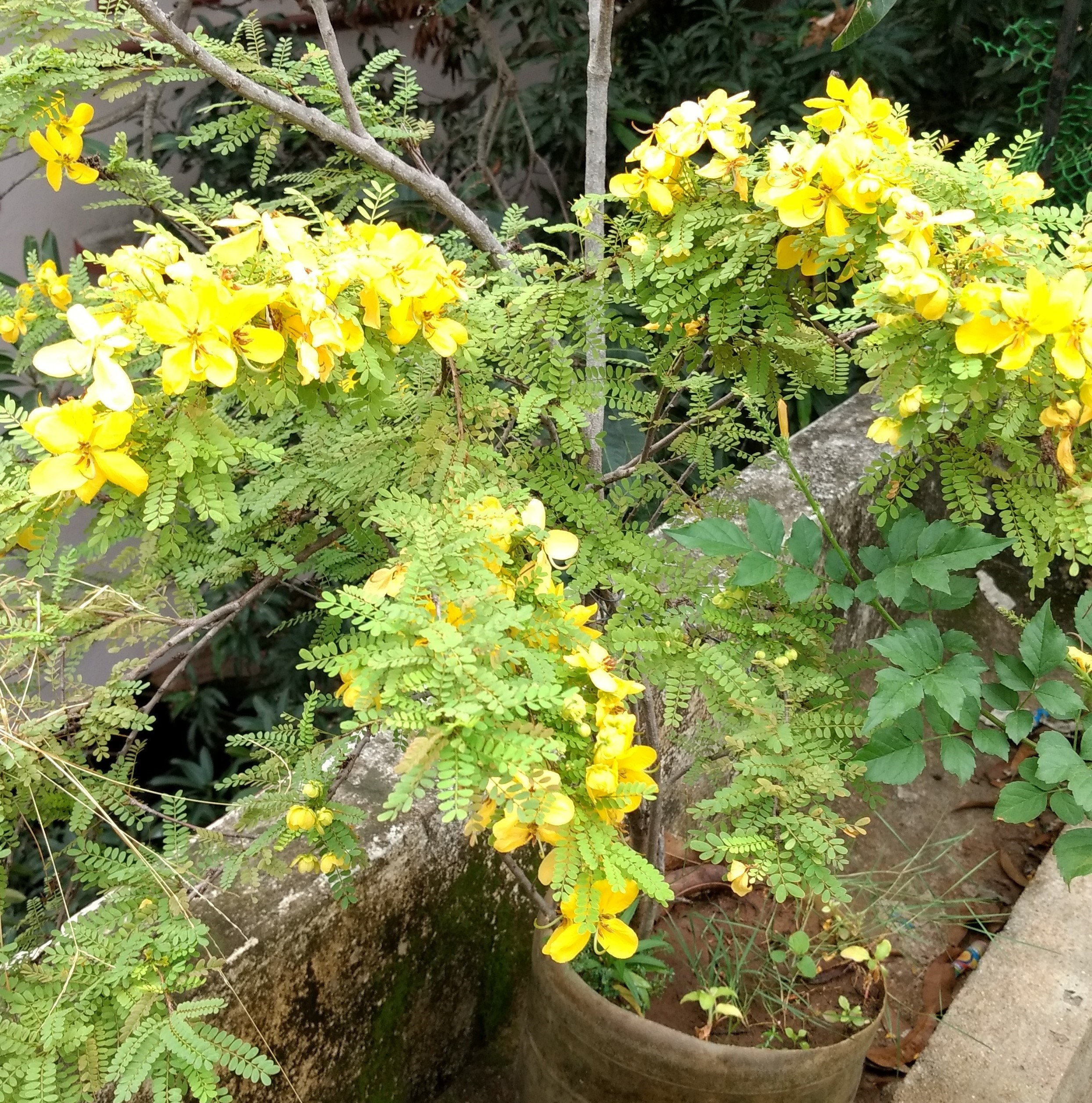
Tanner's Cassia
Senna Auriculata
Yellow color flowering plant with medicinal properties. Its bark contains the ch...
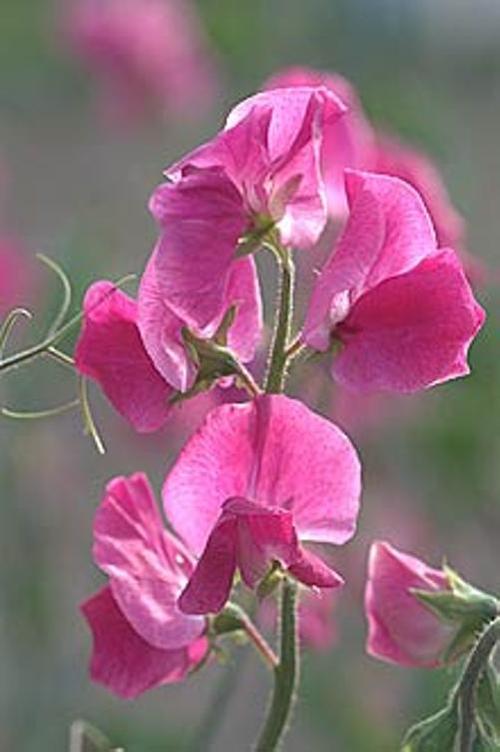
Sweet Pea
Lathyrus odoratus
Beloved fragrant annual vine with butterfly-shaped flowers in rainbow of pastel ...
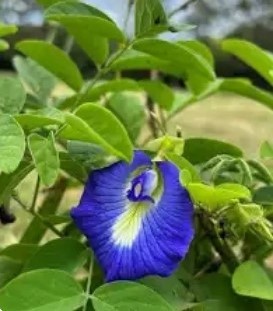
Butterfly pea
Clitoria ternatea
Striking tropical vine featuring vivid sky-blue pea-shaped flowers with distinct...
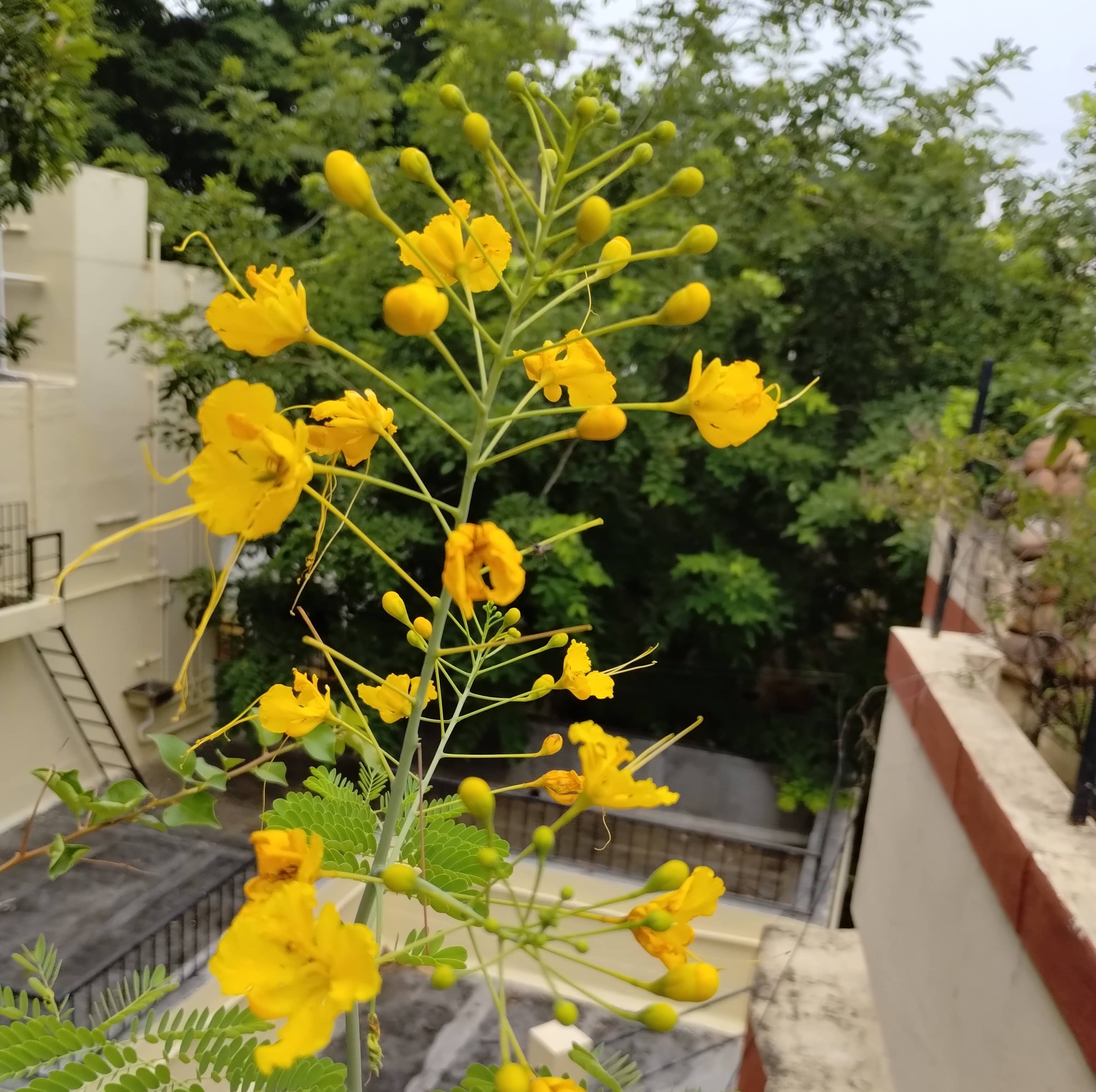
Caesalpinia
Caesalpinia pulcherrima
Spectacular tropical shrub featuring brilliant flame-colored flower clusters wit...
Similar Characteristics
4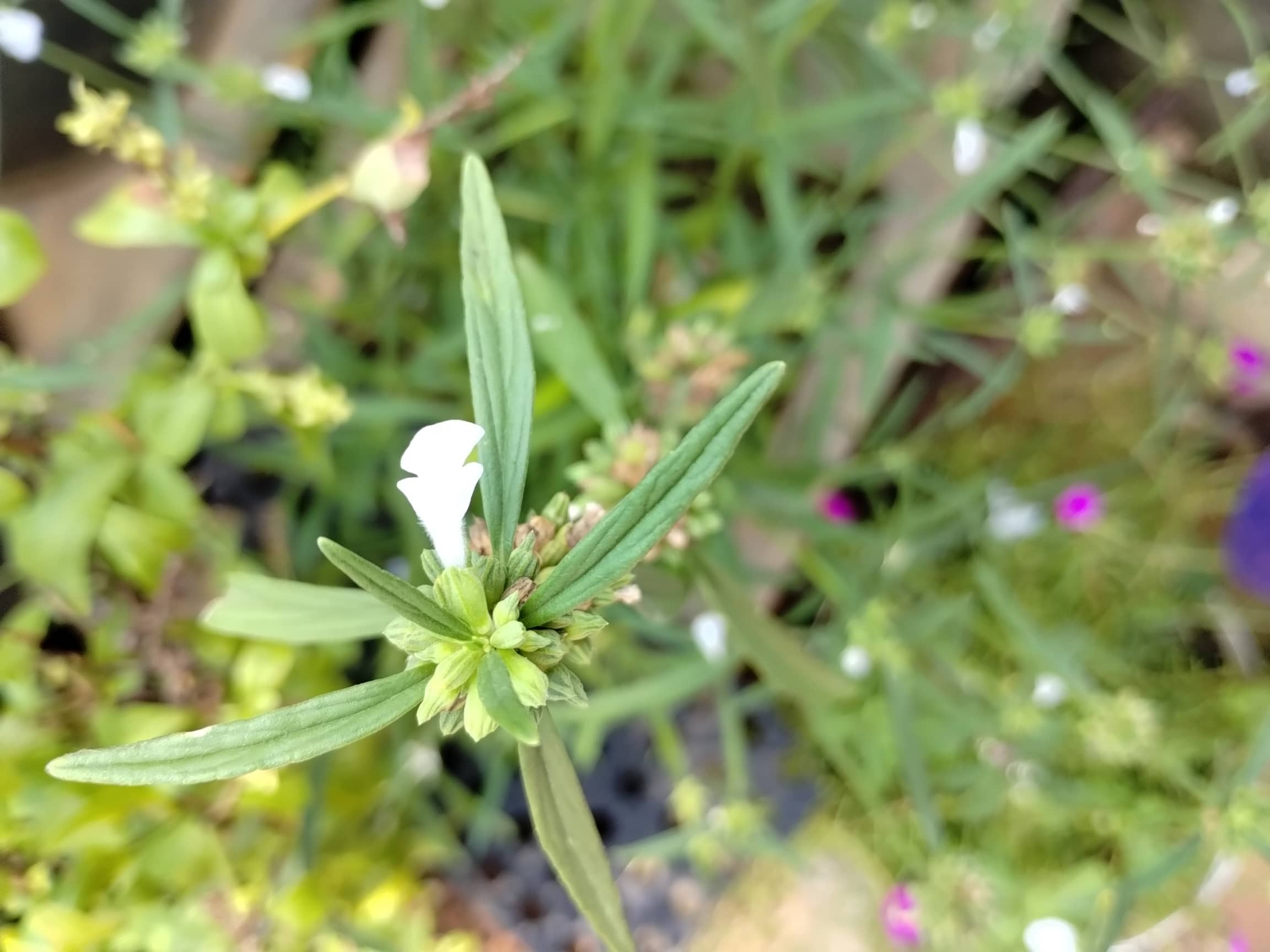
Leucas Aspera
Leucas aspera
Common medicinal herb featuring dense whorls of small, white, two-lipped flowers...
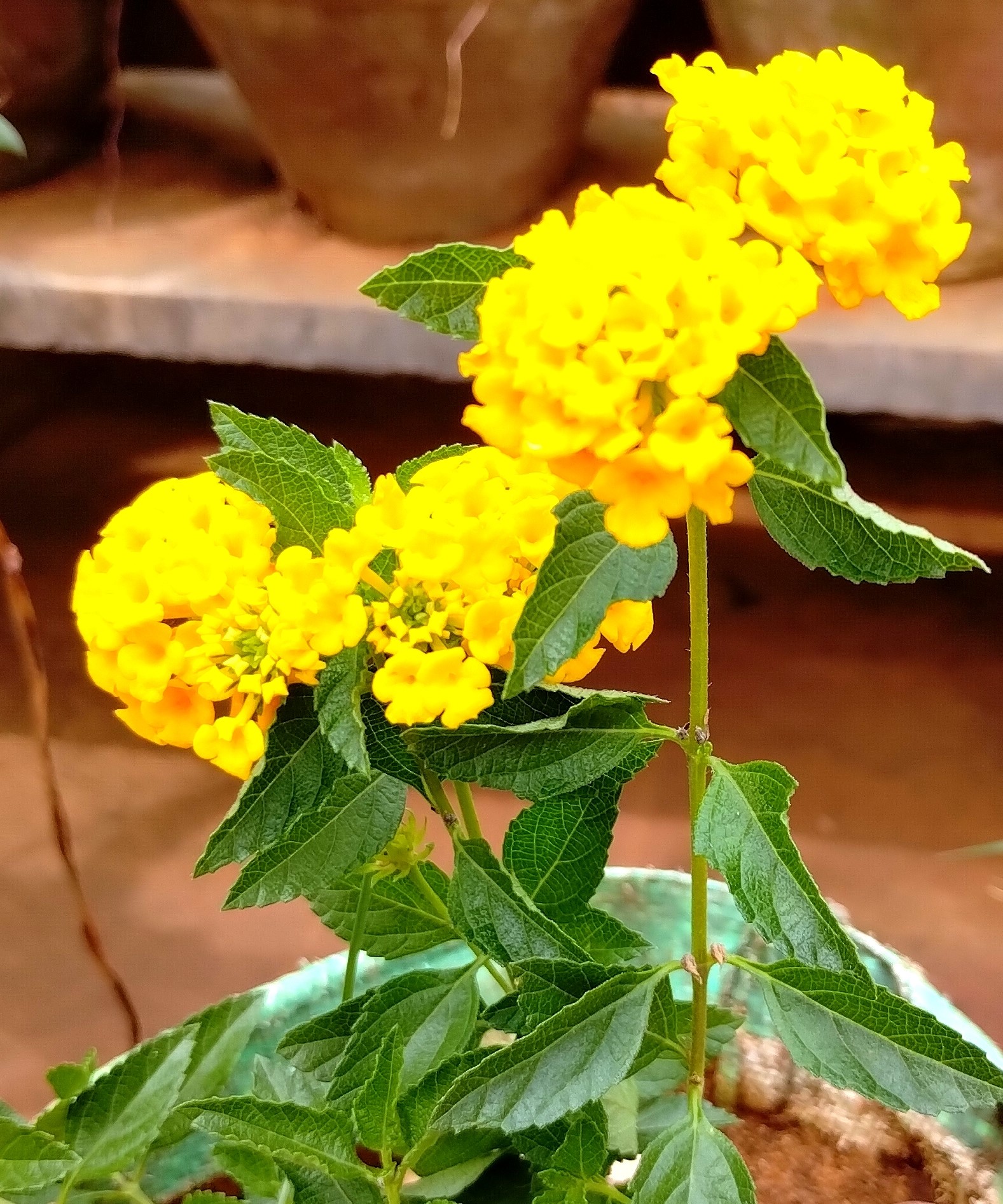
Lantana Camara
Lantana camara
Vigorous tropical shrub renowned for its dense, rounded clusters of tiny tubular...
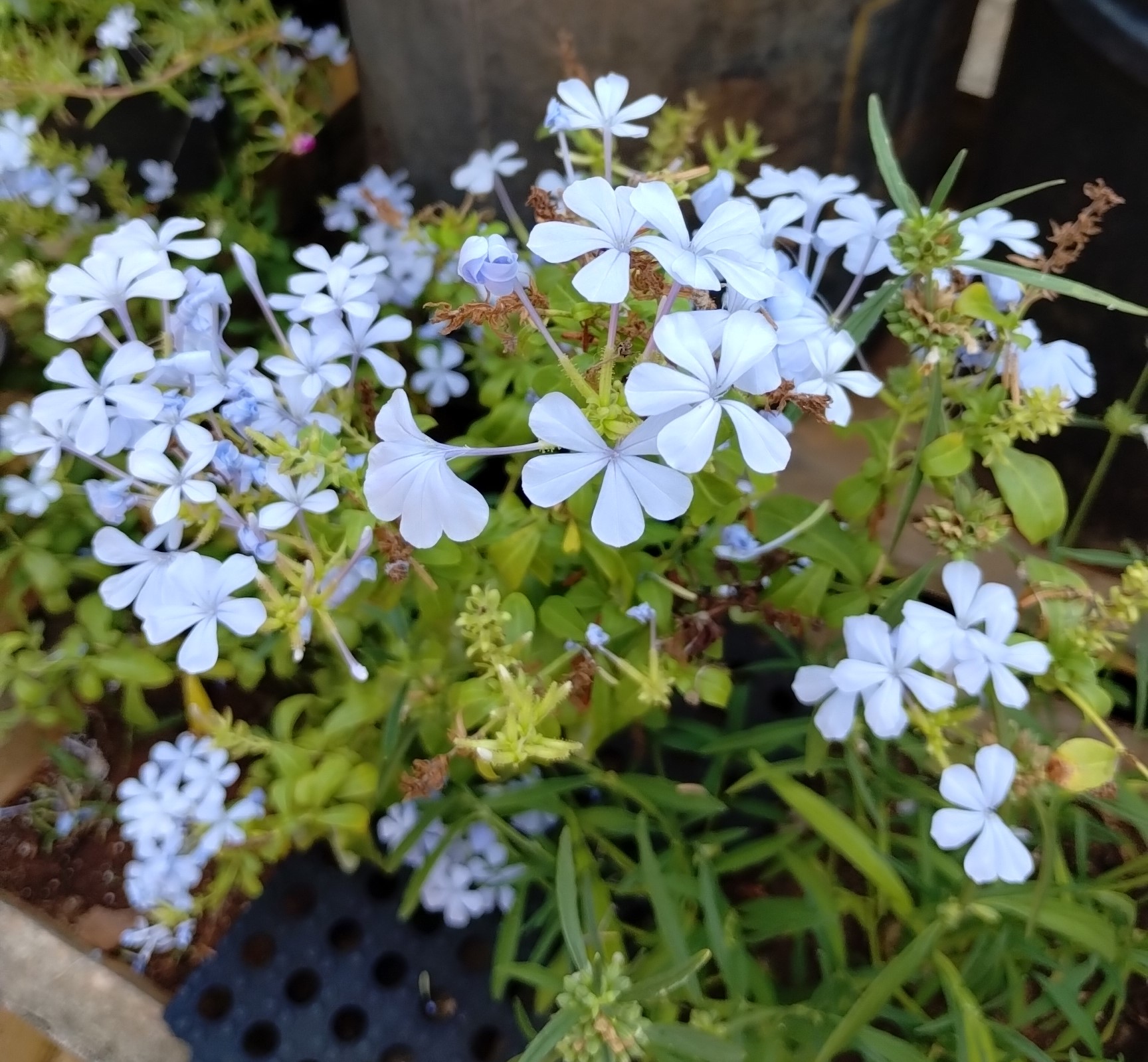
Leadwort
Plumbago auriculata
Vigorous evergreen to semi-evergreen shrub featuring abundant clusters of delica...
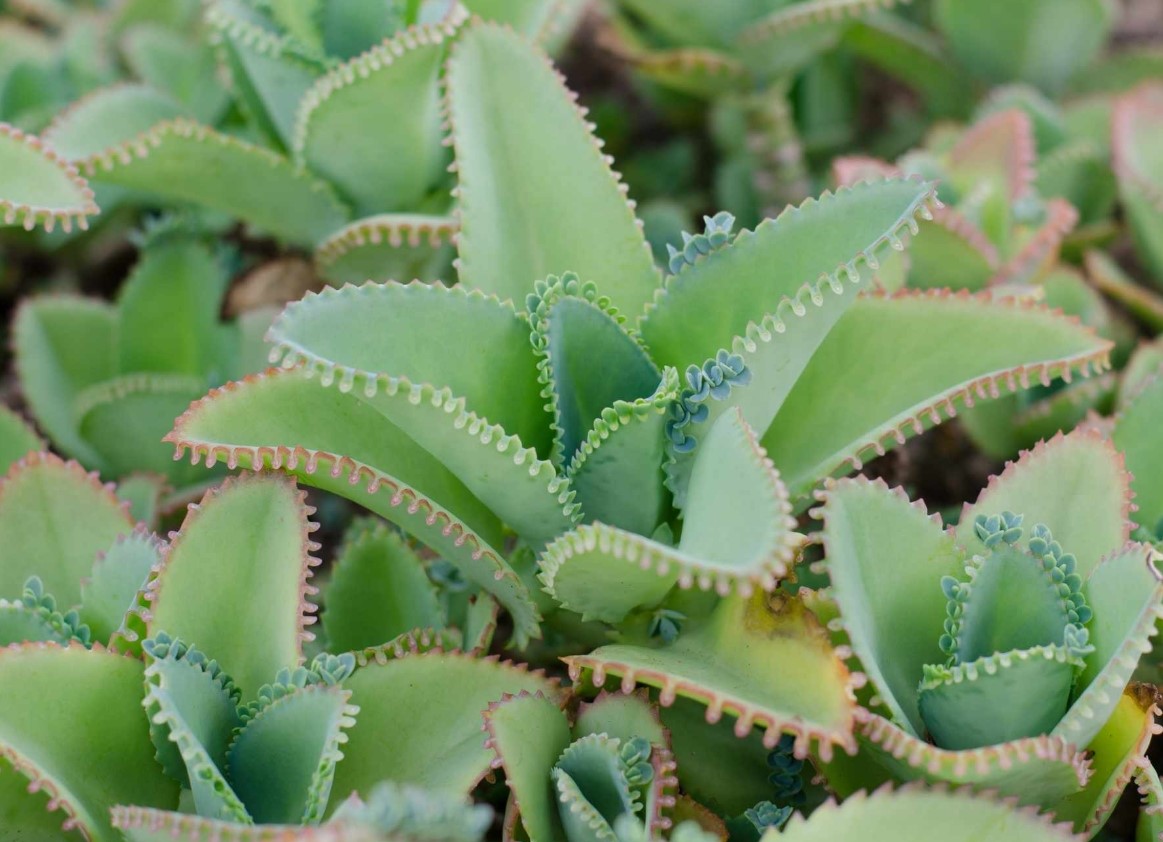
Kalanchoe
Kalanchoe
Popular flowering succulent native to Madagascar and tropical Africa, beloved as...