
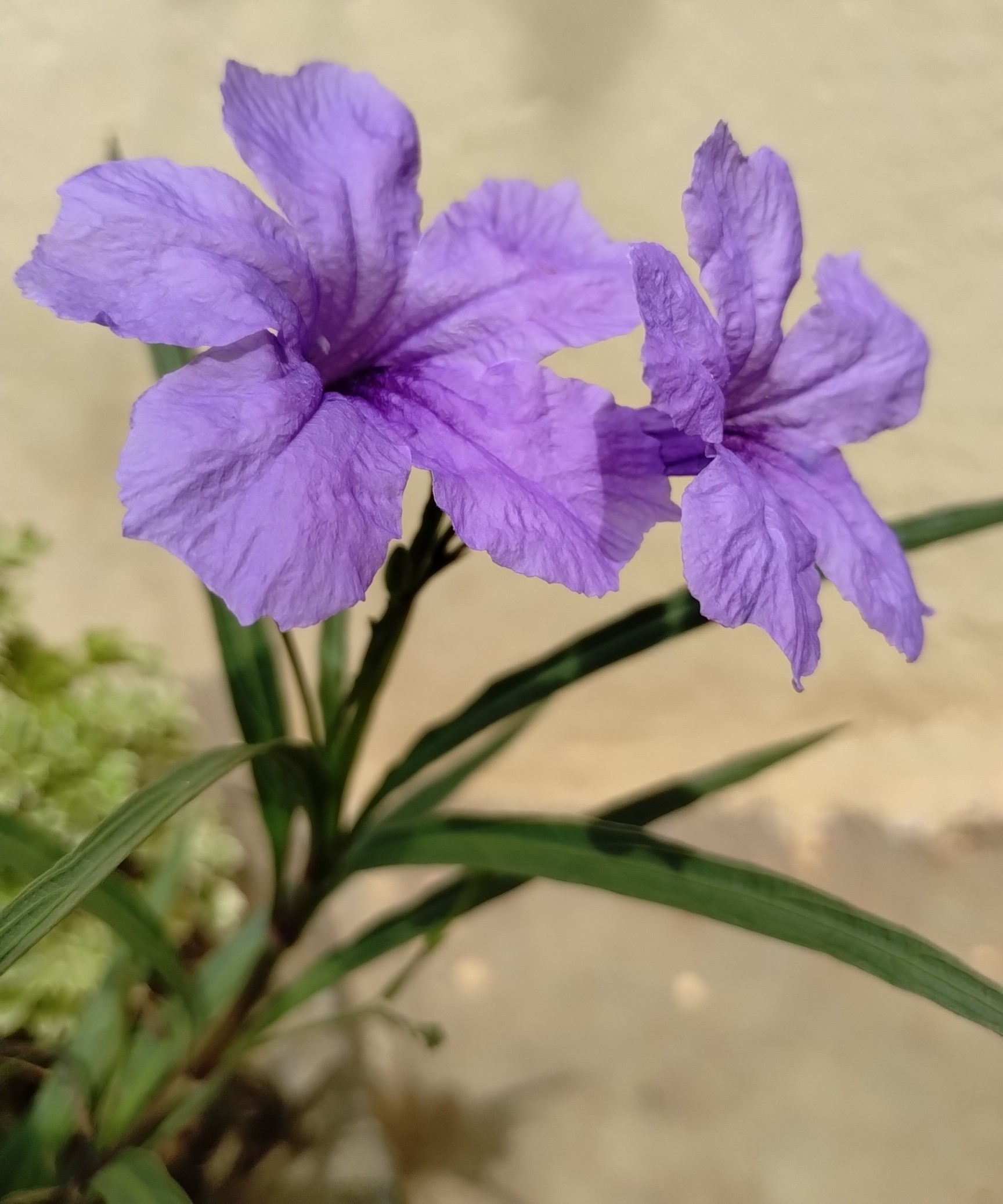
Mexican Petunia
Ruellia simplex
Basic Details
Floral Formula & Features
Ebracteate, radially symmetrical (actinomorphic), bisexual, 5 fused sepals forming tube, 5 fused petals forming trumpet with 5 lobes, 4 stamens (didynamous - 2 long, 2 short) attached to petal tube (epipetalous), 2 fused carpels with superior ovary. Characteristic of Acanthaceae family
- Named for resemblance to Petunia flowers, though unrelated (different families). 'Ruellia' honors French herbalist Jean Ruelle. 'Simplex' means simple or unbranched. Not true petunia. Also called Mexican Bluebell. About 250 Ruellia species. Considered invasive weed in Florida, Texas, and other warm regions
- Flowers 1.5-2 inches (4-5 cm) long, trumpet or funnel-shaped with 5 flared petals. Colors include purple-blue (most common), violet, pink, or white. Crinkled, papery texture. Each flower lasts single day, opening morning, dropping by evening. Blooms continuously summer through fall (June-November). Prolific bloomer
- Herbaceous perennial in warm climates, annual in cold areas. Upright stems with narrow, lance-shaped leaves 6-12 inches long. Spreads aggressively through underground rhizomes and abundant self-seeding. Forms dense colonies. Evergreen in frost-free areas. Dies back with frost but regrows from roots. Extremely vigorous, difficult to control
- Grows 3-4 feet (90-120 cm) tall, occasionally to 5 feet. Spreads indefinitely through rhizomes if not contained. Lifespan of many years as perennial. Propagated from seed, cuttings, or division. Seeds germinate readily. Grows rapidly, establishing quickly. Can spread several feet per year
- Native to Mexico, Caribbean, Central America, and South America. Found in wet areas, stream banks, ditches, and disturbed sites. Now naturalized throughout southern United States, Southeast Asia, Australia. Escaped cultivation widely. Thrives in tropical and subtropical climates. Invasive in many warm regions
- Thrives in full sun to partial shade (tolerates more shade than most). Prefers consistently moist to wet soil - excellent for boggy areas and pond edges. Tolerates standing water. Heat and humidity tolerant. Hardy zones 8-11 as perennial, grown as annual in colder zones. Extremely low maintenance once established
- WARNING: Invasive in warm climates - check local regulations before planting. Banned in some areas. Spreads aggressively, difficult to eradicate. Contains rhizomes deep in soil. Self-seeds prolifically. Can escape gardens and invade natural areas. Displaces native plants. Use only in containers or controlled settings in warm regions
- Attracts hummingbirds, butterflies, and bees. Provides nectar summer through fall. Deer and rabbit resistant. Tolerates wet soil where other flowers fail. Good for rain gardens and water features if contained. Despite invasiveness, valued for wildlife attraction and ability to thrive in challenging wet conditions
Names in Different Languages
What is Floral Formula?
A floral formula is a symbolic representation of a flower's structure using letters, numbers, and special symbols. It provides a concise way to describe the arrangement and number of floral parts.
This formula describes the flower's symmetry, sepals, petals, stamens, and carpels in a standardized format.
Formula Sequence
- Bract: Br or Ebr
- Bracteole: Brl or Ebrl
- Symmetry: % (Radial) or ⊕ (Bilateral)
- Sex: ♀ (Female), ♂ (Male), or ⚥ (Bisexual)
- Calyx/Sepal: K<number> (Free or Fused)
- Corolla/Petal: C<number> (Free or Fused)
- Androecium: A<number> (Free or Fused)
- Gynaecium: G<number> (Superior or Inferior Ovary)
Symbol Meanings
- Numbers: Indicate quantity of parts
- Parentheses (): Parts are fused together
- Plus (+): Parts in different whorls
- Underline: Superior ovary position
- Overline: Inferior ovary position
- ∞: Numerous parts (too many to count)
Understanding floral formulas helps botanists quickly identify and classify flowers based on their structural characteristics.
Similar Flowers
Discover flowers that share botanical characteristics
Same Family
4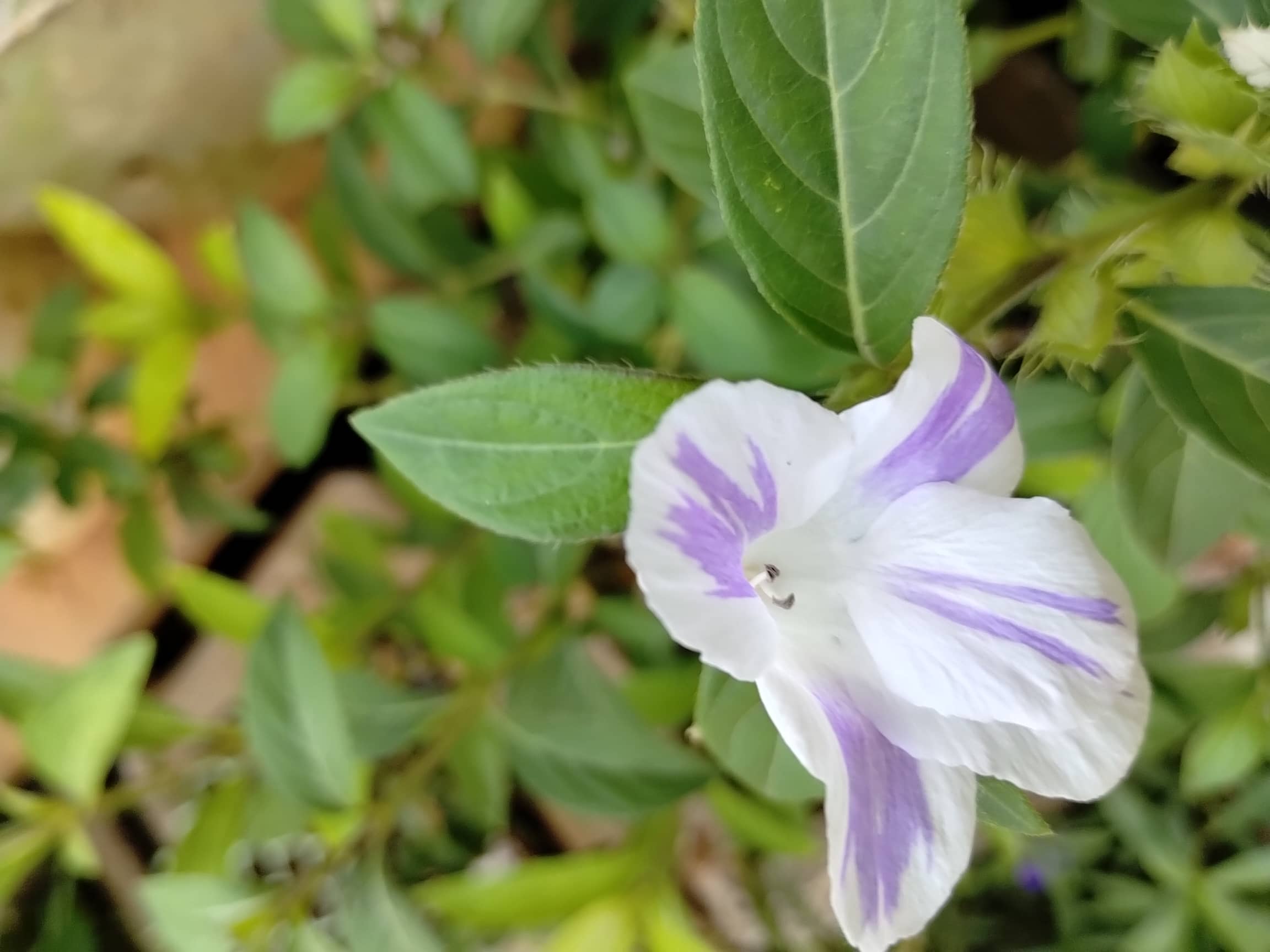
December
Barleria Cristata,Barleria prioniti
Attractive evergreen shrub featuring tubular flowers with distinctive crested or...
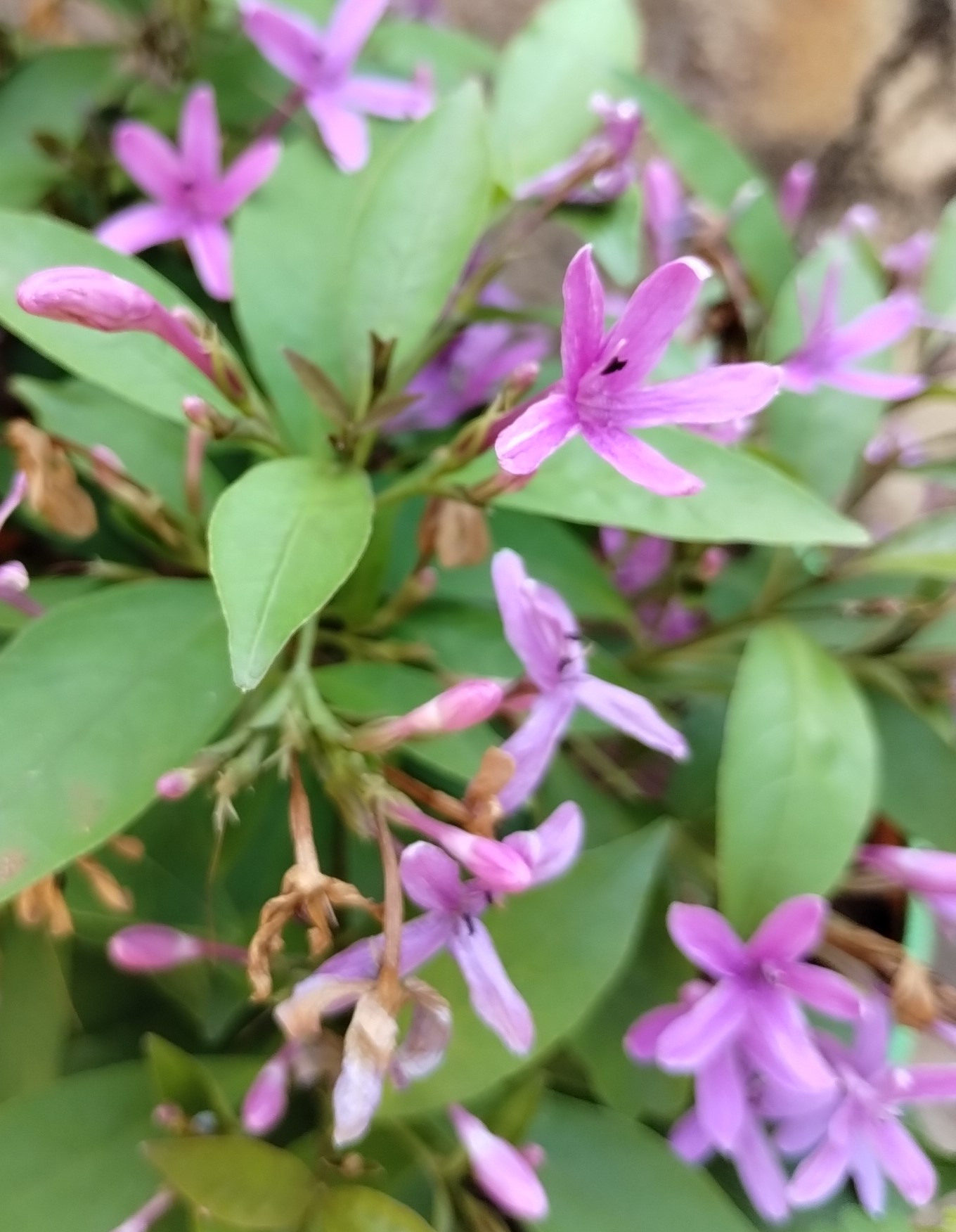
Pseuderanthemum
Pseuderanthemum
Striking tropical perennial shrub prized for its spectacular ornamental foliage ...
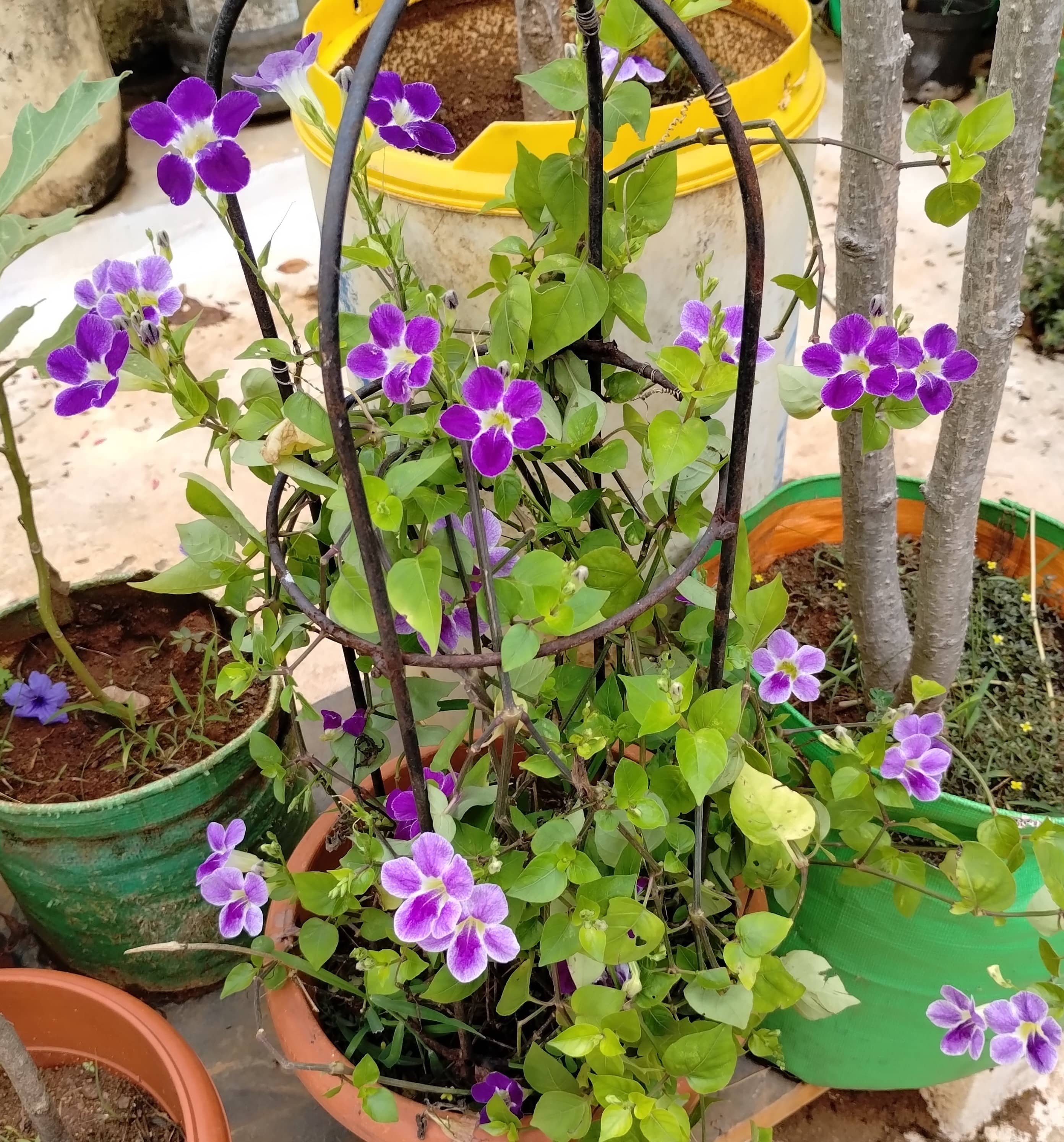
Thunbergia Bush Clock Vine
Thunbergia erecta
Versatile tropical plant producing stunning trumpet-shaped flowers in shades of ...
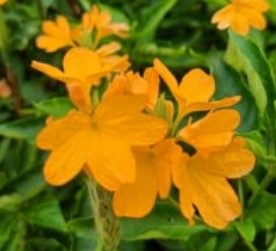
Crossandra Firecracker
Crossandra infundibuliformis
Attractive evergreen shrub featuring distinctive fan-shaped flowers in vibrant s...
Similar Characteristics
4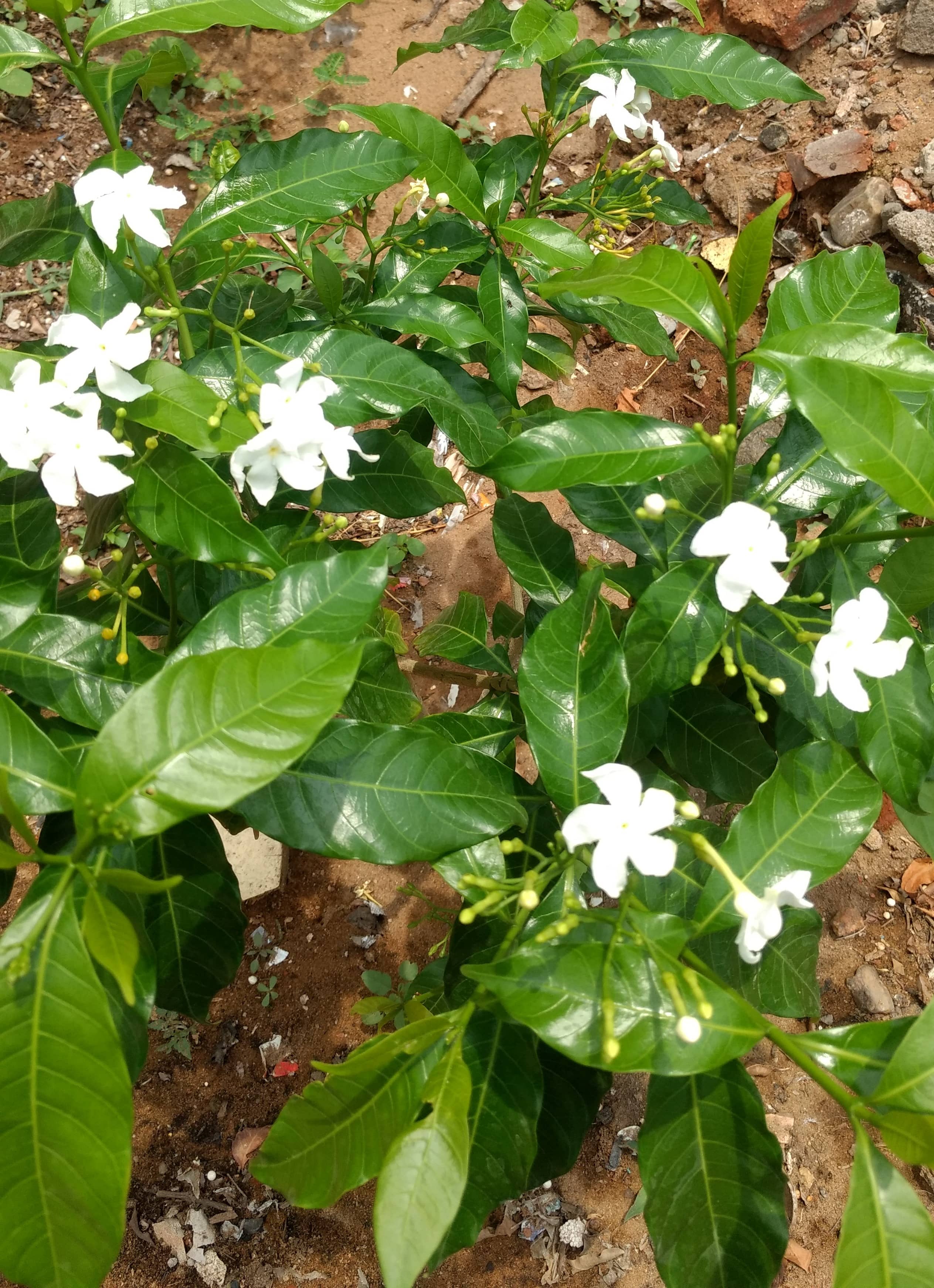
Pinwheel
Tabernaemontana divaricata
Elegant evergreen shrub with distinctive white flowers featuring five waxy petal...
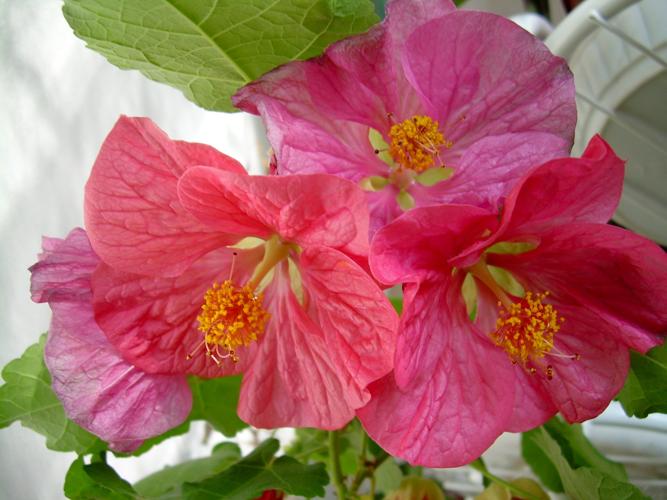
Mallow
Malva
Versatile medicinal herb with delicate cup-shaped flowers in pink, purple, or wh...
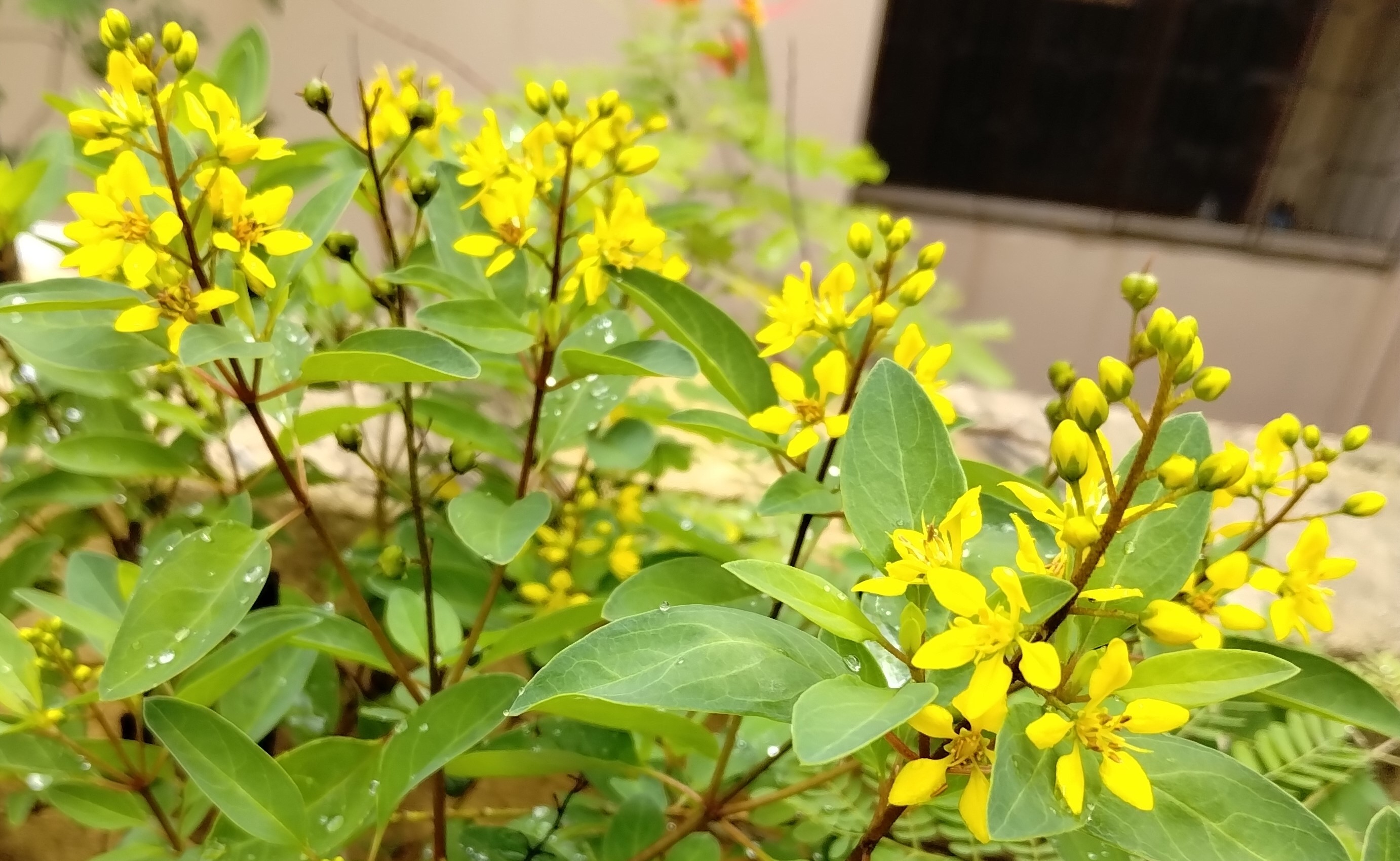
Golden Thryallis
Galphimia gracilis
Delightful evergreen shrub featuring abundant sprays of small, bright golden-yel...
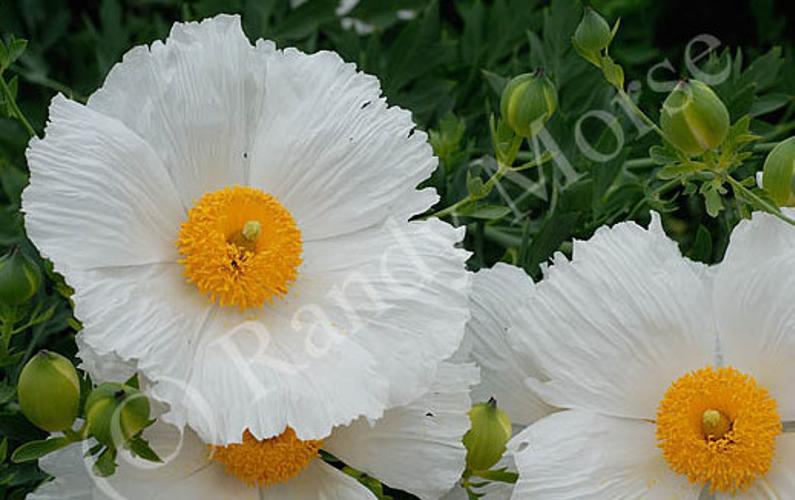
Tree Poppy
Dendromecon
Rare California native evergreen shrub producing abundant satiny, golden-yellow ...