
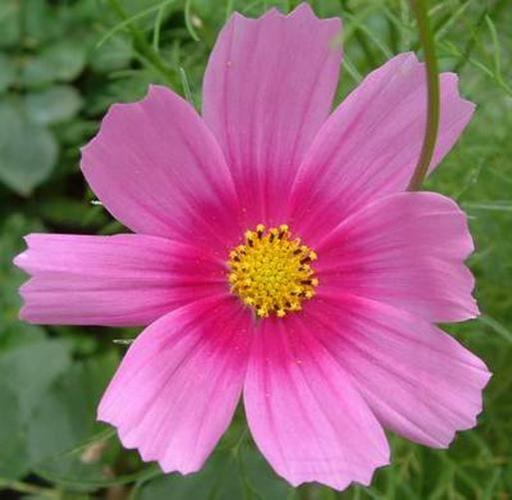
Mexican Aster
Cosmos bipinnatus
Basic Details
Floral Formula & Features
Ebracteate, radially symmetrical (actinomorphic), bisexual, calyx modified into pappus (bristles or scales), 5 fused petals forming ray florets (outer) or disc florets (center), 5 stamens with fused anthers forming tube (syngenesious), 2 fused carpels with inferior ovary. Composite flower head (capitulum) typical of Asteraceae
- Name 'Cosmos' from Greek 'kosmos' meaning harmony, order, or universe, for orderly arrangement of petals. 'Aster' from Greek for star, describing flower shape. Spanish priests in Mexico named it for harmonious petal arrangement. About 35 Cosmos species. Introduced to Europe in 18th century from Mexico
- Flowers 2-4 inches (5-10 cm) across with 8 broad ray petals surrounding yellow disc florets. Colors include pink, white, magenta, purple, red, and bicolors. Single or semi-double forms. Blooms summer through frost (June-November). Each flower lasts 5-7 days. Continuous blooming. Excellent cut flowers lasting 7-10 days in vase
- Tender annual with upright, branching stems. Foliage finely divided, thread-like, feathery appearance creating airy texture. Bright green leaves. Fast-growing from seed. Self-sows prolifically. Stems can be weak - may need staking in windy areas. Dies with first frost. Easy to grow, tolerates neglect
- Height varies by variety: dwarf types 1-2 feet (30-60 cm), standard types 3-6 feet (90-180 cm). Spread 1-2 feet. Lifespan one growing season (annual). Propagated from seed (germinates 7-10 days). Direct sow or start indoors. Blooms 60-90 days from seed. Self-sows for next year
- Native to Mexico, Central America, and northern South America. Found in scrublands, roadsides, and disturbed areas. Now cultivated worldwide as ornamental. Naturalized in warm temperate regions. Thrives in areas with hot summers. Grows wild in many regions after escaping cultivation
- Requires full sun (6-8 hours daily) for best flowering. Thrives in poor to average, well-drained soil - too-rich soil produces foliage over flowers. Drought tolerant once established. Heat tolerant. Avoid overwatering and fertilizing. Deadhead to prolong blooming. Zones 2-11 as annual. Prefers hot, dry conditions
- Excellent for cottage gardens, wildflower meadows, and cutting gardens. Outstanding cut flower - cut when fully open. Attracts butterflies (especially monarchs), bees, and hummingbirds. Provides late-season nectar. Seeds eaten by birds in fall. Easy care, perfect for beginners. Deer resistant
- Self-sows readily, returning year after year. Airy texture softens garden borders. Tall varieties make good temporary screens. Symbolizes order, harmony, and peace. Popular in cottage and informal gardens. Can become weedy through self-seeding. Taller varieties may need support in windy locations
Names in Different Languages
What is Floral Formula?
A floral formula is a symbolic representation of a flower's structure using letters, numbers, and special symbols. It provides a concise way to describe the arrangement and number of floral parts.
This formula describes the flower's symmetry, sepals, petals, stamens, and carpels in a standardized format.
Formula Sequence
- Bract: Br or Ebr
- Bracteole: Brl or Ebrl
- Symmetry: % (Radial) or ⊕ (Bilateral)
- Sex: ♀ (Female), ♂ (Male), or ⚥ (Bisexual)
- Calyx/Sepal: K<number> (Free or Fused)
- Corolla/Petal: C<number> (Free or Fused)
- Androecium: A<number> (Free or Fused)
- Gynaecium: G<number> (Superior or Inferior Ovary)
Symbol Meanings
- Numbers: Indicate quantity of parts
- Parentheses (): Parts are fused together
- Plus (+): Parts in different whorls
- Underline: Superior ovary position
- Overline: Inferior ovary position
- ∞: Numerous parts (too many to count)
Understanding floral formulas helps botanists quickly identify and classify flowers based on their structural characteristics.
Similar Flowers
Discover flowers that share botanical characteristics
Same Family
4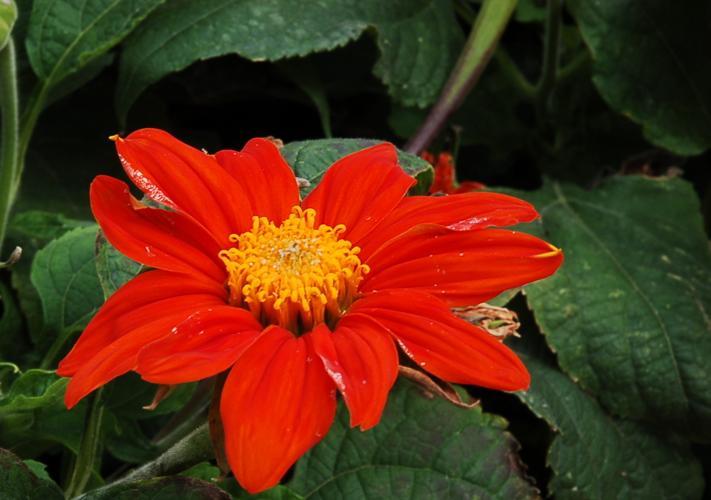
Orange Dahlia
Dahlia × hortensis
Showy tuberous perennial with vibrant orange blooms ranging from bright tangerin...
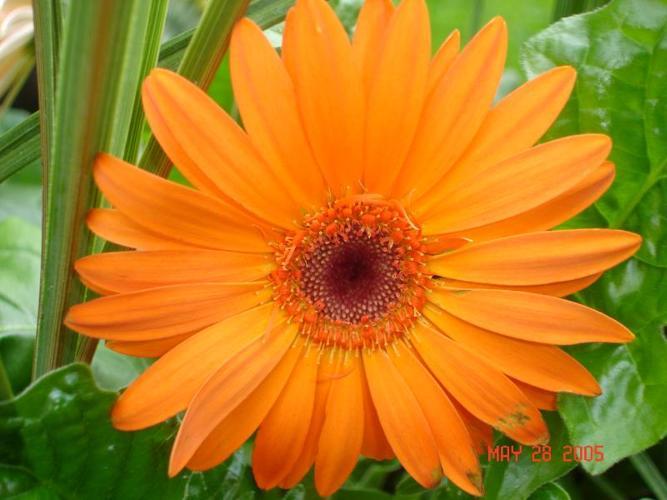
Barberton Daisy
Gerbera jamesonii
Cheerful composite flower featuring large, daisy-like blooms with vibrant ray pe...
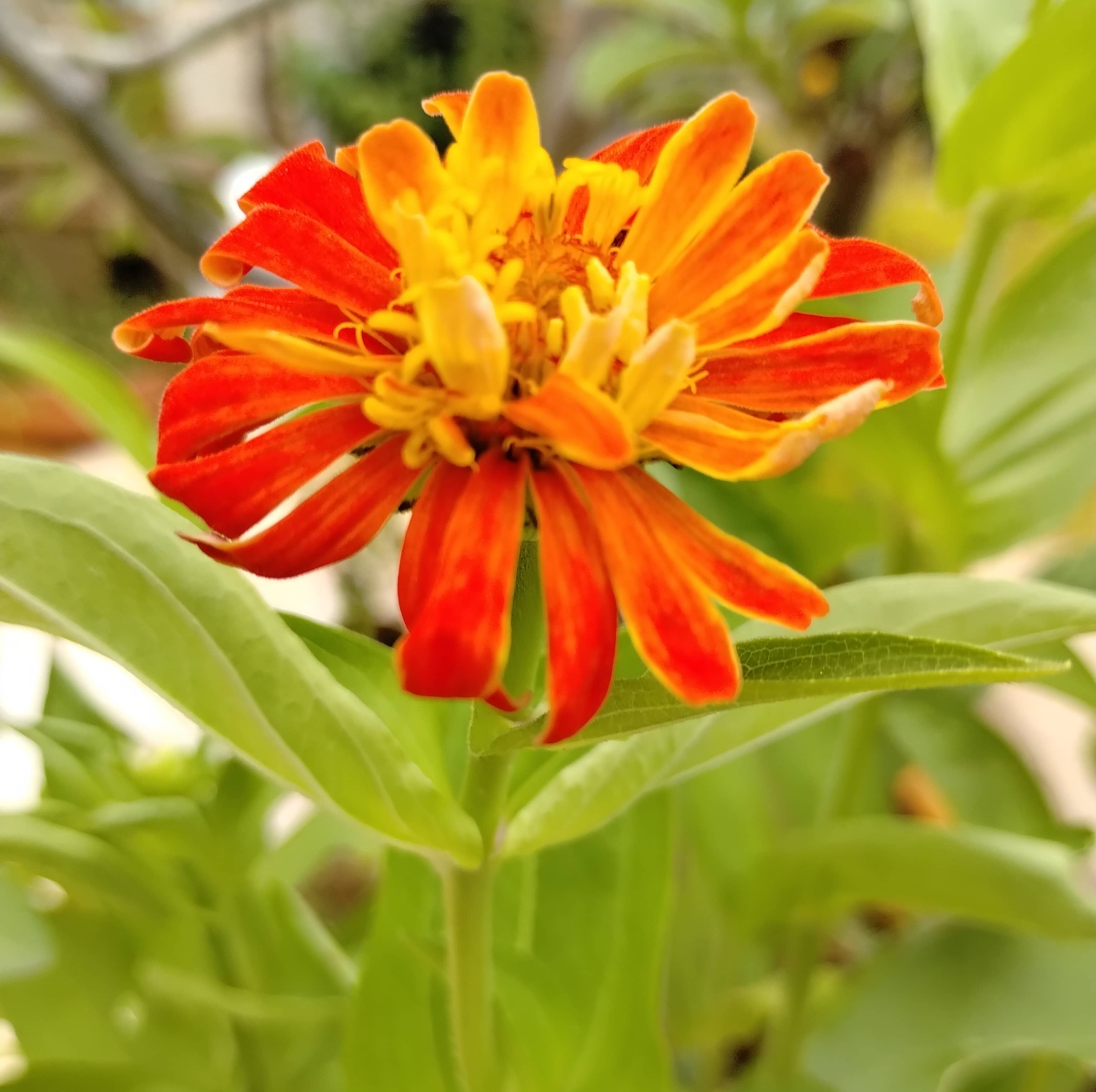
Zinnia
Zinnia
They belong to the same family as Daisy. Zinnia have a stunning range of shapes ...
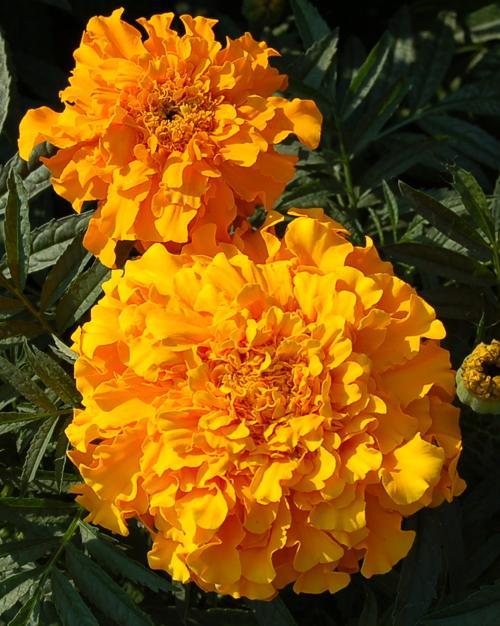
Marigold
Tagetes erecta
Cheerful annual producing masses of vibrant flowers in yellow, orange, gold, mah...
Similar Characteristics
4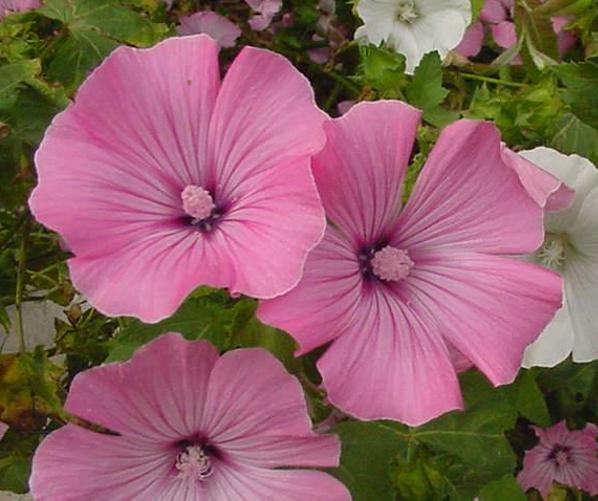
Tree Mallow
Malva arborea
Robust biennial or short-lived perennial forming a woody-based shrub covered in ...
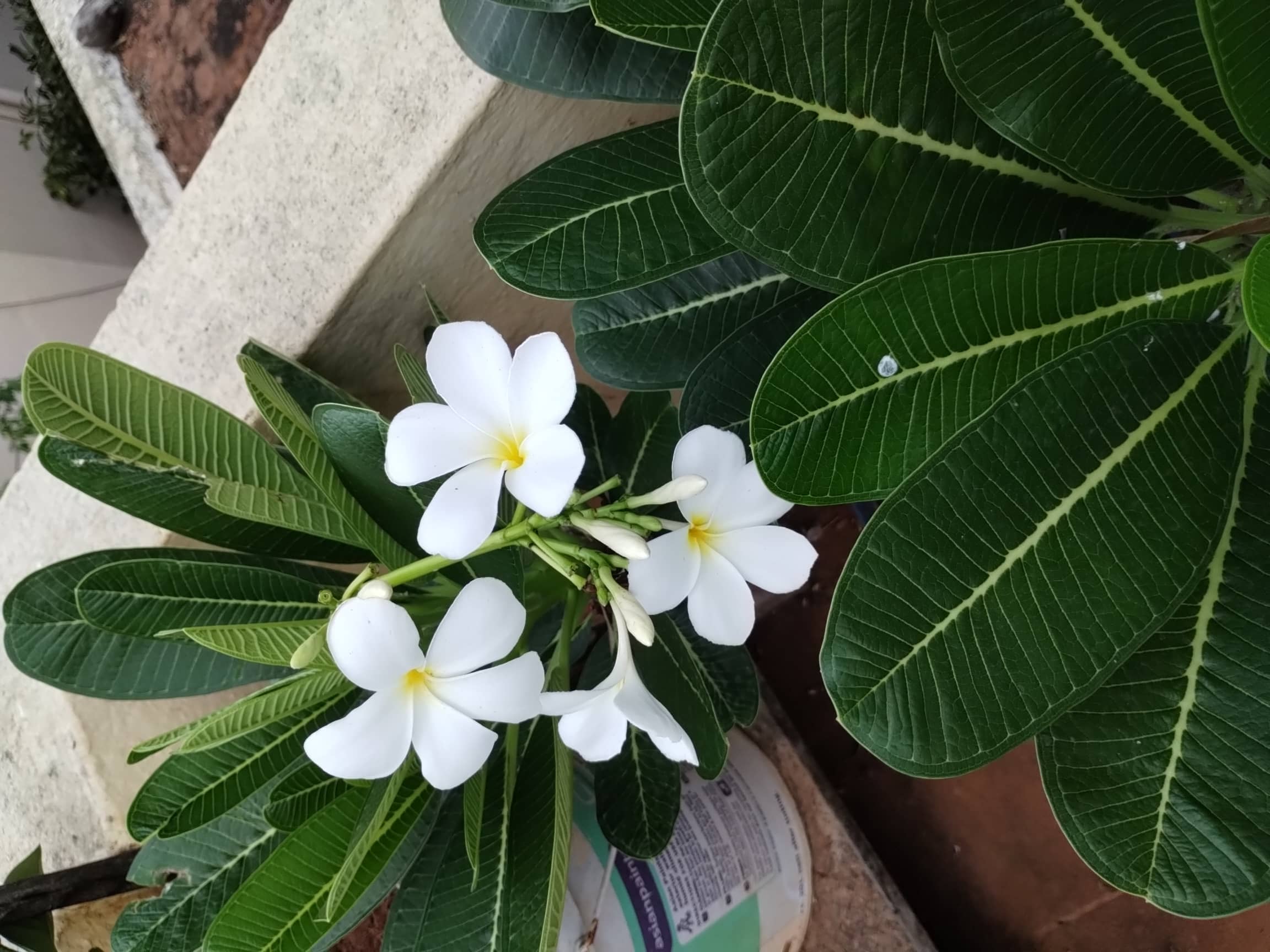
Plumeria
Plumeria Rubra
Iconic tropical tree with intensely fragrant waxy flowers in white, pink, red, y...
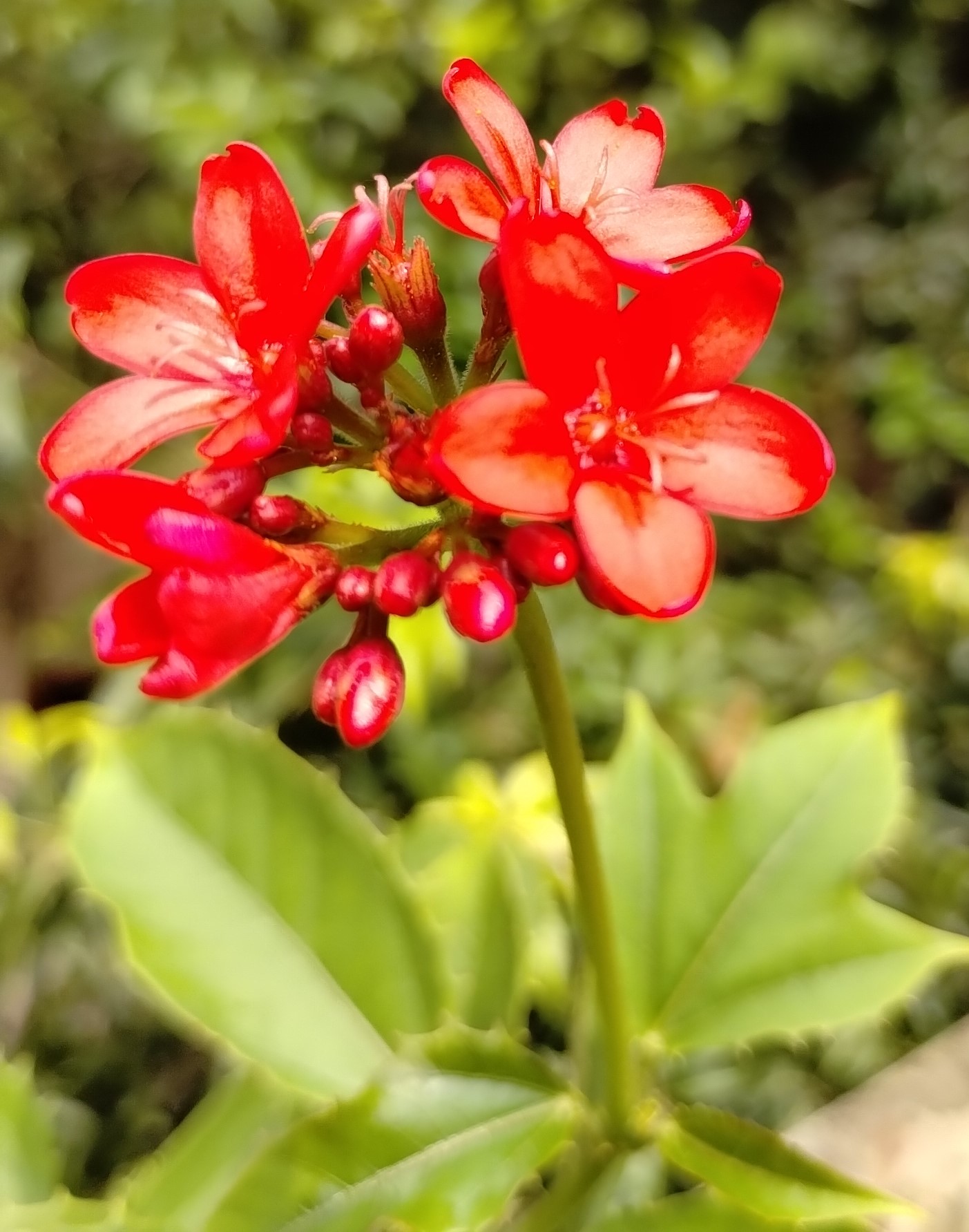
Jatropha
Jatropha Curcas
Versatile tropical shrub featuring clusters of small, star-shaped flowers in vib...
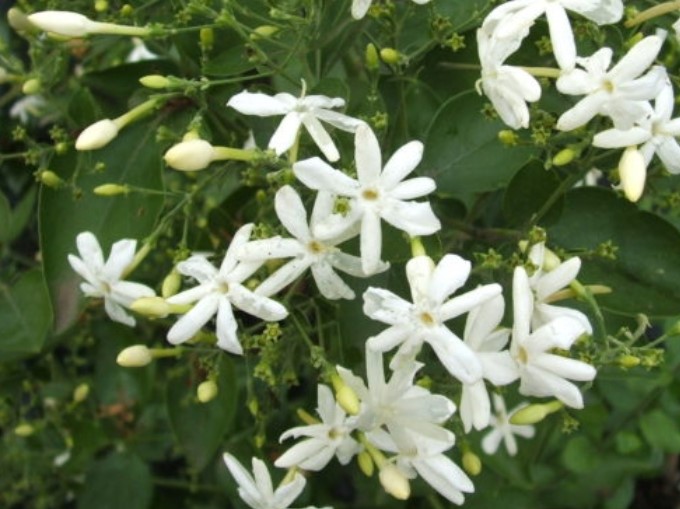
Jasminum Auriculatum
Jasminum
Fragrant evergreen climbing shrub native to Indian subcontinent, beloved for int...