
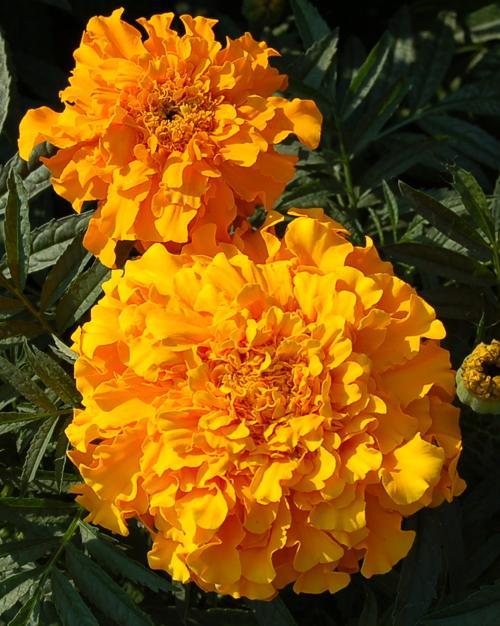
Marigold
Tagetes erecta
Basic Details
Floral Formula & Features
Ebracteate, radially symmetrical, bisexual, 5 fused sepals forming calyx, 5 fused petals forming ray florets (or disc florets in center), 5 stamens fused into tube around style (syngenesious), 2 fused carpels with inferior ovary. Composite flower head (capitulum) characteristic of Asteraceae
- Name 'Marigold' from 'Mary's gold,' honoring Virgin Mary. 'Tagetes' honors Etruscan god Tages. In Mexico called 'Cempasúchil' or 'Flor de Muerto' (Flower of the Dead), essential for Day of the Dead altars. Aztecs used medicinally and ceremonially. About 50 Tagetes species
- Flowers 1-5 inches (2.5-12 cm) across. Forms include single daisy-like, anemone-form, carnation-like doubles, or crested pom-poms. Colors from pale yellow through gold, orange, to deep mahogany-red, often bicolored. Blooms continuously late spring through frost (May-November)
- Tender annual with upright branching stems. Finely divided fern-like leaves with strong pungent scent. Fast-growing, flowering in 6-8 weeks from seed. Self-cleaning. Roots release compounds that repel nematodes and insects. Dies with first hard frost
- Size varies: French marigolds 6-12 inches (15-30 cm), African marigolds 1-3 feet (30-90 cm), signet marigolds 8-12 inches. Spread 6-18 inches. Lifespan one growing season. Propagated from seed (germinates 5-7 days). Self-sows in warm climates
- Native to Mexico, Central America, southwestern United States. Found in grasslands, roadsides, disturbed areas. Cultivated worldwide as ornamental and ceremonial flower. Naturalized in warm regions globally. Introduced to Europe by Spanish conquistadors in 16th century
- Requires full sun (6-8 hours daily) for best flowering. Thrives in heat, tolerates drought once established. Adapts to most well-drained soils, even poor soil. Avoid overwatering. Deadhead for continuous flowering. Zones 2-11 as annual
- Excellent companion plant - repels aphids, whiteflies, other pests. Roots control harmful nematodes in soil. Flowers edible, used as garnish and natural food coloring (saffron substitute). Petals make yellow-orange dye. Used in traditional medicine for skin conditions and eye health
- Essential for Mexican Day of the Dead celebrations - believed to guide spirits with bright color and scent. Sacred in Hinduism, offered to deities during festivals, especially Diwali. Used in wedding garlands across Asia. Attracts butterflies and bees. Deer resistant. Symbolizes passion and remembrance
Names in Different Languages
What is Floral Formula?
A floral formula is a symbolic representation of a flower's structure using letters, numbers, and special symbols. It provides a concise way to describe the arrangement and number of floral parts.
This formula describes the flower's symmetry, sepals, petals, stamens, and carpels in a standardized format.
Formula Sequence
- Bract: Br or Ebr
- Bracteole: Brl or Ebrl
- Symmetry: % (Radial) or ⊕ (Bilateral)
- Sex: ♀ (Female), ♂ (Male), or ⚥ (Bisexual)
- Calyx/Sepal: K<number> (Free or Fused)
- Corolla/Petal: C<number> (Free or Fused)
- Androecium: A<number> (Free or Fused)
- Gynaecium: G<number> (Superior or Inferior Ovary)
Symbol Meanings
- Numbers: Indicate quantity of parts
- Parentheses (): Parts are fused together
- Plus (+): Parts in different whorls
- Underline: Superior ovary position
- Overline: Inferior ovary position
- ∞: Numerous parts (too many to count)
Understanding floral formulas helps botanists quickly identify and classify flowers based on their structural characteristics.
Similar Flowers
Discover flowers that share botanical characteristics
Same Family
4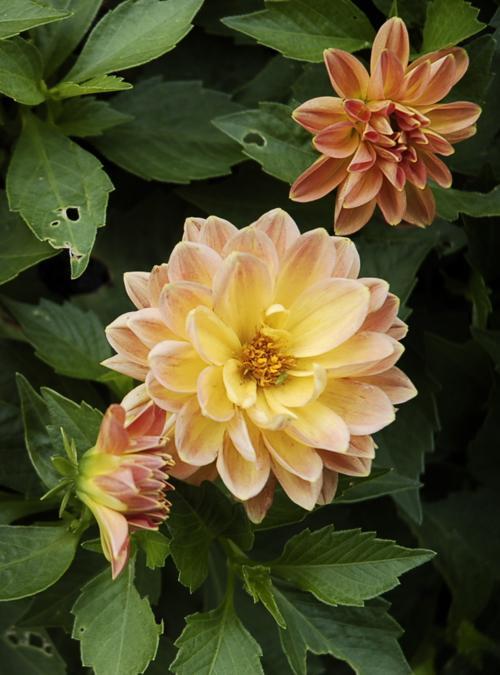
Pink Dahlia
Dahlia
Stunning tuberous perennial with layered pink blooms ranging from soft blush to ...
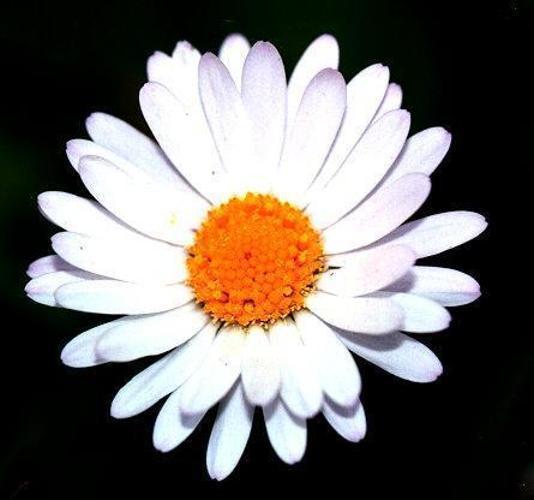
Oxeye Daisy
Leucanthemum vulgare
Classic wildflower with bright white petals radiating around golden-yellow cente...
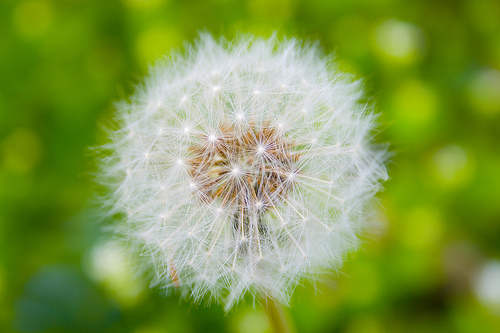
Dandelion
Taraxacum officinale
Ubiquitous perennial featuring bright golden-yellow composite flowers that trans...
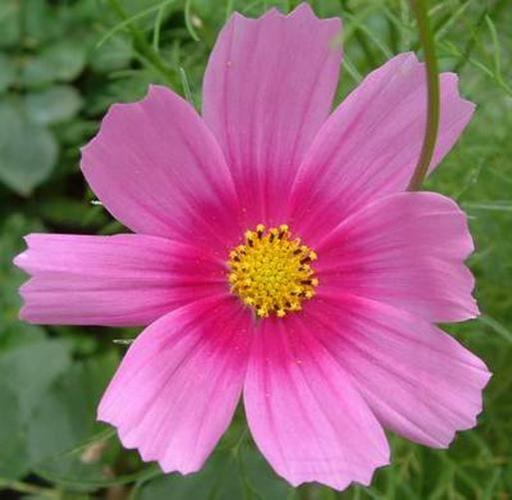
Mexican Aster
Cosmos bipinnatus
Graceful annual with airy, fern-like foliage and cheerful daisy-like flowers in ...
Similar Characteristics
4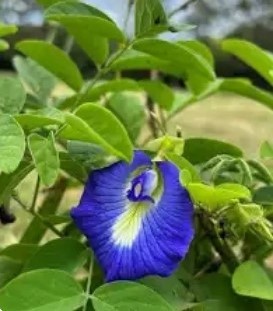
Butterfly pea
Clitoria ternatea
Striking tropical vine featuring vivid sky-blue pea-shaped flowers with distinct...
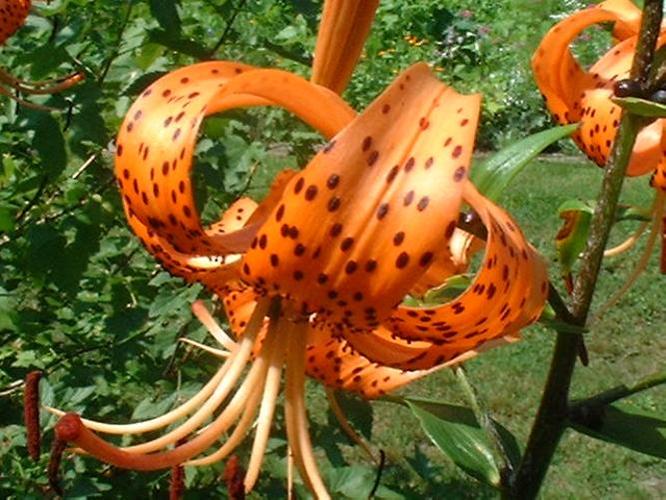
Tiger Lily
Lilium lancifolium
Spectacular summer-blooming bulb featuring vibrant orange flowers adorned with d...
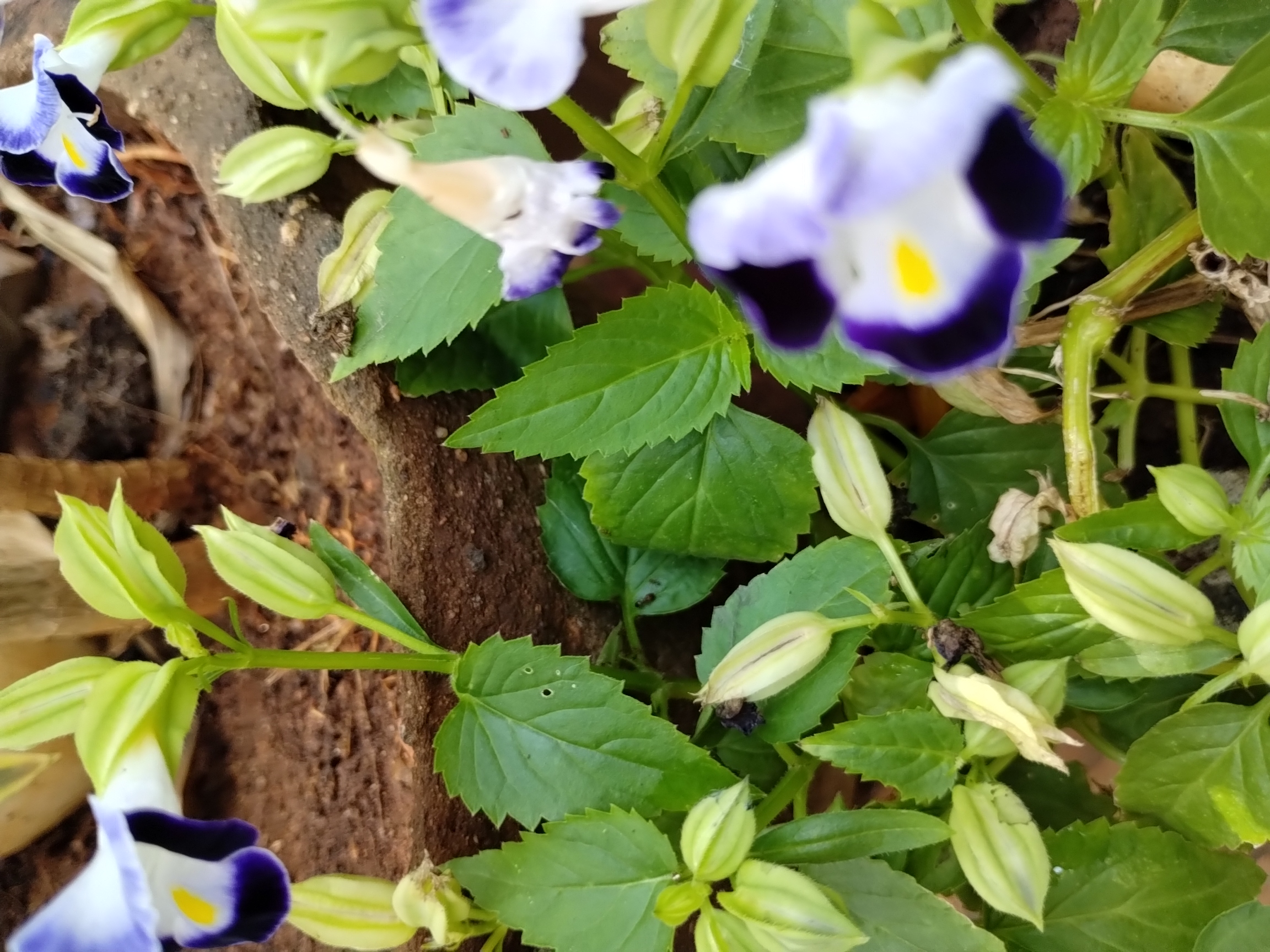
Bluewings
Torenia fournieri
Charming shade-loving annual featuring small trumpet-shaped flowers with distinc...
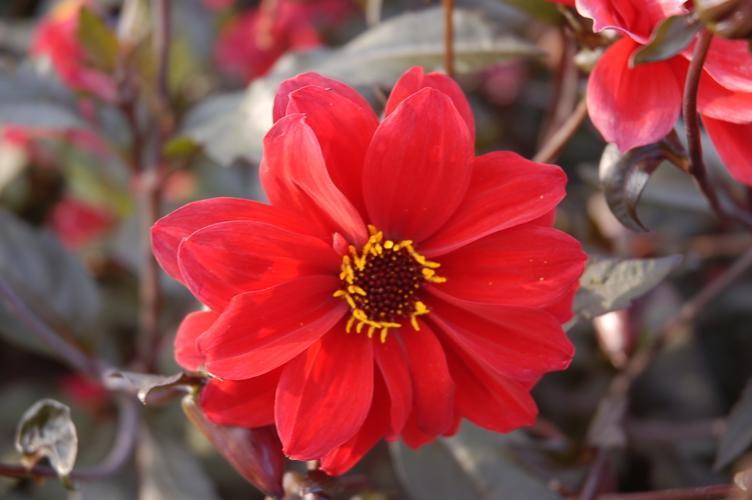
Dahlia
Dahlia
Spectacular tuberous perennial renowned for extraordinarily diverse flower forms...