
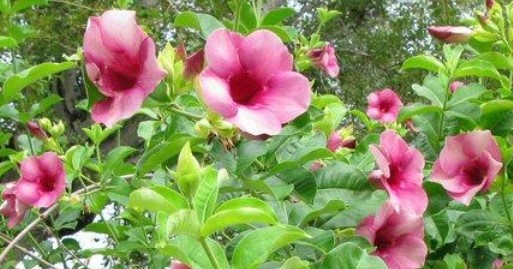
Mandevilla
Mandevilla
Basic Details
Floral Formula & Features
Actinomorphic (radially symmetrical), bisexual, 5 fused sepals, 5 fused petals forming trumpet, 5 stamens fused to corolla, 2 fused carpels with superior ovary typical of Apocynaceae
- Name 'Mandevilla' honors Henry Mandeville, British diplomat and gardener who discovered it in Argentina. 'Rock Trumpet' refers to trumpet-shaped flowers. Also called 'Dipladenia' from Greek 'diploos' (double) and 'aden' (gland).
- Flowers trumpet-shaped, 2-4 inches (5-10 cm) across with 5 petals. Colors: pink, red, white, yellow, often with yellow throat. Blooms late spring to fall (year-round in tropics). Sweet fragrance intensifies in evening. Long-lasting cut flowers.
- Woody climbing vine with twining stems. Leaves glossy, dark green, oval to elliptical, 2-8 inches (5-20 cm) long, leathery texture. Milky sap present (mildly toxic). Evergreen in warm climates, deciduous in cooler zones.
- Size: climbing varieties 10-20 feet (3-6 m), compact varieties 1-3 feet (0.3-0.9 m). Lifespan 5+ years as perennial in zones 10-11, annual elsewhere. Propagated by cuttings, seeds. Fast-growing, blooms first year.
- Native to Central and South America (Brazil, Argentina, Bolivia, Ecuador). Widely cultivated in tropical and subtropical regions worldwide. Thrives in warm climates, zones 9-11 as perennial.
- Requires full sun (6+ hours) for best flowering. Prefers rich, well-drained, slightly acidic soil (pH 6.5-7.0). Moderate water needs, drought-tolerant once established. Not frost-tolerant, bring indoors below 50°F (10°C).
- Attracts hummingbirds, bees, butterflies. Provides nectar. Used on trellises, arbors, pergolas, fences, containers, hanging baskets. Deer and rabbit resistant. Low allergen potential. Prune in late winter to control size.
- Fertilize every 2 weeks during growing season with phosphorus-rich fertilizer for blooms. Avoid over-fertilizing (causes foliage over flowers). Watch for aphids, spider mites, whiteflies. Provide support for climbing. Deadheading optional.
Names in Different Languages
What is Floral Formula?
A floral formula is a symbolic representation of a flower's structure using letters, numbers, and special symbols. It provides a concise way to describe the arrangement and number of floral parts.
This formula describes the flower's symmetry, sepals, petals, stamens, and carpels in a standardized format.
Formula Sequence
- Bract: Br or Ebr
- Bracteole: Brl or Ebrl
- Symmetry: % (Radial) or ⊕ (Bilateral)
- Sex: ♀ (Female), ♂ (Male), or ⚥ (Bisexual)
- Calyx/Sepal: K<number> (Free or Fused)
- Corolla/Petal: C<number> (Free or Fused)
- Androecium: A<number> (Free or Fused)
- Gynaecium: G<number> (Superior or Inferior Ovary)
Symbol Meanings
- Numbers: Indicate quantity of parts
- Parentheses (): Parts are fused together
- Plus (+): Parts in different whorls
- Underline: Superior ovary position
- Overline: Inferior ovary position
- ∞: Numerous parts (too many to count)
Understanding floral formulas helps botanists quickly identify and classify flowers based on their structural characteristics.
Similar Flowers
Discover flowers that share botanical characteristics
Same Family
4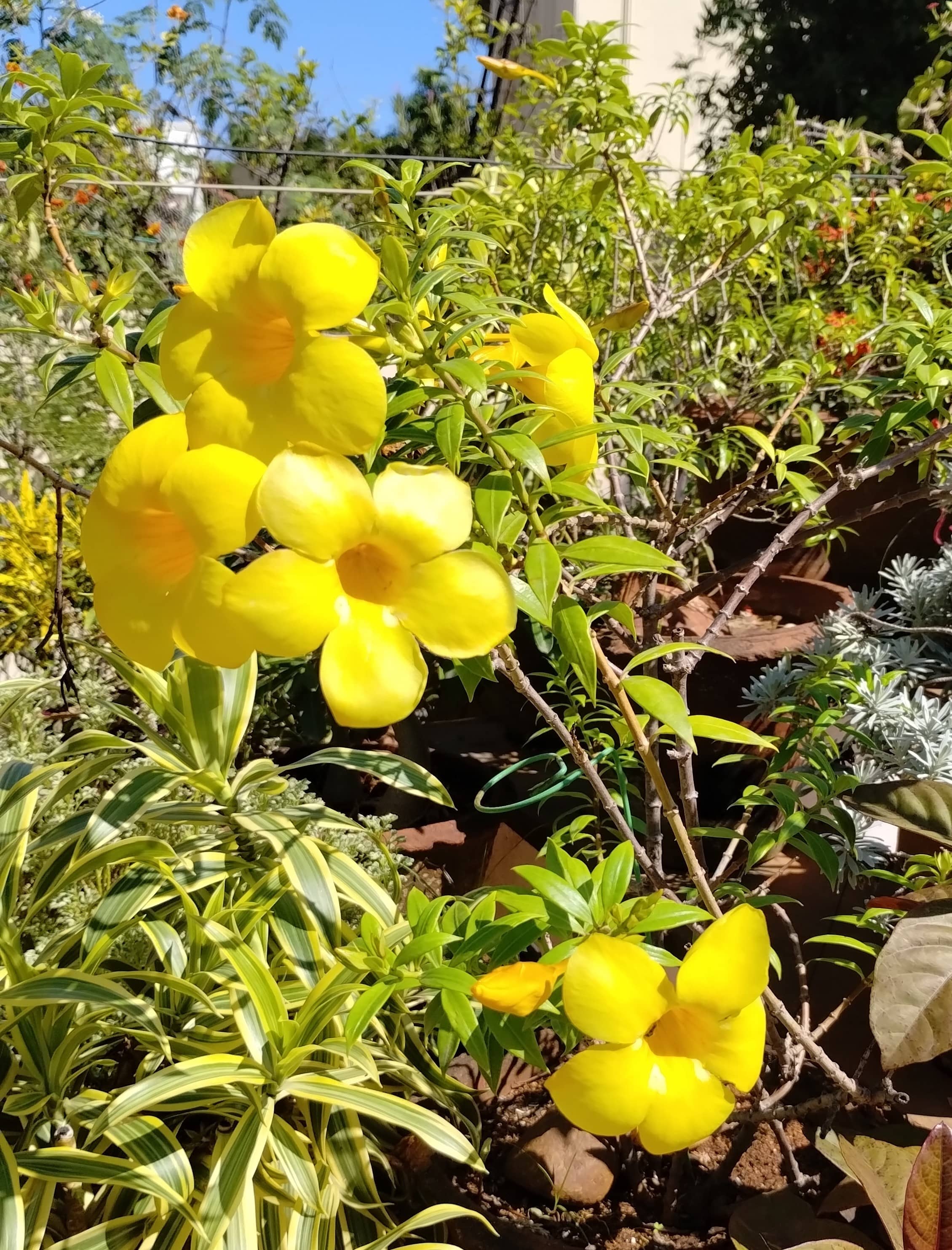
Allamanda
Allamanda cathartica
Spectacular tropical shrub or vine featuring large, trumpet-shaped flowers that ...
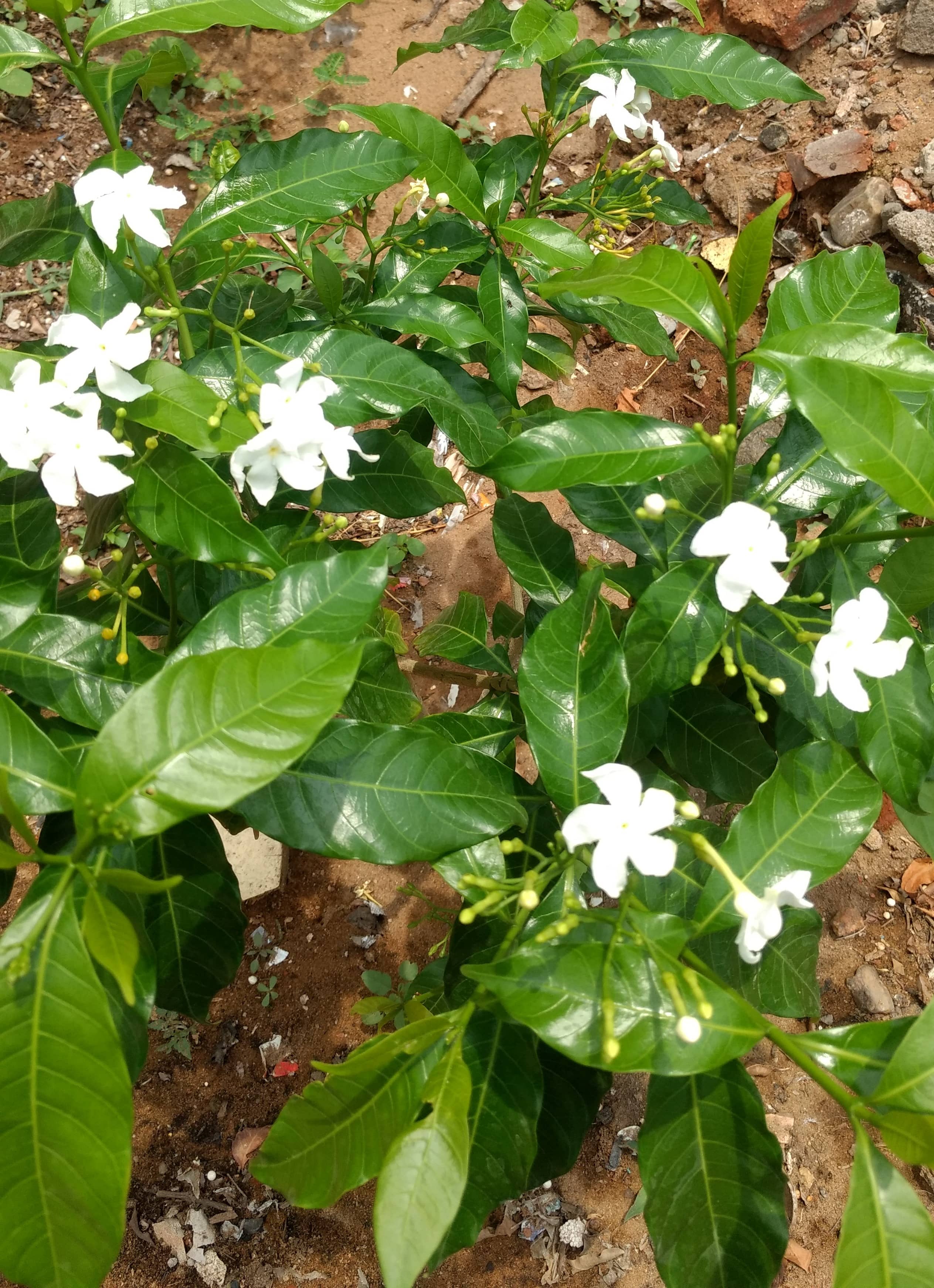
Pinwheel
Tabernaemontana divaricata
Elegant evergreen shrub with distinctive white flowers featuring five waxy petal...
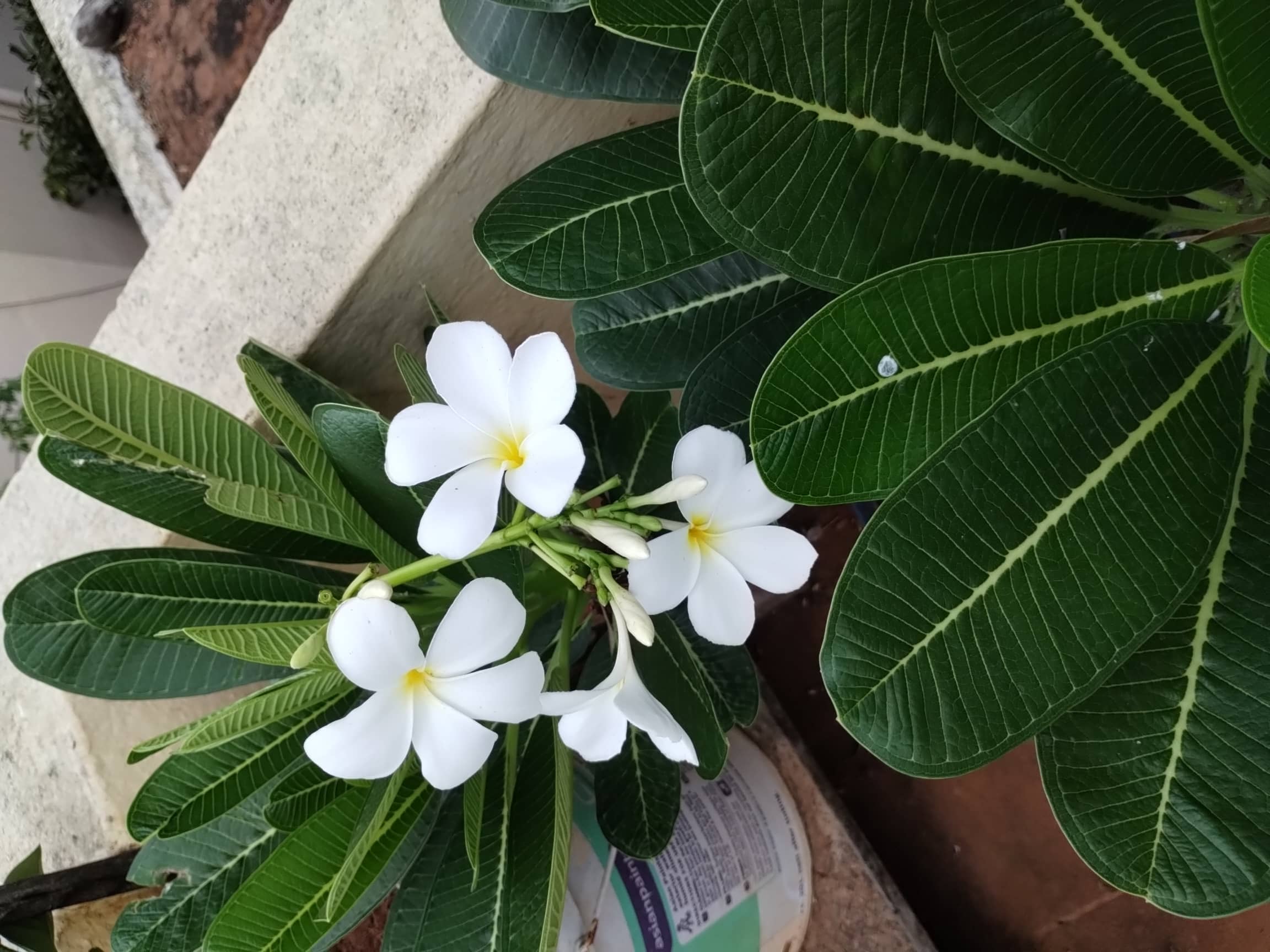
Plumeria
Plumeria Rubra
Iconic tropical tree with intensely fragrant waxy flowers in white, pink, red, y...
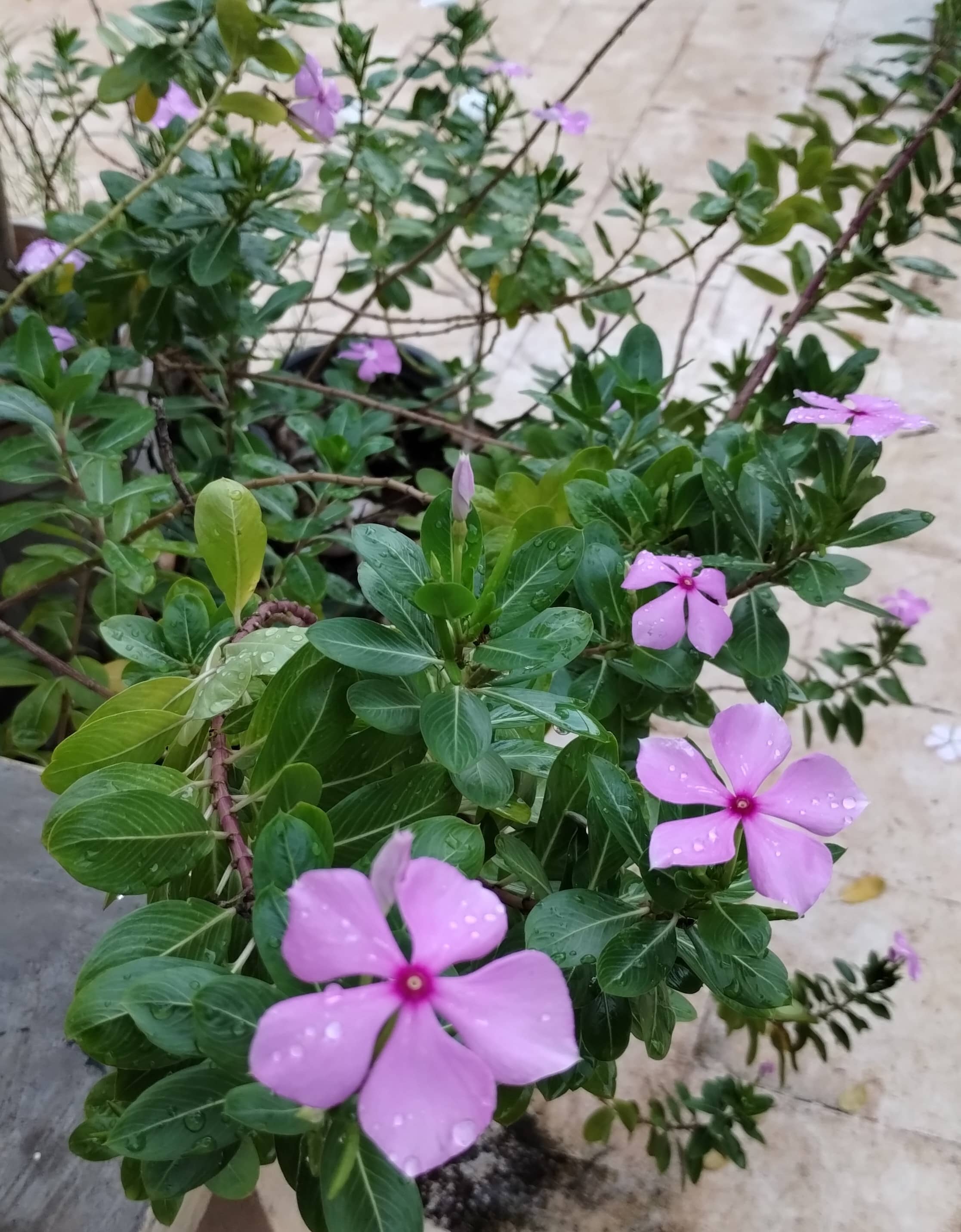
Vinca Rosea
Catharanthus roseus
Highly significant medicinal plant native to Madagascar, renowned as the source ...
Similar Characteristics
4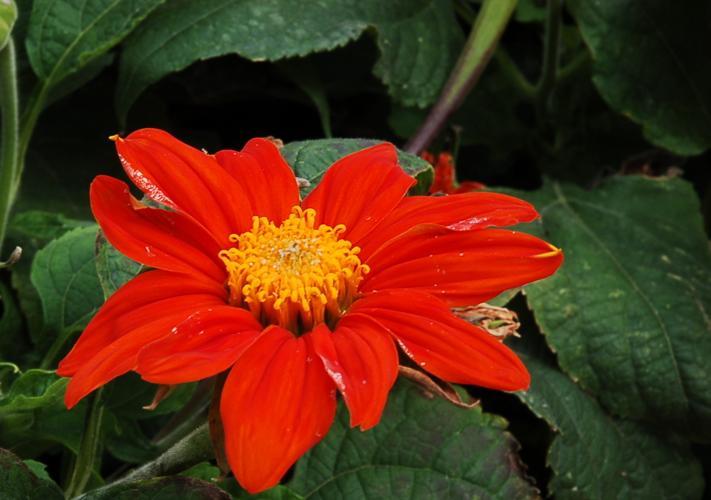
Orange Dahlia
Dahlia × hortensis
Showy tuberous perennial with vibrant orange blooms ranging from bright tangerin...
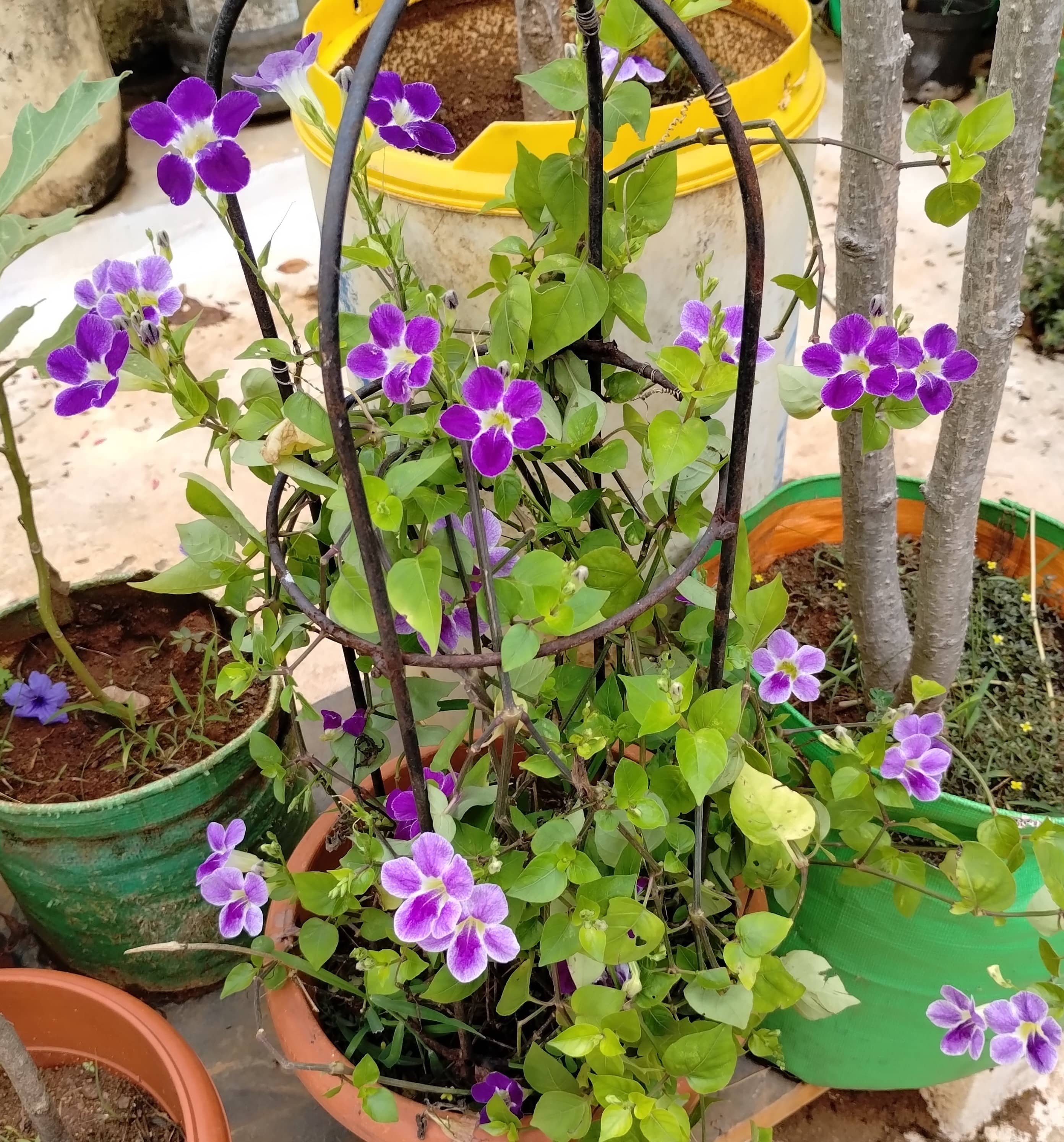
Thunbergia Bush Clock Vine
Thunbergia erecta
Versatile tropical plant producing stunning trumpet-shaped flowers in shades of ...
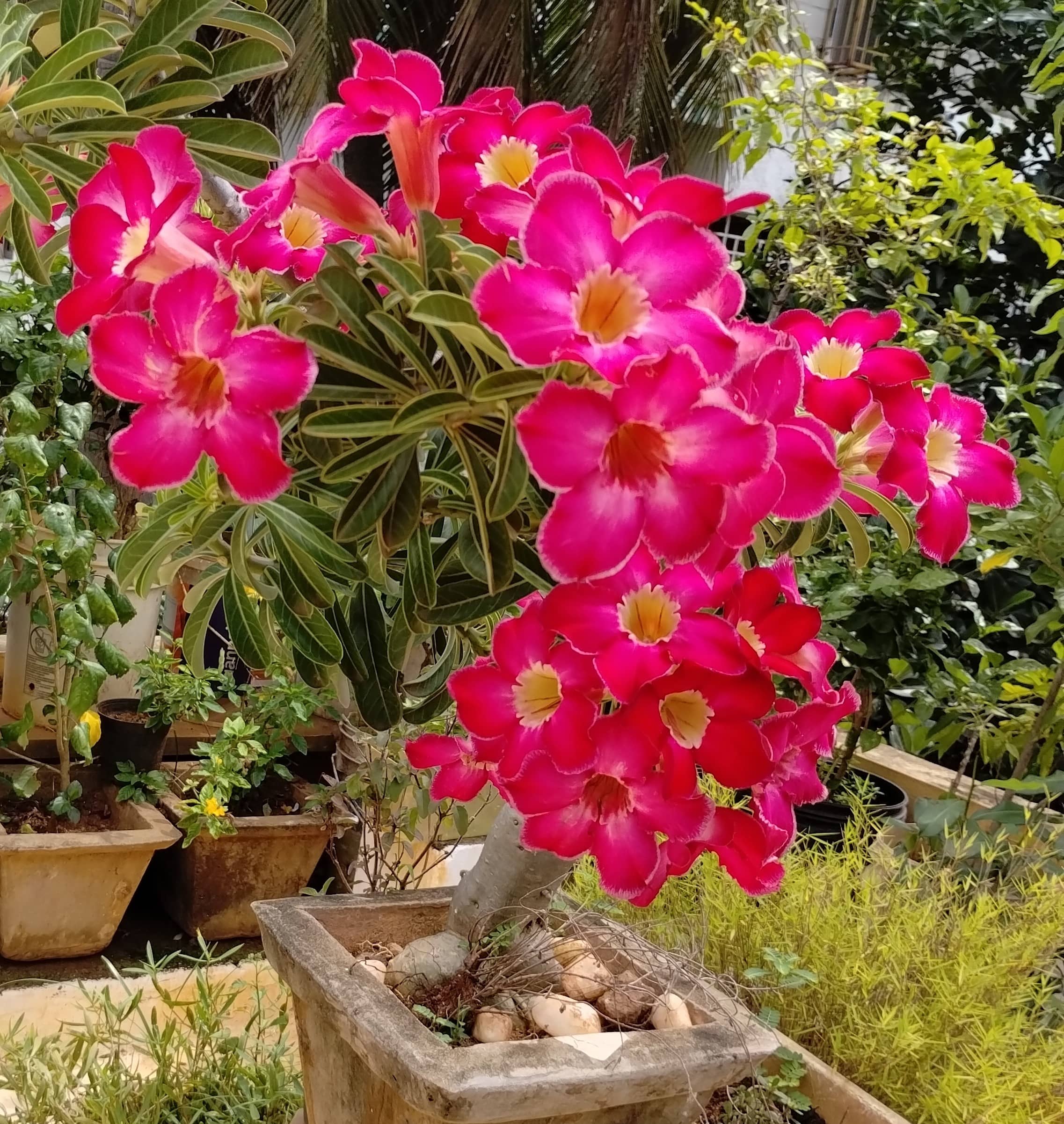
Desert rose
Adenium obesum
Striking succulent shrub featuring a dramatically swollen trunk (caudex) that st...
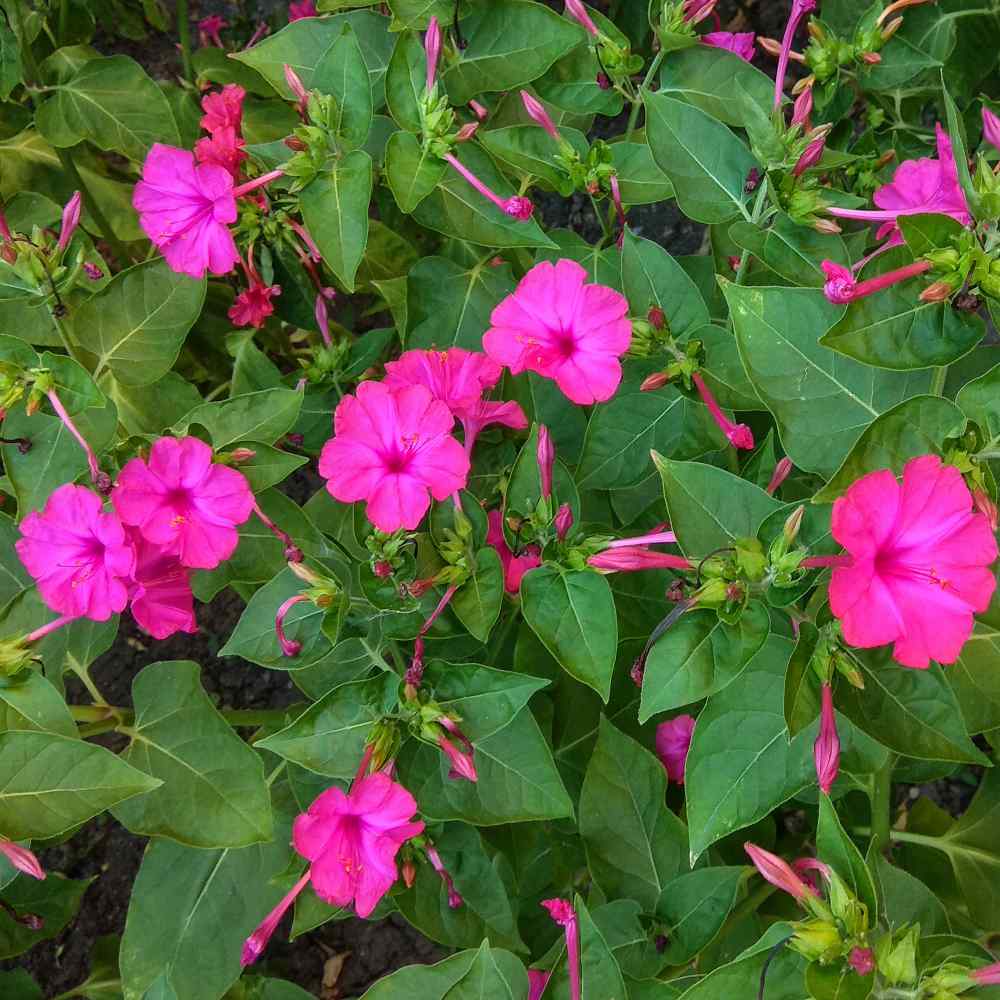
Four o'clock
Mirabilis jalapa
Charming bushy perennial named for flowers that open in late afternoon (typicall...