
Love in a mist
Nigella damascena
Basic Details
Floral Formula & Features
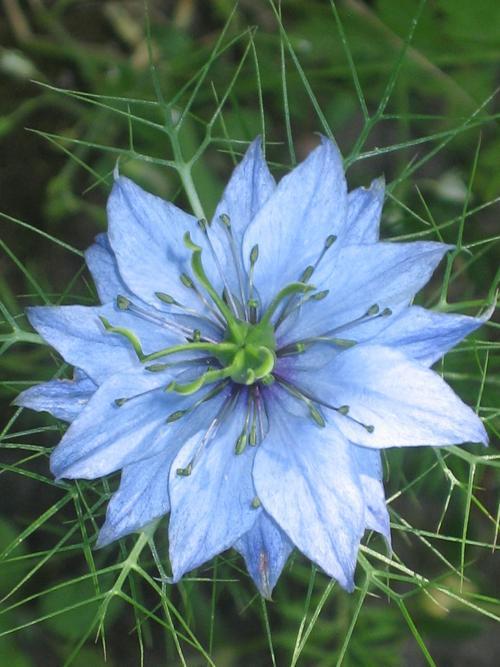
Ebracteate (no true bracts, but surrounded by finely divided involucral leaves), radially symmetrical (actinomorphic), bisexual, 5 large petal-like sepals (colorful), 5-10 small tubular petals modified as nectaries, numerous free stamens, 5 fused carpels with superior ovary. Similar structure to hellebores
- Name 'Love-in-a-Mist' describes flowers nestled in ring of finely divided, thread-like bracts resembling mist. 'Nigella' from Latin 'niger' (black) for black seeds. 'Damascena' refers to Damascus, Syria. Also called 'Devil-in-the-Bush' and 'Jack-in-Prison' for flower trapped in foliage. Victorian favorite symbolizing perplexity
- Flowers 1-1.5 inches (2.5-4 cm) across with 5-10 petal-like sepals (true petals are tiny nectaries). Colors include sky blue, deep blue, white, pink, rose, and purple. Surrounded by collar of finely divided, feathery bracts creating misty appearance. Blooms late spring to summer (May-July). Each flower lasts 5-7 days
- Hardy annual with upright, branching stems. Entire plant has delicate, fern-like appearance with finely dissected leaves. After flowering, inflated seed capsules develop with distinctive horned tips and maroon stripes. Self-seeds prolifically. Prefers cool weather, dislikes transplanting. Direct sow in fall or early spring
- Grows 12-24 inches (30-60 cm) tall with 8-12 inch (20-30 cm) spread. Lifespan of one growing season (annual). Propagated from seed sown directly in garden (germinates in 10-15 days). Resents root disturbance. Self-sows readily for continuous display year after year
- Native to southern Europe, North Africa, and southwestern Asia, particularly Mediterranean region and Middle East. Found in fields, waste ground, and rocky slopes. Cultivated in gardens worldwide since medieval times. Naturalized in some temperate regions
- Requires full sun to partial shade (6+ hours sun preferred). Thrives in cool weather. Prefers well-drained, moderately fertile soil. Drought tolerant once established. Dislikes heat and humidity - performs best in spring and fall. Hardy annual, tolerates light frost. Zones 2-11 as annual
- Excellent for cottage gardens, cutting gardens, and wildflower meadows. Flowers and seed pods both valued for fresh and dried arrangements. Attracts bees and beneficial insects. Deer and rabbit resistant. Seeds aromatic, related to black cumin (N. sativa) but not typically used in cooking. Self-seeds freely
Names in Different Languages
What is Floral Formula?
A floral formula is a symbolic representation of a flower's structure using letters, numbers, and special symbols. It provides a concise way to describe the arrangement and number of floral parts.
This formula describes the flower's symmetry, sepals, petals, stamens, and carpels in a standardized format.
Formula Sequence
- Bract: Br or Ebr
- Bracteole: Brl or Ebrl
- Symmetry: % (Radial) or ⊕ (Bilateral)
- Sex: ♀ (Female), ♂ (Male), or ⚥ (Bisexual)
- Calyx/Sepal: K<number> (Free or Fused)
- Corolla/Petal: C<number> (Free or Fused)
- Androecium: A<number> (Free or Fused)
- Gynaecium: G<number> (Superior or Inferior Ovary)
Symbol Meanings
- Numbers: Indicate quantity of parts
- Parentheses (): Parts are fused together
- Plus (+): Parts in different whorls
- Underline: Superior ovary position
- Overline: Inferior ovary position
- ∞: Numerous parts (too many to count)
Understanding floral formulas helps botanists quickly identify and classify flowers based on their structural characteristics.
Similar Flowers
Discover flowers that share botanical characteristics
Same Family
4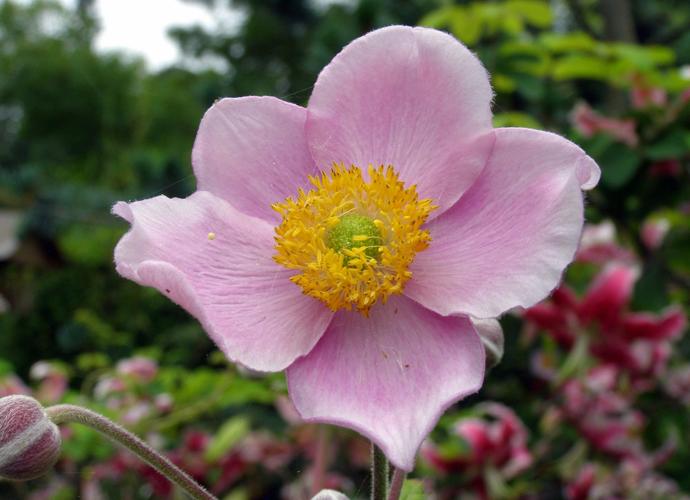
Japanese anemone
Anemone hupehensis, Anemone hybrida
Elegant late-season perennial featuring graceful, saucer-shaped flowers on tall,...
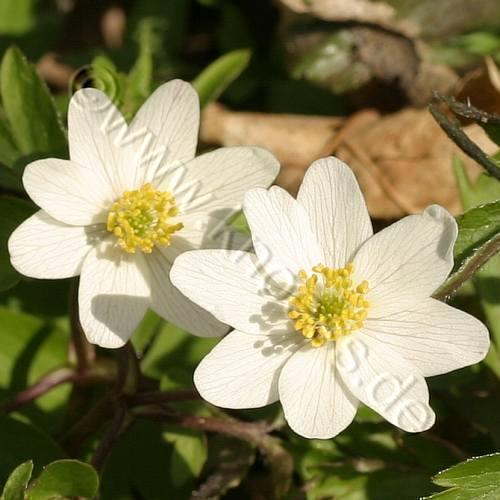
Windflower
Anemone
Graceful perennial named for delicate blooms that dance and sway in slightest br...
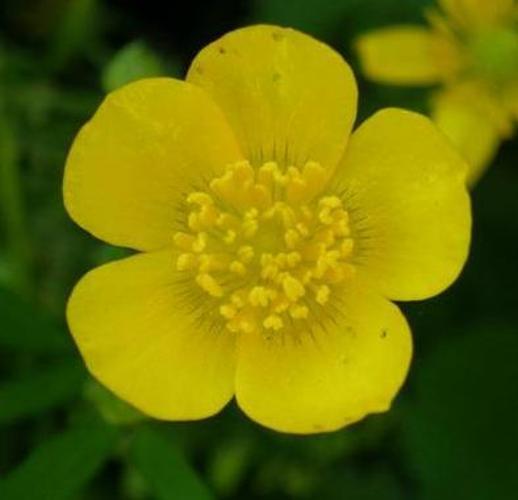
Meadow Buttercup
Ranunculus acris
Common wildflower with bright golden-yellow cup-shaped blooms featuring glossy, ...
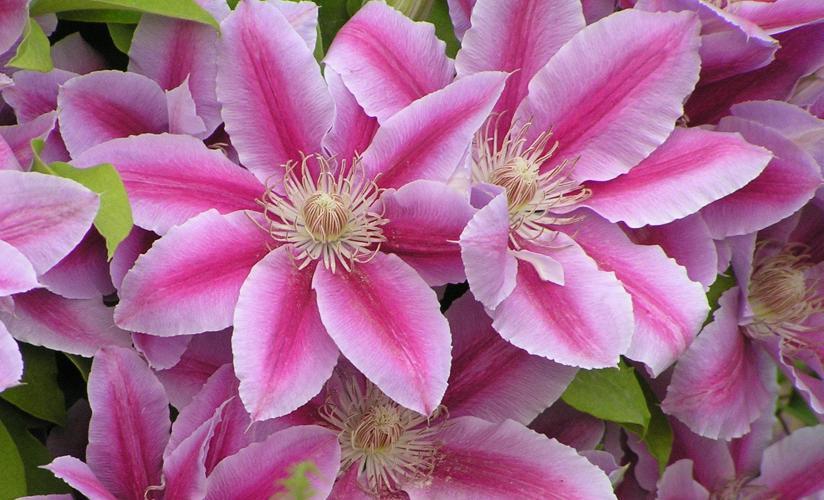
Clematis
Clematis
Spectacular flowering vine featuring large, showy blooms in star or bell shapes ...
Similar Characteristics
4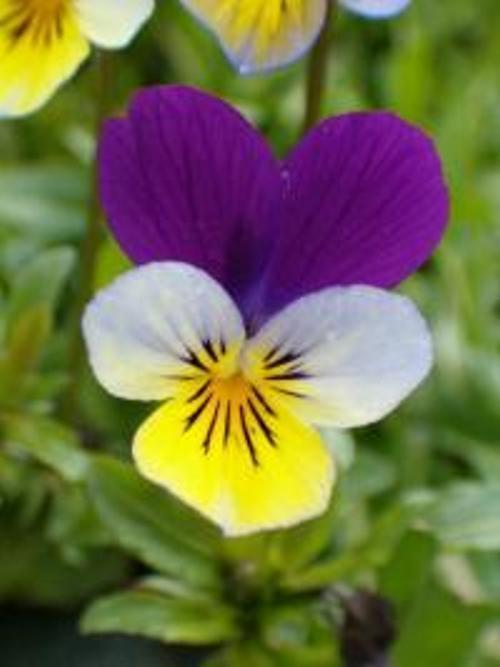
Wild Pansy
Viola Tricolor
Charming European wildflower treasured for its distinctive tricolor blooms combi...
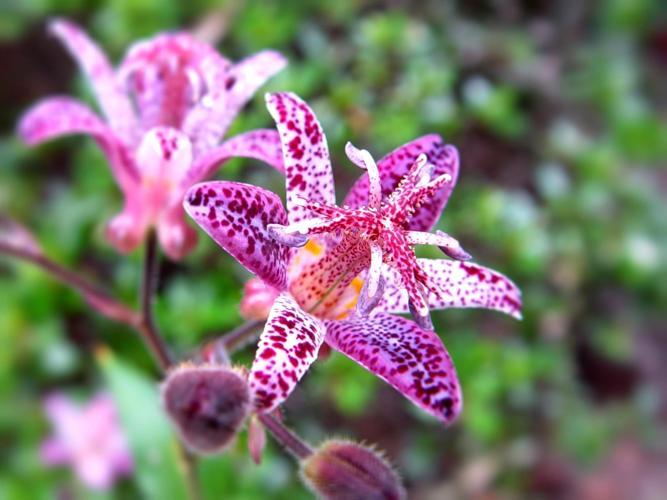
Toad Lily
Tricyrtis
Exotic shade-loving perennial featuring intricate, orchid-like flowers covered i...
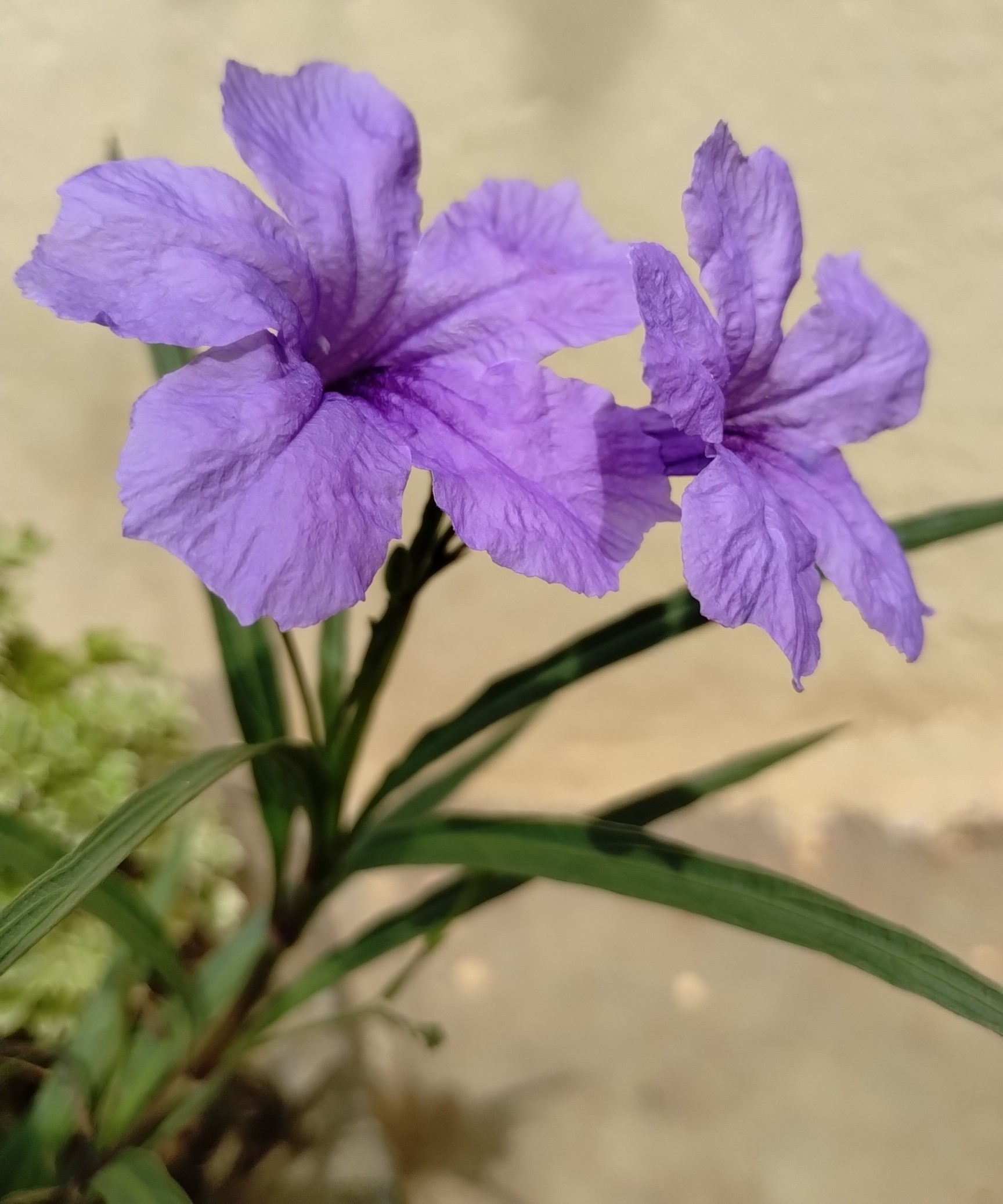
Mexican Petunia
Ruellia simplex
Vigorous perennial producing trumpet-shaped flowers resembling petunias in shade...
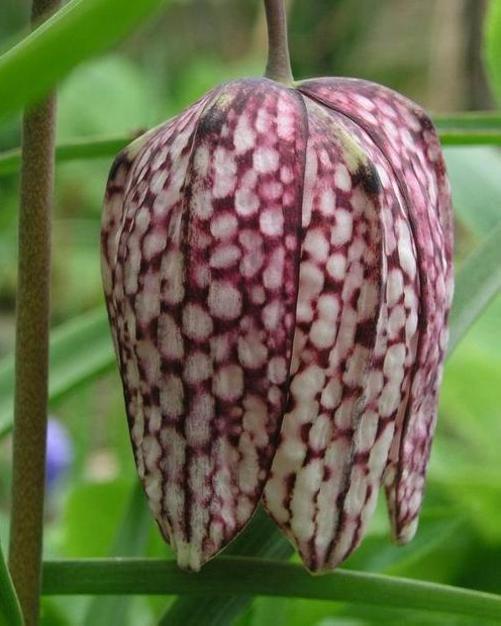
Fritillaria
Fritillaria
Elegant spring bulb featuring distinctive nodding, bell-shaped flowers, many wit...