
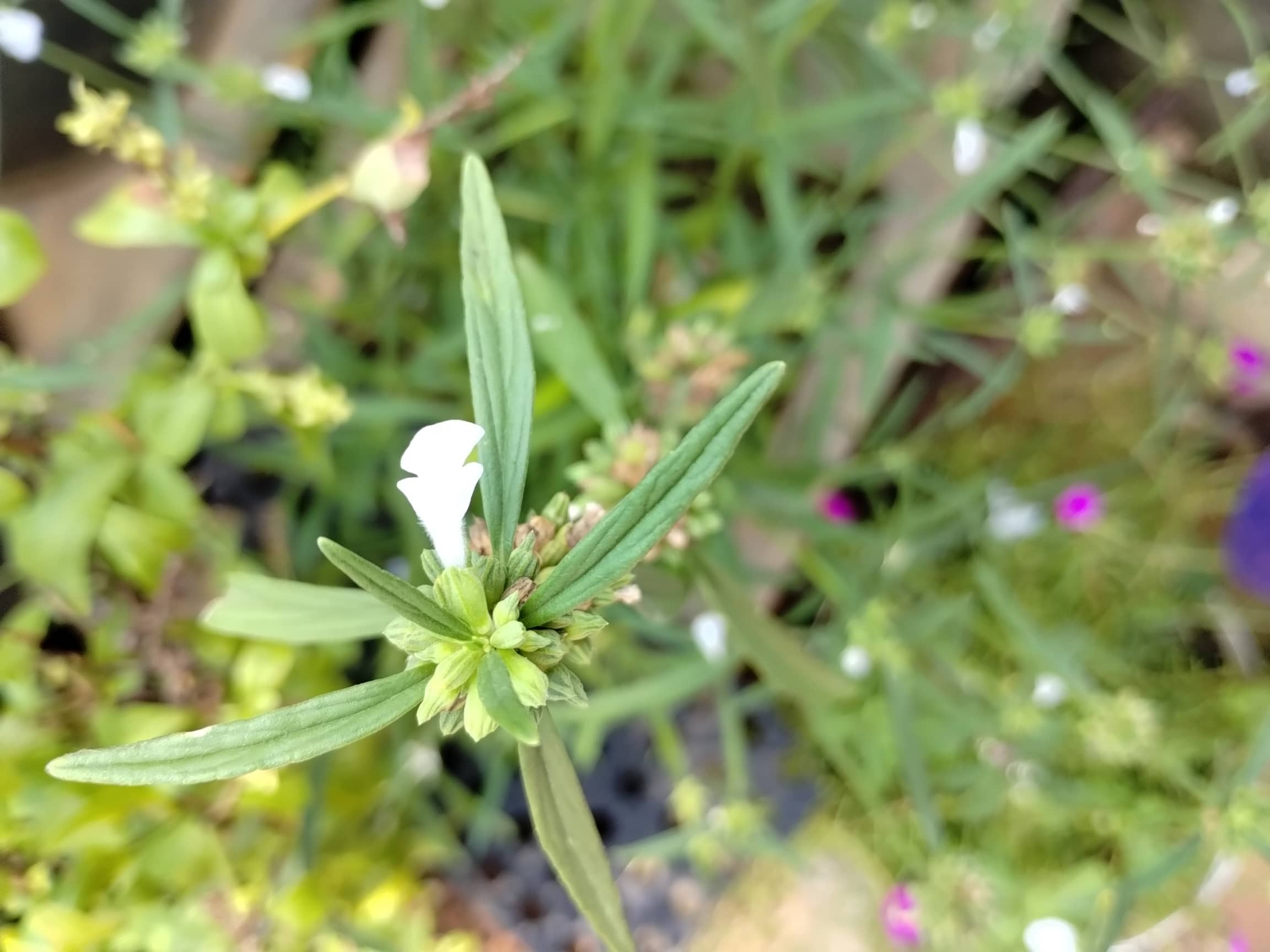
Leucas Aspera
Leucas aspera
Basic Details
Floral Formula & Features
Bracteate (small bracts present), bilaterally symmetrical (zygomorphic), bisexual, 5 fused sepals forming tubular calyx with 10 teeth, 5 fused petals forming two-lipped corolla (upper lip 2-lobed, lower lip 3-lobed), 4 stamens (didynamous - 2 long, 2 short), 2 fused carpels with superior ovary, characteristic of Lamiaceae
- Name 'Leucas' from Greek 'leukos' (white), referring to white flowers. 'Aspera' from Latin meaning 'rough,' describing hairy, rough-textured leaves and stems. 'Thumbai' in Tamil, 'Dronapushpi' in Sanskrit meaning 'cup flower' for flower shape. About 100 Leucas species, mostly tropical Asian
- Flowers 0.4-0.6 inches (10-15 mm) long, small white bilabiate (two-lipped) blooms with upper lip hooded, lower lip 3-lobed. Arranged in dense, globe-shaped whorls (verticillasters) of 6-10 flowers at leaf axils. Flowers sessile (no stalks). Blooms year-round in tropics, primarily monsoon season (July-October). Entire plant aromatic when crushed
- Annual to short-lived perennial herb with characteristic square stems of mint family. Erect, branching growth. Entire plant densely covered with rough, white hairs. Leaves opposite, decussate (at right angles to pair above/below), ovate to lanceolate, 1-3 inches long, coarsely serrated edges
- Grows 1-3 feet (30-90 cm) tall with 1-2 foot (30-60 cm) spread. Lifespan of 1-2 years (annual or biennial). Propagated easily from seed (germinates in 7-10 days) or stem cuttings. Self-seeds prolifically, often considered weedy. Fast-growing, reaching mature size in 2-3 months
- Native to tropical and subtropical Asia including India, Sri Lanka, Southeast Asia, southern China, and Philippines. Now naturalized in tropical Africa, Australia, and Pacific islands. Found in waste ground, roadsides, fields, and disturbed areas from sea level to 4,000 feet elevation
- Thrives in full sun to partial shade (6+ hours sun preferred). Adapts to various soil types including poor, rocky soil. Drought and heat tolerant once established. Prefers well-drained soil. Self-seeds readily in favorable conditions. Can become weedy. Hardy in tropical and subtropical zones
- Extensively used in Ayurvedic and traditional medicine for respiratory infections, coughs, colds, fever, headaches, and skin diseases. Leaves applied to wounds, snake bites, and insect stings. Anti-inflammatory, antimicrobial, and antipyretic properties confirmed by research. Leaf juice used for coughs and asthma. Whole plant used in decoctions
- Sacred to Lord Shiva in Hinduism, offered in temples especially during Shivaratri. Attracts bees and butterflies. Used as natural insect repellent. Deer resistant. Easy to grow, requires minimal care. Can spread aggressively in tropical gardens. Symbolizes devotion and medicinal healing in Indian culture
Names in Different Languages
What is Floral Formula?
A floral formula is a symbolic representation of a flower's structure using letters, numbers, and special symbols. It provides a concise way to describe the arrangement and number of floral parts.
This formula describes the flower's symmetry, sepals, petals, stamens, and carpels in a standardized format.
Formula Sequence
- Bract: Br or Ebr
- Bracteole: Brl or Ebrl
- Symmetry: % (Radial) or ⊕ (Bilateral)
- Sex: ♀ (Female), ♂ (Male), or ⚥ (Bisexual)
- Calyx/Sepal: K<number> (Free or Fused)
- Corolla/Petal: C<number> (Free or Fused)
- Androecium: A<number> (Free or Fused)
- Gynaecium: G<number> (Superior or Inferior Ovary)
Symbol Meanings
- Numbers: Indicate quantity of parts
- Parentheses (): Parts are fused together
- Plus (+): Parts in different whorls
- Underline: Superior ovary position
- Overline: Inferior ovary position
- ∞: Numerous parts (too many to count)
Understanding floral formulas helps botanists quickly identify and classify flowers based on their structural characteristics.
Similar Flowers
Discover flowers that share botanical characteristics
Same Family
4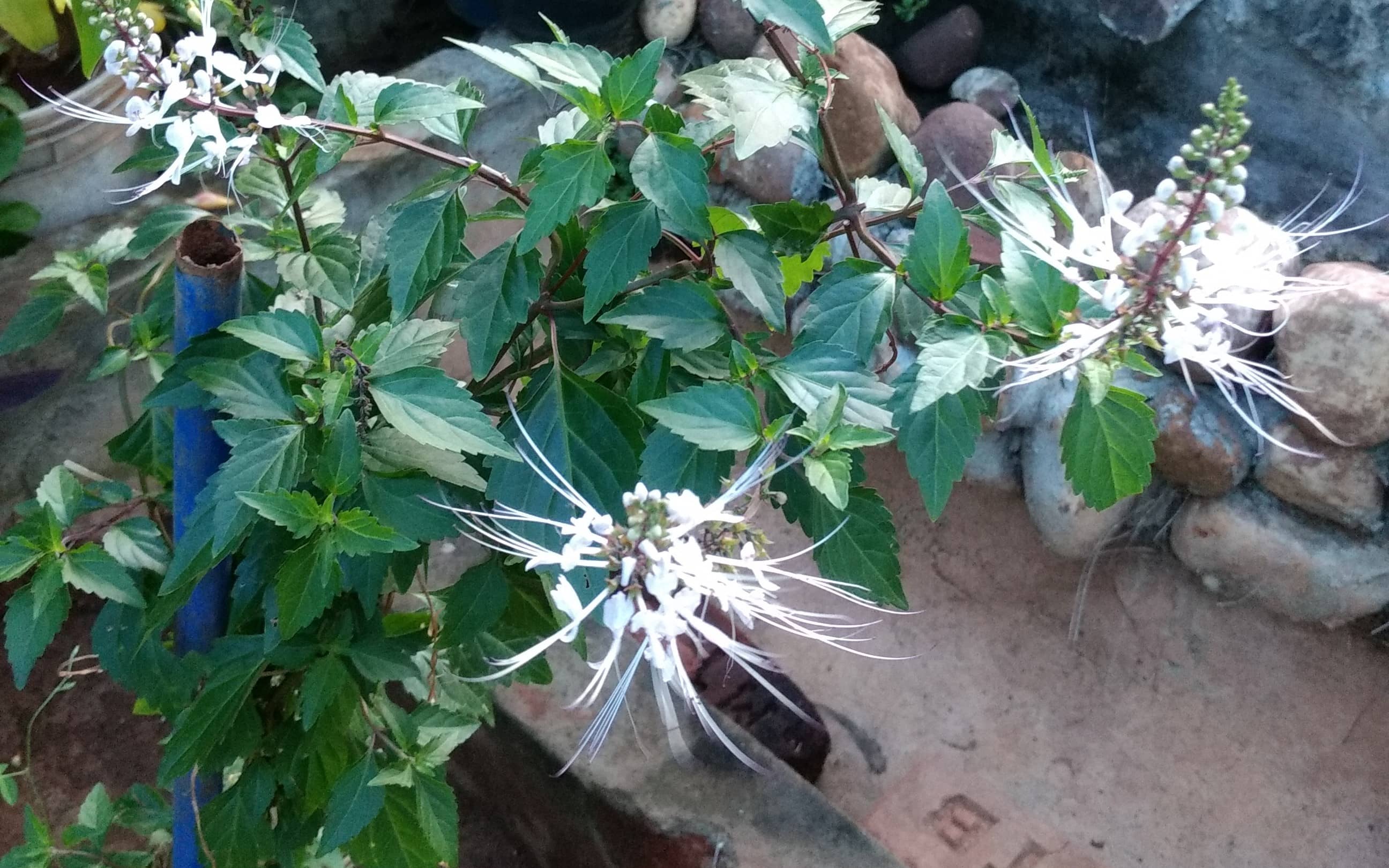
Cat's whiskers
Orthosiphon aristatus
Distinctive medicinal herb featuring delicate white or pale purple flowers with ...
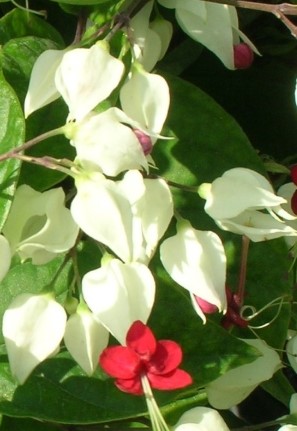
Bleeding Heart Vine
Clerodendrum thomsoniae
The plant is a creeper/climber and produces numerous clusters of flowers that a...
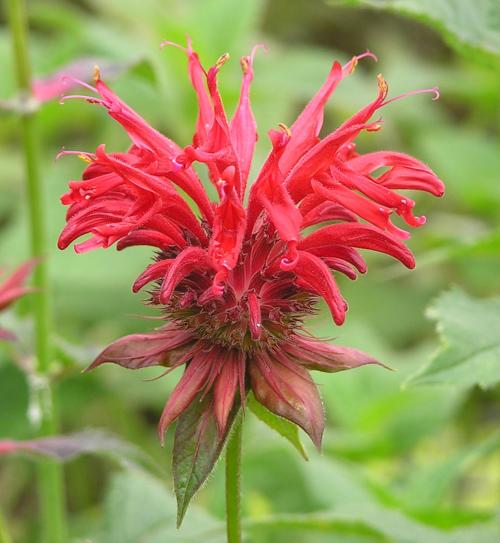
Beebalm
Monarda didyma, Mentha longifolia
Showy perennial herb featuring dense, pom-pom-like clusters of tubular flowers i...
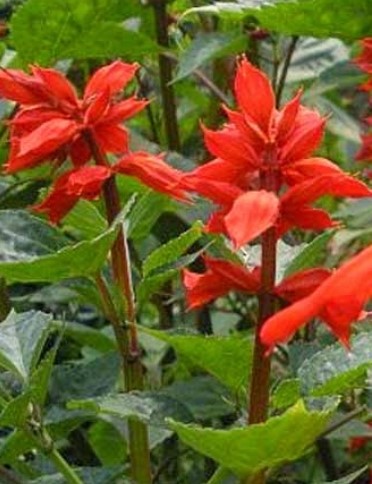
Salvia
Salvia
Diverse and valuable genus featuring tubular flowers in vibrant shades of blue, ...
Similar Characteristics
4
Globe Amaranth
Gomphrena globosa
Cheerful annual featuring distinctive globe-shaped flower heads resembling color...
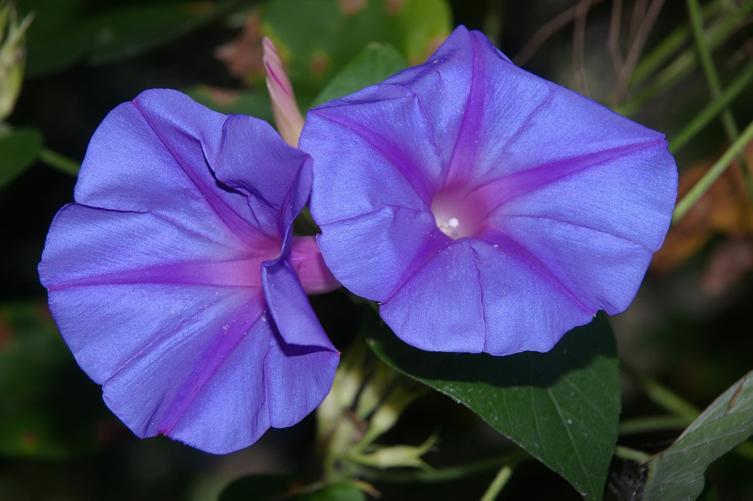
Morning Glory
Ipomoea tricolor
Fast-growing annual vine with trumpet-shaped flowers in vibrant blue, purple, pi...
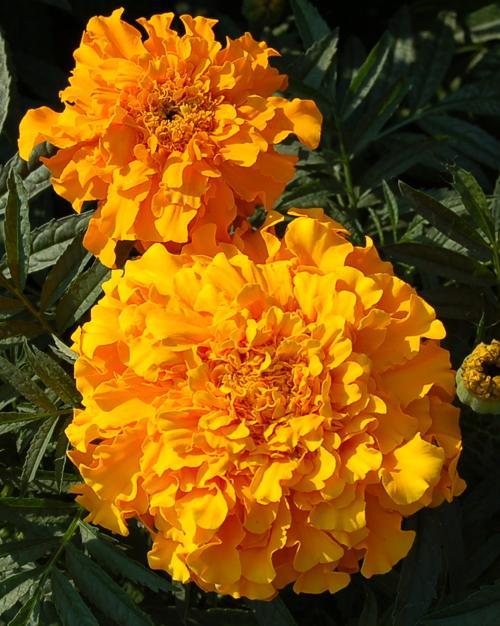
Marigold
Tagetes erecta
Cheerful annual producing masses of vibrant flowers in yellow, orange, gold, mah...
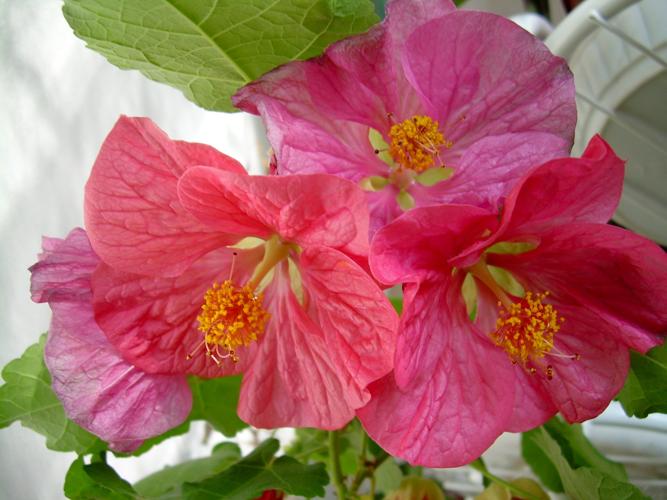
Mallow
Malva
Versatile medicinal herb with delicate cup-shaped flowers in pink, purple, or wh...